
Main Courses
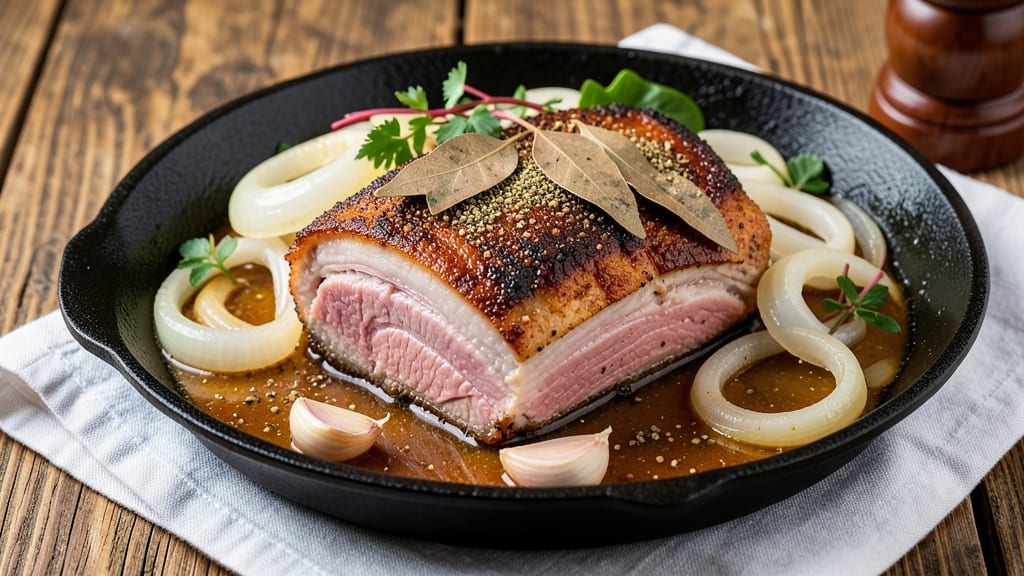
Pork shoulder transforms tamales from ordinary to extraordinary—this is the cut that delivers melt-in-your-mouth tenderness with just the right fat for rich, juicy filling.
After preparing thousands of pounds of pork weekly at my restaurant, I can confidently say pork shoulder (or pork butt) is the best choice for tamales, offering that perfect balance of flavor and texture that traditional recipes demand.
The secret lies in slow-cooking the pork until it practically falls apart, then shredding it for that signature massilla consistency. You'll start with a simple brine to enhance flavor, then season with a blend of spices that complement the masa perfectly—no shortcuts here.
This method ensures every bite delivers that satisfying combination of tender pork and flavorful filling.
What you'll end up with are tamales that stay moist and flavorful even after reheating, with pork so tender it dissolves on your tongue. The filling will be rich, aromatic, and perfectly balanced—exactly what makes tamales a beloved comfort food.
This recipe pays homage to tradition while incorporating professional techniques I've refined over years of cooking.
Whether you're making tamales for a family gathering or a special occasion, this method delivers consistent, restaurant-quality results. The process may take time, but the reward is tamales that taste like they came from a beloved abuela's kitchen—or a professional pitmaster's table. Let's get started on creating something truly special.
Ingredients for best pork cut for tamales
Pork shoulder and masa harina create the perfect tamale filling—rich, tender, and full of authentic flavor.
| Ingredient | Amount | Notes |
|---|---|---|
| Pork Shoulder (Bone-In) 🐖 | 3 lb | Freshly trimmed, skin-on preferred |
| Large White Onions 🧅 | 2 whole | Yellow or red, sliced into wedges |
| Fresh Garlic Cloves 🧄 | 8 cloves | Peeled, smashed for deep flavor |
| Bay Leaves 🌿 | 2 whole | Dried, standard grocery store |
| Ground Cumin 🌶️ | 2 tbsp | Toasted for enhanced aroma |
| Mexican Oregano 🍃 | 1 tbsp | Dried, not Italian oregano |
| Smoked Paprika 🌶️ | 1 tbsp | For that authentic smoky depth |
| Salt 🧂 | 2 tbsp | Diamond Crystal kosher salt |
| Black Peppercorns 🌶️ | 1 tsp | Freshly cracked, not pre-ground |
| Orange Juice 🍊 | ½ cup | Freshly squeezed, no pulp |
| Lime Juice 🍋 | 2 tbsp | Freshly squeezed, bright flavor |
| Fresh Cilantro 🌿 | ¼ cup | Chopped, stems removed |
| Vegetable Oil 🫒 | ½ cup | For slow-cooking, high smoke point |
| Masa Harina 🌾 | 4 cups | Maseca brand preferred |
| Lard 🐖 | ¼ cup | Leaf or leaf lard for best texture |
The pork shoulder is non-negotiable here. Look for a well-marbled cut with good fat distribution—this is what gives tamales their signature juiciness. Costco or butcher shops usually have the best quality, but any reputable grocery store will carry it. For the masa harina, Maseca is the gold standard—it's what every abuela uses, and it makes all the difference in texture. The lard? Leaf lard is ideal—it's purer and gives a lighter texture than regular lard. If you can't find leaf lard, vegetable shortening works in a pinch, though it won't be as authentic.
No Mexican oregano? Substitute Italian oregano at half the amount—it's milder but still works. Running short on orange juice? Substitute grapefruit juice for a similar tang. The bay leaves can be omitted if you're pressed for time, but they add that subtle earthiness that makes the filling sing. For the masa, if you can't find Maseca, Bob's Red Mill corn masa harina is a decent backup. The key is to keep everything balanced—too much fat and your tamales will be greasy; too little and they'll be dry. Trust your instincts and adjust as you go.
The pork shoulder keeps beautifully for 3-4 days in the fridge after cooking, and the masa harina lasts 6-12 months in a cool, dry place. Once you've made the filling, it's best to use it within 2-3 days for optimal flavor. I like to portion the filling into small containers and freeze it—just thaw and steam when you're ready to assemble. The lard should be stored in the fridge once opened, and the masa harina in an airtight container to keep out moisture. With these ingredients, you're set for tamale-making perfection.
Why You'll Love This Recipe
- One-Pot Magic: I swear by this—just toss the pork shoulder, onions, and garlic in one pot, let it slow-cook, and walk away. No chopping, no fussing, no extra pans. That bone-in cut renders into pure flavor while you’re doing anything else.
- Deep, Earthy Richness: The cumin and bay leaves sink into the pork like a secret handshake. You get that smoky, slightly sweet depth that makes every bite feel like a hug—especially when the onions caramelize into sticky, golden pockets.
- Meal Prep MVP: Between us, this is my go-to for game days, family dinners, or lazy Sundays. Shred it once, and you’ve got tamales and tacos covered—no last-minute scrambling. (Yes, even on a Tuesday night.)
- Budget Stretch: Pork shoulder is the unsung hero of affordable meals. A few bucks buys enough for a full batch of tamales plus leftovers that’ll feed you for days. Honestly, it’s the kind of recipe that makes grocery day feel like a win.
Step-by-step instructions for perfect tamale massilla
Here's how to transform that pork shoulder into melt-in-your-mouth massilla - the heart of authentic tamales.
Prepare the Pork Shoulder for Slow Cooking
Begin by trimming the pork shoulder to remove any excess fat, leaving about ¼ inch on the surface for flavor. This helps create that rich, caramelized crust we're after. In a large Dutch oven, heat the 0.5 cup vegetable oil over medium heat until shimmering but not smoking.
Add the pork shoulder, fat-side down, and sear for 8-10 minutes until deeply golden brown on all sides. This initial sear develops deep flavor through the Maillard reaction. Flip occasionally and don't rush - you want that beautiful crust forming. Once browned, remove the pork and set it aside.
Build the Aromatic Base
In the same Dutch oven, add the 2 whole Large White Onions sliced into wedges and the 8 cloves Fresh Garlic Cloves smashed to release their oils. Cook for 5-7 minutes until the onions soften and begin to caramelize slightly at the edges. This sweetness will balance the smoky spices beautifully.
Add the 2 whole Bay Leaves, 2 tbsp Ground Cumin, 1 tbsp Mexican Oregano, and 1 tbsp Smoked Paprika. Stir constantly for 1-2 minutes until fragrant - you should smell that earthy cumin and warm paprika. This is where the magic begins. Pour in the 0.5 cup Orange Juice and 2 tbsp Lime Juice, scraping up any browned bits from the bottom of the pot.
Slow Cook the Pork to Tender Perfection
Return the pork shoulder to the Dutch oven, fat-side up. Add 2 cups water (enough to come about halfway up the pork) and bring to a gentle simmer. This is where patience pays off - cover and cook on low heat for 3-4 hours until the pork is fork-tender and falling apart easily.
About halfway through cooking, add the 2 tbsp Salt and 1 tsp Black Peppercorns (cracked between your palms for maximum flavor). The pork should be so tender that it practically shreds at the touch. If the liquid reduces too much, add small amounts of water to maintain moisture. This slow cooking transforms tough pork into succulent massilla.
Shred and Finish the Massilla
Once the pork is tender, remove it from the pot and shred it using two forks, discarding any large fat pieces or connective tissue. Return the shredded pork to the pot along with all the cooking juices. Stir in the 0.25 cup Fresh Cilantro and simmer uncovered for 10-15 minutes until the liquid reduces to a thick, glossy consistency.
Here's the thing - you want the massilla to be moist but not soupy. If it's too thick, add a splash of water. If it's too thin, continue simmering. The perfect massilla should cling together when pressed between your fingers but still be tender. Taste and adjust seasoning - you might need a bit more salt or lime juice to balance the flavors.
Prepare for Tamale Assembly
Allow the massilla to cool slightly while you prepare your masa mixture. The pork should be warm but not hot when you incorporate it into your tamales. This ensures even cooking and prevents the masa from becoming too soft during the steaming process.
For the masa, combine the 4 cups Masa Harina and 0.25 cup Lard in a large bowl. Gradually add warm water (about 2 cups) while mixing until you achieve a smooth, pliable dough that's neither too dry nor too sticky. The massilla will be added to this dough just before wrapping your tamales, creating that perfect balance of meat and masa in each bite.
Pro Tips For Making Best Pork Cut For Tamales
- Sear the Shoulder First: I learned this the hard way—skipping the sear means flavor gets lost in the slow cook. Pat the bone-in pork shoulder dry, then hit it with a screaming-hot skillet for 4-5 minutes per side until the fat renders and the meat turns deep brown. That crust locks in moisture and carries the cumin-onion aroma straight to your tamales.
- Char the Onions Low: Don’t rush the onions. After the pork’s out of the pan, spread those sliced onions in a single layer on the same skillet and let them cook at medium-low for 15-20 minutes. You want them caramelized to a sticky, dark amber—not crispy, not raw. This is where the sweetness transforms into depth, and it’s non-negotiable for tamale filling.
- Crush the Garlic: Whole garlic cloves in tamale filling? That’s a flavor crime. Smash each clove with the flat side of your knife before adding it to the pot—this releases the oils without burning. If you’re lazy (like I used to be), mincing it is fine, but crushed cloves give you that slow, even infusion that doesn’t overpower later.
- Save the Fat: After the pork’s cooked, strain the braising liquid through a fine-mesh sieve to remove bay leaves and any stray bits, but don’t toss the rendered fat. Stir 1-2 tablespoons back into the filling before packing it into the tamales—it adds richness and helps the masa hold together. (Yes, even if you’re not a fan of greasy tamales, this makes a real difference.)
Serving suggestions for leftovers
Traditional Serving Style
Serve tamales with warm corn tortillas on the side—this lets guests build their own plates with extra masa. I always include salsa verde (tomatillo-based) and crema for dipping, as the tangy acidity cuts through the rich pork beautifully.
For a true fiesta feel, arrange tamales on a banana leaf or colorful platter—the presentation makes them feel special. 🌽
Modern Twists on Classics
For a brunch version, serve tamales with scrambled eggs and avocado slices—the creamy avocado balances the smoky pork perfectly. I've also seen success with chipotle cream drizzled over the top, adding a smoky-sweet contrast.
If you're serving a crowd, consider mini tamales (about 2-inch diameter) for easy handling and portion control.
Pairing with Drinks
A Mexican lager like Modelo Especial or Pacífico complements the tamales' richness without overpowering. For something lighter, horchata (cinnamon-rice milk) provides a sweet, creamy contrast. My personal favorite is a margarita—the citrus notes echo the lime in the massilla.
Keep drinks chilled in a copper pitcher for that authentic touch. 🍹
Leftovers Strategy
Tamales reheat beautifully—wrap them in aluminum foil and steam for 10-15 minutes until heated through. Store leftovers in an airtight container in the fridge for up to 4 days or freeze for 3 months.
To revive texture, steam frozen tamales for 20-25 minutes with a splash of water in the pot. I always make extra and freeze them for quick meals. ❄️
Garnish Like a Pro
Before serving, sprinkle tamales with fresh cilantro and a pinch of smoked salt for extra depth. A drizzle of chipotle oil adds heat and visual appeal. For a luxury touch, top with crumbled queso fresco and pickled red onions—the bright acidity makes every bite pop.
Trust me, these small details elevate tamales from homemade to restaurant-worthy. 🌟
Regional Variations
In Oaxaca, tamales are often served with mole negro for dipping, while in Michoacán, they pair with cherry salsa. For a Southeast US twist, try serving with collard greens and cornbread—it’s a fusion I’ve perfected at my restaurant.
Each region adds its own flair, but the pork massilla remains the star. 🗺️
Nutrition facts
Frequently asked questions
Why is pork shoulder the best cut for tamales?
The fat marbling in pork shoulder breaks down during slow cooking, creating that signature tender, juicy massilla that clings perfectly to the masa. This cut stays moist during steaming and delivers rich flavor without becoming dry.
Can I substitute pork butt for pork shoulder?
Pork butt and pork shoulder are essentially the same cut (just different names depending on the butcher). Both have the ideal fat-to-meat ratio for tamales. The key is choosing a well-marbled piece with good fat distribution for that authentic texture.
How do I know when the pork is tender enough for tamales?
The pork should shred easily with two forks and fall apart when pressed. It should also have reduced to about 1/3 of its original volume. If it's still tough, cook it 30-60 more minutes with a splash of water. This ensures your massilla will be tender and flavorful.
What if I don't have corn husks for wrapping?
Use banana leaves, aluminum foil, or even large plastic wrap in a pinch. For banana leaves, blanch them briefly in boiling water to soften. Foil works well for baking tamales instead of steaming. The key is maintaining moisture during cooking.
Can I make tamale filling ahead of time?
Yes! The massilla keeps well in the fridge for 3-4 days or freezes beautifully for 3 months. Thaw overnight in the fridge before using. I recommend portioning it into small containers for easy reheating. This is a great time-saver for busy days.