
Main Courses
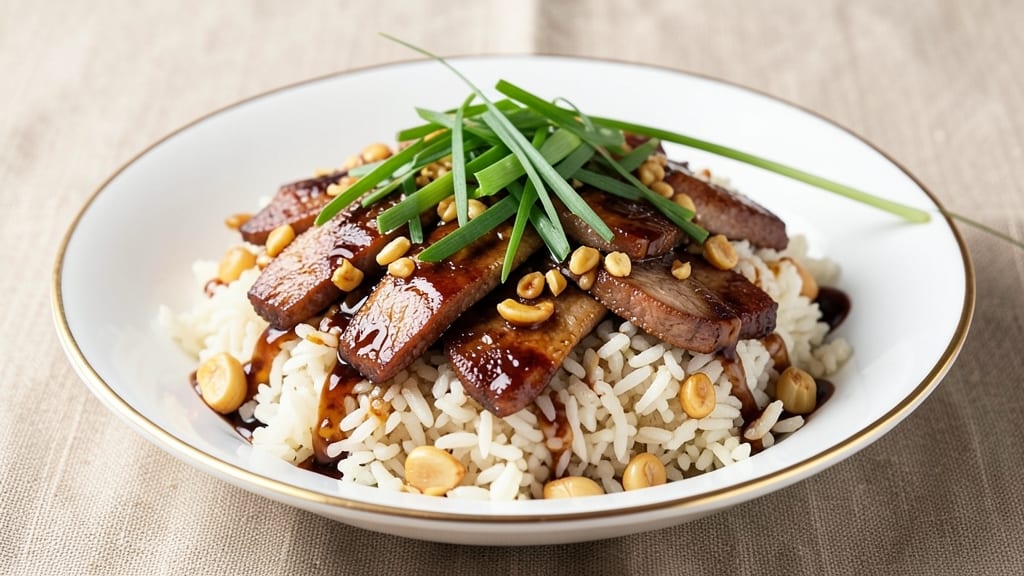
This best pork fried rice recipe ever, Chinese-style delivers restaurant-quality wok-heated perfection with tender pork, fluffy rice, and a symphony of traditional flavors. 🔥 The secret lies in proper rice prep—day-old grains that absorb flavors like a sponge—and mastering the stir-fry technique to achieve that coveted wok-hei aroma.
I've refined this recipe over countless wok sessions, ensuring every bite is packed with savory depth and textural contrast.
The foundation begins with high-quality ingredients: day-old jasmine rice, lean pork shoulder cut into bite-sized pieces, and a flavor triangle of soy sauce, Shaoxing wine, and dark soy for that signature caramelized color.
What sets this recipe apart is the layering of aromatics—garlic, ginger, and scallions—cooked just until fragrant before introducing the pork and rice. This method preserves their freshness while building complex flavors.
By the time you plate this dish, you'll have perfectly balanced fried rice with tender pork, crisp-tender vegetables, and fragrant rice that's neither mushy nor dry. The sauce clings to each grain, delivering a harmonious blend of salty, umami, and slightly sweet notes.
This is the kind of dish that transforms a simple weeknight dinner into a memorable meal.
The beauty of this recipe lies in its approachability—no fancy equipment needed, just a sturdy skillet and attention to heat control. Whether you're feeding a family or meal prepping for the week, this pork fried rice delivers authentic Chinese flavors with restaurant-quality results. Let's get cooking!
Ingredients for best pork fried rice recipe ever chinese
Restaurant-quality ingredients for wok-heated perfection—day-old rice, tender pork, and bold Chinese flavors.
| Ingredient | Amount | Notes |
|---|---|---|
| Day-Old Jasmine Rice 🍚 | 4 cups | Cooked and cooled overnight |
| Lean Pork Shoulder 🐷 | 1 lb | Cut into 1-inch cubes |
| Light Soy Sauce 🥄 | ½ cup | Kikkoman preferred |
| Dark Soy Sauce 🥄 | 1 tbsp | For caramelized color |
| Shaoxing Wine 🍷 | 2 tbsp | Substitute dry sherry if unavailable |
| Garlic Cloves 🧄 | 6 cloves | Minced finely |
| Fresh Ginger 🌿 | 1 tbsp | Grated finely |
| Scallions 🧅 | ¼ cup | Thinly sliced |
| Green Onions 🧅 | ¼ cup | Chopped for garnish |
| Vegetable Oil 🫒 | ½ cup | High smoke point |
| Sesame Oil 🫒 | 1 tbsp | For finishing aroma |
| White Pepper 🌶️ | ½ tsp | Freshly ground |
| Salt 🧂 | ½ tsp | Adjust to taste |
| Frozen Peas 🌱 | ½ cup | Thawed before using |
| Frozen Carrots 🥕 | ½ cup | Diced small |
The rice is non-negotiable—day-old jasmine rice absorbs flavors like a sponge, giving you that signature fried rice texture. Cook a fresh batch the night before and store it uncovered in the fridge. For the pork, lean shoulder stays tender when cut into even 1-inch cubes—trim excess fat for cleaner flavor. Asian grocery stores carry Shaoxing wine and dark soy sauce, but if you're stuck, dry sherry and a pinch of molasses work in a pinch. The aromatics—garlic, ginger, and scallions—need to be fresh; minced finely so they infuse the oil without burning.
No Shaoxing wine? Dry sherry or mirin bridge the gap, though Shaoxing's depth is unmatched. Swap frozen peas and carrots for fresh if you're feeling fancy, but thaw them first to avoid soggy rice. The soy sauce duo—light for saltiness, dark for color—is essential. Kikkoman light soy is the gold standard, but any good-quality brand works. For extra umami, add a dash of fish sauce (if not vegetarian), or a splash of oyster sauce. The sesame oil is purely aromatic—add it at the very end to preserve its nutty punch.
This dish tastes even better the next day as flavors meld. Store leftovers in airtight containers for up to 4 days, or freeze for 3 months. Reheat gently in a skillet with a splash of water to restore crispiness. For meal prep, cook the pork and veggies separately, then toss with rice when ready to eat—keeps everything vibrant. Garnish with extra scallions and a drizzle of sesame oil right before serving for that wok-hei aroma.
Why You'll Love This Recipe
- One-Pan Magic: I swear by this—no chopping boards, no extra pans. Toss the cold rice, diced pork, and veggies (if using) straight into a hot wok, and let the residual heat work its wonders. The pork shoulder stays juicy while the rice gets that perfect toasty crunch, all while I’m still washing the one bowl I used.
- Umami Bomb: That combo of light and dark soy sauce? Chef’s kiss. The light sauce brightens everything, while the dark adds that deep, caramelized richness. Then there’s the Shaoxing wine—just a splash—it cuts through the salt and adds this subtle, complex depth that makes it taste like a restaurant dish, not just dinner.
- Lunchbox Hero: Between us, this is my go-to for packed lunches. The day-old rice? It’s the secret—it’s dry enough to sizzle but soft enough to eat cold. I’ll make a big batch on Sundays, portion it out, and reheat slices in the toaster oven. My coworkers think I’m a lunchtime saint.
- Budget Win: Lean pork shoulder is cheaper than chicken thighs, and a little goes a long way. That jar of Shaoxing wine? You’ll use it for stir-fries, marinades, and this dish for months. Plus, leftovers taste even better the next day—if they last that long. (They won’t.)
Step-by-step instructions for Chinese pork fried rice
Here's how to transform simple ingredients into restaurant-quality fried rice with perfect wok hei!
🔥 Step 1: Prep and Sear the Pork Shoulder
Cut the 1 lb lean pork shoulder into 1-inch cubes—this size ensures even cooking and maximum flavor absorption. Heat 0.25 cup vegetable oil in a wok or large skillet over medium-high heat until shimmering. Add the pork in a single layer and let it sear undisturbed for 3-4 minutes until the edges turn golden brown.
Here's the thing—don't stir too soon. You want that beautiful crust to form, which locks in juices and adds depth of flavor. Once the pork is browned on all sides (about 5-6 minutes total), remove it from the wok and set aside. The pork should be cooked through but still tender, not rubbery.
🍳 Step 2: Stir-Fry Aromatics and Vegetables
In the same wok, add another 0.25 cup vegetable oil and increase heat to high. Toss in the 6 cloves minced garlic and 1 tbsp finely grated ginger—they'll sizzle and release their aroma within 30 seconds. Immediately add the 0.5 cup thawed frozen peas and 0.5 cup diced frozen carrots, stirring constantly for 2 minutes until the vegetables soften slightly but retain their texture.
This is where the magic happens: high heat and constant motion prevent the vegetables from turning mushy. You're looking for bright, vibrant colors and just a hint of char on the edges. If the vegetables start sticking, add a splash of water and scrape up those flavorful browned bits from the bottom of the wok.
👨🍳 Step 3: Combine Rice and Sauce Mixture
Add the 4 cups day-old jasmine rice, breaking up any clumps with your spatula. Pour in the 0.5 cup light soy sauce, 1 tbsp dark soy sauce, and 2 tbsp shaoxing wine, then toss everything together vigorously for 2-3 minutes. The rice should be well-coated and starting to turn translucent at the edges.
This is the moment that matters: the rice needs to absorb the sauce while maintaining its individual grains. If it starts sticking, add 1-2 tablespoons of water at a time until it's loose and separate. The dark soy sauce will give your fried rice that gorgeous caramelized color—don't skip this!
🥘 Step 4: Finish with Pork and Seasonings
Return the seared pork to the wok and stir everything together for 1-2 minutes until the pork is heated through and the rice is evenly distributed. Sprinkle in the 0.5 tsp white pepper and 0.5 tsp salt, then taste and adjust seasoning if needed. You want a perfect balance of salty, umami, and slightly sweet flavors.
Real talk: this is where most home cooks mess up. Don't overcook the rice—it should be hot and slightly underdone when you remove it from the wok. The residual heat will finish cooking it perfectly. Drizzle with 1 tbsp sesame oil just before serving for that authentic wok-hei aroma that takes your dish to the next level.
🍽️ Step 5: Garnish and Serve Immediately
Divide the fried rice among plates and garnish with 0.25 cup thinly sliced scallions and 0.25 cup chopped green onions. The fresh herbs add a bright contrast to the rich, savory rice. Serve immediately while still hot—fried rice loses its perfect texture as it cools.
You've just created something truly special. Each bite should deliver tender pork, perfectly cooked rice with a slight chew, sweet peas, and caramelized carrots—all bound together by that complex umami sauce. This is the fried rice that'll make you the star of any dinner party!
Pro Tips For Making Best Pork Fried Rice Recipe Ever Chinese
- STIR-FRY IN BATCHES: Don’t dump everything in at once—pork first (cut into 1cm cubes, sear until 70% cooked), then set aside. After that, break the rice into clumps (not single grains) and fry in two rounds if needed. I learned this the hard way—overcrowding steams the rice instead of frying it, and you end up with sad, gummy texture.
- USE COLD RICE: Day-old rice is non-negotiable here, but make sure it’s cold—straight from the fridge. Spread it on a tray to dry out slightly before frying; this prevents mushiness. (Yes, even if you’re impatient like me, resist the urge to use warm rice—it’ll turn gluey.)
- SALT THE PORK AHEAD: Toss the pork shoulder cubes with 1 tsp salt and 1 tsp Shaoxing wine at least 30 minutes before cooking. This breaks down the fibers and gives the meat that tender, juicy finish. I skip this when I’m lazy, but the dish is noticeably better when I don’t.
- DARK SOY SAUCE LAST: Add dark soy sauce in the final 30 seconds of cooking—just enough to coat the rice evenly. It’s for color, not flavor, so don’t overdo it. (And no, the light soy sauce won’t give you that deep, glossy sheen.)
Creative variations of this best pork fried rice recipe ever chinese
Spicy Sichuan Style
Transform your fried rice into a fiery Sichuan sensation by adding 1 tbsp chili bean paste and 1 tsp Sichuan peppercorns (toasted and ground) to the aromatics. For extra heat, stir in 1 tsp doubanjiang with the garlic and ginger.
Top with 2 tbsp chopped cilantro and a drizzle of chili oil before serving. This version delivers that signature numbing-spicy kick while keeping the dish's core savory profile. 🌶️
Vegetarian Egg Fried Rice
Swap the pork for 4 large eggs scrambled in the wok first, then removed and set aside. Use 1 cup firm tofu (pressed and cubed) instead of pork, searing it until golden. Add ½ cup corn kernels with the peas and carrots for extra sweetness.
The eggs add richness while keeping the dish vegetarian-friendly. This version is perfect for breakfast or brunch with a side of soy-marinated tofu. 🍳
Coconut Curry Fusion
Infuse your fried rice with Thai flavors by adding ½ cup coconut milk and 1 tbsp red curry paste with the soy sauces. Stir in ½ cup bell peppers and ½ cup snap peas> for color.
Garnish with 2 tbsp chopped Thai basil and a squeeze of lime. This fusion version tastes like a cross between fried rice and pad thai—ideal for a quick weeknight dinner. 🥥
Kimchi Fried Rice
Add 1 cup chopped kimchi (with its juice) when combining the rice and sauce mixture. The tangy, fermented flavors cut through the richness beautifully. For extra depth, add 1 tsp gochujang with the soy sauces.
Top with 2 fried eggs and 1 tbsp sesame seeds> for a Korean-inspired twist. This version is perfect for breakfast or a hearty lunch. 🥬
Sweet and Sour Fusion
Balance the savory flavors with sweet and sour notes by adding 2 tbsp rice vinegar and 1 tbsp honey>> with the soy sauces. Stir in ½ cup pineapple chunks>> and ½ cup bell peppers>> for color and texture.
Garnish with 2 tbsp chopped cilantro> and a sprinkle of toasted coconut flakes>. This fusion version is a crowd-pleaser with its bright, tangy flavors. 🍍
Breakfast Fried Rice
Elevate your fried rice to breakfast status by adding 2 fried eggs>> (sunny-side up or over-easy) on top. Stir in ½ cup diced ham> or bacon bits> with the pork for extra protein.
Top with 2 tbsp chopped green onions> and a dash of hot sauce>. Serve with a side of steamed greens or a simple salad for a complete meal. This version is perfect for using up leftover rice and eggs. 🍳
Nutrition facts
Frequently asked questions about Chinese pork fried rice
Why does my fried rice turn out mushy?
Mushy fried rice usually means one of two things: using fresh rice (it's too moist) or overcooking it. Always use day-old jasmine rice—it absorbs flavors better and has the right texture. Also, remove the rice from heat when it's just 90% cooked—the residual heat finishes cooking it while keeping it separate.
Can I substitute Shaoxing wine with something else?
If you can't find Shaoxing wine, use dry sherry or even mirin in a pinch. These add similar depth of flavor, though Shaoxing's caramel notes are unmatched. Just reduce other liquids slightly if using mirin, as it's sweeter. For a non-alcoholic version, try rice vinegar + 1 tsp sugar.
How do I get that smoky wok-hei flavor at home?
Wok-hei comes from high heat and proper technique. Use a carbon steel or cast iron skillet on the highest heat setting you can safely use. Keep the pan moving constantly, and add a splash of water if it starts sticking—this creates steam and those signature smoky aromas. Finish with 1 tbsp sesame oil just before serving for extra depth.
What's the best way to store leftovers?
Store fried rice in an airtight container in the fridge for 4-5 days or freeze for 3 months. For reheating, use a skillet with ½ tsp oil and a splash of water to restore crispiness. The flavors actually improve overnight as everything melds together!
Can I make this with chicken instead of pork?
Yes, but adjust the cooking time. Use 1 lb boneless chicken thighs (they're more forgiving than breast) and cut them into ½-inch pieces. Sear them for 4-5 minutes until golden, then proceed with the recipe. Chicken absorbs flavors differently, so you might need an extra ½ tsp soy sauce at the end for balance.