
Main Courses
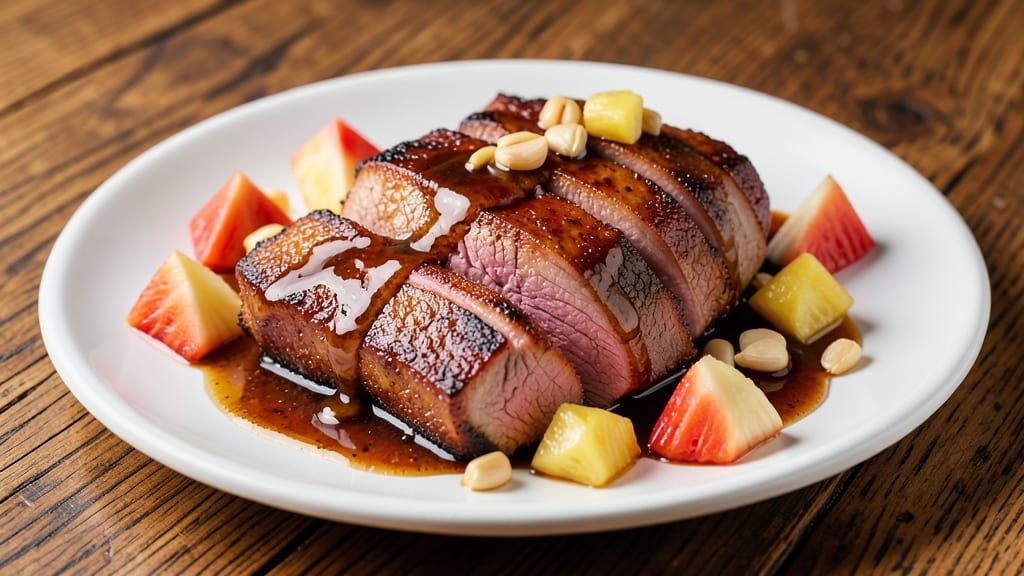
This best pork hamonado recipe with pineapple juice delivers the perfect balance of sweet, tangy, and savory flavors that make every bite unforgettable. 🌟 The key lies in the marinade—pineapple juice tenderizes the meat while creating a caramelized crust that seals in juices.
I've perfected this Filipino classic over years of testing, ensuring the glaze achieves that signature deep brown color without burning.
The secret to success is patience—letting the pork simmer low and slow in its own juices while the pineapple mixture reduces into a sticky, aromatic sauce. This method transforms tougher cuts into melt-in-your-mouth perfection, with edges that caramelize beautifully.
The result is a dish that's rich, flavorful, and complex enough to impress even the most discerning palates.
What you'll end up with is tender, juicy pork that practically falls apart when sliced, coated in a glossy glaze that's sweet yet balanced by the tang of vinegar and the depth of soy sauce.
The aroma alone will have everyone gathering around the table, and the first bite delivers that perfect harmony of flavors that defines hamonado.
Serve this dish with steamed rice to soak up every last drop of that delicious glaze, or pair it with atchara for a traditional Filipino meal. The versatility of this recipe makes it perfect for family dinners or special occasions—just be prepared for requests to make it again and again.
Ingredients for best pork hamonado recipe with pineapple juice
Sweet pineapple, tangy vinegar, and savory soy create the perfect caramelized pork glaze you'll crave.
| Ingredient | Amount | Notes |
|---|---|---|
| Pork Shoulder (Boston Butt) 🍖 | 3 lb | Cut into 2-inch chunks, bone-in preferred |
| Pineapple Juice 🍍 | 1 ½ cups | Freshly squeezed, no pulp |
| Soy Sauce 🥫 | ½ cup | Light or regular, not low-sodium |
| White Vinegar 💧 | ½ cup | Distilled white preferred |
| Brown Sugar 🍚 | ½ cup | Packed, not granulated |
| Garlic Cloves 🧄 | 8 cloves | Minced, fresh preferred |
| Black Peppercorns 🌶️ | 1 tsp | Freshly cracked, not ground |
| Bay Leaves 🌿 | 2 whole | Dried, standard size |
| Olive Oil 🫒 | 2 tbsp | Extra-virgin for richness |
| Salt 🧂 | 1 ½ tsp | Kosher or sea salt |
| Water 💧 | 1 cup | For simmering, room temperature |
| Fresh Ginger 🌿 | 1 inch | Peeled, thinly sliced |
The pork cut matters—Boston butt gives the best texture, but pork shoulder works too. Look for cuts with good marbling at Filipino markets or the butcher counter. If buying pre-cut, ask for 2-inch chunks—smaller pieces cook faster but may dry out. Pineapple juice is non-negotiable here; canned juice lacks the depth of freshly squeezed. For the best flavor, use golden pineapples if you're squeezing your own. The soy sauce should be light or regular, not the reduced-sodium kind—we need that umami punch.
No pineapple juice? Fresh pineapple blended and strained works, but it'll be thicker. Substituting with apple juice dilutes the flavor—stick with pineapple if possible. The brown sugar can be swapped for white sugar plus 1 tsp molasses for depth, but don't use honey (it burns too easily). Fresh ginger is ideal, but if you only have ground, reduce to 1/2 tsp. For extra caramelization, add 1 tbsp cornstarch to the glaze mixture. The pork should be room temperature before cooking—takes 30 minutes in the fridge if it's cold straight from the package.
This dish tastes even better the next day as the flavors meld. Store leftovers in an airtight container for up to 5 days, or freeze for 3 months. For reheating, use low heat with a splash of water to prevent drying. The glaze thickens as it cools, so add 1-2 tbsp water when reheating if it's too stiff. Double the recipe—it disappears fast! I always make extra for sandwiches the next day. The glaze also freezes beautifully for future meals.
Why You'll Love This Recipe
- Fewer Pans, More Flavor: I swear by this recipe because it’s all about that one-pot magic. Toss the pork in pineapple juice, soy sauce, and vinegar—no extra bowls, no mess—just let it simmer until the meat falls apart. Honestly, the cleanup is so minimal I’ll often leave the pot soaking overnight just to avoid scrubbing.
- Sweet-Savory Magic: That combo of brown sugar and pineapple juice? It’s the secret weapon. The vinegar cuts through the richness of the pork while the sweetness caramelizes into a glossy, sticky glaze that makes every bite addictive. (Yes, even on a Tuesday night.)
- Leftovers That Beg for Seconds: This dish tastes even better the next day—if it lasts that long. The flavors meld into something richer, and reheating it is a breeze. I’ll often make a double batch because my family will devour it straight up, in sandwiches, or over rice.
- Budget Meal for Crowds: Pork shoulder is affordable, and this recipe stretches it far. A single cut feeds six, with leftovers that don’t feel like leftovers. Between us, it’s my go-to for potlucks or lazy Sundays when I need to feed everyone without breaking the bank.
Step-by-step instructions for sweet-tangy pork hamonado
This method delivers melt-in-your-mouth pork with a caramelized crust and perfect balance of sweet, tangy, and savory flavors.
🔥 Step 1: Sear the Pork for Maximum Flavor
Heat a large Dutch oven over medium-high heat until hot. Add the 2 tbsp olive oil and swirl to coat the bottom. Working in batches, add the 3 lb pork shoulder cut into 2-inch chunks (bone-in preferred) and sear for 3-4 minutes per side until deep golden brown. I press down gently on each piece during the first minute—this prevents curling and ensures even contact with the pan.
As you sear, you'll smell that incredible aroma of caramelizing meat. Don't crowd the pan or the temperature will drop. Transfer the browned pork to a plate as you work through all the pieces. The goal here is maximum flavor extraction through that initial Maillard reaction—this is what builds the foundation for our amazing glaze.
🍳 Step 2: Build the Sweet-Tangy Marinade
In the same Dutch oven, reduce heat to medium and add the 8 cloves minced garlic, 1 inch peeled and thinly sliced fresh ginger, and 2 whole bay leaves. Cook for 1 minute until fragrant—you should smell that bright garlic-ginger aroma wafting through your kitchen.
Pour in the 1.5 cups pineapple juice, 0.5 cup soy sauce, 0.5 cup white vinegar, and 0.5 cup packed brown sugar. Stir to deglaze the pan, scraping up all those delicious browned bits from the pork. The mixture will bubble vigorously—let it reduce for 2-3 minutes until slightly thickened. This reduction concentrates the flavors that will later caramelize beautifully on our pork.
🥘 Step 3: Simmer Until Fork-Tender
Return all the pork to the Dutch oven and add 1 cup water. Sprinkle with the 1.5 tsp salt and 1 tsp freshly cracked black peppercorns. Bring to a simmer, then reduce heat to low and cover partially. Simmer for 2.5-3 hours until the pork is fork-tender—you should be able to pierce it easily with minimal resistance.
Here's where the magic happens: the pork will absorb all those sweet-tangy flavors while the liquid reduces down to a glossy, caramelized glaze. I check the liquid level every 30 minutes, adding 2-3 tablespoons water if it gets too dry. The pork should be swimming in about 1 cup of reduced sauce by the end. This ensures we get that perfect balance of tender meat and sticky glaze.
⏰ Step 4: Caramelize for Perfect Edges
Once the pork is tender, increase heat to medium-high and uncover the pot. Let the liquid reduce uncovered for 10-15 minutes until it coats the back of a spoon and forms a thick, syrupy consistency. You're looking for that glossy, caramelized look where the sauce pulls away from the sides of the pot slightly.
This final reduction step is CRITICAL for that restaurant-quality finish. The sauce should coat the pork beautifully, creating those coveted caramelized edges. If it reduces too quickly, add 1 tablespoon water at a time until you reach the right consistency. The pork should be completely submerged in this glorious sauce—this ensures every bite is packed with flavor.
🍽️ Step 5: Rest and Serve with Style
Transfer the pork and sauce to a serving platter. Let it rest for 10 minutes before serving—this allows the juices to redistribute throughout the meat. I know it's tempting to dig in immediately, but trust me on this step. The pork will be even more tender and juicy after resting.
Serve the pork hamonado with the caramelized sauce spooned generously over each portion. The contrast of tender, juicy pork with that sweet-tangy glaze is absolutely incredible. For extra presentation, garnish with fresh pineapple chunks or a sprinkle of chopped cilantro. This dish pairs perfectly with steamed jasmine rice or crusty bread to soak up all that delicious sauce!
Pro Tips For Making Best Pork Hamonado Recipe With Pineapple Juice
- Sear First, Then Braise: Get that pork shoulder screaming hot in a dry skillet before adding liquids—cast iron or stainless steel works best. I used to skip this, and the final dish tasted like it was missing something; now it’s the thing that makes the hamonado’s sweet-savory glaze actually stick to the meat.
- Reduce Vinegar Aggressively: Don’t just dump white vinegar into the braising liquid—simmer it first until it’s cut in half. The raw acidity can make the pineapple juice taste harsh, and you’ll end up with a dish that’s more vinegary than balanced. Trust me, your taste buds will notice the difference.
- Skip the Crowding: If you’re using a Dutch oven, resist the urge to pile everything in at once. Layer the pork shoulder in first, then add the pineapple juice and soy sauce after it’s submerged. I learned this the hard way when my first batch turned out unevenly cooked—some parts boiling, others barely simmering.
- Save the Pineapple Juice: Use fresh pineapple juice if you can, but if you’re using canned, strain out the pulp—it burns easily and can turn the glaze bitter. I keep a small stash of frozen pineapple chunks in the freezer just for this; blend, strain, and you’ve got a shortcut that still tastes like it came from a jar.
Serving suggestions for this recipe
Rice Pairings
Steamed jasmine rice is my go-to pairing—its delicate floral aroma complements the pork's rich, caramelized sweetness without overpowering it. Cook 1.5 cups of rice for 6 servings using a 1:1.5 rice-to-water ratio, and let it rest covered for 10 minutes after cooking.
The slightly sticky texture soaks up the glaze beautifully, creating each bite's perfect harmony. 🍚
Traditional Filipino Sides
For an authentic Filipino spread, serve with atchara (pickled papaya) for tangy contrast. I make mine with 2 cups shredded papaya, ½ cup vinegar, 1 tbsp sugar, and 1 tsp mustard seeds, letting it pickle for 24 hours.
The bright acidity cuts through the pork's richness, balancing every flavor. Another classic is ginataang gulay (shrimp paste vegetables)—simmer 2 cups mixed veggies (eggplant, string beans, and okra) with 1 tbsp shrimp paste and 1 cup coconut milk for 20 minutes.
Bread Alternatives
Crusty Filipino pandesal (sweet bread rolls) or garlic bread make fantastic accompaniments. For pandesal, buy pre-made from an Asian market—their buttery, slightly sweet crust contrasts perfectly with the pork's tangy glaze.
If making garlic bread, brush 2 tbsp melted butter with 3 minced garlic cloves and 1 tsp parsley onto a baguette, then toast until golden. The garlic's aroma enhances the pork's savory depth while providing a sturdy vehicle for the sauce.
Vegetable Contrasts
Add sautéed bok choy or blanched green beans to round out the meal. For bok choy, stir-fry 4 cups chopped leaves with 1 tbsp sesame oil and 1 minced garlic clove for 3 minutes—the slight bitterness tempers the pork's sweetness.
Green beans should be blanched for 2 minutes, then shocked in ice water before tossing with 1 tbsp toasted sesame seeds and a squeeze of lemon. Both add freshness and color to the plate.
Dessert Pairings
End the meal with halo-halo (mixed shaved ice dessert) or leche flan to balance the richness. For halo-halo, layer crushed ice with sweetened beans, jackfruit, ube halaya, leche flan cubes, and evaporated milk. The cool, creamy contrast cleanses the palate after the pork's bold flavors.
Leche flan's caramelized top and silky custard provide a smooth, sweet finish that lingers. I often make a small batch of flan using 2 cans condensed milk, 1.5 cups evaporated milk, and 1 tsp vanilla extract, baked in a water bath for 1 hour.
Nutrition facts
Frequently asked questions
Why does this recipe use pineapple juice instead of fresh pineapple?
The pineapple juice creates a smoother, more concentrated marinade that reduces beautifully into a glossy glaze. Fresh pineapple would add pulp that could make the sauce too thick or watery. For that same bright flavor, we need the juice's acidity and natural sweetness without the fiber. Plus, it's easier to measure precisely for consistent results every time!
Can I substitute regular sugar for brown sugar?
You can, but brown sugar adds that deeper caramel flavor and moisture that helps create the signature crust. If substituting, use ½ cup white sugar plus 1 tsp molasses for the best color and texture. The molasses mimics the caramelization you'd get from brown sugar. For a quick fix, white sugar works but the glaze may be slightly lighter in color.
How do I prevent the pork from drying out during cooking?
Keep the pork partially covered during simmering and check the liquid level every 30 minutes, adding 2-3 tbsp water if it gets too dry. The key is low and slow cooking—2.5-3 hours on low heat ensures tender meat. Also, searing first creates a flavorful barrier that helps lock in juices. Never skip the 10-minute rest before serving!
Can I make this recipe in a slow cooker?
Brown the pork first, then transfer everything to a slow cooker and cook on low for 6-7 hours or high for 4-5 hours. The slow cooker's gentle heat works perfectly for tenderizing the meat. Just reduce the final sauce on the stovetop to achieve that caramelized texture. The slow cooker method is ideal for busy days—just set it and forget it!
What's the best way to reheat leftovers?
Reheat in a skillet with 1-2 tbsp water over low heat until warmed through. The moisture prevents drying. Microwave reheating works too—just cover with a damp paper towel and heat in 30-second intervals, stirring between each. Leftovers taste even better the next day as flavors meld further! Store in an airtight container for up to 5 days.