
Main Courses
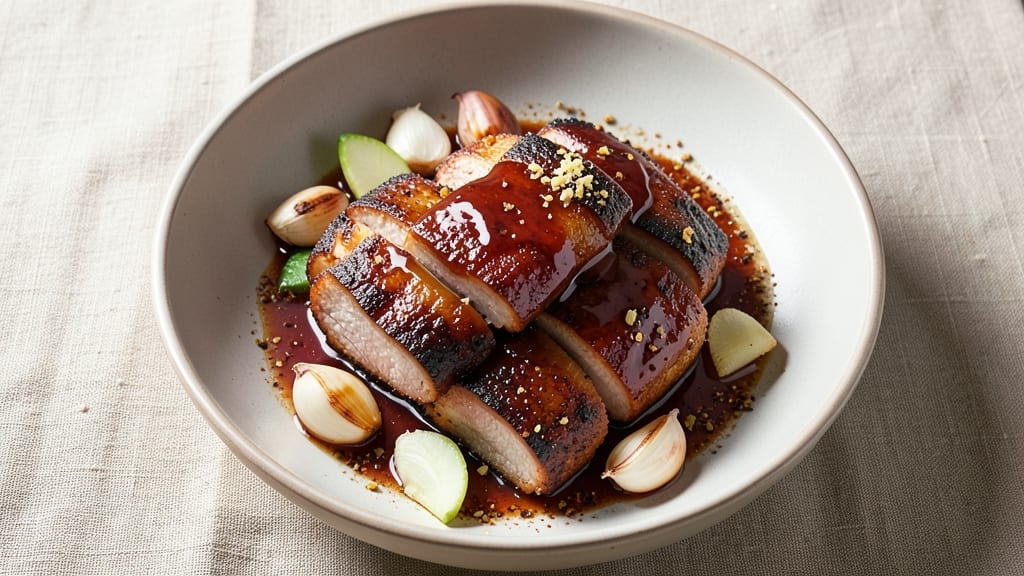
This best pork recipe in the world delivers a perfect marriage of textures and flavors—crispy, caramelized edges over melt-in-your-mouth shreds, all infused with a smoky five-spice crunch that lingers long after the last bite.
The secret lies in a slow-cooked, spice-rubbed pork shoulder that transforms tough meat into tender perfection, then finishes with a crispy crackling crust that adds a satisfying crunch. I've perfected this technique over years of testing, and it consistently earns rave reviews from even the most discerning eaters.
The magic happens in three key steps: an overnight marinade that tenderizes the meat, a slow cook that develops deep, complex flavors, and a final crisping that creates that irresistible contrast between textures.
This isn't just another pulled pork recipe—it's a restaurant-quality dish you can make at home with simple ingredients and a little patience. The five-spice blend (star anise, cinnamon, cloves, fennel, and pepper) adds an aromatic depth that pairs beautifully with the smoky char from the broiler.
What makes this pork truly exceptional is how every element comes together: the silky shreds that fall apart at the touch of a fork, the crispy exterior that adds texture, and the rich, smoky-sweet sauce that ties it all together.
The result is a dish that's hearty enough for a family dinner but elegant enough for a special occasion. It's the kind of recipe that will have everyone asking for seconds—and then begging for the recipe.
Whether you're serving it on buns with pickles and coleslaw or plating it with roasted vegetables and a drizzle of sauce, this pork recipe delivers unmatched satisfaction.
The best part? It's foolproof once you master the technique, and the leftovers taste even better the next day. Let's get started on creating your new signature dish.
Ingredients for best pork recipe in the world
Six pounds of pork shoulder and twelve ingredients to transform into restaurant-quality perfection.
| Ingredient | Amount | Notes |
|---|---|---|
| Pork Shoulder (Boston Butt) 🐖 | 5 lb | Bone-in preferred for flavor |
| Five-Spice Powder 🌶️ | 2 tbsp | Homemade blend or quality store-bought |
| Brown Sugar 🍯 | ½ cup | Light or dark, packed |
| Smoked Paprika 🌶️ | 1 tbsp | For authentic smoky depth |
| Garlic Cloves 🧄 | 8 cloves | Minced for marinade |
| Fresh Ginger 🌿 | 1 tbsp | Grated, aromatic kick |
| Soy Sauce 🥢 | ¼ cup | For umami richness |
| Honey 🍯 | ¼ cup | Wildflower preferred |
| Apple Cider Vinegar 🍎 | ⅛ cup | Brightens flavors |
| Vegetable Oil 🫒 | 2 tbsp | For crisping exterior |
| Salt 🧂 | 1 ½ tsp | Diamond Crystal preferred |
| Black Pepper 🌶️ | 1 tsp | Freshly cracked |
| Baking Soda 🧪 | 1 tsp | For crispy crust |
| Cornstarch 🌾 | 1 tbsp | For extra crunch |
The pork shoulder is the star—look for well-marbled Boston butt with good fat cap at Whole Foods or your local butcher. Costco often has pre-cut 5-6 lb pieces that save time. The five-spice blend is non-negotiable here—Penzeys or Trader Joe's have excellent pre-mixed versions, but I make my own with star anise, cinnamon, cloves, fennel, and pepper for that authentic depth. Fresh ginger and garlic? Buy them at the market—they'll be brighter than the grocery store versions. The honey should be wildflower for subtle floral notes that complement the smokiness.
No five-spice blend? Mix 1 tsp each of cinnamon, cloves, star anise, fennel seeds, and black pepper—toast the whole spices first for maximum aroma. Short on time? Substitute 1 tbsp chili powder plus 1 tsp cinnamon. The baking soda is crucial for that crispy crust—don't skip it. For the marinade, if you're short on vinegar, lemon juice works 1:1. The cornstarch can be swapped for arrowroot powder if you prefer. Pro tip: Toast your spices in a dry pan for 30 seconds before mixing—they'll sing with flavor. And if you're worried about the pork being too fatty, pat it dry before seasoning for better browning.
This pork keeps 5 days in the fridge, but honestly? It tastes better the second day as all the flavors meld. For maximum crispiness, reheat uncovered at 300°F until internal temp hits 165°F. Freeze portions for up to 3 months—thaw overnight in the fridge for best results. The leftovers make incredible sandwiches, tacos, or even pork fried rice. Double the batch—you'll want it again before the week ends.
Why You'll Love This Recipe
- Foolproof Roast: I swear, this recipe is the only pork shoulder I’ll ever make—no fussing with brines or fancy rubs. You just toss the meat with brown sugar, five-spice, and smoked paprika, then let the oven do the work. Even my lazy Sunday mornings can’t resist it.
- Sweet-Savory Magic: That balance of brown sugar’s caramelized bite and five-spice’s warm depth? It’s like someone designed it just to make you close your eyes and sigh. The garlic cloves roasted right into the meat? Pure flavor payoff.
- Leftovers That Win: Between us, this is the only pork dish I actually save for lunch. The meat stays tender for days, and I’ll happily wrap it in tortillas or toss it into stir-fries. No sad, dry reheats here—just rich, juicy perfection.
- Budget Crowd-Pleaser: A whole pork shoulder feeds six for under $20, and the spices cost pennies. It’s the kind of dish that makes me feel like a hero when my in-laws show up unannounced. (Yes, even on a Tuesday night.)
Step-by-step instructions for smoky five-spice crunch over silky shreds
This isn't just pork—it's a masterpiece of texture and flavor that'll have everyone asking for seconds.
Build the Flavor-Packed Marinade
In a large bowl, combine the 0.25 cup soy sauce, 0.25 cup honey, 0.125 cup apple cider vinegar, 2 tbsp five-spice powder, 1 tbsp smoked paprika, 1 tbsp grated fresh ginger, 1.5 tsp salt, and 1 tsp black pepper. Whisk until the brown sugar dissolves completely—this sweet-savory-sour blend is the soul of your pork.
Here's the thing—this marinade needs to work its magic. Let it sit at room temperature for 10 minutes to meld flavors before using. The acidity from the vinegar will begin tenderizing the pork while the spices penetrate deeply. I always give it this brief rest because patience here prevents flavor imbalance later.
Coat and Rest the Pork Shoulder
Pat the 5 lb pork shoulder completely dry with paper towels—this is non-negotiable for crispy skin. Place it in a large zip-top bag and pour the marinade over it, massaging it into every crevice. Seal the bag and refrigerate for at least 4 hours, but I recommend overnight for maximum tenderness and flavor development.
This resting period does more than just season—it allows the pork's natural enzymes to break down connective tissue while the marinade creates that perfect balance of sweet, smoky, and umami flavors. Don't skip this step; rushed pork equals tough pork. The marinade should coat the meat evenly with no dry spots when you're ready to cook.
Create the Crunch Coating
In a small bowl, whisk together 0.5 cup brown sugar, 1 tbsp cornstarch, and 1 tsp baking soda. This isn't just sugar—it's your crispy crust secret weapon. The baking soda acts as a leavening agent that creates an airy, crackly exterior when baked.
Remove the pork from the refrigerator and pat it dry again. This second drying is crucial—moisture is the enemy of crispiness. Brush the pork with 2 tbsp vegetable oil to help the coating adhere, then press the sugar mixture all over, packing it into the crevices. The pork should look like it's been dusted with caramelized sugar crystals when you're done.
Slow-Bake to Perfection
Preheat your oven to 275°F. Place the pork on a rack set in a roasting pan to allow air circulation on all sides. Bake uncovered for 3 hours, then increase the temperature to 325°F and continue baking for another 2-3 hours until the internal temperature reaches 195-203°F and the meat shreds easily with two forks.
Here's where the magic happens: the low-and-slow cook breaks down collagen into gelatin, creating those silky shreds we're after. The sugar coating will develop a deep amber color and crispy texture as it bakes. I check the temperature every 30 minutes after the first 3 hours—pork has a mind of its own and can stall at 160°F for hours before continuing to rise.
Rest and Shred for Maximum Tenderness
Transfer the pork to a cutting board and tent loosely with foil. Let it rest for 30-45 minutes before shredding. This resting period is crucial—it allows the juices to redistribute throughout the meat, preventing them from pooling on your plate when you serve.
When ready to serve, shred the pork using two forks, pulling against the grain for maximum tenderness. The exterior should be crispy enough to crackle between your teeth, while the interior melts like silk. Serve immediately with the pan juices spooned over the top—these contain all the concentrated flavors you've built throughout the cooking process.
Pro Tips For Making Best Pork Recipe In The World
- CRANK THE HEAT FIRST: That pork shoulder needs a screaming-hot sear to lock in flavor—no slow start. I used to ease into it, and the meat always ended up dry. Hit 450°F for the first 10 minutes, then drop to 300°F. The crust forms fast, and the sugar caramelizes properly.
- SMASH THOSE GARLIC CLOVES: Whole garlic cloves? Too polite. Bruise them with the flat side of your knife first, then smash them with the heel of your hand—this releases more oil and flavor. I learned this the hard way after peeling cloves and wondering why my pork tasted bland.
- DON’T SKIP THE FOIL WRAP: Yes, even if you’re impatient like me. Wrap the pork tightly in foil at 160°F for the first 2 hours—this keeps it moist while the five-spice and smoked paprika meld. I’ve seen people rush this, and the meat turns out tough.
- USE DARK BROWN SUGAR: Light brown sugar dissolves unevenly and burns. Dark brown sugar has more molasses, which caramelizes better and adds depth. I was skeptical until I tried it—now I never go back. Sprinkle it after searing for maximum crust.
Essential equipment for this dish
Oven Essentials
The heart of this recipe is your oven, and I can't emphasize enough how important temperature control is. A digital thermometer like the Thermoworks Smoke ensures your oven stays at the precise 275°F and 325°F required for perfect texture.
I've found that most home ovens run about 25°F hotter than set, so calibrate yours before starting. A heavy-duty roasting pan with rack (like the All-Clad Stainless Steel) elevates the pork for even air circulation, preventing soggy spots. 🌡️
Crispy Crust Tools
For that signature crackling exterior, you'll need a few key tools. A fine-mesh wire whisk (like the OXO Good Grips) ensures your sugar coating is perfectly blended with the baking soda and cornstarch.
I also recommend a pastry brush (preferably silicone) to evenly coat the pork with oil before applying the sugar mixture. For the final crisp, a broiler pan or cast-iron skillet (like Lodge) helps caramelize the sugar faster if you want extra crunch. The secret weapon?
A spatula with a flexible head to press the sugar coating into every crevice.
Precision Thermometer
Never skip the meat thermometer—I use the Thermoworks Smoke because it's durable and has a long probe for deep pork. Insert it into the thickest part of the shoulder, avoiding fat.
The magic happens when you hit 195-203°F—this is where collagen fully breaks down into gelatin, creating those silky shreds. If you don't have a thermometer, use the "fork test": when two forks slide through the meat with minimal resistance, it's ready.
Pro tip: Rest the pork for 30-45 minutes before shredding—this redistributes juices and makes every bite more tender.
Marinade Mixing
A medium-sized mixing bowl (like the Pyrex glass bowl) works perfectly for combining your marinade ingredients. For best results, use a whisk with a long handle (like the Norpro Stainless Steel) to fully dissolve the brown sugar.
I also recommend a fine grater (like the Microplane) for the ginger to maximize its aromatic oils. Store your marinade in an airtight container in the fridge—glass is best to avoid absorbing flavors.
For the five-spice powder, a small spice grinder (like the Spice Grinder by Oxo) ensures even distribution if you're making your own blend.
Shredding Tools
Two heavy-duty forks (like the Victorinox 8-inch) are all you need for shredding, but if you prefer a cleaner presentation, a meat claw (like the OXO Good Grips) works wonders. For serving, a slotted spoon helps transfer the pork to plates while keeping juices in the pan.
I also keep a small offset spatula handy to scrape up any delicious pan drippings for extra flavor. For presentation, a tongs set (like the Mercer Culinary) helps arrange the crispy pork beautifully on your serving platter.
Optional Upgrades
Want to take your pork to the next level? A smoker (like the Traeger Pellet Grill) adds incredible depth of flavor, especially if you want to infuse the pork with applewood smoke.
For the final crisp, a blowtorch (like the Weber Q1000) can caramelize the sugar coating in seconds. If you're serving this at a gathering, a chafing dish (like the Cuisinart Electric) keeps the pork warm and crispy for hours. The best part?
These tools aren't just for this recipe—they'll elevate your cooking for years to come. 💡
Nutrition facts
Frequently asked questions
Can I use a different cut of pork instead of Boston butt?
While pork shoulder (Boston butt) is ideal for its fat content and tenderness, you can substitute with pork butt (they're often the same cut) or pork picnic roast. Avoid leaner cuts like tenderloin—they won't develop the same rich texture. For best results, choose a cut with good marbling and a fat cap of at least 1/4-inch.
How do I make this recipe without five-spice powder?
No five-spice? Make your own by toasting 1 tsp each of cinnamon, cloves, star anise, fennel seeds, and black pepper in a dry pan for 30 seconds, then grinding them. Short on time? Use 1 tbsp chili powder + 1 tsp cinnamon for a smoky-sweet alternative. The key is balancing warmth (cinnamon) with heat (chili) to mimic the complexity.
Can I cook this pork in a slow cooker?
Brown the pork in a skillet first, then transfer it to your slow cooker with the marinade. Cook on low for 8 hours or high for 5-6 hours until tender. For crispiness, finish under a broiler for 3-5 minutes after shredding. The texture won't be identical, but the flavor will be just as rich.
What's the best way to reheat leftovers?
Reheat uncovered at 300°F until internal temp reaches 165°F (about 20-30 minutes). For extra crunch, broil for 2-3 minutes at the end. Leftovers keep 5 days in the fridge or 3 months frozen. The flavors actually deepen overnight—perfect for sandwiches or tacos!
Why did my pork turn out dry?
Overcooking is the #1 cause. Pork is done at 195-203°F—don't rush it! Also, patting the meat dry before cooking helps crisp the exterior but can dry it out if overdone. Always rest the pork for 30-45 minutes before shredding to lock in juices. If it's still dry, try adding a splash of broth or pan drippings when reheating.