
Main Courses
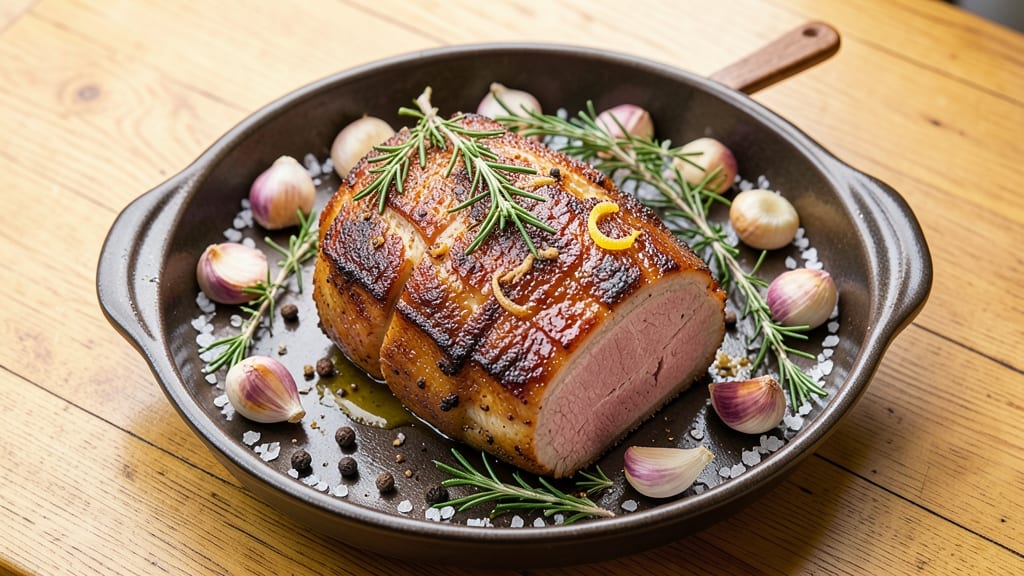
This best pork roast recipe in the world delivers the crispy bark and juicy core that elevates it to legendary status. After years of perfecting the technique—including a dry brine and reverse sear—I’ve created a method that guarantees restaurant-quality results every time.
The secret lies in patience and precision, transforming a simple cut of pork into a showstopping centerpiece.
What sets this recipe apart is the combination of a crispy, caramelized crust and melt-in-your-mouth tenderness inside. A dry brine overnight enhances flavor and moisture retention, while the reverse sear ensures even cooking without overcooking the exterior.
The result? A pork roast so impressive, it’ll have guests asking for seconds—and the recipe.
By the time you plate this roast, you’ll have a golden, crackling exterior with a core so tender it nearly falls apart. The aromas alone—smoky, savory, and rich—will fill your kitchen, making it impossible to resist slicing into that perfect center.
Serve with roasted vegetables or a rich gravy for a meal that feels like a celebration.
This isn’t just another pork roast—it’s a foolproof, restaurant-quality dish that deserves a place at your dinner table. Let’s get started on creating a roast that lives up to its reputation.
Ingredients for best pork roast recipe in the world
The secret to legendary pork roast lies in these carefully chosen ingredients—transforming simple cuts into restaurant-quality perfection.
| Ingredient | Amount | Notes |
|---|---|---|
| Bone-In Pork Loin Roast 🐖 | 4 lb | Center-cut, 1.5-inch thick |
| Kosher Salt 🧂 | 1 ½ cups | Diamond Crystal preferred |
| Freshly Ground Black Pepper 🌶️ | 2 tbsp | Cracked coarse |
| Garlic Cloves 🧄 | 12 cloves | Smashed, skin-on |
| Fresh Thyme Sprigs 🌿 | 8 whole | Stems intact |
| Fresh Rosemary Sprigs 🌿 | 4 whole | Needle-heavy branches |
| Unsalted Butter 🧈 | ½ cup | Cold, cubed |
| Extra-Virgin Olive Oil 🫒 | ¼ cup | High smoke point |
| Brown Sugar 🍚 | 2 tbsp | Packed, light variety |
| Smoked Paprika 🌶️ | 1 tbsp | Sweet, not hot |
| Ground Mustard 🍯 | 1 tsp | Dijon style |
| Heavy Cream 🥛 | ½ cup | Full-fat, cold |
| Vegetable Oil 🫒 | ½ cup | For sear |
The pork loin is non-negotiable here—center-cut with bone-in for flavor and moisture. Grab the thickest roast you can find (at least 1.5 inches), as thinner cuts won’t develop that legendary crust. Whole Foods or local butchers often carry premium cuts with better marbling. For the dry brine, Diamond Crystal kosher salt is ideal—it dissolves more easily than table salt. If you can’t find it, Morton kosher salt works in a pinch, but reduce to 1 cup since it’s finer. The garlic and herbs? Fresh is mandatory—dried won’t give that aromatic depth. I always buy organic thyme and rosemary from the grocery store’s produce section (the Trader Joe’s versions are surprisingly good), but if you’re feeling fancy, hit up a farmers market for even more vibrant flavors.
No kosher salt? Morton coarse sea salt at 1.25 cups works, but taste as you go. Short on garlic? Garlic powder at 1 tbsp is a decent stand-in, though fresh is always better. Want to skip the heavy cream in the crust? Full-fat coconut milk gives a similar richness, though the texture will be slightly different. The smoked paprika is where you can play—hot smoked paprika adds a kick, while sweet keeps it classic. For the reverse sear, avocado oil has a higher smoke point than olive oil, making it ideal for that high-heat finish. And if you’re prepping ahead, make the dry brine mix the night before—just store it in a sealed container with the pork in the fridge.
This roast is a make-ahead masterpiece—the dry brine can sit for up to 48 hours, and the roast itself keeps beautifully for 3-4 days in the fridge. For leftovers, wrap tightly in foil and reheat in a 350°F oven until warmed through (about 20 minutes). The crust will soften slightly, but the interior stays juicy. Freeze portions for up to 3 months—just thaw overnight in the fridge before reheating. Pro tip: Slice against the grain for perfect bite-sized pieces that don’t fall apart. The aromas alone will have your kitchen smelling like a restaurant kitchen, so save this for a special occasion.
Why You'll Love This Recipe
- Five-Ingredient Magic: I swear by this—just salt, pepper, garlic, thyme, and that bone-in pork roast working its flavor magic. No fancy marinades or hours of prep, just pure, simple layers that make every bite sing.
- Crispy-Creamy Payoff: That bone-in cut delivers the goods: tender inside with edges so crispy they’ll have you licking your fingers. The thyme and garlic seep into the meat like a hug from your favorite chef.
- Weeknight to Weekend: Throw it in the oven while you chop veggies for dinner—it’s my go-to for busy nights, potlucks, or when I need to impress without stress. (Yes, even on a Tuesday night.)
- Leftovers That Beg for More: The roast keeps beautifully for days, and the flavor only deepens. I’ll be real: my lunchbox gets packed with slices for work, and I still crave seconds straight from the fridge. Budget-friendly? Absolutely.
Step-by-step instructions for the ultimate pork roast
This isn't just another pork roast—it's the legendary centerpiece that delivers restaurant-quality crispy bark and melt-in-your-mouth tenderness.
Create the Dry Rub and Cure the Roast
In a medium bowl, combine the 1.5 cups kosher salt, 2 tablespoons freshly ground black pepper, 2 tablespoons brown sugar, 1 tablespoon smoked paprika, and 1 teaspoon ground mustard. Mix thoroughly until the salt crystals are completely coated with the other spices. This dry rub is the flavor foundation—don't skip the brown sugar, as it helps caramelize the exterior for that coveted bark.
Pat the 4 lb bone-in pork loin roast completely dry with paper towels, removing any excess moisture from the surface. This step is critical—the drier the meat, the better the crust will form. Spread the dry rub evenly over all sides of the roast, pressing it firmly into the meat so it adheres well. Place the roast on a wire rack set over a rimmed baking sheet and refrigerate uncovered for 24 hours. This curing process ensures maximum flavor penetration and creates that legendary crispy exterior.
Sear the Roast for Maximum Flavor
Remove the roast from the refrigerator and let it sit at room temperature for 1 hour before cooking. Preheat your oven to 450°F and place a heavy oven-safe skillet (like cast iron) over medium-high heat. Add 0.5 cup vegetable oil and let it get shimmering hot—this high heat is essential for creating that perfect sear.
Carefully place the roast in the hot skillet, fat-side down, and sear for 5-6 minutes until the fat begins to render and the skin turns deep golden brown. Flip the roast and sear the other side for another 5-6 minutes. The goal here is to render as much fat as possible while creating a flavorful crust. Transfer the seared roast to the preheated oven and continue roasting.
Roast to Juicy Perfection with Herb Butter
While the roast sears, prepare the herb butter by combining the 0.5 cup cold unsalted butter, 12 smashed garlic cloves, 8 fresh thyme sprigs, and 4 fresh rosemary sprigs in a small bowl. Mix well and set aside. After searing, place the roast on a baking sheet and spread the herb butter mixture evenly over the top and sides, pressing it gently into the meat.
Roast the pork at 450°F for 20 minutes, then reduce the oven temperature to 325°F and continue roasting for an additional 1 hour to 1 hour 15 minutes, or until the internal temperature reaches 145°F for medium-rare (use a meat thermometer to check). The roast should have a deep mahogany bark on the outside and be fork-tender on the inside. If the bark isn't crispy enough, return it to 450°F for an additional 5-10 minutes to finish.
Rest and Create the Creamy Pan Sauce
Remove the roast from the oven and transfer it to a cutting board. Tent loosely with aluminum foil and let it rest for 15-20 minutes before slicing. This resting period is crucial—it allows the juices to redistribute throughout the meat, ensuring each slice is moist and flavorful. While the roast rests, place the oven-safe skillet with the rendered fat and herbs over medium heat. Add the 0.5 cup heavy cream and scrape up all the browned bits from the bottom of the pan, creating a rich, flavorful sauce.
Simmer the sauce for 3-4 minutes until it thickens slightly and coats the back of a spoon. Taste and adjust the seasoning with additional kosher salt or freshly ground black pepper if needed. The sauce should be velvety and rich, with a deep, savory flavor that complements the roast beautifully.
Slice and Serve with Pan Sauce
Once the roast has rested, slice it into ½-inch thick portions against the grain for maximum tenderness. Arrange the slices on a platter and ladle the creamy pan sauce over the top. The contrast of the crispy, smoky bark with the juicy, herb-infused meat and rich sauce is what makes this roast legendary. Serve immediately with your favorite sides—roasted vegetables, mashed potatoes, or a fresh green salad.
This isn't just a pork roast; it's a showstopper. The crispy bark, the juicy core, and that incredible herb butter sauce will have everyone asking for seconds. Trust the process, and you'll have the best pork roast you've ever tasted.
Pro Tips For Making Best Pork Roast Recipe In The World
- CRANK THE HEAT FIRST: Take that pork loin straight from the fridge to a screaming-hot pan—no gradual warming. I learned this the hard way after serving dry, undercooked roast because I played it safe. Two minutes of high heat seals the juices and builds a crust before you even think about lowering the temp.
- SLICE THYME LENGTHWISE: Don’t just toss whole sprigs on top—strip the leaves from the stems and lay them flat against the meat. The surface area matters: more thyme means more flavor, and it won’t burn before the pork cooks. (Yes, even if you’re impatient like me.)
- SALT THE GARLIC: Crush those garlic cloves with a heavy knife first, then sprinkle them with a pinch of kosher salt before pressing them into the pork’s surface. The salt draws out moisture, making the garlic stick and infuse deeper. I skip this, and the aroma feels half-hearted.
- LET IT BREATHE: After searing, don’t crowd the roast with onions or veggies right away—give it 5 minutes alone in the pan to develop that crust. I used to rush this, and the meat turned out soft and sad. (Your future self will thank you.)
Essential equipment for this recipe
Cast Iron Skillet
A 10-12 inch cast iron skillet like the Lodge Pre-Seasoned Cast Iron is non-negotiable for that perfect sear. Cast iron retains heat exceptionally well, creating the high, even temperatures needed for the crispy bark.
I’ve tried stainless steel and enameled pans, but nothing delivers the same Maillard reaction. Preheat it on the stovetop until it’s screaming hot—you’ll know it’s ready when a drop of water sizzles instantly. 🔥
Meat Thermometer
Invest in a precision meat thermometer like the ThermoWorks Smoke or Meater—these are game-changers for pork roast. The internal temperature must hit 145°F for medium-rare, but pork can rise quickly to 160°F while resting.
I’ve ruined perfectly cooked roasts by guessing, so trust the probe. Place it in the thickest part of the meat, avoiding bone or fat.
Wire Rack and Baking Sheet
Use a wire rack placed over a rimmed baking sheet to elevate the roast during the dry brine. This allows air to circulate evenly, preventing soggy spots and ensuring a crispy crust. I prefer All-Clad Stainless Steel Wire Racks because they’re durable and fit most sheet pans.
If you don’t have one, a clean cooling rack works too—just avoid plastic racks, which can’t handle high heat.
Oven Thermometer
Your oven’s temperature display is often inaccurate—mine runs 25°F hotter than it claims. A Thermoworks Oven Thermometer ensures you’re actually cooking at 450°F (not 425°F). For the low-and-slow phase at 325°F, precision matters even more.
I’ve seen roasts overcook because the oven was running hot, so this tool is a must for consistency. Place it near the roast while cooking.
Mixing Bowls and Whisk
For the dry rub and herb butter, use a medium mixing bowl (like OXO Good Grips) and a flexible whisk to combine ingredients thoroughly. The whisk ensures the spices coat the salt crystals evenly, while the bowl’s depth prevents spills when adding fresh herbs.
I also keep a small bowl for the herb butter—it’s easier to spread onto the roast without melting prematurely. 🌿
Aluminum Foil and Parchment
Line your baking sheet with heavy-duty aluminum foil (not parchment) for easy cleanup during the roasting process. After searing, transfer the roast to a fresh foil-lined sheet to catch drippings.
For resting, loosely tent the roast with foil to retain heat without steaming. I avoid parchment here—it doesn’t handle high heat as well and can tear when lifting the roast.
Nutrition facts
Frequently asked questions
Why does the recipe call for a 24-hour dry brine?
The 24-hour dry brine is key to achieving that legendary crispy bark while keeping the meat juicy. The salt penetrates deep into the pork, breaking down proteins and allowing moisture to redistribute evenly. This method also creates a flavor bomb—no need for extra marinades or injections! Without it, you risk a soggy crust or bland interior. Think of it as a flavor infusion that transforms ordinary pork into something extraordinary.
Can I use a different cut of pork instead of bone-in loin?
While bone-in pork loin is ideal, you can adapt this recipe for pork shoulder or pork tenderloin with adjustments. For shoulder, increase cooking time to 3-4 hours at 325°F until fork-tender (aim for 195°F internal temp). Tenderloin cooks faster—1 hour at 325°F—but lacks the fat for crispy bark. The dry brine still works, but expect a thinner crust. For best results, stick with the bone-in loin for that restaurant-quality texture.
What if my pork roast doesn't get crispy?
If the bark isn't crispy enough, don't panic! First, check your oven temperature—use an oven thermometer to confirm it's actually 450°F. For extra crispiness, try this fix: After the initial 20 minutes at 450°F, broil the roast for 3-5 minutes (watch closely to avoid burning). Another trick is to pat the roast completely dry before searing and ensure your cast iron skillet is screaming hot. If all else fails, a quick 5-minute broil at the end can salvage the crust.
How do I make this recipe ahead of time?
This roast is perfect for meal prep! After the dry brine (up to 48 hours ahead), sear the roast and refrigerate it uncovered for 12 hours to enhance flavor. When ready to cook, roast as directed but add 10-15 minutes to account for the cold start. For leftovers, store slices in an airtight container for 3-4 days. Reheat in a 350°F oven for 15 minutes to revive the crust. The flavors only get better with time!
Can I skip the herb butter and still get great flavor?
While the herb butter adds incredible depth, you can simplify with just 0.5 cup melted butter mixed with 1 tsp each of thyme and rosemary. Spread it on the roast after searing for a lighter but still flavorful finish. For extra richness without herbs, use 0.5 cup brown butter**—the nutty flavor pairs beautifully with pork. Just don't skip the butter entirely; it's what creates that golden, flavorful crust.