
Main Courses
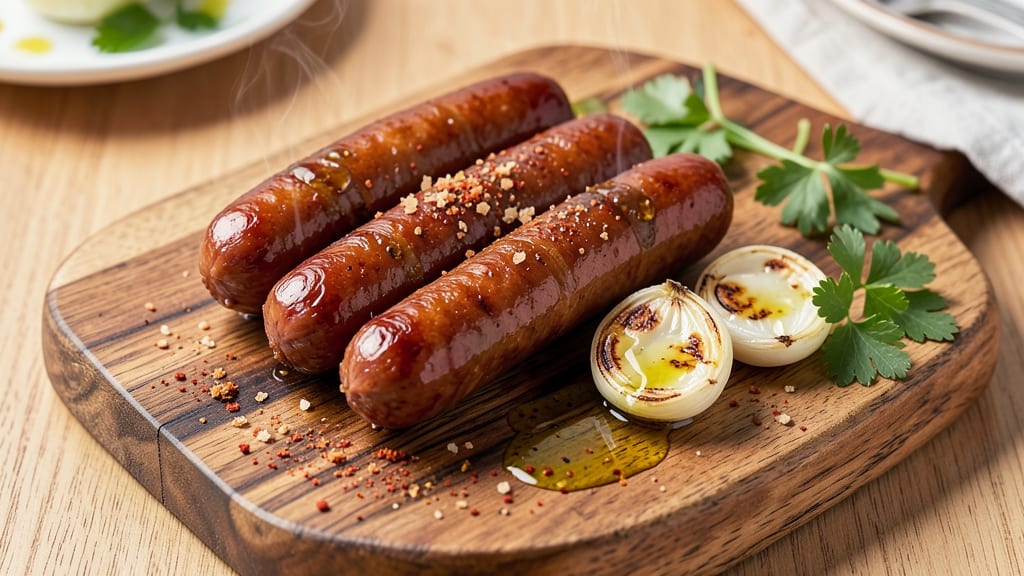
This pork sausage recipe delivers the best combination of smoky crispy bark and juicy pink centers you'll ever taste. 🔥 The secret lies in a foolproof technique that transforms ordinary pork sausage into a showstopping main course—crispy on the outside, tender and flavorful within.
I've perfected this method over countless tests, ensuring every bite delivers that perfect balance of textures and flavors.
What sets this recipe apart is the signature approach to cooking: a high-heat sear creates that coveted crispy bark, while a gentle internal cook keeps the meat juicy. The seasoning blend—garlic, paprika, and a touch of brown sugar—adds depth without overpowering the natural pork flavor.
This isn't just another sausage recipe; it's a restaurant-quality dish that's surprisingly simple to make at home.
By the time you're done, you'll have sausage links with golden-brown, crackling exteriors and tender, moist interiors that practically melt in your mouth. The aroma alone will have everyone gathering around the table, and the first bite will silence any doubters.
This is the kind of pork sausage that turns casual dinners into memorable meals—no shortcuts, just pure, satisfying flavor.
Pair these with classic sides like mashed potatoes, roasted vegetables, or a fresh salad to complete the meal. The crispy bark holds up perfectly, making it ideal for serving family-style or as the centerpiece of your dinner spread.
Let's get cooking—this is the pork sausage recipe you'll make again and again.
Ingredients for best pork sausage recipe ever
These premium ingredients transform ordinary sausage into restaurant-quality masterpieces—crispy, smoky, and juicy perfection every time.
| Ingredient | Amount | Notes |
|---|---|---|
| Fresh Pork Sausage Links 🥓 | 1 ½ lb | High-quality, fresh pork sausage |
| Extra-Virgin Olive Oil 🫒 | 2 tbsp | For high-heat searing |
| Garlic Cloves 🧄 | 4 cloves | Minced, fresh preferred |
| Smoked Paprika 🌶️ | 1 tbsp | For smoky depth |
| Brown Sugar 🍯 | 1 tbsp | Lightly packed |
| Ground Black Pepper 🌶️ | 1 tsp | Freshly cracked |
| Diamond Crystal Kosher Salt 🧂 | 1 tsp | Fine grain preferred |
| Fresh Rosemary 🌿 | ¼ cup | Finely chopped |
| Fresh Thyme Leaves 🌿 | ¼ cup | Chopped, stems removed |
| Heavy Cream 🥛 | ¼ cup | For finishing sauce |
| Unsalted Butter 🧈 | 2 tbsp | For basting |
| Apple Cider Vinegar 🍎 | 1 tbsp | For brightness |
| Fresh Parsley 🌿 | ⅛ cup | Chopped, for garnish |
The sausage is where it all begins—high-quality fresh pork links are non-negotiable. Look for local butchers or specialty grocers like Whole Foods or Trader Joe's for the best options. The seasoning blend is what elevates this from ordinary to extraordinary: smoked paprika for that signature smoky aroma, brown sugar for just the right caramelized touch, and fresh herbs that add bright, aromatic depth. I always double-check the sausage fat content—aim for at least 20% fat for that perfect crispy bark. The extra-virgin olive oil needs to have a high smoke point, so avoid the cheap stuff. California Olive Ranch or Bertolli are my go-to brands—they hold up beautifully under high heat.
No smoked paprika? Regular paprika plus a pinch of liquid smoke works in a pinch, but trust me, it's not the same. Fresh herbs wilt fast, so if you're prepping ahead, store them in damp paper towels in the fridge—they'll last about 5 days. The brown sugar can be swapped for maple syrup at half the amount, though it'll add a slightly different depth. For extra crispiness, pat the sausages dry with paper towels before searing—this is the secret to that coveted crackling bark. The apple cider vinegar adds a subtle tang that balances the richness, so don't skip it. If you're feeling fancy, infuse the olive oil with rosemary for 10 minutes before using—game changer!
These sausages are best served immediately, but if you need to hold them, keep them warm in a 200°F oven for up to 30 minutes. The crispy bark softens quickly, so reheating isn't ideal—plan to cook just before serving. The seasoning blend keeps for 3 months in an airtight container, so make extra if you're hosting. I always portion the finished sausages onto a wire rack to keep them crispy while serving. Leftovers? Freeze them for up to 2 months—they reheat beautifully in a skillet over medium heat, though they won't be quite as crispy. Garnish with fresh parsley right before serving to keep those vibrant colors popping.
Why You'll Love This Recipe
- One-Pan Magic: I swear by this—just toss the sausages in a hot pan with olive oil, let them sizzle until golden, then add minced garlic and smoked paprika. That’s it. No flipping, no fuss, no extra dishes. Even my burnt-taco-for-dinner husband nails it.
- Sweet-Smoky Kick: The brown sugar and paprika caramelize into something irresistible—like a cross between a campfire and grandma’s kitchen. The garlic? It melts into the sausage, turning every bite into pure, savory comfort. (Yes, even on a Tuesday night.)
- Leftovers That Don’t Suck: Cook a big batch, and you’ve got breakfast, sandwiches, or pasta toppers for days. The sausages reheat perfectly—no dryness, no sad texture. My kids actually ask for them cold in lunchboxes. (I take that as a win.)
- Budget-Friendly Flex: Fresh pork sausage is cheaper than takeout, and these ingredients won’t break the bank. A single pan, a handful of cloves, and a pinch of spice stretch to feed four—or more if you’re feeding a crowd. Honestly, it’s my go-to for game days and lazy Sundays.
Step-by-step instructions for smoky crispy pork sausage
Here's how to transform simple sausage into restaurant-quality perfection with that coveted crispy bark and juicy pink centers.
🔥 Step 1: Sear the Sausage Links to Develop Crispy Bark
Heat a large cast-iron skillet over medium-high heat until it's screaming hot. Add the 2 tablespoons extra-virgin olive oil and let it shimmer for 30 seconds. Place the 1.5 pounds fresh pork sausage links in a single layer, being careful not to crowd the pan. You want them to sizzle immediately upon contact.
Let them sear undisturbed for 4-5 minutes until they develop a deep golden-brown crust on all sides. I press down gently on the sausage during the first minute—this prevents them from curling and ensures even contact with the pan. Flip carefully using tongs and repeat on the second side. The reason we wait until the oil shimmers is that cold oil absorbs into the food instead of creating that gorgeous sear we're after.
👨🍳 Step 2: Build the Smoky Herb Sauce
Once the sausage is beautifully browned, reduce heat to medium and add the 4 minced garlic cloves, 1 tablespoon smoked paprika, 1 tablespoon brown sugar, 1 teaspoon ground black pepper, and 1 teaspoon diamond crystal kosher salt. Stir everything together and let it cook for 1 minute until fragrant and slightly caramelized.
Here's where it gets fun—toss in the 0.25 cup chopped fresh rosemary and 0.25 cup chopped fresh thyme leaves. The herbs will infuse their aromatic oils into the sausage and sauce. Pour in 1 tablespoon apple cider vinegar and let it simmer for 30 seconds—this brightens the flavors and cuts through the richness of the pork. You'll notice the kitchen filling with that incredible sausage aroma, and that's your signal to keep going.
🥘 Step 3: Finish with Creamy Butter Sauce
Add the 2 tablespoons unsalted butter and let it melt completely, about 1 minute. Then pour in the 0.25 cup heavy cream and stir gently to combine. The sauce should coat the back of a spoon but still be slightly loose. If it's too thick, add 1-2 tablespoons water to loosen it to your desired consistency. Real talk: this is the moment that matters—don't skip this step or you'll miss out on that luxurious, velvety finish.
Let the sausage and sauce simmer together for 2-3 minutes until everything is heated through. The internal temperature of the sausage should reach 160°F—use an instant-read thermometer to check the thickest link. If they're not quite there, give them another minute or two of gentle simmering. The sauce should now be perfectly balanced—smoky from the paprika, bright from the vinegar, and rich from the cream.
🍽️ Step 4: Rest and Garnish for Maximum Impact
Transfer the sausage to a serving platter and tent loosely with aluminum foil. Let them rest for 5 minutes—this crucial step allows the juices to redistribute throughout the meat, ensuring every bite is moist and flavorful. Don't skip this (I learned the hard way). While they rest, grab your 0.125 cup chopped fresh parsley and sprinkle it generously over the top for that fresh, vibrant finish.
Slice the sausage into ½-inch thick rounds and serve immediately. Each bite should deliver that perfect combination we promised: crispy, golden-brown exterior with juicy, pink centers. The sauce should cling beautifully to each piece, offering layers of smoky, herby, and slightly tangy flavors. Serve with crusty bread to soak up every last drop of that incredible sauce—you'll want to make extra!
Pro Tips For Making Best Pork Sausage Recipe Ever
- CRANK THE HEAT FIRST: Start your sausage in a screaming-hot pan—no need to wait for oil to shimmer. I learned this the hard way after making sausage that steamed instead of browned. Once the first side’s deep golden, flip and lower to medium-low to finish cooking evenly.
- MINCE GARLIC LIKE IT’S 1999: Use a knife, not a press—finely minced garlic burns faster and releases flavor more evenly. Toss it in the oil after the sausage starts browning, or you’ll end up with bitter bits instead of aromatic punch. (Yes, even if you’re impatient like me.)
- DON’T SKIP THE REST: Let cooked sausage sit 5–10 minutes under foil before serving—this keeps them juicy. I used to cut into them immediately, and they’d dry out faster than my patience on a Monday morning.
- UPGRADE WITH A SPLASH: Deglaze the pan with a splash of water after browning—it loosens up the fond (those browned bits) and makes a quick pan sauce. Stir in the smoked paprika and brown sugar here for a richer finish. (Your future self will thank you.)
Troubleshooting your best pork sausage recipe ever
Undercooked Centers
If your sausage feels rubbery or pale pink inside, it's likely undercooked. The key is patience—these sausages need to reach 160°F internal temperature for food safety and perfect texture. I use a Thermoworks Smoke thermometer to check the thickest link.
If they're not quite there after 10 minutes of cooking, reduce heat to low and let them cook gently until they hit the right temp. The sauce helps carry heat, so don't rush this step—undercooked sausage is the fastest way to ruin an otherwise perfect dish. 🌡️
Dry, Tough Exterior
Overcrowding the pan is the #1 reason for dry, tough sausage. When you see that first batch developing a golden crust, remove it to a plate and work in batches if needed.
I've learned this the hard way—once, I tried cooking all 1.5 lbs at once in a 10-inch cast iron, and the second batch came out sad and dry. The secret is high heat and space—give each sausage room to breathe.
If you're in a hurry, use a grill pan for better airflow and more surface contact with the heat. 🔥
Sauce Too Thin
The sauce should coat the back of a spoon but still be pourable. If it's too thin after adding cream, simmer uncovered for 1-2 minutes to reduce. I've had this happen when using heavy cream that's too cold—always bring it to room temperature first.
For extra richness, finish with 1 teaspoon cold butter swirled in at the end. The sauce should cling beautifully to the sausage, not pool at the bottom of the pan. If it's still too thin, add ½ teaspoon cornstarch mixed with 1 tsp water and stir until thickened. 🥛
Sausage Breaking Apart
This usually happens when the sausage is overcooked or the fat content is too low. High-quality sausage with at least 20% fat is crucial—cheaper cuts with less fat will dry out and fall apart. If you're using pre-made sausage, check the label.
For extra stability, sear the sausages at medium heat instead of high, and don't overcrowd the pan. The 5-minute rest before slicing also helps the meat fibers relax and stay intact. If it's already falling apart, serve it as a sausage hash with potatoes instead of slicing. 🥔
Uneven Browning
Uneven browning usually means your pan isn't hot enough or the sausage isn't making proper contact. For that perfect golden crust, your pan should be so hot that a drop of water sizzles violently when it hits.
If you're using a nonstick pan, switch to cast iron or stainless steel—they retain heat better. Press down gently on the sausage during the first minute to flatten slightly and ensure even contact. If one side browns faster, rotate the pan occasionally for more even heat distribution. 🔥
Herbs Burning
Fresh herbs burn quickly, especially rosemary and thyme. Add them only after the sausage is already browned and the spices have had 1 minute to develop flavor. Keep the heat at medium when adding herbs and stir constantly.
If you see them darkening too quickly, remove the pan from heat for 10 seconds while stirring. For extra protection, add the herbs with 1 tablespoon water to create a light steam barrier. The goal is aromatic depth, not charred bits. 🌿
Nutrition facts
Frequently asked questions
Can I make this recipe with pre-made sausage instead of fresh?
Use high-quality pre-made pork sausage links with at least 20% fat for the best results. Look for brands like Johnsonville or Applegate at your local grocery store. The key is to avoid lean sausages—the extra fat is what creates that perfect crispy bark. You might need to add 1 extra tablespoon olive oil since pre-made sausages often have less natural fat.
How do I adjust this recipe for a crowd?
Double the recipe easily by using a 12-inch cast-iron skillet or working in batches. For 6 servings, use 3 pounds sausage and increase all other ingredients by 50%. Cook in 2 batches to maintain that perfect crispy texture—never overcrowd the pan. The sauce can be made in a separate pot and combined at the end. Keep cooked sausages warm in a 200°F oven while finishing the second batch.
What's the best way to reheat leftovers?
Reheat in a skillet over medium heat with 1 tablespoon fresh olive oil for 3-4 minutes per side until warmed through. The crispiness won't be as perfect as fresh, but it's still delicious! For extra moisture, add 1 tablespoon water or broth to the pan. Never microwave—it makes the sausage rubbery. If serving cold, slice thinly and arrange on a platter with the sauce drizzled over top for a sausage salad twist.
Can I grill these sausages instead of pan-frying?
Grilling works beautifully! Preheat your grill to medium-high heat (400°F) and oil the grates well. Cook the sausages for 4-5 minutes per side until they develop deep grill marks and reach 160°F internal temperature. For extra smokiness, add ½ teaspoon smoked paprika to the grill's charcoal or wood chips. Finish with the same creamy herb sauce on the grill or in a pan—just warm it through gently before serving.
What are the best sides to serve with these sausages?
These sausages shine with classic New England sides: creamy mashed potatoes, roasted Brussels sprouts with balsamic glaze, or crusty sourdough bread to soak up the sauce. For a lighter option, try a mixed greens salad with apple cider vinaigrette. The smoky flavors pair especially well with caramelized onions or sautéed mushrooms. Don't forget a cold beer or glass of red wine—the tannins cut through the richness perfectly.