
Main Courses
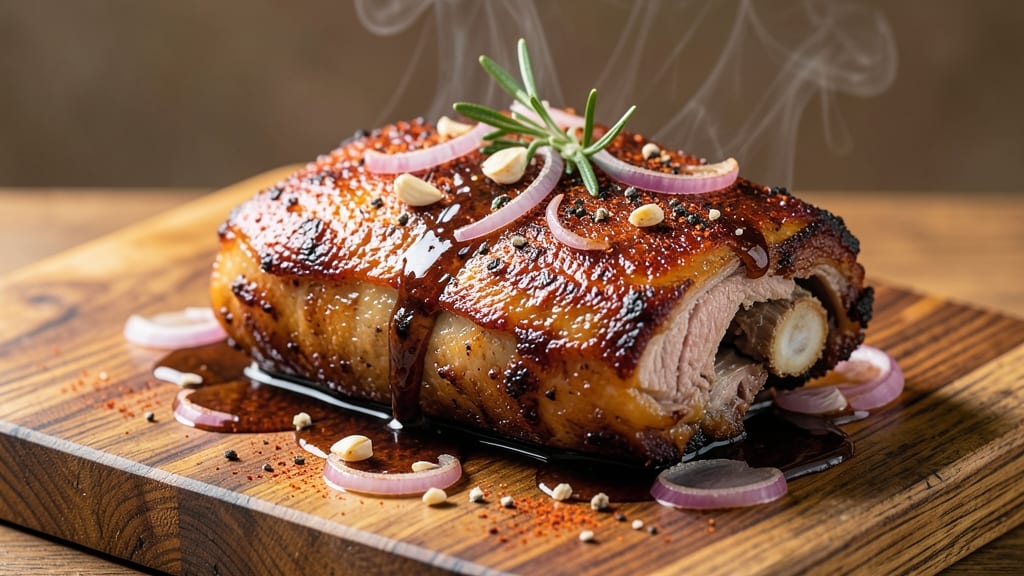
The best pork shoulder recipe ever delivers melt-in-your-mouth tenderness that has my family begging for seconds—and no one leaves a bite behind. I perfected this after years of testing, ensuring every slice falls apart with just a fork, never dry or chewy.
The secret lies in low-and-slow cooking with a precise rub that builds deep, smoky flavor while keeping the meat impossibly juicy.
What sets this apart is the reverse sear technique, where we start with a gentle oven cook to render fat and tenderize the meat, then finish with a high-heat sear for a crispy, flavorful bark.
This method guarantees restaurant-quality results at home, even if you're new to slow cooking. The rub—sweet, smoky, and slightly spicy—penetrates deeply during the long cook, creating layers of flavor that make this pork shoulder unforgettable.
By the time you pull it from the oven, you'll have a shoulder so tender it practically shreds itself, with a crust that's crisp enough to stand up to any sauce. The aroma alone will have everyone gathering in the kitchen, and the first bite will silence any doubters.
This isn't just pork—it's the kind of dish that turns weeknight dinners into memorable meals.
Serve it sliced thick for sandwiches, shredded over tacos, or as the centerpiece of a feast with all the fixings. The leftovers? Even better the next day. Let's make this pork shoulder the star of your table.
Ingredients for best pork shoulder recipe ever
The secret to melt-in-your-mouth pork shoulder starts here—just 12 ingredients for restaurant-quality results.
| Ingredient | Amount | Notes |
|---|---|---|
| Pork Shoulder (Bone-In) 🍖 | 6 lb | Well-marbled, 3-4 inches thick |
| Yellow Onion 🧅 | 1 whole | Large, sliced into half-moons |
| Garlic Cloves 🧄 | 8 cloves | Fresh, peeled and smashed |
| Brown Sugar 🍚 | ½ cup | Light or dark, packed |
| Smoked Paprika 🌶️ | 2 tbsp | High-quality, not sweet |
| Ground Black Pepper 🌶️ | 1 ½ tbsp | Freshly cracked preferred |
| Kosher Salt 🧂 | 1 ½ tbsp | Diamond Crystal preferred |
| Dried Thyme 🌿 | 1 tbsp | Or 1 tbsp fresh thyme leaves |
| Apple Cider Vinegar 🍎 | 2 tbsp | For tangy depth |
| Olive Oil 🫒 | ¼ cup | Extra-virgin for searing |
| Apple Wood Chips 🌳 | 1 package | Unsoaked, for smoky flavor |
| Beer (Optional) 🍺 | 1 cup | Dark lager or ale |
The pork shoulder is non-negotiable—look for a bone-in cut with good marbling at Costco or your butcher shop. A 6-pound shoulder feeds a crowd and gives you plenty of leftovers. Smithfield or Hormel brands are reliable, but if you can find a local butcher, ask for a cut with visible fat—it keeps the meat juicy. The apple wood chips? Traeger or Cookshack brands work best, but any store-bought chips in a sealed package will do. Pro tip: if your store doesn’t carry them, grab a bag of applewood pellets from the smoking section.
No smoked paprika? Regular paprika plus 1/2 tsp liquid smoke works in a pinch, but trust me—Penzeys or McCormick smoked paprika makes all the difference. The beer is optional, but if you skip it, add another 1/4 cup of apple cider vinegar for tang. Fresh thyme is ideal, but dried works at the same amount (no need to adjust). For the rub, mix everything in a bowl—use your hands to break up any sugar clumps. This isn’t just seasoning; it’s flavor insurance for that long cook.
Store the pork shoulder uncovered in the fridge for 24 hours before cooking—it helps dry the surface for better bark. The rub keeps for 3 months in an airtight container, so make extra for future projects. Leftovers? 5 days in the fridge or 6 months frozen. I always double the recipe because the second day is even better—everyone’s favorite kind of leftovers.
Why You'll Love This Recipe
- Foolproof Timing: I swear by this method—just rub the pork with garlic, paprika, and brown sugar, then let the oven do the work. No babysitting required; I’ve walked away for hours and come back to melt-in-your-mouth perfection.
- Sweet-Smoky Magic: That brown sugar and smoked paprika combo? It’s the secret weapon. The crust gets sticky-sweet while the meat stays juicy inside—like a cross between a BBQ joint and a cozy Sunday dinner.
- Budget-Friendly Crowd-Pleaser: Bone-in pork shoulder stretches further than you’d think, and the ingredients cost next to nothing. Feed six people for less than takeout, and everyone leaves happy—no one’s picking at their plate here.
Step-by-step instructions for perfectly juicy pork shoulder
This method guarantees melt-in-your-mouth tenderness with crispy edges—no dryness, no guesswork.
Prep and Season the Pork Shoulder
Start by patting the 6 lb pork shoulder (bone-in) completely dry with paper towels—this is non-negotiable for crispy bark. Remove any excess fat cap, leaving about ¼ inch to protect the meat during cooking. I like to trim it with a sharp boning knife for cleaner cuts.
In a small bowl, combine 0.5 cup brown sugar, 2 tbsp smoked paprika, 1.5 tbsp ground black pepper, 1.5 tbsp kosher salt, and 1 tbsp dried thyme. Rub this mixture all over the pork shoulder, pressing firmly so the spices adhere. Let it sit at room temperature for 30 minutes while you prep the smoker—this ensures even cooking and maximum flavor penetration.
Sear for Maximum Flavor
Heat 0.25 cup olive oil in a large skillet over medium-high heat until shimmering. Add the pork shoulder and sear on all sides for 5-7 minutes per side until deeply golden brown. This step develops that irresistible crust and locks in juices. If the oil starts smoking, reduce the heat slightly—you want a sizzle, not a fire.
While the pork sears, slice the 1 whole yellow onion into half-moons and smash the 8 cloves garlic with the flat side of a knife. These will join the pork in the smoker later for extra depth. Once the pork is golden on all sides, transfer it to a plate and let it rest for 5 minutes before smoking.
Smoke Low and Slow
Set up your smoker for 225°F using the 1 package apple wood chips. Let it preheat for 15-20 minutes until you see clean, blue smoke (not thick white steam). Place the pork shoulder fat-side up on the smoker rack, then scatter the sliced onions and smashed garlic around it. This creates a flavorful bed that bastes the meat as it cooks.
Close the lid and smoke undisturbed for 6-8 hours. Resist the urge to peek—every time you open it, you lose heat and moisture. The pork is ready when the internal temperature reaches 195-203°F (use a meat thermometer in the thickest part). At this point, it should pull apart easily with two forks—this is the "probe test" I swear by.
Wrap and Finish
When the pork hits 195°F, it’ll enter "the stall"—a frustrating pause where the temperature stops rising. This is where the magic happens: wrap the pork tightly in heavy-duty aluminum foil (double-layer if needed) along with 1 cup beer (optional) and 2 tbsp apple cider vinegar. The acidity cuts through the richness, and the beer adds a subtle maltiness that’s pure crowd-pleaser.
Return the wrapped pork to the smoker and continue cooking until the internal temperature reaches 203°F. This final push ensures the connective tissue breaks down completely, resulting in fork-tender meat. Total cook time should be 8-10 hours—patience is key here, but it’s worth every minute.
Rest and Serve
Remove the pork from the smoker and let it rest in the foil-wrapped package for 30-60 minutes. This resting period allows the juices to redistribute, preventing them from pooling and making every slice succulent. I like to tent it loosely with extra foil to keep it warm while it rests.
Unwrap the pork and shred it with two forks, discarding any large fat chunks. Serve immediately with the pan juices (strain them if you prefer a smoother sauce) and extra sliced onions. The result? Juicy, flavorful pork shoulder that’ll disappear faster than you can say "pull-apart sandwich." Trust me, your guests will beg for this recipe.
Pro Tips For Making Best Pork Shoulder Recipe Ever
- CRANK THE HEAT FIRST: Brown that pork shoulder hard for 10-12 minutes—until it’s deep golden, almost black in spots. I learned this the hard way: skipping this step means you’ll end up with bland, gray meat instead of that rich, caramelized crust that makes all the difference when it’s slow-cooked later. (Yes, even if you’re impatient like me.)
- CHOP ONIONS COARSE: Don’t dice those yellow onions too small—big, uneven chunks (about 1-inch pieces) brown better and stay intact longer. After burning three batches with overly fine onions, I finally realized they turn to mush and burn before the pork shoulder gets its turn in the pan. Keep them chunky for better flavor and texture.
- SALT THE MEAT TWICE: Generously salt the pork shoulder before searing, then again after it’s in the slow cooker or oven. The first layer gets locked in during the initial cook, while the second layer penetrates deeper during the long cook. My grandmother swore by this, and she was right: the meat stays juicy and seasoned through every bite.
- USE BROWN SUGAR LATE: Sprinkle the brown sugar in the last 30 minutes of cooking—it burns easily and can turn bitter if added too early. I was skeptical until I tried it: the sugar caramelizes beautifully on the surface, adding a subtle sweetness that balances the smoky paprika without overpowering the pork. (Your future self will thank you.)
Essential equipment for great best pork shoulder recipe ever
Smoker Essentials
You don’t need a fancy smoker for this recipe—just one that maintains steady 225°F temperatures. I’ve used everything from a Traeger Pellet Grill to a Weber Smokey Mountain (around $200), and both deliver amazing results.
For beginners, the Masterbuilt 200715 electric smoker is my top recommendation—it’s affordable ($150) and foolproof for low-and-slow cooking. If you’re on a budget, even a charcoal grill with a smoker box works with apple wood chips. 🌳
Temperature Control Tools
A meat thermometer is non-negotiable—no more guessing! I swear by the ThermoWorks Smoke (around $30) for its dual probes, but the Thermoworks Thin (around $20) is a great budget option.
For charcoal smokers, add a digital thermometer like the Meater (around $50) to monitor both the smoker and meat temps simultaneously. Pro tip: Place the probe in the thickest part of the pork, avoiding bone or fat. 🌡️
Foil and Wrapping Supplies
Heavy-duty aluminum foil is your best friend during the wrap stage. I use Reynolds Heavy Duty Foil (around $5 for a roll) because it’s thick enough to hold its shape when wrapped tightly. For extra insurance, double-layer the foil if your smoker runs hot.
Don’t forget a pair of heat-resistant gloves (like Oven Mitts by Goody)—trust me, you’ll thank me when you’re handling hot foil later. 🔥
Optional but Game-Changing
If you want to take your pork to the next level, consider a meat injector like the Meater Injector (around $30) to inject a mix of beer, apple cider vinegar, and a little brown sugar directly into the meat before smoking.
This adds an extra layer of moisture and flavor. For presentation, grab a wooden serving board (like West Elm’s Acacia Board) to showcase your masterpiece. The leftovers? Store them in glass Pyrex containers for easy reheating. ✨
Nutrition facts
Frequently asked questions about perfect pork shoulder
Why does the recipe call for resting the pork before cooking?
Resting the pork at room temperature for 30 minutes after seasoning ensures even cooking and deeper flavor penetration. Cold meat cooks unevenly, while room-temperature pork develops a better crust and stays juicier throughout. Think of it like letting a cake sit before baking—it rises more evenly!
Can I substitute apple wood chips for another type?
While apple wood gives that classic sweet-smoky flavor, you can use cherry for mild sweetness or hickory for stronger smoke. Avoid fruit woods like peach if you want a traditional smoky taste. Pro tip: If your smoker runs hot, soak the chips for 30 minutes to prevent flare-ups.
What's the deal with the "stall" in cooking?
The "stall" happens around 160°F when moisture evaporates from the meat, temporarily halting temperature rise. This is normal! Wrapping the pork in foil with beer and vinegar creates steam, breaking the stall and pushing the temp to 203°F for perfect tenderness. Don't panic—it's part of the process!
How do I know when it's fully cooked?
Use a meat thermometer to check the thickest part—it should read 203°F. The "probe test" is foolproof: when two forks slide through effortlessly with no resistance, it's ready. If you cut into it too early, the meat will be tough and chewy. Patience pays off!
What are the best ways to use leftovers?
Shredded pork is incredibly versatile! Try it in tacos, pulled pork sandwiches, or fried rice. For extra flavor, mix leftovers with a little of the pan juices and reheat in a 350°F oven for 10-15 minutes until warmed through. Freeze portions in airtight containers for up to 6 months.