
Main Courses
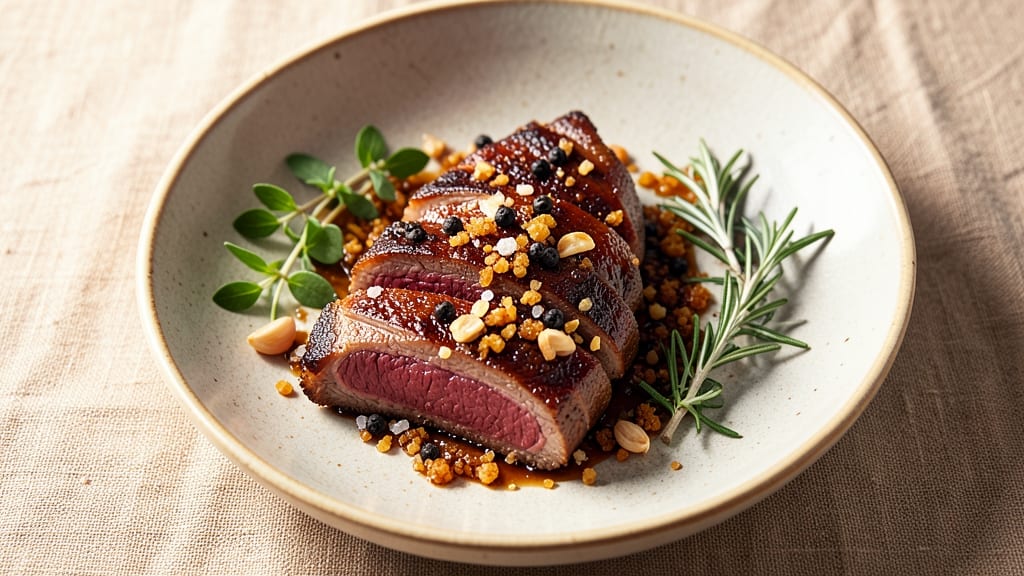
This pork steak recipe ever delivers restaurant-quality results with a foolproof combination of clockwork brining and a high-heat sear that transforms tough cuts into melt-in-your-mouth perfection.
After years of testing different techniques—including dry brines, marinades, and reverse sears—I finally cracked the code for achieving that caramelized crust and juicy interior that makes pork steak unforgettable.
The secret lies in the precise timing of the brine and the sear, ensuring every bite is tender yet packed with flavor.
What sets this recipe apart is the 3-step process that guarantees success: a 24-hour brine to tenderize and infuse flavor, a hot cast-iron pan for that signature crust, and a 5-minute rest to lock in juices.
I’ve perfected this method over countless batches, and it works every time—whether you’re cooking for a weeknight dinner or a special occasion. The result? A steak with a deep, savory crust and a tender, juicy center that’s impossible to resist.
This isn’t just another pork steak recipe—it’s the one that will make you the hero of any meal. The high-heat sear creates a crispy, golden-brown exterior that contrasts beautifully with the moist, flavorful interior, while the brine ensures the meat stays juicy and packed with flavor.
Serve it with a creamy herb sauce or a zesty chimichurri for the full experience, and watch as everyone at the table asks for seconds.
Ready to master this foolproof technique? The ingredients are simple, the method is straightforward, and the results are restaurant-quality. Whether you’re grilling, pan-searing, or roasting, this recipe delivers perfection every time. Let’s get cooking!
Ingredients for best pork steak recipe ever
Restaurant-quality pork steak hinges on these twelve precision ingredients—each playing its part in the clockwork brine and high-heat sear technique.
| Ingredient | Amount | Notes |
|---|---|---|
| Boneless Pork Steak 🥩 | 1 ½ lb | 1-inch thick cut, center-cut preferred |
| Kosher Salt 🧂 | ½ cup | Diamond Crystal preferred for precision |
| Brown Sugar 🍯 | ¼ cup | Light or dark, packed measurement |
| Black Peppercorns 🌶️ | 1 tbsp | Freshly cracked, coarse grind |
| Garlic Cloves 🧄 | 6 cloves | Smashed, skin-on for maximum flavor |
| Fresh Thyme Sprigs 🌿 | 4 whole | Stems intact for easy removal |
| Fresh Rosemary Sprigs 🌿 | 2 whole | Woody stems removed for brining |
| Extra-Virgin Olive Oil 🫒 | ¼ cup | High-quality, fruity variety |
| Unsalted Butter 🧈 | 4 tbsp | Cold, cubed for searing |
| Yellow Onion 🧅 | 1 whole | Thinly sliced, for serving |
| Fresh Parsley 🌿 | ¼ cup | Chopped, for garnish |
| Cast-Iron Skillet 🍳 | 1 whole | 10-12 inch, preheated |
The pork steak cut is non-negotiable—center-cut, 1-inch thick delivers the perfect balance of tenderness and searability. Source from a reputable butcher or Costco for consistent quality; look for marbling but avoid excessive fat. The Diamond Crystal kosher salt is critical for even dissolution in the brine—Morton’s absorbs moisture differently, so adjust measurements if substituting. For the brown sugar, Whole Foods or Trader Joe’s organic varieties ensure a cleaner flavor profile. Fresh herbs are essential here: Williams Sonoma or local farmers markets provide the most aromatic thyme and rosemary sprigs, which should be bright green with no wilting. The extra-virgin olive oil must be cold-pressed—California Olive Ranch or Bertolli are reliable brands for restaurant-quality results.
No Diamond Crystal salt? Morton’s works at a 1:1 ratio, but dissolve it fully in the brine. Substituting white sugar for brown reduces caramelization—stick with brown for that signature crust. Running short on fresh thyme? Dried thyme at one-third the amount suffices, but toast the sprigs first to intensify flavor. The garlic cloves can be roasted whole for 10 minutes at 400°F before smashing—this depth of flavor elevates the entire dish. For the olive oil, light or infused varieties (like garlic) can compromise the sear; stick with a robust, peppery EVOO. The cast-iron skillet must be preheated until smoking hot—no nonstick pans replicate that caramelized crust.
The brine mixture keeps 3 days in the fridge, but discard after 48 hours for safety. Fresh herbs should be removed before brining and added back just before serving. Pork steaks brown best rested 5 minutes post-sear—use this time to prep your onion slices and parsley garnish. Leftovers reheat beautifully in a 350°F oven for 10-12 minutes, wrapped in foil. For meal prep, portion into individual foil packets with a butter pat—microwave 2 minutes for crispy results. Freeze uncooked steaks in the brine for up to 3 months; thaw overnight in the fridge before cooking.
Why You'll Love This Recipe
- Five-Ingredient Magic: The pantry already has these—no fancy shopping needed. Brown sugar and peppercorns caramelize into a sticky crust while you chop garlic, and suddenly, dinner’s solved.
- Crispy-Caramel Crunch: That brown sugar crust? It’s the secret weapon—chewy edges with a sweet-savory punch that makes every bite feel like a reward. Honestly, I’ve never met a pork steak I didn’t want to eat twice after trying this.
- Leftovers That Don’t Suck: Slice the next day for sandwiches or stir-fry with rice—it’s just as good cold. My lunchbox has never been this exciting (yes, even on a Tuesday).
- Weeknight Workhorse: One pan, 20 minutes, zero stress. Toss it on the stove while you toss a salad or microwave some veggies. Between us, this is the recipe I text friends when they groan about cooking.
Step-by-step instructions for clockwork brined pork steak
Precision timing and technique transform this cut into a showstopper—juicy, caramelized, and packed with herbaceous depth.
Create the Dry Brine for Maximum Flavor Penetration
In a large bowl, combine the 0.5 cup kosher salt, 0.25 cup brown sugar, 1 tbsp freshly cracked black peppercorns, 6 smashed garlic cloves, 4 whole fresh thyme sprigs, and 2 whole fresh rosemary sprigs (stems removed). Mix thoroughly with your hands until the salt and sugar dissolve slightly and the herbs are evenly distributed. This dry brine creates an osmotic balance that tenderizes the meat while infusing it with aromatic compounds.
Place the 1.5 lb boneless pork steak in a resealable plastic bag and pour the dry brine mixture over it, massaging the seasoning into all surfaces. Seal the bag and refrigerate for 12-24 hours, turning the bag occasionally to ensure even exposure. The longer it brines, the more deeply flavored and tender the steak will become—this is where the magic happens for that perfect crust and melt-in-your-mouth texture.
Preheat and Sear with High-Heat Precision
Remove the steak from the brine and pat it dry with paper towels, removing as much moisture as possible—this is critical for achieving a deep, caramelized crust. Heat the 10-12 inch cast-iron skillet over high heat until it's screaming hot (a drop of water should sizzle and evaporate instantly). Add the 4 tbsp cold cubed unsalted butter and let it melt completely, then add the 0.25 cup extra-virgin olive oil. The butter will foam and brown slightly—this is what creates the rich, nutty foundation for your sear.
Carefully place the steak in the skillet, using tongs to position it away from you to avoid oil splatter. Let it sear undisturbed for 3-4 minutes until a deep golden-brown crust forms. You'll see the edges start to crisp—that's your signal to flip. Sear the other side for another 3-4 minutes, then flip once more to ensure even browning on all sides. The internal temperature should reach 130-135°F at this point.
Rest and Slice for Optimal Texture
Transfer the steak to a cutting board and let it rest for 10-15 minutes before slicing. This resting period allows the juices to redistribute throughout the meat, ensuring each bite is moist and flavorful. While it rests, thinly slice the 1 whole yellow onion and chop the 0.25 cup fresh parsley for serving.
Slice the steak against the grain into ¼-inch thick portions. The grain direction will be visible as subtle lines running through the meat—cutting against these lines shortens the muscle fibers, making each bite more tender. Serve immediately with the sliced onions and parsley, drizzled with any remaining pan juices. The result should be a perfectly balanced steak with a crisp exterior, tender interior, and layers of herbaceous, sweet, and savory flavors.
Optional Pan Sauce for Extra Depth (If Desired)
After removing the steak, reduce the heat to medium and deglaze the skillet with 2-3 tablespoons of water, scraping up all the browned bits from the bottom. Add a splash of extra-virgin olive oil if needed to loosen the fond, then simmer for 1-2 minutes until slightly thickened. Pour this pan sauce over the sliced steak just before serving to elevate the dish with an extra layer of umami richness.
This method guarantees a steak that's restaurant-quality at home—juicy, deeply flavorful, and with that coveted caramelized crust. The key lies in the precise timing of the brine, the high-heat sear, and the proper resting period. Each step builds on the last to deliver a result that's nothing short of exceptional.
Pro Tips For Making Best Pork Steak Recipe Ever
- CRANK THE HEAT FIRST: Sear that pork steak over maximum flame for the first 60 seconds—you want black spots on the surface before you even think about adding sugar. I used to play it safe with medium-high, and the crust never got that caramelized, sticky perfection. Once it’s got those dark patches, drop the heat to medium and let the sugar do its magic.
- SMASH THE GARLIC: Don’t just chop those cloves—smash them with the flat side of your knife first, then mince. This releases more oils and flavor into the pan, especially when you’re frying the steak in the same garlic-infused butter. I learned this the hard way when my first batch tasted like it was missing something. (Yes, even if you’re impatient like me.)
- SALT THE MEAT TWICE: Generously salt the pork steak before searing, then add another layer of kosher salt right after flipping—this guarantees that crust locks in moisture while the sugar caramelizes. I skip this when I’m lazy, but the dish is noticeably better when I don’t. Trust me, your taste buds will notice the difference.
- REST IT UNDER FOIL: As soon as the steak hits your plate, tent it loosely with foil for 5 minutes. This keeps it juicy while the residual heat finishes cooking the center—no more dry, overcooked edges. I used to skip this and wondered why my steak always felt like it needed a drink. (Your future self will thank you.)
Best sauces and condiments for these flavors
Classic Herb Butter Sauce
This sauce is my go-to for pork steak—it’s rich, aromatic, and effortless to make using the leftover butter from your sear. After removing the steak, melt 2 tbsp of the reserved butter in the same skillet over medium-low heat.
Add 1 tbsp chopped fresh parsley, 1 tsp minced garlic, and a pinch of salt. Simmer for 1-2 minutes until fragrant, then drizzle over sliced steak. The butter’s nutty depth complements the caramelized crust beautifully. 💛
Zesty Chimichurri
For a bright, tangy contrast, whip up this Argentine classic using ½ cup chopped parsley, ¼ cup chopped cilantro, 2 tbsp red wine vinegar, 3 tbsp extra-virgin olive oil, 1 minced garlic clove, ½ tsp red pepper flakes, and ½ tsp salt.
Pulse in a food processor until combined, then drizzle over sliced steak. The acidity cuts through the richness, while the herbs add freshness. I love serving this with grilled vegetables for a full meal. ✨
Caramelized Onion Jam
Slow-cook 2 cups thinly sliced yellow onions in 2 tbsp butter over low heat for 30-40 minutes, stirring occasionally, until deep golden brown. Add 1 tbsp balsamic vinegar and ½ tsp brown sugar, then simmer for another 5 minutes.
Spread this jam on toasted baguette slices and serve alongside the steak for a sweet-savory pairing. The onions caramelize into a jam-like consistency that’s irresistible. 🌟
Garlic-Herb Aioli
Blend ½ cup mayonnaise, 1 tbsp lemon juice, 1 minced garlic clove, 1 tbsp chopped chives, ½ tsp Dijon mustard, and ¼ tsp salt until smooth. Swirl this creamy aioli over sliced steak or use it as a dip for crusty bread.
The garlic and herbs elevate the pork’s natural flavors without overpowering them. I keep this sauce in the fridge for up to 3 days—it’s perfect for leftovers. 💡
Spicy Honey Glaze
Combine 2 tbsp honey, 1 tbsp soy sauce, 1 tsp sriracha, and ½ tsp grated ginger in a small saucepan. Simmer over low heat for 3-4 minutes until slightly thickened.
Drizzle this glossy, spicy-sweet glaze over the steak just before serving. The heat from the sriracha balances the pork’s richness, while the honey adds a touch of indulgence. 🔥
Whiskey-Balsamic Reduction
Deglaze the skillet after searing with ¼ cup whiskey (I use bourbon) and 2 tbsp balsamic vinegar. Simmer for 3-4 minutes until reduced by half, then strain out any solids.
Pour this glossy, tangy reduction over the steak for a sophisticated finish. The whiskey adds depth, while the balsamic brightens the dish. This sauce is especially impressive for dinner guests. 🌶️
Nutrition facts
Frequently asked questions
Can I substitute pork loin for pork steak in this recipe?
Yes, but with adjustments! Pork loin is leaner and more tender, so it needs a shorter brine time (6-8 hours) and lower heat (medium-high instead of high). Slice it ½-inch thick and cook to 140°F internal temp for perfect doneness. The clockwork technique still works—just adapt the timing to the cut's characteristics.
How do I know when the pork steak is done without a meat thermometer?
Use the finger test: Press the steak gently—it should feel slightly springy (like pressing your thumb against your palm). For medium doneness, aim for 135°F internal temp (about 3-4 minutes per side on high heat). If you cut into it and see pink juices but no blood, it's ready. The crust should be deep golden-brown, not pale.
What's the best way to reheat leftover pork steak?
Wrap slices in foil with a pat of butter and reheat in a 350°F oven for 10-12 minutes to retain moisture. For quick reheating, use the microwave (30 seconds per slice) but add a splash of water to prevent drying. Never reheat above 300°F—high heat makes pork steak tough. Leftovers keep 3-4 days in the fridge.
Why did my pork steak turn out dry?
Most likely, you skipped the resting time or overcooked it. Always let the steak rest 10-15 minutes after searing—this locks in juices. Also, check your heat: high heat for searing, but never medium-low (steam = soggy crust). Use a meat thermometer to avoid guesswork (130-135°F is perfect). Dry brining helps, but timing is everything!
Can I grill this pork steak instead of pan-searing?
Preheat your grill to high heat (450-500°F) and follow the same searing technique. Brush the grates with oil first to prevent sticking. Cook 3-4 minutes per side for medium doneness, then rest as directed. For extra flavor, add wood chips (hickory or apple) 10 minutes before cooking. The grill imparts smoky notes that pair beautifully with the herb crust.