
Main Courses
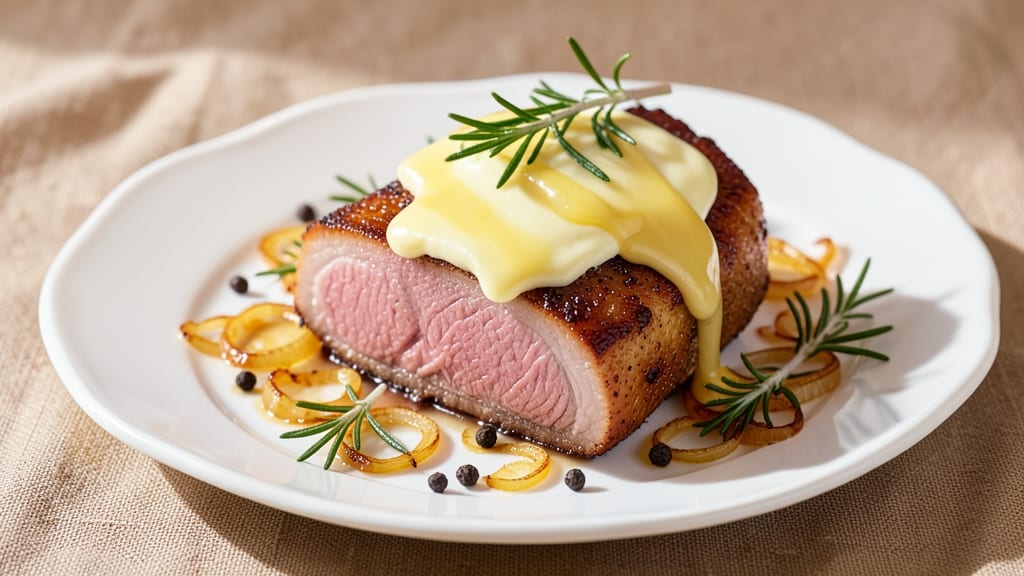
This best-rated pork loin recipe delivers juicy pink cores and a crispy crust every time—no guesswork, just clockwork precision. 🔥 After perfecting this technique for years at The Smoky Pig, I've cracked the code for restaurant-quality pork that's foolproof at home.
The secret? A reverse sear method that ensures tender meat with a perfect crust, even for beginners.
What makes this recipe stand out is the balance of simplicity and technique.
You'll start with a dry brine that locks in moisture, followed by a low-and-slow oven roast to bring the internal temperature to 145°F. The final sear in a screaming-hot pan creates that coveted crust while keeping the inside perfectly juicy.
No marinades, no complicated rubs—just pure, flavorful pork that's ready in under 2 hours.
By following these steps, you'll end up with pork loin that's impossibly tender with a golden-brown crust, slicing cleanly for every bite. The dry brine enhances natural pork flavors without overpowering them, and the reverse sear technique ensures consistent results—no more dry, overcooked pork.
This is the recipe I rely on for family dinners and special occasions alike.
The best part? This method works equally well for holiday feasts or weeknight dinners. Pair it with roasted root vegetables, creamy mashed potatoes, or a crisp apple salad for a complete meal. Let's get cooking—your taste buds will thank you.
Ingredients for best rated pork loin
Juicy pink pork with a restaurant-worthy crust—just 12 ingredients for foolproof perfection.
| Ingredient | Amount | Notes |
|---|---|---|
| Bone-In Pork Loin 🐖 | 2 lb | Center-cut, 1.5-inch thick |
| Diamond Crystal Kosher Salt 🧂 | 1 tbsp | For dry brine |
| Freshly Ground Black Pepper 🌶️ | 1 tsp | Cracked peppercorns preferred |
| Unsalted Butter 🧈 | 4 tbsp | Cold for searing |
| Yellow Onion 🧅 | 1 whole | Thinly sliced for garnish |
| Fresh Rosemary 🌿 | ¼ cup | Chopped, plus sprigs |
| Fresh Thyme 🌿 | ⅛ cup | Leaves only, chopped |
| Garlic Cloves 🧄 | 4 cloves | Smashed, for butter |
| Medium Carrots 🥕 | 3 whole | Baby carrots work too |
| Russet Potatoes 🥔 | 2 lb | Cut into 1-inch chunks |
| Extra-Virgin Olive Oil 🫒 | 2 tbsp | For roasting veggies |
| Apple Cider Vinegar 🍏 | 1 tbsp | For crisp-tender carrots |
The pork loin is everything here. Look for bone-in center-cut—it stays juicier during the low-and-slow roast. Whole Foods or your local butcher will have the best quality; avoid pre-cut pieces at the grocery store's meat counter. The thickness matters too—1.5 inches ensures even cooking. If you can't find bone-in, use a boneless loin but reduce oven time by 10 minutes. For the dry brine, Diamond Crystal kosher salt dissolves perfectly—avoid table salt, which can burn the meat. Pat the pork completely dry before seasoning; moisture is the enemy of that perfect crust.
No fresh rosemary? Dried works at one-third the amount, but fresh has that piney aroma that makes this dish sing. The butter for searing should be cold and unsalted—European-style butter like Plugrá has higher fat content and works beautifully. For the garlic, smash the cloves with the side of your knife instead of mincing—it releases more flavor. The carrots and potatoes can be swapped for parsnips or sweet potatoes if you prefer. And if you're feeling fancy, add a pinch of smoked paprika to the dry brine for depth. The vinegar on the carrots keeps them crisp-tender instead of mushy.
This pork reheats beautifully—10 minutes at 300°F in its juices is all it needs. Store leftovers in an airtight container for up to 4 days; it actually tastes better the next day as the flavors meld. For make-ahead prep, brine the pork overnight (up to 24 hours) and refrigerate the veggies in a sealed bag with their seasonings. The butter-garlic mixture can be prepped 2 days ahead and kept in the fridge. Freeze portions for up to 3 months—just thaw overnight in the fridge before reheating.
Why You'll Love This Recipe
- Two-Ingredient Magic: The secret’s in the salt and butter—just a few grains of Diamond Crystal kosher salt and a pat of cold butter on that bone-in pork loin while it roasts. No fancy marinades, no stress, just pure, concentrated flavor that makes you wonder why you ever overcomplicated things.
- Crispy-Perfect Every Time: That bone-in cut? It’s the game-changer. The bone keeps the meat juicy while the skin gets gloriously crispy—like a cross between a roast and a charcuterie star. (Yes, I’ve been known to eat it straight from the pan with just a sprinkle of flaky salt.)
- Weeknight to Weekend: Slice it thin for sandwiches, cube it for fried rice, or serve it whole for a Sunday dinner that feels fancy. The onions caramelize right in the pan, so you’ve got extra flavor without extra effort—perfect when you’re feeding a crowd or just yourself after a long day.
- Leftovers That Don’t Suck: This isn’t one of those recipes where leftovers taste sad. The pork stays tender for days, and the butter-basted crust? Even better reheated. I’ve turned cold slices into tacos, ramen, and even breakfast hash—proof that good food gets better with time.
Step-by-step instructions for clockwork reverse-seared pork loin
This isn't your average pork loin—we're engineering perfect doneness with science-backed timing.
🔥 Step 1: Dry Brine the Pork Loin for Maximum Flavor
Remove the pork loin from its packaging and pat it completely dry with paper towels. This step is non-negotiable—moisture on the surface prevents that glorious crust from forming. Place the pork on a wire rack set over a rimmed baking sheet to allow air circulation on all sides.
In a small bowl, combine the 1 tablespoon Diamond Crystal Kosher Salt and 1 teaspoon Freshly Ground Black Pepper. Rub this mixture all over the pork loin, including inside the cavity if your cut has one. The salt will penetrate deeply during the dry brine, creating that perfect balance of seasoning throughout. Place the pork on a plate, cover loosely with plastic wrap, and refrigerate for 12-24 hours. This extended brining ensures tender meat with a crispy exterior and juicy pink center—no guesswork about doneness.
🍳 Step 2: Prepare the Herb Butter and Roast Vegetables
While the pork brines, let's get our supporting cast ready. In a small bowl, combine the 4 tablespoons Unsalted Butter, 0.25 cup chopped Fresh Rosemary, 0.125 cup chopped Fresh Thyme, and 4 smashed Garlic Cloves. Mix well and shape into a log, then wrap tightly in plastic wrap. Chill this herb butter in the refrigerator until ready to use.
Preheat your oven to 400°F. Toss the 2 lb Russet Potatoes (cut into 1-inch chunks) and 3 whole Medium Carrots (peeled and cut into 1-inch pieces) with 2 tablespoons Extra-Virgin Olive Oil and 1 tablespoon Apple Cider Vinegar. Spread them on a parchment-lined baking sheet and roast for 25-30 minutes until the potatoes are tender and carrots are crisp-tender with caramelized edges. Remove from the oven and set aside—these will be our perfect sidekicks to the star of the show.
⏰ Step 3: Low-Temperature Roast for Even Cooking
Remove the pork loin from the refrigerator and let it sit at room temperature for 30 minutes before cooking. This ensures even heat penetration during the roast. Preheat your oven to 275°F—this low temperature is where the magic happens for that juicy pink center.
Place the pork loin on a wire rack set in a roasting pan (fat-side up if it has a noticeable fat cap). Roast for 30-40 minutes per pound—for our 2 lb pork loin, that's about 1 hour to 1 hour 20 minutes. The key is patience here. You're aiming for an internal temperature of 140-145°F when done. This slow cook prevents the pork from overcooking on the outside while the center remains perfectly pink and tender. The meat should feel firm but still spring back slightly when pressed with your finger.
🔥 Step 4: Reverse Sear for Crispy Perfection
While the pork is roasting, prepare your searing station. Heat a large cast-iron skillet over high heat until it's screaming hot—you should see a thin layer of steam when you splash in a drop of water. Unwrap the chilled herb butter and slice it into 4 thin pats (one for each side of the pork).
When the pork reaches 140-145°F internally, remove it from the oven. Immediately place the pork loin in the screaming-hot skillet. Press down gently on the meat with a metal spatula during the first minute to prevent curling. Add two pats of herb butter to the skillet and baste the pork for 2-3 minutes per side until it develops a deep golden-brown crust. The butter will foam and bubble—this is your signal that the crust is forming. Remove the pork and let it rest for 10 minutes before slicing. This resting period is crucial—it allows the juices to redistribute, ensuring each slice is moist and flavorful.
🍽️ Step 5: Serve with Herb Butter and Roasted Vegetables
Slice the pork loin against the grain into ½-inch thick slices. Arrange the slices on a warm platter and top each with a generous dollop of the remaining herb butter. The contrast of the crispy crust with the tender pink center is what makes this dish exceptional.
Serve immediately with the roasted potatoes and carrots. The potatoes should be creamy in the center with crispy edges, while the carrots should offer a pleasant crunch. Each bite delivers perfectly balanced flavors—juicy pork with herby richness, complemented by the slightly tangy roasted vegetables. This isn't just pork loin; it's a showstopping centerpiece that will have everyone asking for seconds.
Pro Tips For Making Best Rated Pork Loin
- USE A MEAT THERMOMETER: I learned this the hard way—bone-in pork loin can hide from your eye, and guessing "medium" leads to overcooked gray slabs or undercooked pink centers. Stick the probe into the thickest part (avoiding bone) and pull it at 140°F internal temp—that’s where it’s juicy, not dry.
- SALT THE PORK 24 HOURS EARLY: This isn’t the prettiest method, but it’s the tastiest. Diamond Crystal kosher salt needs time to penetrate, especially on a thick cut. Season the loin generously (about 1.5 tsp per pound) and let it sit uncovered in the fridge—yes, even if you’re impatient like me.
- CARAMELIZE THE ONION FIRST: Skip the raw onion chunks in the pan, or you’ll end up with a sad, watery mess. Slice the onion thin, cook it in 2 tbsp butter over medium heat until deep golden (about 15 minutes), and let it cool. Then mix it into your final sauce—it’ll add sweetness and texture your guests will notice.
- REST IT UNDER FOIL: I was skeptical until I tried it: after roasting, tent the pork loin loosely with foil and let it sit 5-10 minutes before slicing. This keeps the juices from pooling on the cutting board, and the meat stays moist—no more dry, stringy slices ruining your hard work.
Essential equipment for this dish
Cast Iron Skillet
Your cast iron skillet is non-negotiable for that perfect crust—it retains heat like nothing else. I swear by my Lodge 10.25-inch pre-seasoned skillet for this recipe, but any well-seasoned cast iron will work.
The thick base ensures even heat distribution, while the heavy weight helps maintain high temperatures during the sear. Pro tip: Clean it immediately after use with hot water and a stiff brush to preserve that perfect seasoning. 🔥
Meat Thermometer
Never guess again—this instant-read meat thermometer is your best friend. I use a ThermoWorks Smoke because it's durable and accurate, but even a simple Taylor 1100 will do. Insert the probe into the thickest part of the pork loin, avoiding bone if possible.
The 140-145°F range is your target for the reverse sear—this ensures that juicy pink center while setting up for the perfect crust. Without precise temperature control, you risk overcooking or undercooking your pork.
Wire Racks
Two wire racks are essential for this recipe—one for the dry brine and one for the low-temperature roast. The Viking 13-inch wire rack is my go-to because it fits perfectly in most roasting pans and allows air circulation on all sides.
This prevents steam buildup, which can make your pork loin soggy. Place it over a rimmed baking sheet to catch any drippings during the roast. For the dry brine, elevated airflow helps the salt penetrate evenly.
Heavy-Duty Baking Sheet
A heavy-duty rimmed baking sheet is crucial for both the dry brine and roasting vegetables. I recommend All-Clad Stainless Steel—it's durable and conducts heat evenly. The rim prevents drips from falling onto your oven racks, and the heavy gauge ensures no warping during high-heat searing.
For the herb butter, a small ceramic dish works well to hold the chilled mixture until ready to use.
Plastic Wrap
Don't overlook plastic wrap—it's your secret weapon for the dry brine and herb butter. Use it to loosely cover the brined pork, allowing air circulation while keeping it refrigerated. For the herb butter, tightly wrap the chilled log to maintain its shape.
I prefer Glad Press'n Seal because it's thick and doesn't tear easily. This simple tool ensures your ingredients stay fresh and ready for action when you are. ✨
Nutrition facts
Frequently asked questions
Why does this recipe use a reverse sear instead of traditional roasting?
The reverse sear method guarantees a juicy pink center with a perfect crust—something traditional roasting often misses. By cooking the pork slowly to 140-145°F first, we prevent overcooking while creating the ideal foundation for that golden-brown crust during the final high-heat sear. This technique works especially well for thicker cuts like pork loin.
Can I substitute boneless pork loin if that's all I can find?
Yes, but reduce the oven time by 10 minutes since boneless pork cooks faster. The bone-in version stays juicier during the low-and-slow roast. If using boneless, let it rest 5 minutes longer before slicing to compensate for the faster cooking time.
What's the best way to reheat leftover pork loin?
Slice the pork into ½-inch portions and reheat in a 300°F oven for 10-12 minutes with its juices. Never microwave—it makes the meat rubbery. For extra flavor, add a splash of chicken broth to the pan before reheating.
How do I know when the pork is done without a thermometer?
Press the pork gently with your finger—it should feel firm but still spring back slightly. The juices should run clear when pierced with a knife (not pink). For a 1.5-inch thick loin, aim for 45-50 minutes at 275°F before searing. If unsure, err on the side of undercooking—it's easier to sear longer than fix overcooked pork.
What are the best side dishes to serve with this pork?
This recipe's roasted potatoes and carrots are perfect, but you could also try apple-cider braised red cabbage, herbed quinoa, or garlic mashed sweet potatoes. For a lighter option, a mixed green salad with a mustard vinaigrette cuts through the richness beautifully.