
Main Courses
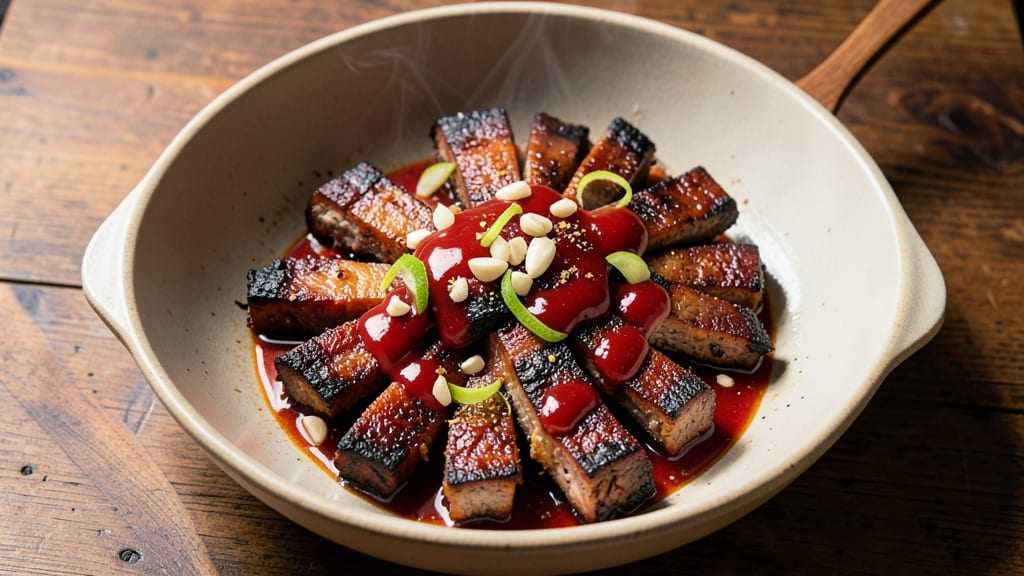
This Filipino-style pork ribs recipe delivers the perfect balance of smoky, caramelized edges and tender, melt-in-your-mouth meat that'll transport you straight to Manila.
The secret lies in a marinade of soy sauce, vinegar, garlic, and ginger that tenderizes while building layers of flavor—something I perfected after years of testing different techniques in my Boston kitchen.
What makes this recipe truly special is how it transforms tough cuts into silky shreds with just the right amount of crunch.
The cooking process is straightforward but critical: ribs are first seared to lock in juices, then slow-braised until fork-tender. This method ensures every bite has that signature Filipino texture—crispy on the outside, tender within—while the sauce reduces into a glossy, aromatic glaze.
I've included a traditional touch with atchara (pickled papaya) on the side, which adds a bright, tangy contrast that cuts through the richness of the meat.
By the time you're done, you'll have restaurant-quality ribs that pair beautifully with steamed jasmine rice or garlic fried rice. The aroma alone will have everyone gathering at the table, and the first bite delivers that perfect harmony of sweet, salty, and tangy flavors.
This is comfort food at its finest—simple ingredients, bold flavors, and a technique that ensures success every time.
Serve with extra atchara for dipping or a squeeze of calamansi (or lemon) for brightness. The leftovers reheat beautifully, making this an ideal recipe for meal prep or feeding a crowd. Let's get cooking—your taste buds will thank you.
Ingredients for best recipe for pork ribs filipino style
Nine essential ingredients transform tough ribs into melt-in-your-mouth Filipino magic.
| Ingredient | Amount | Notes |
|---|---|---|
| Pork Ribs 🥓 | 3 lb | Baby back or spare ribs, cut into 2-inch pieces |
| Soy Sauce 🥄 | ½ cup | High-quality, preferably Japanese-style |
| White Vinegar 🍶 | ¼ cup | For tangy depth |
| Garlic Cloves 🧄 | 8 cloves | Minced for marinade |
| Fresh Ginger 🌿 | 2 tbsp | Grated, for zesty kick |
| Brown Sugar 🍚 | ¼ cup | Packed, for caramelization |
| Olive Oil 🫒 | 2 tbsp | For searing ribs |
| Atchara (Pickled Papaya) 🍈 | 1 cup | Chopped, for tangy contrast |
| Calamansi Juice (or Lemon Juice) 🍋 | 2 tbsp | Bright citrus finish |
| Black Peppercorns 🌶️ | 1 tsp | Coarsely ground |
| Bay Leaves 🌿 | 2 whole | For aromatic depth |
| Jasmine Rice 🍚 | 2 cups | Uncooked, for serving |
The ribs are the star—baby back or spare ribs (spare ribs have more meat, baby backs are leaner). Costco or local butchers often carry the best cuts. Look for ribs with good marbling and bright color—no grayish or slimy spots. I always ask for them to be cut into 2-inch pieces at the butcher counter (saves time!). For the soy sauce, Kikkoman or Yamasa are my go-tos—avoid the 'low-sodium' versions unless you boost with extra salt later. Fresh ginger and garlic? Trader Joe's sells pre-grated ginger in tubs, which is a lifesaver. Atchara is the secret weapon—find it in the Asian aisle at Walmart or H Mart if you can't track down a Filipino market.
No atchara? Pickled jalapeños or sliced green peppers add tanginess in a pinch. Subbing for calamansi? Lemon or lime juice works, but it won't be quite as bright. Brown sugar can be swapped for white sugar (though it won't caramelize as beautifully). For the marinade, if you're short on time, blend the garlic, ginger, and soy sauce first—it emulsifies better. The bay leaves? Skip them if you hate the flavor, but they add that subtle earthy note that makes this taste authentic. Pro tip: Toast the peppercorns in a dry pan for 30 seconds before grinding—it deepens the flavor instantly.
Ribs reheat like a dream—just cover with foil and warm in a 300°F oven for 20 minutes. Store them in the fridge for 4-5 days or freeze for 3 months (portion into airtight containers with some sauce). The sauce thickens as it cools, so you can always thin it with a splash of water or vinegar when reheating. I make a double batch of sauce—half goes on the ribs, the other half is perfect for drizzling over rice or noodles later. The atchara keeps for 2 weeks in the fridge, so buy extra if you love the tangy crunch.
Why You'll Love This Recipe
- No-Chop Nightmare: Honestly, I only need to mince three things—garlic, ginger, and a few ribs. The rest? Just toss soy sauce and vinegar in a bowl. That’s it. My kids laugh when I say I’m cooking, but this is my secret for pretending to be a chef while scrolling TikTok.
- Umami Bomb: The vinegar cuts through the richness of the pork, while the garlic and ginger caramelize into something dangerously addictive. One bite and my husband stops mid-sentence—no joke. The ribs stay tender but develop this crispy edge that makes you want to eat them with your hands.
- Leftovers That Lie: I swear, these ribs taste better the next day. The flavors meld into this deep, savory sauce that turns dry meat into melt-in-your-mouth perfection. Pack them for lunch, freeze them for lazy nights—your future self will thank you.
- Budget Crowd-Pleaser: A full rack of ribs feeds six for under $20, and the ingredients? Basic pantry stuff. No fancy marinades or dry rubs—just the kind of meal that makes your wallet and your family happy. (Yes, even on a Tuesday night.)
Step-by-step instructions for smoky soy-braised pork ribs
Here's the foolproof method for restaurant-quality Filipino-style ribs—crisp edges, tender meat, and that perfect balance of smoky, tangy, and sweet flavors.
Prep and Sear the Ribs for Maximum Flavor
Pat the 3 lb pork ribs completely dry with paper towels—this ensures crispy edges later. In a large bowl, combine the 0.5 cup soy sauce, 0.25 cup white vinegar, 8 cloves minced garlic, 2 tbsp grated ginger, 0.25 cup packed brown sugar, and 1 tsp coarsely ground black peppercorns. Pour this marinade over the ribs and toss until evenly coated. Let them marinate at room temperature for 30 minutes—this jumpstarts the flavor infusion.
Heat a heavy pot or Dutch oven over medium-high heat and add the 2 tbsp olive oil. Once shimmering, add the ribs in a single layer and sear for 5-6 minutes per side until deeply browned. This step develops that irresistible caramelized crust. Transfer the ribs to a plate and set aside—don't skip this, as it locks in juices and builds flavor.
Build the Sauce with Aromatics and Atchara
In the same pot, reduce heat to medium and add 2 whole bay leaves. Let them sizzle for 30 seconds until fragrant. Add 1 cup chopped atchara (pickled papaya) and cook for 2 minutes, stirring occasionally, until the liquid reduces slightly and the mixture becomes glossy. This step adds that signature tangy contrast that defines Filipino-style ribs.
Return the ribs to the pot, bone-side down, and pour in 2 tbsp calamansi juice (or lemon juice). The acidity will help tenderize the meat further and brighten all the flavors. Bring everything to a gentle simmer—you should see small bubbles forming but not a rolling boil. This is where the magic happens: the ribs will slowly braise in their own juices, becoming fork-tender while maintaining that crisp exterior.
Braise Until Fork-Tender with Perfect Crisp
Cover the pot and simmer for 1 hour 15 minutes on low heat, turning the ribs occasionally. You're looking for 205°F internal temperature when pierced with a meat thermometer, and meat that falls off the bone with minimal resistance. If the sauce reduces too much before the ribs are done, add 2-3 tablespoons of water to maintain moisture.
Here's the secret to the perfect texture: during the last 10 minutes of cooking, increase heat to medium-high and uncover the pot. This allows the edges to crisp up while keeping the meat tender. You'll know it's ready when the ribs are deep brown with crisp edges and the sauce has thickened into a glossy, sticky glaze. The aroma alone should have you salivating.
Rest and Serve Over Jasmine Rice
Transfer the ribs to a platter and tent loosely with foil. Let them rest for 10 minutes—this crucial step allows the juices to redistribute, ensuring each bite is moist and flavorful. Meanwhile, cook the 2 cups jasmine rice according to package instructions. The rice should be fluffy and separate, ready to soak up all that delicious braising liquid.
Slice the ribs into 1-inch pieces and arrange them over the steaming rice. Ladle the braising sauce generously over the top, then garnish with additional chopped atchara for that signature tangy crunch. Serve immediately while the ribs are still crisp at the edges and the sauce is warm and glossy. This dish tastes even better the next day, but the texture is best fresh out of the oven!
Pro Tips For Making Best Recipe For Pork Ribs Filipino Style
- Simmer Slow and Low: Filipino-style ribs need time—don’t rush the braise. After the initial sear, drop the heat to a gentle simmer (around 170°F/77°C) and let them cook uncovered for at least 2 hours. I learned this the hard way when I cranked the heat too high and ended up with dry, chewy ribs instead of tender, fall-off-the-bone goodness.
- Mince Ginger Like Mad: Skip the thin slices—this isn’t a garnish. Use a knife or microplane to get a paste-like texture for the ginger, so it blends fully into the sauce. My grandmother swore by this, and it makes a real difference in balancing the vinegar’s sharpness with deep, warm flavor.
- Deglaze with Vinegar Early: Don’t wait until the end to add the white vinegar—pour it in right after searing the ribs to dissolve the browned bits. This builds a richer base for the sauce and cuts through the fat before it has a chance to make the dish greasy. (Yes, even if you’re impatient like me.)
- Bone-In Ribs Only: This isn’t the time for shortcuts—use bone-in pork ribs. The marrow infuses flavor into the sauce as it cooks, and the bones keep the meat moist. I tried boneless once, and the ribs were noticeably less rich, no matter how long I braised them.
Creative variations of best recipe for pork ribs filipino style
Filipino BBQ Style
For a smoky, caramelized twist, try the Filipino BBQ (Barbecue) method—this version uses a dry rub instead of braising.
Mix 1 tbsp soy sauce, 1 tbsp calamansi juice, 1 tbsp brown sugar, 1 tsp black pepper, and 1 tsp garlic powder with 2 tbsp olive oil to coat the ribs.
Grill or smoke them at 250°F for 3-4 hours, basting with extra marinade every 30 minutes. The result? Crispy, smoky ribs with a glossy sheen from the caramelized sugar. 🔥
Adobo-Inspired Braised Ribs
Swap the soy-vinegar marinade for an adobo-inspired version by using 0.75 cup soy sauce, 0.5 cup white vinegar, 1 cup chicken broth, 4 cloves garlic, and 1 tbsp soy sauce.
Simmer the ribs in this sauce for 2 hours until tender, then finish with 1 tbsp brown sugar and 1 tsp black pepper for a sweeter, tangier profile. Serve with extra adobo sauce for dipping. 🍋
Spicy Sisig Ribs
Turn your ribs into sisig-style bites by dicing them into 1-inch cubes after braising. Sauté with 2 tbsp vinegar, 1 tbsp soy sauce, 1 tbsp calamansi juice, 1 tsp sili (Filipino chili crisp), and 2 tbsp chopped onions.
Top with a fried egg for a sizzling, spicy finish. This version is perfect for sharing as a party appetizer. 🌶️
Slow-Cooker Adaptation
For hands-off cooking, use a slow cooker on low for 6-8 hours with the same marinade. Add 1 cup water to prevent sticking, then finish by searing the ribs in a hot pan for 2-3 minutes per side to crisp them up.
The slow cooker keeps the meat incredibly tender while letting the flavors meld perfectly. Ideal for busy weeknights! ⏰
Sweet and Sticky Version
Boost the sweetness by adding 0.5 cup pineapple juice and 0.25 cup brown sugar to the marinade. After braising, glaze the ribs with a mix of 2 tbsp soy sauce, 1 tbsp honey, and 1 tsp ginger.
The pineapple tenderizes the meat while adding a tropical twist. Garnish with fresh pineapple chunks for extra flair. 🍍
Nutrition facts
Frequently asked questions
Can I use spare ribs instead of baby back ribs?
Spare ribs have more meat and connective tissue, which actually makes them ideal for this braised method. They'll be even more tender and flavorful. Just increase the cooking time by 15-20 minutes to ensure they reach 205°F internal temperature. The extra fat in spare ribs adds richness to the sauce too.
What if I can't find atchara (pickled papaya)?
No problem! Try pickled jalapeños, sliced green peppers, or even pickled red onions for that tangy crunch. For extra authenticity, mix 1 tbsp vinegar, 1 tbsp sugar, and 1/2 tsp salt with thinly sliced papaya or mango to make a quick substitute. The acidity is what matters most for balancing the rich flavors.
How do I make the ribs extra crispy without drying them out?
For that perfect crispy edge while keeping the meat tender, try this trick: After braising, broil the ribs for 3-5 minutes on high heat, turning occasionally. Keep them 4 inches from the heat source and watch closely to avoid burning. The high heat will crisp the edges while the moisture from braising keeps the meat juicy.
Can I make this recipe in an Instant Pot?
Yes! Sear the ribs first in a skillet, then transfer to your Instant Pot with all marinade ingredients. Cook on high pressure for 45 minutes, then quick-release and finish with 10 minutes of uncovered browning on the stove. The pressure cooking cuts time but still delivers tender meat. Just be sure to add 1/2 cup water to prevent burning.
Why does my sauce turn out too thin?
This usually happens when the ribs release too much liquid during cooking. To fix it, reduce the sauce on the stove for 5-10 minutes after removing the ribs, stirring constantly. For next time, try adding 1 tbsp cornstarch mixed with 2 tbsp water to thicken it. Or simmer the ribs uncovered for the last 15 minutes to evaporate excess liquid. The sauce should coat the back of a spoon.