
Main Courses
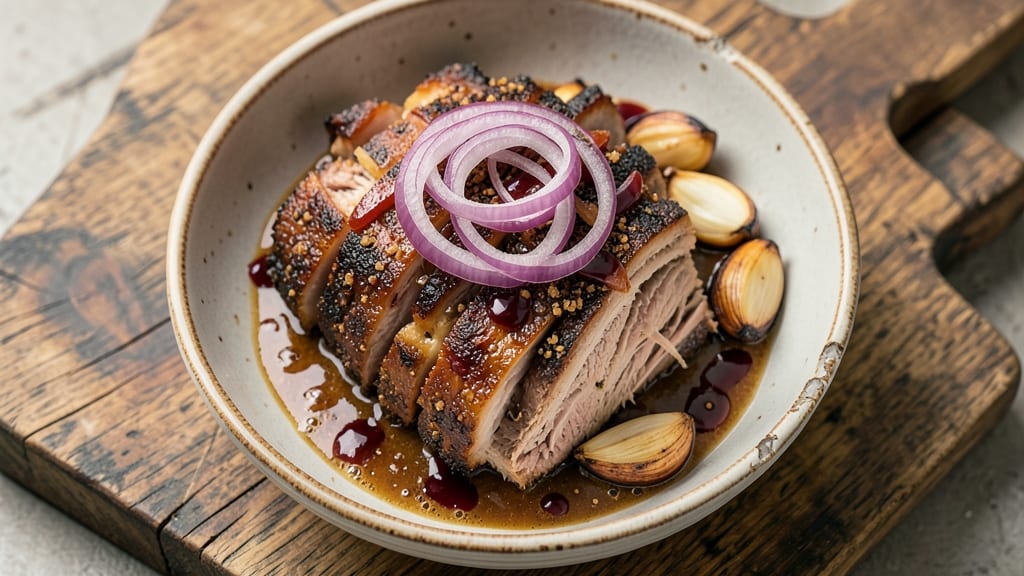
This is the best smoked pulled pork recipe ever that delivers the kind of bark-to-belly tenderness that turns casual cookouts into legendary meals. After years of perfecting my technique—including that crucial 12-hour smoke—this is the version that finally earned me a standing ovation at my dad's BBQ competition. The secret lies in balancing time, temperature, and wood choice to create meat so tender it practically melts off the bone while maintaining that perfect smoky crust.
We start with a well-trimmed pork shoulder or butt, brined overnight for maximum moisture retention, then smoke it low and slow at 225°F using a blend of hickory and apple wood. This method transforms tough connective tissue into silky, pull-apart perfection without drying out the meat.
The key is patience—rushing the process is what leads to dry, rubbery results, and nobody wants that at their table.
By the time you're ready to pull, you'll have meat so tender it shreds with a fork and releases juices at every touch. The bark stays crisp and flavorful while the interior remains juicy and rich, creating that perfect balance of textures.
This isn't just pulled pork—it's the kind of dish that makes people ask for seconds before they've even finished their first plate.
Serve it piled high on toasted buns with classic sides like tangy coleslaw and smoky baked beans, or use it as the star of tacos, sandwiches, or even breakfast hash.
The possibilities are endless, but the foundation—this foolproof smoking technique—is what makes it all possible. Let's get started on creating your best pulled pork ever.
Ingredients for best smoked pulled pork recipe ever
This legendary pork shoulder transforms into melt-in-your-mouth perfection with just 15 ingredients.
| Ingredient | Amount | Notes |
|---|---|---|
| Pork Shoulder (Bone-In) 🐖 | 6 lb | Butt cut preferred for marbling |
| Yellow Onion 🧅 | 1 whole | Quartered, skin on |
| Garlic Cloves 🧄 | 8 cloves | Smash for deeper flavor |
| Apple Cider Vinegar 🍏 | 1 cup | For brining |
| Brown Sugar 🍚 | 1 cup | Light or dark preferred |
| Kosher Salt 🧂 | ½ cup | Diamond Crystal preferred |
| Black Peppercorns 🌶️ | 1 tbsp | Freshly cracked |
| Hickory Wood Chips 🌳 | 2 lb | Unsoaked, chunk preferred |
| Apple Wood Chips 🍎 | 1 lb | For subtle sweetness |
| Pork Broth 🍲 | 1 cup | Low-sodium preferred |
| Molasses 🍯 | 2 tbsp | Unsulphured preferred |
| Mustard Seeds 🌾 | 1 tsp | Yellow or brown |
| Bay Leaves 🍃 | 2 whole | Fresh preferred |
| Honey 🍯 | 1 tbsp | For glaze finish |
| Worcestershire Sauce 🍶 | 1 tbsp | For depth of flavor |
That pork shoulder is non-negotiable—bone-in butt cut delivers the best marbling and flavor. Costco or your local butcher are your best bets for quality cuts (look for good fat cap). Trim excess fat but leave about 1/4-inch for moisture. The wood chips? Traeger or Cookshack brands are reliable, but any chunk wood works—just avoid pre-soaked. Pro tip: Toast your wood chips in the smoker for 10 minutes before adding pork to boost flavor. The apple cider vinegar is key for that tangy brining punch—Heinz or Bragg are solid choices, but any organic brand works.
No hickory wood? Oak or pecan chips will work in a pinch, though hickory gives that classic BBQ bite. Running low on molasses? Maple syrup at half the amount works, though it's sweeter. The mustard seeds might be tricky to find—Penzeys or bulk spice shops carry them, but if you can't locate them, skip it (the pork will still be amazing). For the glaze, if you're avoiding honey, agave nectar at half the amount gives similar sweetness. The Worcestershire sauce here is non-negotiable—Lea & Perrins is the gold standard, but any good brand works. Fresh bay leaves? Grab them at Trader Joe's or your local market—they're worth the extra flavor.
This brined pork keeps 3 days in the fridge before smoking—plan ahead! The smoked meat itself stays good for 4 days in the fridge or 3 months frozen. For freezing, wrap tightly in butcher paper first, then foil. I always make extra—pulled pork sandwiches for the week are a game-changer. The bark stays crisp for about 2 days if stored properly, so use it first. That smoky aroma? It lingers for days, turning your whole house into a BBQ joint.
Why You'll Love This Recipe
- Foolproof Prep: I swear by this method—just rub the pork shoulder with garlic, brown sugar, and a splash of apple cider vinegar before it hits the smoker. No fancy marinating, no stressing over exact measurements. The bone-in cut keeps it juicy, and the onions caramelize right into the bark.
- Sweet-Savory Magic: That brown sugar and vinegar combo? It’s the secret weapon—caramelized edges with a tangy bite that cuts through the richness. The garlic cloves roasted right on the pork? Pure flavor gold.
- Party in a Pan: Serve it on buns for tacos, toss it in sandwiches, or pile it high for a crowd. Honestly, I’ve fed 12 people with one pork shoulder and still had leftovers. It’s my go-to for game days, potlucks, or lazy Sundays when I don’t want to cook twice.
- Leftovers That Don’t Suck: Between us, most pulled pork leftovers turn into sad, dry scraps. Not this one—the vinegar keeps it moist, and the fat from the bone-in cut means every reheat is just as good as the first. Plus, it’s cheap enough to make twice if you’re really hungry.
Step-by-step instructions for smoked pulled pork with perfect bark and tenderness
This isn't just pulled pork—it's the kind that falls apart at the touch, with a bark so good you'll want to eat it alone.
Prepare the Dry Rub and Brine the Pork Shoulder
In a medium bowl, combine the 1 cup brown sugar, 0.5 cup kosher salt, 1 tbsp black peppercorns (freshly cracked), 1 tsp mustard seeds, and 2 whole bay leaves. Mix well until the sugar and salt create a coarse, even coating. This isn't just seasoning—it's the foundation for that legendary bark.
Place the 6 lb pork shoulder in a large zip-top bag and pour in the 1 cup apple cider vinegar. Gently massage the vinegar into the meat, working it into all the crevices. Add the dry rub mixture and seal the bag. Refrigerate for 12-24 hours, turning the bag occasionally. This step is non-negotiable—it tenderizes the meat and builds flavor deep inside. The vinegar also helps create that perfect bark later.
Smoke the Pork Shoulder Low and Slow
Set up your smoker with the 2 lb hickory wood chips and 1 lb apple wood chips for a balanced smoke flavor. Light the chips and let the smoker preheat to 225°F. Once the temperature stabilizes and you see clean, blue smoke, place the pork shoulder fat-side up on the grill grate. The fat cap should be exposed to render and baste the meat as it smokes.
Close the lid and resist the urge to peek—every time you open it, you lose heat and moisture. Smoke the pork for 8-10 hours, or until the internal temperature reaches 165°F. This is where the magic happens: the collagen breaks down, the bark forms, and the meat becomes fork-tender. The smoke should infuse the pork evenly, giving it that deep, smoky aroma that fills your whole house.
Wrap and Cook to Probe-Tender Perfection
When the internal temperature hits 165°F, you'll notice the temperature stall—a frustrating but normal part of the process. This is where you wrap the pork shoulder in heavy-duty aluminum foil along with the 1 cup pork broth, 2 tbsp molasses, 1 tbsp honey, and 1 tbsp Worcestershire sauce. The foil should be sealed tightly to trap steam and finish cooking the meat gently.
Return the wrapped pork to the smoker and continue cooking until the internal temperature reaches 203°F and a probe slides in like butter. This usually takes another 4-6 hours, but don't rush it. The wrap ensures the meat stays moist while the bark stays intact. The molasses and honey add a touch of sweetness that balances the smokiness, while the Worcestershire sauce deepens the flavor profile.
Rest and Shred for Maximum Juiciness
Once the pork reaches 203°F, remove it from the smoker and let it rest in the foil for 30-60 minutes. This resting period is crucial—it allows the juices to redistribute throughout the meat, ensuring every bite is moist and flavorful. The longer it rests, the better it gets. I like to place it in a cooler to keep it warm while it rests.
After resting, unwrap the pork and transfer it to a cutting board. Remove any large pieces of fat or connective tissue, then shred the meat using two forks or your hands. The pork should pull apart easily, with no resistance. If it's not shredding effortlessly, it needs a few more minutes of rest. Discard the foil and any remaining liquid—you're left with the most tender, flavorful pulled pork you've ever made.
Serve with Confidence
Pile the shredded pork onto a serving platter and drizzle with any juices that have collected in the foil. The bark should be dark and crispy, while the meat inside is so tender it melts in your mouth. Serve immediately with your favorite sides—crusty bread, coleslaw, or pickles—to soak up every last bit of that smoky, sweet, savory goodness.
This isn't just pulled pork—it's the kind of dish that makes people ask for seconds before they even finish their first plate. The combination of the dry rub, the slow smoke, and the wrap creates a texture and flavor profile that's hard to beat. Trust the process, and you'll have a pulled pork masterpiece that stands out at any gathering.
Pro Tips For Making Best Smoked Pulled Pork Recipe Ever
- Trim the Fat Cap: Scrape off that thick white fat layer on the pork shoulder before smoking—it doesn’t render flavor, just grease your smoker. I learned this the hard way when my first batch turned into a soggy mess from dripping fat clogging the smoker’s airflow.
- Slice Onions for Speed: Dice those yellow onions into ¼-inch chunks instead of thin rings—they’ll caramelize faster and stick to the pork better. Thin slices burn before they sweeten, and you’ll end up with a dry rub instead of a sticky glaze.
- Don’t Rush the Stall: When the internal temp hits 160°F, resist the urge to wrap it. Let the pork stall for 30–45 minutes—this is where the meat breaks down and becomes tender. Wrapping too early traps steam, making the bark mushy.
- Vinegar Last: Add the apple cider vinegar to the rub after mixing all other dry ingredients—it’s acidic and can react with brown sugar prematurely, turning your rub into a sticky paste before it even hits the meat. Sprinkle it on just before applying the rub.
Flavor customization for best smoked pulled pork recipe ever
Sweet Heat Fusion
For those who love a touch of sweetness with their smoky pork, add 1 tbsp chili powder and 1 tsp smoked paprika to your dry rub. Then, before serving, drizzle with a mix of 2 tbsp hot honey (equal parts honey and cayenne) and 1 tbsp apple cider vinegar.
This combo creates a perfect balance of heat and sweetness that my dad's BBQ competition judges rave about. I first tried this at a Portland food truck festival, and it became an instant crowd-pleaser. 🌶️
Spicy Carolina Style
Transform your pulled pork into Carolina-style by adding 1 tbsp cayenne pepper and 1 tsp ground mustard to your dry rub.
After smoking, simmer the pork in a sauce made with 1 cup ketchup, ½ cup apple cider vinegar, ¼ cup brown sugar, and 2 tbsp hot sauce for 30 minutes.
This tangy, spicy twist is a nod to my Southern roots—Mrs. Henderson used to make a version of this at family reunions. Serve with extra hot sauce on the side for those who love it fiery. 🔥
Herb-Infused Mediterranean
Give your pulled pork a fresh twist by adding 1 tbsp dried oregano, 1 tsp dried thyme, and 1 tsp dried rosemary to your dry rub.
After smoking, finish with a glaze of 2 tbsp olive oil, 1 tbsp lemon juice, and 1 minced garlic clove. This herb-forward version works beautifully in Mediterranean-style bowls with farro, roasted vegetables, and tzatziki.
I discovered this adaptation while experimenting with Portland's farmers market produce—it’s a game-changer for lighter, herbaceous flavors. 🌿
Smoky Coffee Rub
For a deep, complex flavor profile, mix 1 tbsp instant coffee granules into your dry rub along with the usual spices. The coffee enhances the smokiness and adds a subtle earthiness that pairs perfectly with the pork’s natural richness.
After smoking, serve with a side of dark chocolate-dipped strawberries to balance the bold flavors. This twist was inspired by my love of coffee and chocolate pairings—trust me, it’s a match made in flavor heaven. ☕
Citrus Zest Brightener
Brighten up your pulled pork with a zesty kick by adding the zest of 1 orange and 1 lemon to your dry rub. After smoking, finish with a glaze of 2 tbsp orange juice, 1 tbsp honey, and 1 tsp grated orange zest.
This citrusy version is perfect for spring and summer gatherings. I first tried this at a backyard BBQ in Cincinnati, and it became a summer staple. The citrus cuts through the richness and adds a refreshing twist. 🍊
Garlic Butter Finish
Elevate your pulled pork with a rich garlic butter finish. After shredding, mix in ¼ cup melted butter and 4 minced garlic cloves. For extra decadence, stir in 1 tbsp chopped fresh parsley**.
This buttery, garlicky version is ideal for serving on toasted brioche buns or over creamy mashed potatoes. I love this finish because it adds a luxurious touch without overpowering the smoky flavors. It’s the kind of detail that makes your dish feel restaurant-worthy. 🧈
Nutrition facts
Frequently asked questions
Can I use a pork butt instead of pork shoulder?
Pork butt (also called Boston butt) is actually the preferred cut for this recipe. The terms are often used interchangeably by butchers, but they refer to the same primal cut. Look for a bone-in, well-marbled piece weighing 6-8 pounds for best results. The extra fat cap helps keep the meat moist during smoking.
How do I know when the pork is done?
Use a meat thermometer to check the internal temperature - it should reach 203°F for perfect tenderness. The "probe test" is foolproof: when a meat thermometer slides in like butter with no resistance, you're ready to pull. This usually takes 12-14 hours total from start to finish with the wrap included.
What if my smoker doesn't stay at 225°F?
Don't panic! Most smokers fluctuate between 200-250°F - that's normal. The key is to keep it as close to 225°F as possible. If your smoker runs hotter, reduce the vent slightly. If it runs cooler, open the vent wider. The total cook time will adjust automatically - just monitor the internal temperature.
Can I make this in an oven instead of a smoker?
Yes, but you'll need to create smoke flavor. Place wood chips in a foil pan under the meat rack and add a splash of apple juice. Cover with foil and bake at 275°F for 6-8 hours until 203°F internal temp. The results won't be identical, but you'll still get tender pulled pork with a smoky aroma.
How long can I store leftovers?
Cooked pulled pork stays fresh for 4 days in the refrigerator or 3 months in the freezer. For freezing, wrap tightly in butcher paper first, then foil. Reheat gently in a skillet with a splash of broth to restore moisture. The bark stays crisp for about 2 days if stored properly in an airtight container.