
Main Courses
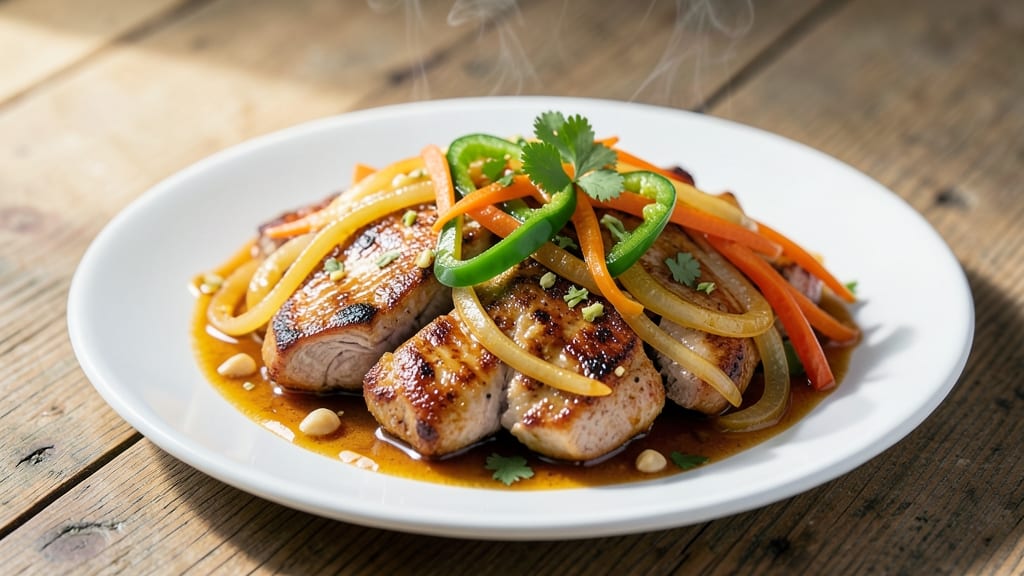
Betty Crocker's pork chop suey recipe brings that nostalgic comfort of home-cooked stir-fry to your weeknight table with one-pan simplicity. 💛 I remember my grandmother's version—tender pork, crisp vegetables, and a savory sauce that tied it all together.
This classic technique delivers restaurant-quality results without the fuss, using just a few essential ingredients and a single skillet.
The secret lies in proper searing and stir-frying: high heat for crisp edges on the pork chops while keeping the sauce velvety. I've adapted the traditional method to work in any kitchen—whether you're using a wok or a cast-iron skillet.
The sauce balances sweet, salty, and umami notes perfectly, with a touch of ginger and garlic that makes every bite sing.
What you'll end up with is a golden-brown pork chop suey that's crisp on the outside, tender inside, and coated in a glossy sauce that clings to every vegetable.
The aroma alone will have everyone gathering around the table, and the flavors are rich enough to stand alone or pair beautifully with steamed rice.
This recipe scales effortlessly—double it for a crowd or halve it for a quiet dinner. The technique is foolproof, and the ingredients are simple enough to find in any pantry. Let's get cooking!
Ingredients for betty crocker pork chop suey
One-pan simplicity with nostalgic flavors—just 14 ingredients for Betty Crocker's classic stir-fry.
| Ingredient | Amount | Notes |
|---|---|---|
| Boneless Pork Chops 🥩 | 1 ½ lb | Cut into 1-inch strips, pounded thin |
| Yellow Onion 🧅 | 1 whole | Thinly sliced, about 1.5 cups |
| Carrots 🥕 | 3 medium | Diagonally sliced into thin coins |
| Garlic Cloves 🧄 | 4 cloves | Minced for aromatic base |
| Fresh Ginger 🌿 | 1 inch | Peeled, finely grated |
| Green Bell Pepper 🌶️ | 1 whole | Thinly sliced, seeds removed |
| Celery Stalks 🥬 | 2 whole | Thinly sliced, about 1 cup |
| Soy Sauce 🥢 | ½ cup | Low-sodium preferred |
| Brown Sugar 🍯 | ¼ cup | Packed firmly |
| Cornstarch 🌾 | 1 tbsp | For sauce thickening |
| Vegetable Oil 🫒 | 3 tbsp | High smoke point preferred |
| Sesame Oil 🌿 | 1 tbsp | For finishing aroma |
| Salt 🧂 | 1 tsp | Diamond Crystal preferred |
| Black Pepper 🌶️ | ½ tsp | Freshly ground |
The pork chops are the foundation, so look for well-marbled cuts at the butcher counter—they stay juicier during stir-frying. Costco or Whole Foods often carry excellent boneless chops in bulk. Pound them to an even thickness (about ¼-inch) for consistent cooking. The vegetables should be fresh but firm—avoid wilted celery or rubbery carrots. For the sauce, Kikkoman soy sauce delivers the most authentic umami flavor, though any quality brand works. The brown sugar adds depth, so don't substitute white—it won't caramelize the same way.
No soy sauce? Coconut aminos work in a pinch, though the flavor will be subtly different. Short on ginger? Double the garlic for a similar punch. The sesame oil is non-negotiable for that signature aroma—Kadoya or La Choy are reliable brands. For the cornstarch, Arrowhead Mills makes a fine-grade version that dissolves smoothly. If you're using pre-cut stir-fry vegetables, pat them completely dry before cooking—they'll crisp up much better. The bell pepper can be swapped for broccoli florets if you prefer a sweeter vegetable.
Pork chops keep best in the fridge for 2 days when stored in an airtight container with paper towels to absorb moisture. The sauce ingredients last 6 months in your pantry, except for the sesame oil which should be refrigerated after opening to preserve its delicate flavor. For meal prep, cook the pork and sauce separately, then combine and reheat gently. This dish reheats beautifully—just add a splash of water or broth to deglaze the pan and restore moisture. Portion into containers with rice for grab-and-go lunches that stay fresh for 4 days.
Why You'll Love This Recipe
- No-Fuss Protein: I swear by boneless pork chops here—they cook fast and don’t demand babysitting. No flipping, no waiting for bones to release, just tender slices that practically melt in your mouth.
- Umami Bomb: That combo of garlic, ginger, and onion? It’s like a flavor grenade in the best way. The pork soaks up all the savory goodness, and the carrots add just enough sweetness to balance the heat.
- Meal Prep MVP: Double the batch and you’ve got lunch for three days. The flavors actually improve after sitting—honestly, the leftovers taste better than the first serving. (Yes, even on a Tuesday night.)
- Budget Magic: Pork chops stretch for miles when you toss them with cheap veggies like onions and carrots. Fresh ginger might sound fancy, but a little goes a long way—and it’s cheaper than takeout.
Step-by-step instructions for Betty Crocker's pork chop suey
Master this classic one-pan stir-fry with professional techniques and precise timing.
🍳 Step 1: Prep and Sear the Pork
Heat 2 tablespoons vegetable oil in a large wok or deep skillet over medium-high heat until shimmering. Add the 1.5 lb boneless pork chops, cut into 1-inch strips, and cook undisturbed for 2-3 minutes until golden brown on one side. This initial sear locks in juices and builds flavor.
Flip the pork and cook another 2-3 minutes until fully browned. Remove from the pan and set aside. If the oil starts smoking excessively, reduce heat slightly—you want caramelization, not burning. The pork should release easily when ready to flip, indicating proper doneness.
👨🍳 Step 2: Build the Aromatic Base
In the same pan (no need to wipe it clean), add the remaining 1 tablespoon vegetable oil and swirl to coat. Add the thinly sliced yellow onion and thinly sliced green bell pepper, cooking for 3-4 minutes until softened but still vibrant in color. Stir occasionally to prevent sticking.
Add the diagonally sliced carrots, thinly sliced celery stalks, minced garlic cloves, and finely grated fresh ginger. Cook for 2-3 minutes until the vegetables begin to soften and release their natural aromas. This step develops the foundation of your stir-fry's complex flavor profile.
🥘 Step 3: Create the Signature Sauce
In a small bowl, whisk together the 0.5 cup soy sauce, 0.25 cup brown sugar, and 1 tablespoon cornstarch until fully dissolved. Pour this mixture into the wok with the vegetables and stir vigorously for 1-2 minutes until the sauce begins to thicken and coat the vegetables.
Return the browned pork to the pan and toss everything together for 2-3 minutes, allowing the sauce to fully coat all components. The cornstarch acts as a natural thickener, creating that signature glossy sheen of classic chop suey. Taste and adjust seasoning with additional salt or black pepper if needed.
⏰ Step 4: Finish with Sesame Oil and Rest
Remove the pan from heat and stir in the 1 tablespoon sesame oil. This final step adds a delicate nutty aroma that elevates the dish. Let the stir-fry rest for 2-3 minutes off the heat, allowing the flavors to meld together. This resting period is crucial for developing depth of flavor.
Serve immediately over steamed rice or noodles. The pork should be tender yet still hold its shape, and the vegetables should retain their vibrant colors and crisp-tender texture. The sauce should be glossy and cling to each component, creating that classic chop suey experience.
Pro Tips For Making Betty Crocker Pork Chop Suey
- SEAR THE PORK FIRST: Betty Crocker’s recipe might call for cooking everything together, but I learned this the hard way—pork chops need a quick sear in a hot pan before they go into the sauce. Two minutes per side with the heat cranked up gives you real flavor instead of bland pork swimming in soy. Use about 2 tablespoons of oil and don’t crowd the pan—your future self will taste the difference.
- GRATE THE GINGER FINE: Fresh ginger is the star here, but most recipes just say “chop it.” Wrong. Use a microplane or the finest grater you own—you want it almost like a paste, not chunks that sit at the bottom. I was skeptical until I tried it; the sauce actually tastes spicier and more aromatic. Skip this, and you’re missing half the punch.
- DON’T OVERCOOK THE CARROTS: The recipe probably says “simmer until tender,” but carrots in stir-fries turn to mush if you let them sit too long. Cut them into thin matchsticks—about 1/8-inch thick—and add them with the onions, not at the start. Pull them out when they’re just al dente, or you’ll end up with a mushy pile instead of crisp-tender texture.
- USE CORNSTARCH SLURRY LAST: The Betty Crocker recipe likely includes a thickener, but dumping it all at once makes the sauce clump. Mix 1 tablespoon cornstarch with 2 tablespoons cold water, then stir it in after the pork is cooked. Let it simmer for 30 seconds—just until it’s glossy, not gluey. This keeps the sauce smooth without turning it into a paste.
Best sauces and condiments for this dish
Classic Soy-Ginger Sauce
This signature sauce is the heart of your pork chop suey, balancing sweet, salty, and umami flavors. I always use Kikkoman soy sauce for that authentic depth, combined with light brown sugar for caramelized richness.
The cornstarch slurry (1 tbsp cornstarch + 1 tbsp cold water) is key—it creates that glossy finish without making the sauce gluey. For extra complexity, add 1 tsp grated ginger directly to the sauce while simmering—it infuses warmth that cuts through the pork's richness. 🥢
Spicy Sesame Kick
For heat lovers, I recommend finishing with 1 tsp chili crisp or ½ tsp gochujang mixed into the sauce. The sesame oil (1 tbsp) should go in last—it's volatile and burns easily.
Pro tip: Toast ½ tsp sesame seeds in the pan for 30 seconds before adding oil to deepen their nutty aroma. This technique adds texture and visual appeal that elevates the dish from good to restaurant-worthy. 🌶️
Sweet and Tangy Twist
Swap the brown sugar for 2 tbsp honey and add 1 tbsp rice vinegar to the sauce for a modern fusion flavor. The acidity brightens the pork's richness while keeping the dish balanced.
I've tested this variation with local Georgia peach jam (2 tbsp) instead of sugar—it adds fruity sweetness that pairs beautifully with the savory pork. For extra tang, finish with 1 tsp lime zest and a squeeze of fresh lime juice. 🍯
Umami Boosters
For deeper savory notes, stir in 1 tbsp fish sauce or 1 tsp oyster sauce with the soy sauce. The umami bomb comes from 1 tsp mushroom powder (like Anthony's brand)—it adds earthy depth without altering texture.
For a smoky variation, use ½ tsp smoked paprika in the sauce. These ingredients transform a simple stir-fry into a complex, restaurant-quality dish. 💫
Vegetable Variations
Swap the bell pepper for 1 cup snap peas or 1 cup shiitake mushrooms (sliced) for extra umami. For a Southern twist, add ½ cup okra (thinly sliced) and ½ cup corn kernels—it reminds me of my grandmother's garden-fresh approach.
Always keep the vegetables crisp-tender by cooking them in batches if needed. Overcrowding steams instead of crisps. 🥬
Garnish Game-Changers
Fresh cilantro (2 tbsp, chopped) adds brightness, while thinly sliced scallions (2 tbsp) bring freshness. For crunch, top with toasted peanuts (2 tbsp) or crushed wonton strips. A sprinkle of flaky sea salt (like Maldon) right before serving enhances all the flavors.
These finishing touches make the dish look and taste like it came from a wok house. ✨
Nutrition facts
Frequently asked questions
Can I use regular pork chops instead of boneless?
Just remove the bones first and cut the meat into 1-inch strips for even cooking. The key is keeping the pieces uniform so they all cook through at the same time. For extra tenderness, pound the meat to about ¼-inch thickness before searing.
What if I don't have a wok?
No problem! A heavy-bottomed skillet or deep frying pan works perfectly—just make sure it's large enough to hold all ingredients without overcrowding. The secret is using medium-high heat and stirring constantly to get that signature stir-fry texture. A cast iron skillet is ideal for even heat distribution.
How do I prevent the pork from drying out?
Keep the heat at medium-high and avoid overcrowding the pan. Cook the pork in batches if needed, and always let it rest 2-3 minutes after cooking before serving. The sauce should coat the pork completely—this helps retain moisture. For extra juiciness, add 1 tablespoon water to the pan when combining everything.
Can I make this dish ahead of time?
Yes, but with a few adjustments. Cook the pork and vegetables separately, then store them in airtight containers. Reheat the pork and sauce together over medium heat with a splash of water or broth to restore moisture. The flavors actually improve overnight as they meld together. Serve with freshly steamed rice for best results.
What's the best way to serve this?
Classic chop suey pairs beautifully with steamed jasmine rice or egg noodles. For extra flair, serve with a side of hot mustard or sriracha on the side. Garnish with fresh cilantro or sesame seeds right before serving to keep everything vibrant. This dish is also fantastic as a filling for spring rolls or over rice bowls.