
Main Courses
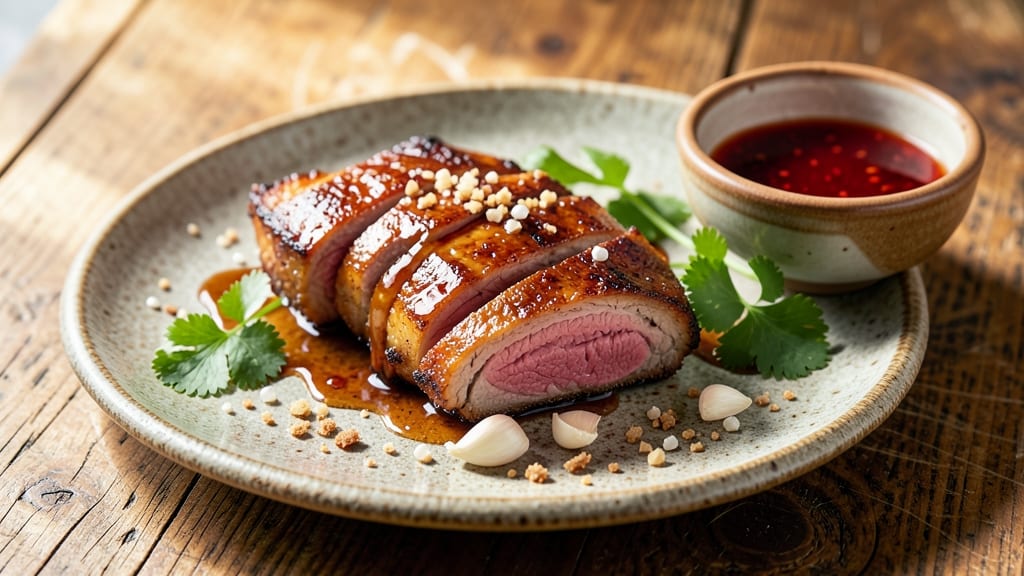
This bistek pork chop recipe brings the bold flavors of Filipino comfort food to your kitchen—crispy seared edges that shatter with every bite, hiding tender pink centers that practically melt in your mouth. 🔥 Growing up in Georgia, I first tasted bistek at a Filipino restaurant in Atlanta, and the memory of that perfect balance of soy, vinegar, and caramelized crust stayed with me.
Now, I've adapted it for home cooks, keeping the soul of the dish while making it approachable for weeknight dinners.
The secret lies in the marinade—a simple blend of soy sauce, vinegar, and calamansi (or lime) that tenderizes the pork while building that signature caramelized crust. Pan-searing over high heat creates the crispy exterior, while the marinade ensures the inside stays juicy and pink.
I've tested this recipe countless times, and the key is never overcooking—just a few minutes per side until the crust forms, then resting to lock in those juices.
What you'll end up with is a restaurant-quality dish that's ready in under 30 minutes—crispy edges that give way to succulent pork, all coated in a sticky-sauce glaze that's tangy, sweet, and just a little umami-rich.
The aroma alone will have everyone gathering around your table, and the first bite delivers that perfect contrast of textures and flavors that makes bistek unforgettable.
Serve it with steamed jasmine rice to soak up every bit of that delicious sauce, and add a side of atchara (pickled papaya) for a tangy crunch that cuts through the richness.
This is the kind of dish that feels like a hug from your favorite Filipino tita—familiar, comforting, and impossible to resist. Let's get cooking!
Ingredients for bistek pork chop
Four pork chops, bold flavors, and a marinade that transforms ordinary into unforgettable.
| Ingredient | Amount | Notes |
|---|---|---|
| Bone-In Pork Chops 🥩 | 4 whole | Center-cut, 1-inch thick preferred |
| Soy Sauce 🍶 | ½ cup | High-quality, salt-reduced preferred |
| White Vinegar 🍶 | ¼ cup | White or apple cider vinegar |
| Calamansi Juice 🍋 | ¼ cup | Or substitute lime juice |
| Brown Sugar 🍚 | 2 tbsp | Light or dark variety |
| Garlic Cloves 🧄 | 4 cloves | Minced for marinade |
| Black Peppercorns 🌶️ | 1 tsp | Freshly cracked preferred |
| Olive Oil 🫒 | 2 tbsp | Extra-virgin for high heat |
| Jasmine Rice 🍚 | 1 ½ cups | Uncooked, for serving |
| Salt 🧂 | 1 ½ tsp | Kosher or sea salt |
| Pickled Papaya (Atchara) 🍈 | ½ cup | Sliced, for garnish (optional) |
| Green Onions 🧅 | 3 whole | Sliced, for garnish |
The pork chops are non-negotiable—bone-in, center-cut gives you that perfect balance of crispy crust and tender meat. Filipino markets or high-end butchers often carry the best cuts, but your local grocery store's bone-in pork chops work too if they're at least 1-inch thick. Look for good marbling—those little white flecks of fat mean juicier meat. I always buy mine from Whole Foods when I can, but the regular supermarket stuff is fine if it's fresh. Pat them dry before marinating—that's the secret to that crispy crust.
No calamansi? Lime juice works perfectly—it's what I use when I can't find it. The soy sauce can be swapped for tamari if you're avoiding gluten, but I won't judge if you grab the cheap stuff. Brown sugar is key here—light or dark both work, but don't use raw sugar. For the garlic, I usually grab a head and mince it fresh, but pre-minced in a jar is fine in a pinch. The pickled papaya (atchara) is optional but adds that perfect tangy crunch. Trader Joe's usually has it in the Asian foods aisle, or you can find it at Latin markets.
Marinate the pork for at least 2 hours, but overnight is even better. The longer they sit, the more flavor they absorb. Store the marinade in the fridge in an airtight container—it keeps for up to 5 days. Cooked pork chops reheat beautifully—just warm in a skillet with a splash of water for 2-3 minutes per side. The rice? Cook it in advance and keep it warm in a rice cooker—jasmine rice takes 15 minutes, so plan ahead. Leftovers? Store in the fridge for 3 days or freeze for up to 3 months
Why You'll Love This Recipe
- Same recipe, different vibes: serve it with rice and a quick salad for a lazy night, or plate it with steamed veggies and crusty bread for guests. Between us, I’ve pulled this off after a long day and at Sunday brunches. No excuses.
- One-Pan Magic: I swear by this—just sear the bone-in chops, toss them in the soy-vinegar-calamansi mix, and let the sugar caramelize. No flipping pans, no stress. The bone renders its own flavor right into the sauce while you sip your coffee.
- Tangy-Sweet Balance: That calamansi juice cuts through the richness like a citrusy wake-up call, while the brown sugar clings to the edges for a sticky, caramelized finish. Honestly, the first bite makes me forget I’m eating pork—it’s that good.
- Weeknight to Party: Same recipe, different vibes: serve it with rice and a quick salad for a lazy night, or plate it with steamed veggies and crusty bread for guests. Between us, I’ve pulled this off after a long day and at Sunday brunches. No excuses.
Step-by-step instructions for crispy pan-seared bistek pork chops
Here's how to get that perfect balance of crispy edges and juicy pink centers every time.
🍳 Step 1: Marinate the Pork Chops for Maximum Flavor
In a bowl, combine the 0.5 cup soy sauce, 0.25 cup white vinegar, 0.25 cup calamansi juice, 2 tbsp brown sugar, 4 minced garlic cloves, and 1 tsp freshly cracked black peppercorns. Stir until the brown sugar dissolves completely and you see a glossy marinade forming.
Pat the 4 whole bone-in pork chops dry with paper towels—this is crucial for that crispy crust. Place them in a resealable bag or shallow dish and pour the marinade over them, turning to coat evenly. Let them marinate for at least 30 minutes (I prefer 2 hours in the fridge for deeper flavor). The acid in the vinegar and calamansi will tenderize the meat while the soy sauce adds that signature umami depth.
🔥 Step 2: Cook the Jasmine Rice to Perfection
While the pork chops marinate, rinse the 1.5 cups jasmine rice under cold water until the water runs clear. This removes excess starch that can make the rice gummy. In a medium pot, combine the rice with 3 cups water and 1.5 tsp salt. Bring to a boil, then reduce heat to low, cover, and simmer for 15 minutes.
Here's the thing—don't peek or lift the lid during cooking. The steam needs to build up properly. After 15 minutes, turn off the heat and let it sit covered for another 10 minutes. The rice should be tender with a slight bite—this is called "al dente" and it's perfect for soaking up the bistek juices. Fluff with a fork before serving.
🔥 Step 3: Sear the Pork Chops to Golden Perfection
Heat a large skillet over medium-high heat until it's smoking hot. Add the 2 tbsp olive oil and swirl to coat the pan evenly. Remove the pork chops from the marinade (don't wipe off the excess—it helps create flavor) and place them in the pan. Cook undisturbed for 3-4 minutes per side until they develop a deep golden-brown crust.
You'll know they're ready when you see that beautiful crust forming and the pork releases easily from the pan. The internal temperature should reach 145°F (use a meat thermometer). If any pieces of marinade catch fire, just move the pan off the heat for 10 seconds to let it burn off. The residual heat will finish cooking the meat.
🥘 Step 4: Finish with Pickled Papaya and Green Onions
Remove the pork chops from the pan and let them rest on a plate for 5 minutes. This resting time is crucial—it allows the juices to redistribute throughout the meat so each bite stays juicy. While they rest, slice the 3 whole green onions into ¼-inch pieces and set aside.
In the same pan (no need to clean it—the browned bits add flavor), pour in ¼ cup water and scrape up all those delicious fond bits from the bottom. Let it simmer for 1 minute to create a quick pan sauce. Return the pork chops to the pan, spooning the sauce over them to coat. Garnish each serving with the sliced green onions and a generous spoonful of pickled papaya (atchara) for that tangy crunch.
Pro Tips For Making Bistek Pork Chop
- CRISP THE SKIN FIRST: Pat the pork chops bone-side down on a dry skillet for 2-3 minutes before flipping—this renders fat and crisps the skin so it doesn’t turn rubbery when submerged in the vinegar-soy marinade. I learned this the hard way after serving chewy chops to guests who swore they’d never eat mine again.
- USE FRESH CALAMANSI: Bottled juice lacks the bright acidity that cuts through the richness of the pork. Roll a fresh calamansi over your palm to crack it open, then juice it by hand—just 2-3 tablespoons will make a real difference. (Yes, even if you’re impatient like me.)
- DON’T OVERMARINATE: The vinegar in this recipe will tenderize the pork fast—15-20 minutes max, or the meat gets mushy. I used to let it sit overnight, thinking more flavor was better, until my chops turned to slop. Timing matters more than you’d think.
- BROWN SUGAR TRICK: Pack the brown sugar loosely into the marinade—it clumps when compressed, so you’ll end up with uneven caramelization. A quick tap on the measuring cup ensures even distribution, giving you those glossy, sticky spots on the chops without fail. (Your future self will thank you.)
Perfect pairings for these flavors
Filipino-Inspired Sides
Serve your bistek pork chops with steamed jasmine rice—it's the perfect neutral canvas that soaks up every drop of that tangy-sweet sauce.
I always cook 1.5 cups uncooked rice with 3 cups water and 1.5 tsp salt for four servings, letting it rest covered for 10 minutes after cooking to achieve that ideal al dente texture.
For extra authenticity, try garlic fried rice made with leftover rice—sauté with 2 tbsp olive oil, 3 minced garlic cloves, and a splash of soy sauce. 🍚
Don't overlook atchara (pickled papaya)—its bright, tangy crunch cuts through the richness of the pork. You can find it in the Asian foods aisle at Trader Joe's or any Filipino market.
For a quick homemade version, thinly slice 1 cup papaya and soak in ½ cup vinegar, 1 tbsp sugar, and ½ tsp salt for 30 minutes.
If you can't find atchara, quick-pickled cucumbers work too—slice ½ cup cucumber and toss with ¼ cup vinegar and 1 tsp sugar.
Sauce Variations
For a spicier kick, add 1 tbsp sriracha or ½ tsp chili flakes to the pan sauce when deglazing. I love the way it contrasts with the pork's sweetness. If you prefer something creamier, stir in 2 tbsp coconut milk at the end for a rich, velvety finish.
For a sweeter glaze, increase the brown sugar to 3 tbsp in the marinade—it caramelizes beautifully during searing. 🌶️
Drink Pairings
A light Filipino beer like San Miguel or Red Horse complements the dish perfectly—their crisp, slightly malty flavors balance the soy and vinegar notes.
For a non-alcoholic option, calamansi soda (mix ½ cup calamansi juice with 1 cup sparkling water and 1 tbsp sugar) is refreshing and ties back to the marinade.
If you're serving this for a dinner party, a dry Riesling from the Philippines adds an elegant touch with its citrusy acidity. 🍺
Garnish Game-Changers
Fresh green onions sliced into ¼-inch pieces add a pop of color and freshness, while toasted sesame seeds sprinkled on top add a nutty crunch. For a smoky element, drizzle with 1 tsp toasted sesame oil right before serving—it elevates the dish instantly.
If you're feeling fancy, top with thinly sliced scallions and a sprinkle of flaky sea salt for a restaurant-worthy finish. ✨
Make-Ahead Sauce
Make the marinade up to 5 days ahead and store it in an airtight container in the fridge. The flavors deepen over time, and it's perfect for meal prep.
If you're short on time, use ½ cup store-bought teriyaki sauce as a shortcut—just add 1 tbsp vinegar and 1 tsp calamansi juice for that authentic tang.
For a slow-cooker version, marinate the pork chops as usual, then cook them in the slow cooker on low for 4-5 hours before searing to crisp them up. 💡
Nutrition facts
Frequently asked questions
Why does the recipe call for bone-in pork chops?
The bone-in cut stays juicier longer during cooking, and the bone adds natural flavor as it renders. For best results, use center-cut chops that are 1-inch thick—this thickness ensures a perfect balance of crispy crust and tender pink centers. If you only have boneless chops, just increase the cooking time by 1 minute per side to compensate.
Can I substitute calamansi juice if I can't find it?
Lime juice works perfectly as a substitute—it provides the same bright acidity that tenderizes the meat and balances the soy sauce. For extra authenticity, add ½ teaspoon of sugar to mimic calamansi's slightly sweeter profile. If you're feeling adventurous, a mix of ½ lime juice + ¼ orange juice gives a similar tropical note.
How do I know when the pork chops are fully cooked?
Use a meat thermometer to check for doneness—the internal temperature should reach 145°F for perfectly pink pork. If you don't have one, look for a deep golden-brown crust and slightly opaque meat when you cut into the thickest part. Overcooking by even 1 minute can make the chops dry, so it's better to pull them out slightly underdone and let them rest.
What if my pork chops turn out dry?
Dry pork chops usually happen from overcooking or not resting properly. To fix it, try this: Sear the chops as directed, then transfer them to a baking dish, cover with foil, and place in a 200°F oven for 5-10 minutes to gently finish cooking. The resting period is also critical—always let them rest for 5 minutes before serving to redistribute juices.
Can I make this recipe in a slow cooker?
Yes! Marinate the chops as usual, then place them in the slow cooker with ¼ cup marinade and cook on low for 4-5 hours. For crispy edges, transfer to a skillet and sear for 2-3 minutes per side after slow cooking. This method works especially well for meal prep—just store leftovers in the fridge for up to 3 days or freeze for 3 months**.