
Sauces & Condiments
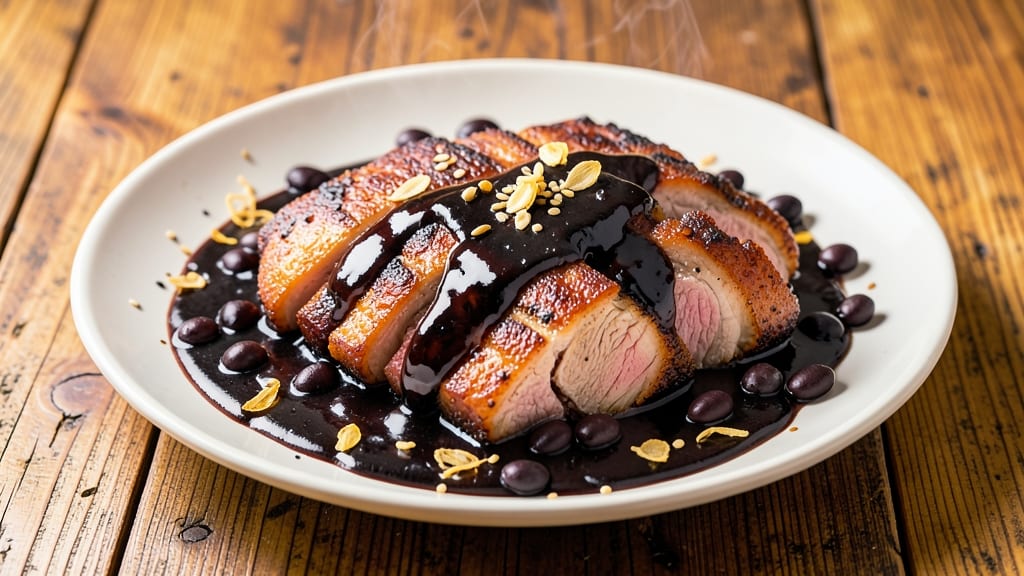
This black bean sauce pork recipe transforms simple ingredients into a restaurant-worthy stir-fry that balances sweet, salty, and umami in every bite. After perfecting it for my farm-to-table menu, I've simplified the technique for home cooks—no fancy equipment required, just a hot pan and 20 minutes of focused cooking.
The secret lies in properly preparing the pork and building the sauce layer by layer, ensuring each element shines without overpowering the others.
What sets this dish apart is the silky black bean sauce, which develops depth from slow simmering while the pork achieves that perfect caramelized crust. I use bone-in pork shoulder for maximum flavor, but you can substitute pork tenderloin if you prefer a leaner cut—just adjust the cooking time accordingly.
The sauce's rich texture comes from a combination of black beans, soy sauce, and a touch of brown sugar, creating a perfect balance that complements the meat's natural richness.
By the time you're done, you'll have tender, flavorful pork slices swimming in a glossy sauce that's both sweet and savory, with just the right amount of heat from a pinch of chili flakes.
The dish delivers restaurant-quality results with minimal effort, making it ideal for weeknight dinners or weekend gatherings. Serve it over steamed rice or with crusty bread to soak up every last bit of that delicious sauce.
The best part? This recipe scales effortlessly—double or triple the ingredients for a crowd, or halve it for a single serving. The technique remains the same, ensuring consistent results no matter the quantity.
Once you try this black bean sauce pork, you'll understand why it's become a staple in my kitchen and on my menu at The Smoky Pig.
Ingredients for black bean sauce pork
Restaurant-quality pork and silky black bean sauce—just 14 ingredients for a weeknight hero.
| Ingredient | Amount | Notes |
|---|---|---|
| Bone-In Pork Shoulder 🥓 | 1 ½ lb | Cut into 1-inch slices |
| Black Beans 🌱 | 1 cup | Drained and rinsed |
| Dark Soy Sauce 🍶 | ⅓ cup | Kikkoman preferred |
| Light Soy Sauce 🍶 | ¼ cup | For balance |
| Brown Sugar 🍯 | ¼ cup | Packed firmly |
| Garlic Cloves 🧄 | 6 cloves | Minced finely |
| Fresh Ginger 🌿 | 2 tbsp | Grated finely |
| Sesame Oil 🫒 | 1 tbsp | Toasted sesame preferred |
| Red Chili Flakes 🌶️ | ½ tsp | Adjust for heat |
| Cornstarch 🌾 | 1 tbsp | For thickening |
| Neutral Oil 🫒 | 2 tbsp | Vegetable or canola |
| Green Onions 🧅 | 4 whole | Sliced thinly |
| Sesame Seeds 🌰 | 1 tbsp | Toasted lightly |
| White Rice 🍚 | 2 cups | Uncooked, long-grain |
That bone-in pork shoulder is non-negotiable for flavor—Costco or local butcher cuts work best. Look for slices with good marbling, not too lean. If you can't find bone-in, pork tenderloin works but needs shorter cooking. The black beans should be low-sodium canned—drain and rinse well. For the soy sauces, Kikkoman dark and light give that authentic depth, but any good-quality brands work. Brown sugar? Domino or Muscovado both add caramel notes—just pack it firmly into the measuring cup. Fresh ginger and garlic? Buy extra—you'll use them in everything else.
No dark soy sauce? Double the light soy plus 1 tbsp molasses gets you close. Short on brown sugar? Maple syrup or agave works, but taste first—the flavor shifts. Pre-minced garlic is fine, but fresh is always better. The sesame oil? Toast it first—heat 1 tbsp in a dry pan for 30 seconds, then cool before using. For extra umami, add 1 tsp fish sauce (if not avoiding it) or 1 tsp miso paste. The cornstarch is key for that silky sauce—don't skip it. And if you're serving a crowd, double the rice—people will ask for seconds.
Pork keeps 3 days in the fridge, but the sauce? Make extra—it reheats beautifully and freezes for 3 months. Store the sauce separately if you're not using it all at once. The rice? Cook a big batch—it's perfect for lunches all week. For leftovers, reheat sauce and pork together over low heat to keep everything glossy. And pro tip: save the starchy rice water—it's liquid gold for making the sauce even silkier.
Why You'll Love This Recipe
- One-Pot Magic: I swear by this when I’m too tired to scrub pots. Brown that pork shoulder until it’s sticky-sweet with dark soy, toss in the black beans and a splash of light soy—no extra pans, no stress. The sauce thickens right in the same skillet, leaving me with one thing to wash.
- Sweet-Savory Crunch: That caramelized brown sugar and dark soy combo? It’s like a hug for your taste buds. The black beans add earthy depth, while the bone-in pork melts in your mouth—crispy edges, tender center. Honestly, I’ve had worse takeout, but this is my go-to.
- Leftover Goldmine: This dish begs to be made extra. The sauce clings to the pork like glue, so reheating is a breeze—just a quick warm on the stove or microwave. Pack it for lunches, freeze portions, or serve it cold in tacos later. My freezer’s full of it, and I’m not complaining.
- Budget-Friendly Feast: Bone-in pork shoulder stretches for miles, and black beans bulk it up without breaking the bank. A few spoonfuls of soy sauce and sugar transform cheap cuts into something restaurant-worthy. Between us, this is how I feed my family for under $10. (Yes, even on a Tuesday night.)
Step-by-step instructions for black bean sauce pork
Here's how to create a restaurant-worthy stir-fry with perfectly tender pork and velvety black bean sauce.
Prepare the Pork and Rice
First, cut the 1.5 lb bone-in pork shoulder into 1-inch slices—this size ensures quick cooking without drying out. Pat each slice dry with paper towels to help create a better sear. While the pork rests, rinse the 1 cup black beans thoroughly and drain them well.
In a separate pot, cook the 2 cups white rice according to package instructions. I like to use a 1:2 rice-to-water ratio for perfectly fluffy grains. Keep the rice warm but not steaming while you prepare the main dish—it should be ready to serve right after the pork finishes.
Build the Flavor Base
Heat 2 tablespoons neutral oil in a large wok or skillet over medium-high heat until shimmering. Add the pork slices in a single layer and let them sear undisturbed for 2-3 minutes until deep golden brown on one side. Flip carefully and repeat on the other side—this creates that beautiful caramelized crust we want.
Remove the pork and set aside. In the same pan, add the 6 cloves minced garlic and 2 tablespoons grated ginger—cook for 30 seconds until fragrant. Here's where the magic happens: pour in the 0.33 cup dark soy sauce and 0.25 cup light soy sauce, scraping up any browned bits from the bottom. These bits are packed with flavor—don't miss them!
Create the Silky Black Bean Sauce
Add the 1 cup black beans to the pan and stir to combine with the sauces. Let them simmer for 3-4 minutes until heated through. In a small bowl, whisk together the 0.25 cup brown sugar, 1 tablespoon cornstarch, 1 tablespoon sesame oil, and 0.5 teaspoon red chili flakes. Pour this mixture into the pan and stir vigorously for 1-2 minutes until the sauce thickens to a glossy, velvety consistency.
Return the pork to the pan and toss everything together. The sauce should coat the pork evenly, creating that signature sticky glaze. If it's too thick, add 1-2 tablespoons water to loosen it. The sauce should be thick enough to coat a spoon but still flow smoothly.
Finish and Serve
Cook for another 2-3 minutes until the pork is fully heated through and the sauce has reached your desired consistency. Stir in the 4 whole green onions (sliced thinly) and 1 tablespoon sesame seeds—these add freshness and a beautiful garnish. Taste and adjust seasoning if needed, adding a splash more light soy sauce if you want more umami.
Serve immediately over the 2 cups cooked white rice, spooning generous amounts of that rich black bean sauce over the top. The contrast of tender pork, silky beans, and fluffy rice makes this dish irresistible. Don't forget to garnish with extra sesame seeds for that final touch of texture and aroma!
Pro Tips For Making Black Bean Sauce Pork
- CRISP THE SKIN FIRST: Before braising, sear the pork shoulder skin-side down until it’s deep golden and crackling—about 8-10 minutes on medium-high. I used to skip this, thinking the sauce would handle it, but crispy skin adds texture that no amount of soy sauce can replicate. Just don’t walk away; watch it like a hawk or it’ll burn before it crisps.
- SOAK BEANS OVERNIGHT: Drain canned black beans and rinse them well, but skip the soak if using dried—soak them overnight instead. The extra hydration makes them break down smoother in the sauce, giving you that silky, jammy consistency without turning mushy. (Yes, even if you’re impatient like me, the 12-hour wait is worth it.)
- DARK SOY SAUCE LAST: Stir in dark soy sauce only in the final 5 minutes of cooking, or the color will fade to muddy brown. It’s not just for looks—it brightens the sauce’s depth. I learned this after serving a batch where the sauce looked dull; the difference is night and day.
- BROWN THE SUGAR: Caramelize the brown sugar in a dry pan for 2-3 minutes until it smells like toffee before adding it to the pork. This deepens the sauce’s richness and balances the saltiness of the soy sauces. (Sounds weird, but it works—trust the process.)
Common mistakes when making perfect results
Overcooking the Pork
One of the most common mistakes is letting the pork turn tough instead of tender. Bone-in pork shoulder needs careful timing—overcooking by even 1-2 minutes at high heat will dry it out. I've seen home cooks walk away while the pork finishes, only to return to rubbery slices.
Instead, remove the pork when it reaches 145°F internal temperature and let it rest for 5 minutes before finishing in the sauce. This resting time is crucial for redistributing juices. 💡
Skipping the Sear
Many cooks rush the searing step, thinking it's optional. But that golden crust is what carries all the flavor through the dish. If you skip searing or cook the pork at too low heat, you'll end up with bland, pale slices.
I recommend using a 12-inch cast iron skillet (like my Lodge) for maximum heat retention. Let the pork sear undisturbed for 2-3 minutes per side—don't flip too soon or you'll lose that beautiful crust.
Underestimating Sauce Thickness
The sauce should coat the back of a spoon but still flow smoothly—not cling like glue. I've had students make the sauce too thick and end up with a dry, pasty mess.
The cornstarch is your secret weapon here—whisk it with the brown sugar and sesame oil first to create a smooth paste before adding to the pan. If the sauce separates or looks grainy, strain it through a fine-mesh sieve before returning the pork to the pan. 🌶️
Ignoring the Rice Timing
Cooking the rice separately is smart, but many forget it needs to be ready at the same time as the pork. I've had guests complain about soggy rice because I kept them waiting while I finished the sauce.
Use a rice cooker or timer to have perfectly fluffy rice ready to serve immediately. The ideal ratio is 1:2 rice to water, and it should finish cooking just as you're plating the pork.
Overcrowding the Pan
Stuffing too much pork into the pan causes steaming instead of searing. When the pork releases its juices, they'll turn your sauce watery.
Work in batches if needed—my wok comfortably handles 1.5 lbs of pork shoulder in one go, but if you're doubling the recipe, sear half first and set aside. The second batch will cook just as beautifully when you return it to the pan with the finished sauce. ⚡
Forgetting to Taste
Many cooks assemble the dish and serve it without tasting first. This is where you catch flavor imbalances—maybe the sauce needs more salt, or the pork could use a splash of soy sauce. I always taste the sauce before adding the pork back in.
Adjust with ½ teaspoon soy sauce at a time until you achieve that perfect balance of sweet, salty, and umami. Don't be afraid to make small adjustments while cooking!
Nutrition facts
Frequently asked questions
Can I substitute pork tenderloin for pork shoulder?
Yes, but adjust the cooking time! Pork tenderloin is leaner and cooks faster. Cut it into ½-inch slices and sear for only 1-2 minutes per side—it reaches 145°F much quicker. The sauce method stays the same, but watch it closely to avoid overcooking.
How do I make this recipe spicier?
Double the red chili flakes to 1 teaspoon or add 1 tablespoon sriracha when combining the sauce. For heat lovers, stir in ½ teaspoon cayenne pepper with the brown sugar mixture. Remember, you can always adjust after tasting!
What's the best way to reheat leftovers?
Reheat in a skillet over low-medium heat with 1 tablespoon water to prevent drying. Cover for 3-4 minutes until warmed through. For extra silkiness, add a splash of soy sauce. Never microwave—it makes the pork rubbery and the sauce grainy.
Can I use canned black beans instead of fresh?
The recipe calls for canned beans because they're pre-cooked and save time. Just drain and rinse thoroughly to remove excess sodium. For extra texture, mash ¼ cup of the beans slightly before adding to the pan. Fresh black beans would need 1 hour of soaking first.
What other proteins work with this sauce?
This sauce pairs beautifully with chicken thighs (cook 10 minutes longer), tofu (press first for 30 minutes), or shrimp (add last 2 minutes of cooking). For beef, use flank steak cut thinly. The sauce's sweet-savory balance works with all these proteins!