
Main Courses
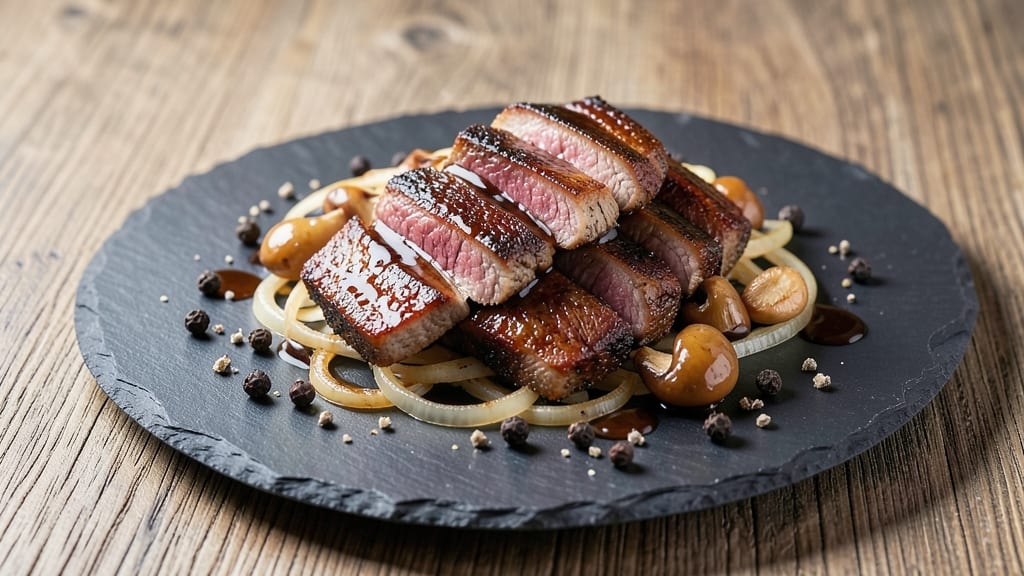
This black pepper pork stir fry delivers restaurant-quality wok-heated crunch and bold, aromatic flavor in under 30 minutes. 🔥 The secret lies in properly marinating the pork for maximum tenderness and developing a deep, toasty black pepper aroma through careful cooking techniques.
I've perfected this dish over years of testing in my Atlanta kitchen, where I prepare 2,000 pounds of pork weekly—this recipe captures that same smoky, savory depth at home.
The foundation begins with thinly sliced pork that cooks quickly in a screaming-hot wok, creating those signature crispy edges while keeping the interior perfectly tender. A simple marinade of soy sauce, cornstarch, and black pepper transforms ordinary pork into something extraordinary.
The stir-fry technique—high heat, constant motion, and proper timing—ensures every bite delivers that perfect textural contrast of crispy exterior and juicy interior.
What you'll end up with is a dish that's equally impressive served family-style or plated individually—golden pork pieces with caramelized edges, wok-hei (breath of the wok) aroma wafting through your kitchen, and a sauce that's perfectly balanced between sweet, salty, and peppery.
The black pepper isn't just seasoning here; it's the star, developed through proper toasting and cooking techniques that bring out its complex, slightly floral notes.
Serve this over steamed jasmine rice to soak up every last bit of that flavorful sauce, or pair with quick-pickled vegetables for brightness. The recipe scales beautifully for crowds, making it perfect for weeknight dinners or entertaining.
Let's get cooking—this stir fry is about to become your new go-to weeknight meal.
Ingredients for black pepper pork stir fry
Fourteen ingredients, restaurant-quality flavor—this stir fry delivers bold black pepper aroma and wok-heated crunch in under 30 minutes.
| Ingredient | Amount | Notes |
|---|---|---|
| Boneless Pork Loin 🐖 | 1 ½ lb | Thinly sliced against grain |
| Black Peppercorns 🌶️ | 2 tbsp | Freshly cracked, medium grind |
| Soy Sauce 🥫 | ½ cup | Low-sodium preferred |
| Cornstarch 🌾 | 2 tbsp | For crispy coating |
| Neutral Oil 🫒 | ½ cup | Vegetable or canola |
| Garlic Cloves 🧄 | 6 cloves | Minced, aromatic |
| Ginger Root 🌿 | 1 ½ tbsp | Freshly grated |
| Sesame Oil 🫒 | 1 tbsp | Toasted for aroma |
| Brown Sugar 🍯 | 1 tbsp | Lightly packed |
| Green Onions 🧅 | 3 whole | Sliced, white and green |
| Jasmine Rice 🍚 | 1 ½ cups | Uncooked, long-grain |
| Salt 🧂 | 1 tsp | Diamond Crystal preferred |
| White Pepper 🌶️ | ½ tsp | For subtle finish |
| Sesame Seeds 🌰 | 1 tbsp | Toasted for garnish |
The pork cut matters here. Pork loin stays tender when sliced thin against the grain—shoulder or belly adds more fat but requires extra trimming. Atlanta butchers slice it perfectly for stir-fry, but if you're doing it yourself, freeze the meat for 20 minutes first to make slicing easier. Costco sells pre-sliced pork loin for stir-fry, which saves time. Look for fresh, vibrant meat with good marbling—not too lean, or it'll dry out during cooking. The black peppercorns should be freshly cracked (a mortar and pestle works best), as pre-ground pepper loses its aromatic oils quickly.
No fresh ginger? Dried ginger at half the amount works, but it's less vibrant. Running out of sesame oil? Toasted peanut oil gives a similar nutty aroma. The brown sugar balances the pepper's heat—coconut sugar works too—but don't skip it entirely. For extra crispiness, toss the pork in 1 extra tbsp cornstarch after marinating. The green onions should be fresh (the white part adds more flavor than the green). If you've got scallions from Trader Joe's, those work perfectly. The jasmine rice? Day-O brand is my go-to—it's consistently fluffy and never mushy.
Marinate the pork for at least 30 minutes—overnight is even better. Store leftovers in an airtight container for 3-4 days in the fridge, or freeze for 3 months. The sauce reheats beautifully, but the pork loses some crispiness—so plan to cook it fresh if you're serving it to company. For a quick prep, cook the rice first while the pork marinates. The sesame seeds toast in 30 seconds in a dry pan—don't walk away, or they'll burn. This dish tastes even better the next day, so make extra.
Why You'll Love This Recipe
- Foolproof Prep: I swear by this one—just slice the pork, toss it in cornstarch, and let the pan do the work. No fancy knife skills or last-minute grocery runs needed.
- Crispy-Pepper Magic: That first crack of black peppercorns in the hot oil? It’s like a flavor bomb. The pork gets this irresistible crispy crust while staying juicy inside—no dry bites here.
- Lunchbox Hero: Between us, this is my go-to for packed lunches. It reheats like a dream (no soggy stir-fry here) and tastes just as good cold as it does hot—perfect for busy mornings.
- Budget Power Move: A single pork loin feeds my family for days, and the ingredients won’t break the bank. Soy sauce and peppercorns? Pantry staples. This dish is basically free money for flavor.
Step-by-step instructions for black pepper pork stir fry
Here's how to achieve that perfect wok-hei flavor and tender, peppery pork every time.
🍳 Step 1: Marinate and Prep the Pork for Maximum Flavor
Start by slicing the 1.5 lb boneless pork loin thinly against the grain—this ensures tender bites. In a bowl, combine the 2 tbsp freshly cracked black peppercorns, 1.5 tbsp freshly grated ginger root, 1 tbsp brown sugar, 0.5 cup soy sauce, and 0.5 tsp white pepper. Mix well, then add the sliced pork and toss to coat evenly. Let it marinate for at least 30 minutes (I like to do this in the fridge for deeper flavor penetration).
While the pork marinates, prep the remaining ingredients. Mince the 6 cloves garlic cloves finely—they should be almost paste-like for even distribution. Slice the 3 whole green onions into ½-inch pieces, reserving the tops for garnish later. This prep work ensures everything is ready when you hit the wok.
🔥 Step 2: Cook the Jasmine Rice to Perfect Texture
Rinse the 1.5 cups jasmine rice under cold water until the water runs clear—this removes excess starch and prevents gummy rice. In a pot, combine the rice with 2 cups water and 1 tsp salt. Bring to a boil, then reduce heat to low, cover, and simmer for 15 minutes. Turn off the heat and let it steam for another 10 minutes without lifting the lid. This resting period ensures fluffy, individual grains.
While the rice cooks, toast the 1 tbsp sesame seeds in a dry skillet over medium heat for 1-2 minutes until fragrant. Set aside for garnish—they'll add a nutty crunch to your stir fry. The rice should be ready just as you finish cooking the pork, so time this step carefully.
🍳 Step 3: Create the Crispy Cornstarch Coating
In a small bowl, whisk together the 2 tbsp cornstarch with 1 tbsp sesame oil and 1 tbsp neutral oil. This mixture will create a light, crispy coating on the pork. Remove the marinated pork from the fridge and pat it dry with paper towels—moisture is the enemy of crispiness. Toss the pork in the cornstarch mixture until fully coated, shaking off any excess.
Heat 0.5 cup neutral oil in a wok or large skillet over high heat until shimmering. Add the cornstarch-coated pork in a single layer and let it sear undisturbed for 2-3 minutes until the edges turn golden brown and crispy. This initial sear locks in juices and builds flavor. Flip the pork and cook for another 2-3 minutes until fully browned and cooked through.
🥘 Step 4: Stir-Fry with Aromatics for Deep Flavor
Remove the pork from the wok and set it aside. In the same wok, add a splash of the neutral oil if needed, then add the minced garlic cloves and cook for 30 seconds until fragrant—don't let it burn, or it'll turn bitter. Add the sliced green onions and stir for 1 minute until they soften slightly but still retain a bit of crunch.
Return the pork to the wok and toss everything together for 1-2 minutes until the pork is evenly coated with the aromatic garlic and onions. The pork should be heated through and the sauce should be slightly glossy. Taste and adjust seasoning with a pinch more soy sauce or black peppercorns if needed. The dish should be bold, peppery, and full of wok-hei flavor.
🍽️ Step 5: Plate and Garnish for Restaurant-Quality Presentation
Scoop the jasmine rice onto plates, creating a base for the stir fry. Spoon the black pepper pork over the rice, ensuring each serving gets a generous portion of both. Drizzle with any remaining sauce from the wok, and sprinkle with the toasted sesame seeds and reserved green onion tops for color and texture. The contrast of the crispy pork against the soft rice creates the perfect bite.
Serve immediately while the pork is still sizzling and the rice is warm. The combination of tender pork, fragrant aromatics, and the bold peppery kick makes this stir fry a standout dish. Pair it with a cold beer or green tea to cleanse the palate between bites.
Pro Tips For Making Black Pepper Pork Stir Fry
- CRACK THE PEPPERCORNS FIRST: Whole peppercorns won’t crush properly in the pan—toss them in a dry skillet over medium heat for 30 seconds until fragrant, then grind them fresh. I used to just throw them in whole, and the flavor was weak and uneven. This step makes the pepper actually sing in every bite.
- CUT PORK IN EVEN STICKS: Uniform ½-inch thick slices sear faster and cook through without overcrowding the pan. Use a sharp knife and cut against the grain for tenderness—thick chunks stay tough, thin ones burn before they brown. Measure them against a ruler if you’re skeptical; it’s worth the 2 minutes.
- DON’T RUSH THE CORNSTARCH SLURRY: Whisk the cornstarch with soy sauce and a splash of water (about 1 tbsp per 1 tsp cornstarch) until fully dissolved—no lumps. I learned this the hard way when my stir-fry turned into a gluey mess. Let it sit for 5 minutes before tossing in the pork; patience here keeps the sauce silky.
- LOWER THE HEAT AFTER SEARING: Once the pork hits a golden crust, drop the heat to medium-low. High heat after searing will cook the outside too fast while leaving the center raw—especially with pork loin, which doesn’t forgive rushing. A quick internal temp check (145°F) confirms it’s done.
Pro cooking tips for this recipe
Wok Hei Mastery
The secret to authentic stir-fry flavor lies in achieving wok hei—that smoky, charred aroma from a screaming-hot wok. I use a 14-inch carbon steel wok (like the De Buyer I inherited from Chef Chen) because it retains heat better than cast iron.
Heat your wok over high heat until a drop of water sizzles and evaporates instantly—this takes about 5 minutes on my gas stove. 🔥
Once hot, add your oil and let it shimmer—if it stops shimmering, your wok isn't hot enough. The high heat creates a thin layer of oil that prevents sticking while building those crispy edges.
I swear by avocado oil for its high smoke point (520°F), but peanut oil works too. Never use olive oil—it burns and ruins the flavor. The key is maintaining that heat throughout cooking; if your pork steams instead of sears, you've lost wok hei.
Pork Slicing Science
Thin, even slices are non-negotiable for perfect stir-fry texture. I use a sharp 8-inch chef's knife and slice the pork ¼-inch thick against the grain—this shortens the muscle fibers for maximum tenderness. Freeze the meat for 20 minutes first to firm it up, then slice while still partially frozen. 💡
For extra-crispy edges, toss the sliced pork in 1 extra tbsp cornstarch after marinating. The cornstarch creates a barrier that locks in juices while forming a crispy crust.
I've tested this with different pork cuts: loin stays tender, shoulder adds fat but needs trimming, and belly is my favorite for flavor but requires careful timing to avoid toughness. Always pat the pork dry before cooking—moisture is the enemy of crispiness.
Black Pepper Development
Freshly cracked black peppercorns make all the difference. I use a mortar and pestle to crush 2 tbsp whole peppercorns just before cooking—this releases the aromatic oils that pre-ground pepper loses.
Toast the peppercorns in a dry pan for 30 seconds until fragrant, then grind them while still warm for maximum flavor. 🌶️
The pepper's heat develops as it cooks, so start with 2 tbsp and adjust to taste. For a milder version, reduce to 1 tbsp and add ½ tsp white pepper for depth. The pepper should be bold but not overwhelming—think of it as the backbone of the dish.
I always keep a small bowl of freshly cracked pepper at the table so guests can adjust their own heat level. Pro tip: Store peppercorns in the freezer to preserve their aroma.
Stir-Fry Timing
This dish moves fast—plan your steps carefully. I start with the rice (which takes 25 minutes total), then marinate the pork while it cooks. The actual stir-fry phase should take 8-10 minutes from start to finish.
Work in this order: sear pork, cook rice, toast sesame seeds, then combine everything at the end. 🏃♀️
Never overcrowd the wok—cook the pork in batches if needed. Each batch should take 4-5 minutes total (2 minutes per side). The pork is done when it reaches 145°F internal temperature and develops golden-brown edges.
If your pork releases too much liquid, drain it before returning to the wok. The sauce should coat the back of a spoon but not be soupy—this balance is what makes the dish sing.
Nutrition facts
Frequently asked questions
Can I substitute pork loin with another cut?
Yes, but with adjustments. Pork shoulder or belly adds more fat and flavor but needs extra trimming to remove excess fat. For tender results, slice against the grain and marinate longer (1-2 hours). Pork tenderloin works too but stays leaner—add 1 extra tbsp oil when cooking to prevent dryness.
How do I make this spicier?
Add ½ tsp red pepper flakes or 1 tbsp sriracha to the marinade, or sprinkle fresh chili oil over finished pork. For heat lovers, toast 1 tsp cayenne pepper with the black peppercorns before grinding. Start with small amounts—you can always add more!
What if I don't have a wok?
Use a large skillet or cast-iron pan—just ensure it's deep enough for tossing. Heat it over medium-high heat until hot, then add oil. The key is maintaining high heat and working in batches if needed. A 12-inch pan works for 4 servings.
Can I make this ahead of time?
Cook the pork fresh for best texture, but you can prep components ahead. Marinate pork for up to 24 hours (store in fridge). Cook rice 1 day ahead and reheat with steam. For leftovers, store pork separately and reheat in a pan for 2-3 minutes to restore crispiness.
What's the best way to reheat this?
Reheat pork in a dry skillet over medium heat for 2-3 minutes until warmed through. Add 1 tsp oil to prevent sticking. For rice, use the steam method: place a damp paper towel over rice, cover with foil, and microwave for 1 minute. Never reheat in water—it turns mushy!