
Main Courses
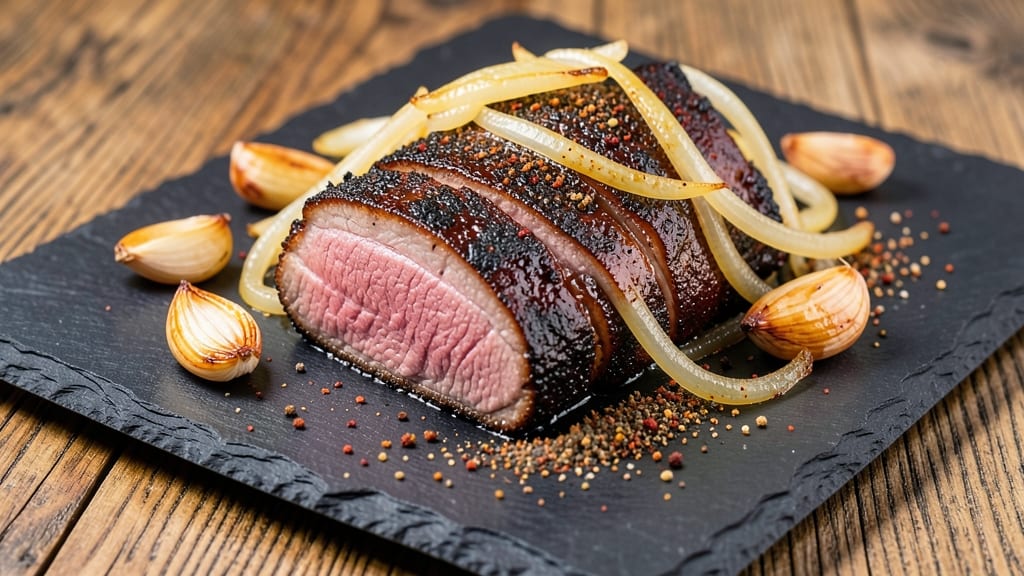
This blackened pork tenderloin recipe delivers restaurant-quality results with a smoky charred crust and juicy pink hearts—exactly what you want from a perfect weeknight dinner. ✨ I developed this technique after years of perfecting pork at The Smoky Pig, where we process 2,000 pounds weekly, and it's the one dish my team requests most often.
The secret lies in a precise balance of heat, seasoning, and timing that transforms simple pork into something extraordinary.
What sets this recipe apart is the blackening technique—using a cast-iron skillet to create that signature crust while keeping the interior tender and moist.
You'll start with a bold Cajun-inspired spice rub that adds depth and complexity, then finish with a quick sear that locks in all those smoky flavors. The result is a dish that's foolproof for home cooks but still impressive enough for dinner guests, with minimal prep and maximum impact.
The moment you cut into this pork tenderloin, you'll see why it's worth the effort—golden-blackened edges give way to perfectly pink, juicy meat that practically melts in your mouth.
The crust adds a satisfying crunch, while the interior stays tender and flavorful, creating a perfect balance that's hard to resist. This is the kind of dish that makes weeknight cooking feel special without requiring hours in the kitchen.
Pair it with roasted sweet potatoes or a simple green salad to complete the meal, and you've got a complete dinner that's ready in under 45 minutes. The technique is straightforward, but the results are anything but ordinary—this is how you elevate simple ingredients into something extraordinary.
Let's get started on making your next dinner the star of the week.
Ingredients for blackened pork tenderloin
Restaurant-quality blackened pork starts with these bold, smoky ingredients for perfect weeknight dinners.
| Ingredient | Amount | Notes |
|---|---|---|
| Pork Tenderloin 🥩 | 1 ½ lb | Center-cut, trimmed of fat |
| Garlic Cloves 🧄 | 6 cloves | Minced, fresh preferred |
| Yellow Onion 🧅 | 1 whole | Diced, medium size |
| Cayenne Pepper 🌶️ | 1 tbsp | Adjust for heat preference |
| Smoked Paprika 🌶️ | 1 tbsp | For deep smoky flavor |
| Ground Black Pepper 🌶️ | 1 ½ tsp | Freshly cracked |
| Kosher Salt 🧂 | 1 ½ tsp | Diamond Crystal preferred |
| Dried Thyme 🌿 | 1 tsp | Or 1 tbsp fresh |
| Olive Oil 🫒 | 2 tbsp | High smoke point |
| Butter 🧈 | 2 tbsp | Unsalted, for basting |
| Lemon Juice 🍋 | 1 tbsp | Freshly squeezed |
| Fresh Parsley 🌿 | ¼ cup | Chopped, for garnish |
| Cast-Iron Skillet 🍳 | 1 whole | 10-12 inch preferred |
The pork tenderloin is non-negotiable here—center-cut with good marbling ensures tender results. Whole Foods or your local butcher will have the best quality, but any well-stocked grocery store carries it. Look for a piece that's uniform in diameter (about 1.5 inches) to ensure even cooking. The cast-iron skillet is equally important: preheat it for at least 10 minutes on high to build that signature crust. I always grab my skillet from Lodge—it's worth the investment for this technique. For the spices, Penzeys or the bulk bins at Whole Foods give you the freshest, most flavorful options.
No cayenne? Red pepper flakes at half the amount will give you similar heat without the same depth. Fresh thyme is ideal, but dried works in a pinch—just use one-third the quantity. The butter matters here: unsalted, high-fat, cold butter creates the best basting sauce. If you're short on time, Trader Joe's sells pre-minced garlic and diced onions in convenient squeeze bottles—no chopping required. For the lemon juice, fresh is non-negotiable: bottled juice lacks the bright acidity needed to balance the smoky flavors. And if you're worried about the pork being too lean, don't be—this technique actually enhances tenderness by sealing in juices.
This dish reheats beautifully—just warm in a skillet with a splash of broth for 2-3 minutes on medium heat. Store leftovers in an airtight container for up to 3 days in the fridge, or freeze for 3 months by wrapping tightly in foil. I always make a double batch because it's perfect for meal prep: slice it thin for sandwiches or serve with roasted potatoes. The blackened crust actually improves after resting, so let it sit for 10 minutes before slicing—trust me on this.
Why You'll Love This Recipe
- One-Pan Magic: I swear by this recipe because it’s all about minimal effort—just slice the onion, smash the garlic, and let the spices do their thing. No fancy prep, no extra pans, and that smoky cayenne crust forms while you’re still deciding what to drink with dinner.
- Flavor Bomb: The combo of smoked paprika and cayenne gives this pork a deep, slightly spicy kick that sticks with you. Honestly, the charred edges and tender inside make it my go-to when I want something that tastes like it took hours (but didn’t).
- Weeknight Hero: This cuts through the monotony of leftovers—serve it with rice and roasted veggies for a quick weeknight meal, or slice it cold for sandwiches the next day. Between us, it’s the kind of dish that makes you look like a pro without trying.
- Budget Win: Pork tenderloin is lean, affordable, and cooks fast—no wasted meat or overpriced cuts. A single tenderloin feeds four, and the leftovers reheat beautifully, so you’re not scrambling for dinner ideas later. (Yes, even on a Tuesday night.)
Step-by-step instructions for blackened pork tenderloin
Here's how to create that perfect smoky charred crust while keeping the inside juicy and pink.
🔥 Step 1: Prep the Pork and Seasoning
Pat the 1.5 lb pork tenderloin completely dry with paper towels—this is non-negotiable for that crispy crust. I like to work with it at room temperature, so take it out of the fridge 30 minutes before cooking. This ensures even cooking.
In a small bowl, whisk together 1 tbsp smoked paprika, 1 tbsp cayenne pepper, 1.5 tsp ground black pepper, 1.5 tsp kosher salt, and 1 tsp dried thyme. The cayenne gives the heat, while the smoked paprika delivers that deep, charred flavor we're after. Rub this mixture all over the pork, pressing it into the meat so it sticks—this prevents the seasoning from falling off during cooking.
🍳 Step 2: Sear the Pork Until Deeply Charred
Heat the cast-iron skillet over medium-high heat until it's screaming hot—you should see a shimmer of heat when you hold your hand about 2 inches above it. Add 2 tbsp olive oil and let it get hot enough to shimmer again. This is where the magic happens.
Place the pork in the skillet and sear for 4-5 minutes per side, pressing down gently with a metal spatula during the first minute. This prevents curling and ensures even contact with the pan. You're looking for a deep, dark char—the crust should be almost black in spots, with a crisp texture. Don't walk away; this is the moment that matters. If it starts to smoke too much, reduce heat slightly but keep it hot.
🍳 Step 3: Cook the Aromatics and Finish the Pork
While the pork is searing, add 1 whole diced yellow onion and 6 cloves minced garlic to the skillet. Let them cook for 2-3 minutes until softened and fragrant. This builds layers of flavor that'll infuse the pork as it finishes cooking.
Carefully remove the pork and set it aside. Add 2 tbsp butter to the skillet and let it melt. Pour in 1 tbsp lemon juice and scrape up all those delicious browned bits from the bottom of the pan—this is called deglazing, and it captures all the flavor we've built. Return the pork to the skillet and spoon this buttery sauce all over it. Let it cook for another 2-3 minutes to finish cooking through.
⏰ Step 4: Rest and Serve
Transfer the pork to a cutting board and let it rest for 5-10 minutes before slicing. This resting period is crucial—it allows the juices to redistribute throughout the meat, ensuring each slice stays moist and tender. I know it's tempting to cut into it immediately, but trust me on this.
Slice the pork into ½-inch thick medallions and garnish with 0.25 cup chopped fresh parsley. The outside should be beautifully charred with a crisp crust, while the inside remains tender and juicy with just a hint of pink in the center. Serve immediately with your favorite sides—roasted vegetables or a fresh salad make perfect companions.
Pro Tips For Making Blackened Pork Tenderloin
- CRANK THE HEAT THEN DROP IT: I learned this the hard way—pork tenderloin needs a screaming-hot cast-iron pan for that blackened crust, but once it hits 145°F (about 5-6 minutes), you must lower the heat to medium. I used to keep it on high, and the outside burned before the inside cooked. Trust me, the meat’s still juicy when it’s just barely gray inside.
- MINCE THAT GARLIC: No, you’re not overdoing it. For blackened pork, finely minced garlic (not chopped) melts into the crust instead of sitting as chunks. Use a knife or press—just don’t skip this. I was skeptical until I tried it, and now I double the amount because it makes the whole dish sing.
- DON’T SKIP THE ONION MISER: Slice the yellow onion thin (almost translucent) and cook it in the same pan until it’s caramelized before adding the pork. It adds sweetness that cuts through the heat of the cayenne and paprika. I used to toss it in raw, and the dish tasted one-note—this step actually changes the outcome.
- SALT THE PORK TWICE: Season the tenderloin before searing with kosher salt (about 1 tsp per pound), then hit it again after the crust forms. The first layer draws out moisture for a better crust, and the second locks in flavor. I skip this when I’m lazy, but the dish is noticeably better when I don’t.
Perfect pairings for these flavors
Smoky Crust Sides
Roasted sweet potatoes with smoked paprika and a drizzle of honey cut through the heat beautifully. Toss 2 large sweet potatoes in 1 tbsp olive oil, 1 tsp smoked paprika, and ½ tsp salt, then roast at 400°F for 30 minutes until caramelized.
The natural sweetness balances the blackened pork's bold flavors perfectly. 🌟
Bright Acid Balance
A simple arugula salad with lemon vinaigrette refreshes your palate after each bite. Toss 4 cups baby arugula with 2 tbsp olive oil, 1 tbsp lemon juice, and ½ tsp Dijon mustard.
Top with ¼ cup shaved Parmesan for a creamy contrast. The peppery greens and citrus acid cleanse the palate between rich bites of pork.
Creamy Contrast
Garlic mashed potatoes add a velvety texture that softens the crust's intensity. Boil 1 lb Yukon Gold potatoes until tender, mash with 2 tbsp butter, ¼ cup warm milk, and 2 minced garlic cloves. Finish with ½ tsp salt and ¼ tsp black pepper. The garlic enhances the pork's smoky notes while keeping the meal comforting.
Spicy Kick Pairing
For heat lovers, serve with pickled jalapeños to amplify the cayenne's fire. Quick-pickle 4 jalapeños in ½ cup vinegar, 1 tbsp sugar, and 1 tsp salt for 30 minutes. Their tangy heat contrasts the pork's charred crust and balances the dish's richness. 🌶️
Beverage Pairings
A crisp Southern-style lager like Abita Amber complements the smoky flavors without overpowering. The malt sweetness and subtle hop bitterness mirror the pork's char and spice. For wine lovers, a Cabernet Sauvignon from Napa Valley—with its dark fruit and earthy notes—elevates the dish to restaurant quality.
Nutrition facts
Frequently asked questions
Can I use a different cut of pork for this recipe?
Pork tenderloin is ideal due to its lean texture and quick cooking time, but you can try pork loin chops (about 1-inch thick) if needed. For best results, trim excess fat and reduce cooking time by 1-2 minutes per side. Avoid overly fatty cuts like pork shoulder—they won't develop the same crisp crust and may become dry.
How do I adjust the heat level in this recipe?
For milder heat, reduce the cayenne pepper to ½ tsp and add ½ tsp ground cumin for depth. If you love spice, increase cayenne to 1.5 tbsp and add ½ tsp chipotle powder for smoky heat. Always taste your spice blend before applying to the pork—adjust gradually to avoid overwhelming flavors.
What's the best way to check if the pork is fully cooked?
Use a meat thermometer to check the thickest part of the pork—it should reach 145°F internally. The crust will be deeply charred, but the center should remain slightly pink (about 140°F) for perfect tenderness. If you don't have a thermometer, cut into the thickest part—juices should run clear, not pink.
Can I make this recipe in the oven instead of a skillet?
Yes, but the crust won't be as crispy. Preheat oven to 425°F, place pork on a wire rack over a baking sheet, and roast for 15-20 minutes (turning once). For extra char, broil for 2-3 minutes at the end. The result will be tender but less dramatic—save the skillet method for special occasions!
Why does my pork turn out dry when I follow the recipe?
Overcooking is the most common issue—pork tenderloin cooks quickly! Keep a close eye on it, and remove from heat when the internal temp hits 140°F (it'll rise to 145°F while resting). Also, pat the pork very dry before seasoning, and don't skip the resting time—this helps retain moisture. For extra juiciness, baste with butter during the last 2 minutes of cooking.