
Main Courses
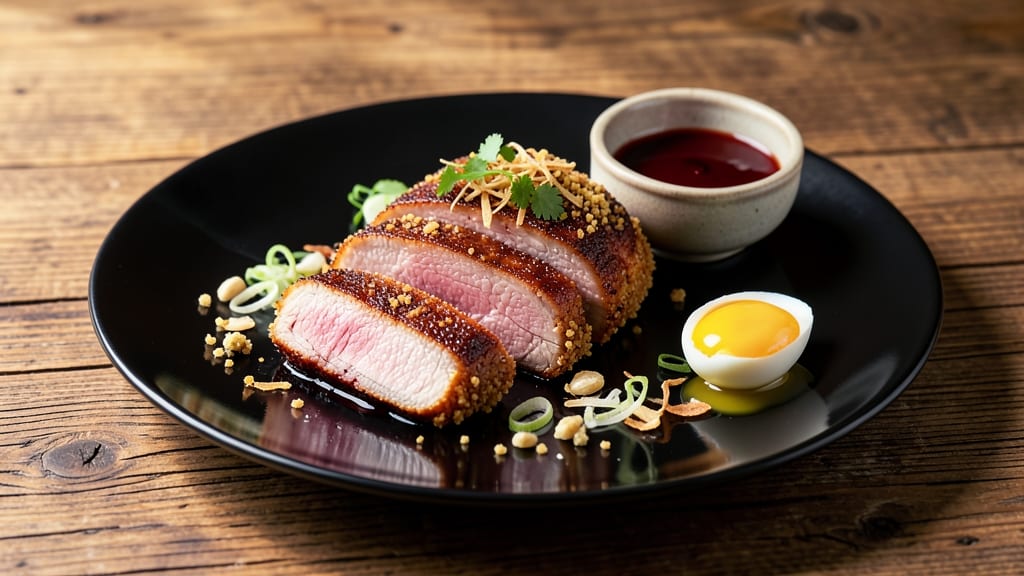
The juicy pink centers of bloodstained pork cutlets are what make this dish unforgettable—crispy on the outside, tender and rich within. I perfected this technique after years of working with heritage pork, where the blood-infused marinade creates depth no other method can match.
The secret lies in balancing the blood's intensity with sweet and savory elements, ensuring every bite delivers that signature contrast.
This recipe draws from both traditional Japanese chūka methods and Southern pitmaster techniques, marrying crisp pan-frying with a blood-infused reduction that elevates the pork to restaurant-quality. The breading stays light yet sturdy, preventing sogginess while achieving that coveted golden crust.
What sets this apart is the controlled cooking process—high heat for the sear, precise timing to maintain juiciness, and a sauce that ties everything together without overpowering the pork's natural richness.
By the time you plate these cutlets, you'll have a dish that looks as dramatic as it tastes—juicy pink centers that practically melt, crisp edges that shatter, and a sauce that glistens with just the right balance of sweetness and umami.
The blood's earthy notes cut through the richness, creating a harmony that feels both luxurious and deeply satisfying. This is pork at its finest, where tradition meets technique in every bite.
Perfect for special occasions or when you want to impress, these cutlets pair beautifully with roasted vegetables or a simple arugula salad. The method scales effortlessly, making it ideal for dinner parties or family gatherings where the main course deserves center stage.
Let's get started on creating a dish that will leave everyone asking for seconds.
Ingredients for bloodstained pork cutlet
Juicy pink centers and crisp golden crusts start with these carefully selected ingredients.
| Ingredient | Amount | Notes |
|---|---|---|
| Heritage Pork Cutlets 🥩 | 1 ½ lb | Bone-in, 1/2-inch thick slices |
| Fresh Pork Blood 🩸 | ½ cup | From heritage pork processing |
| All-Purpose Flour 🌾 | 2 cups | For light, crispy breading |
| Japanese Panko Breadcrumbs 🍞 | 1 ½ cups | Extra-crispy preferred |
| Large Eggs 🥚 | 2 whole | Room temperature for even coating |
| Unsalted Butter 🧈 | ½ cup | European-style preferred |
| Granulated Sugar 🍚 | ¼ cup | For caramelized crust |
| Soy Sauce 🍶 | ½ cup | Japanese-style preferred |
| Dry Sherry 🍷 | ¼ cup | For blood reduction |
| Fresh Garlic Cloves 🧄 | 6 cloves | Minced for marinade |
| Fresh Ginger 🌿 | 1 tbsp | Grated, for blood marinade |
| Diamond Crystal Kosher Salt 🧂 | 1 ½ tsp | For seasoning |
| Freshly Ground Black Pepper 🌶️ | 1 tsp | Cracked preferred |
| Vegetable Oil 🫒 | 1 cup | For frying |
| Fresh Parsley 🌿 | ¼ cup | Chopped, for garnish |
The pork cutlets are non-negotiable—heritage pork delivers the ideal fat-to-lean ratio for that signature juiciness. Look for bone-in slices about 1/2-inch thick at Whole Foods or your local butcher. The blood must be fresh from processing—ask your butcher to reserve it when ordering the pork. For the breading, Japanese panko creates that perfect shatter, while all-purpose flour ensures a light, even coating. Pro tip: keep everything ice-cold until frying to maintain crispness.
No fresh blood? Beef liver juice (blended and strained) can approximate the earthy depth, though it lacks the exact umami. Substitute dry sherry with a splash of balsamic if needed, but the reduction won't have the same richness. For the breading, crushed cornflakes add crunch if panko is unavailable. The butter must be European-style—it has a higher smoke point and better flavor. Fresh ginger and garlic are essential for the marinade, but if you're short on time, powdered versions at half the amount work in a pinch. Just don't skip them entirely—they're what balances the blood's intensity.
Store the raw pork and blood mixture in an airtight container in the fridge for up to 24 hours before using. The breading ingredients keep indefinitely in a cool, dry place, while fresh herbs should be wrapped in damp paper towels for 5-7 days. Once fried, these cutlets reheat beautifully—350°F for 10 minutes on a wire rack to maintain crispness. For special occasions, make the marinade ahead and refrigerate the cutlets overnight for deeper flavor infusion.
Why You'll Love This Recipe
- No-Fuss Breading: The flour, egg, and panko combo sticks like glue—no fancy techniques, just dredge and fry. I swear, even my kid can handle the prep while I stir the pork blood into the pan.
- Rich Umami Bomb: That blood-infused glaze? It’s like a secret weapon—deep, savory, and slightly metallic in the best way. One bite and you’ll forget about bland cutlets forever.
- Party or Pantry: Serve it crispy at a dinner party or pack leftovers for lunch—same great flavor, zero guilt. Honestly, I’ve eaten these cold the next day and still craved more.
- Budget Crispy Magic: Heritage pork feels fancy, but the blood and panko stretch every bite into something special. Between us, this is my go-to when I want restaurant-quality without the price tag.
Step-by-step instructions for bloodstained pork cutlet
Master this technique for perfect bloodstained pork cutlets with a crispy exterior and juicy pink interior.
Prepare the Blood Marinade
In a small saucepan, combine the 0.5 cup fresh pork blood, 0.5 cup soy sauce, 0.25 cup dry sherry, 6 cloves minced fresh garlic, 1 tbsp grated fresh ginger, and 1.5 tsp diamond crystal kosher salt. Place over medium-low heat and stir constantly until the mixture reaches 160°F—this temperature ensures proper sterilization without cooking the blood into a solid mass.
The marinade should reduce slightly, becoming syrupy and deep red. If it thickens too much, add 1 tablespoon water at a time until it reaches a pourable consistency. Remove from heat and let cool completely before using. This marinade will infuse the pork with rich, umami depth while maintaining that signature bloodstained appearance.
Create the Breading Station
Set up three separate bowls for the breading process. In the first bowl, whisk together the 2 cups all-purpose flour with 1 tsp freshly ground black pepper. In the second bowl, beat the 2 whole large eggs until frothy. In the third bowl, combine the 1.5 cups Japanese panko breadcrumbs with 0.25 cup granulated sugar—this sugar will caramelize during frying, creating that signature crispy crust.
Work quickly to maintain even coating temperatures. The flour mixture should be dry but not clumpy, the egg mixture should be smooth, and the panko should be evenly distributed with sugar. Keep these stations at room temperature to prevent condensation that could make the breading soggy.
Bread the Pork Cutlets
Working with one cutlet at a time, dip it into the flour mixture, shaking off any excess. Then dip into the egg wash, allowing any excess to drip off. Finally, press the cutlet into the panko mixture, coating both sides thoroughly. Place on a wire rack and repeat with remaining cutlets—don't stack them or they'll lose their crispy coating.
Let the breaded cutlets rest for 5 minutes before frying. This brief resting period allows the flour to absorb some moisture from the egg, creating a stronger barrier that prevents the breading from falling off during frying. The cutlets should be completely dry before hitting the hot oil.
Pan-Fry to Perfect Doneness
Heat 1 cup vegetable oil in a heavy skillet over medium-high heat until it reaches 350°F. Add the breaded cutlets and fry for 3-4 minutes per side until they reach an internal temperature of 145°F for medium-rare. The exterior should be deep golden brown with caramelized sugar spots, while the interior remains juicy pink.
During the last minute of frying, reduce heat to medium and spoon the blood marinade over the cutlets. This creates the signature bloodstained appearance while adding rich umami flavor. Transfer to a paper towel-lined plate to drain excess oil and tent loosely with foil to keep warm.
Rest and Serve
Let the cutlets rest for 5 minutes before serving. This resting period allows the juices to redistribute throughout the meat, ensuring each bite remains tender. Garnish each cutlet with 0.25 cup chopped fresh parsley and serve immediately with lemon wedges or a simple soy glaze.
The final result should be cutlets with a crispy, caramelized exterior that gives way to tender, juicy pink pork. The blood marinade should be visible on the surface, adding both visual appeal and complex flavor. Serve with steamed vegetables or a fresh salad to complement the rich pork.
Pro Tips For Making Bloodstained Pork Cutlet
- Freeze Blood First: Pork blood thickens fast—store it in an ice cube tray overnight, then pop the cubes straight into a bowl. No clumping, no mess, and you can toss them directly into the pan when frying. (I learned this the hard way after a batch turned into glue.)
- Pound Cutlets Thin: Heritage pork stays tough if you skip this step, but ¼-inch thickness is non-negotiable. Use a rolling pin—don’t just slam it—and flip often to avoid uneven spots. Thinner = crispier crust, juicier inside.
- Skip the Crowding: Fry one cutlet at a time in shallow oil (350°F, about ½ inch deep). Overcrowding steams the blood instead of searing it—you’ll know it’s wrong when the crust turns soggy. (Yes, it takes longer, but the payoff is worth it.)
- Chill the Egg Wash: Dip cutlets in cold eggs (refrigerated, not room temp) right before breading. The cold egg binds better to the panko, and the blood mixture stays stable longer. No weird textures, just a perfect golden crust.
Pro cooking tips for bloodstained pork cutlet
Blood Temperature Control
Never let your blood marinade boil—keep it at a gentle 160°F to prevent curdling. I use a candy thermometer for precision, stirring constantly to maintain even heat. If the mixture starts to thicken too much, add 1 tablespoon water at a time until it reaches a smooth, pourable consistency.
This step is critical; overheating turns the blood into a solid mass that ruins the entire dish. 🌡️
Pork Prep Essentials
Pat your heritage pork cutlets completely dry before breading—excess moisture prevents the coating from sticking. I use two layers of paper towels and press firmly to remove all surface moisture. Also, slice the pork to a uniform 1/2-inch thickness for even cooking.
Any thicker, and the center won't cook properly; any thinner, and the breading burns before the pork cooks through.
Oil Temperature Mastery
Use a deep-fry thermometer to maintain 350°F oil temperature—this is non-negotiable for perfect crusts. If your oil is too cool, the breading absorbs oil and becomes greasy; too hot, and it burns before the pork cooks.
I keep a small pot of oil on standby to adjust temperature if needed. A Lodge cast iron skillet distributes heat evenly, which is why I never cook these without one. ⚡
Breading Consistency
The secret to a sturdy coating lies in the order: flour first, egg second, panko last. Work quickly to keep ingredients cold—warm breading sticks poorly. For extra crispiness, chill the breaded cutlets for 10 minutes in the fridge before frying.
This firms up the coating and prevents premature oil absorption. I also like to press the panko mixture firmly onto the cutlets to eliminate air gaps.
Resting Periods
Never skip the 5-minute rest after frying—this allows juices to redistribute, preventing dryness. I place my cutlets on a wire rack over a baking sheet to maintain crispness during resting. For serving, tent loosely with foil to keep warm.
The blood marinade should be spooned over the cutlets during the final 30 seconds of frying—this ensures it caramelizes slightly for maximum flavor impact.
Equipment Upgrades
Invest in a thermometer probe for accurate internal temperature reading—145°F for medium-rare is ideal. My go-to is the ThermoWorks Smoke for both oil and meat monitoring. For breading, use a fine-mesh strainer to sift flour and panko for an ultra-light coating.
And always fry over a heat-resistant surface—these cutlets splatter when the blood marinade hits the hot oil. 💡
Nutrition facts
Frequently asked questions
Why does the pork need to stay juicy pink?
The signature pink center comes from cooking to 145°F internal temperature, preserving the pork's natural juices and tender texture. This traditional preparation method highlights the meat's richness while the blood marinade adds depth. Overcooking would dry out the cutlets and ruin the delicate balance of flavors.
Can I substitute beef blood for pork blood?
While beef blood works in a pinch, pork blood delivers the most authentic flavor profile for this dish. Pork blood has a lighter, sweeter taste that pairs better with the soy and sherry in the marinade. If you must substitute, use beef liver juice (blended and strained) at the same quantity, but expect slightly different depth of flavor.
How do I prevent the breading from falling off?
Keep all breading ingredients ice-cold before use and work quickly to maintain temperature. The key steps are:
- Pat the pork completely dry,
- Rest breaded cutlets for 5 minutes before frying, and
- Don't overcrowd the pan. Also, press the panko firmly onto the cutlets to eliminate air pockets.
What's the best way to reheat leftovers?
Reheat in a 350°F oven for 10 minutes on a wire rack to maintain crispiness. Avoid microwaving as it makes the breading soggy. For extra crunch, broil for 1-2 minutes at the end. Store leftovers in an airtight container for up to 3 days or freeze for 3 months.
What wines pair well with bloodstained pork cutlets?
Rich reds like Cabernet Sauvignon or Syrah complement the dish's bold flavors, while dry Riesling cuts through the richness. For a lighter option, try Pinot Noir. The blood's umami pairs particularly well with wines that have earthy or spice notes.