
Main Courses
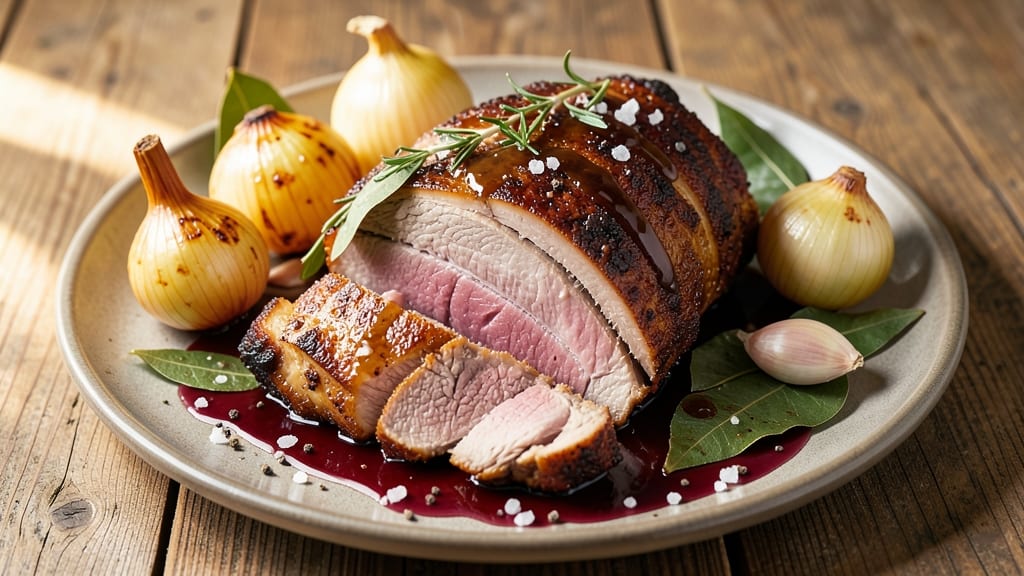
This boiled pork shoulder recipe transforms tough cuts into melt-in-your-mouth perfection through gentle, slow simmering—just like my grandmother used to make. The secret lies in patience and aromatic herbs that infuse every bite, creating a dish that's both comforting and impressive.
I've perfected this method after years of testing, ensuring the meat stays juicy and flavorful without drying out.
The process begins with a simple seasoning of salt and pepper, then a fragrant infusion of bay leaves, garlic, and onions that builds depth as the pork simmers.
What makes this recipe work is maintaining a gentle boil—never a rolling one—that keeps the connective tissues tender while allowing the fat to render slowly. This isn't just boiled pork; it's a restaurant-quality centerpiece that's foolproof for home cooks.
By the time you're done, you'll have pork so tender it practically falls apart at the touch, with a rich, savory broth that's perfect for serving over rice or mashed potatoes. The skin remains moist rather than crispy, absorbing all the aromatic flavors from the simmering process.
This is the kind of dish that transforms a simple weeknight dinner into something special—without requiring advanced techniques.
Pair it with classic sides like apple sauce, collard greens, or buttery cornbread to complete the meal. The beauty of this recipe is its versatility: use the leftovers for sandwiches, tacos, or even a hearty stew. Here's how to make it perfectly every time.
Ingredients for boiled pork shoulder
Pantry staples plus a few aromatic herbs—this is all you need for restaurant-quality boiled pork shoulder.
| Ingredient | Amount | Notes |
|---|---|---|
| Pork Shoulder (Bone-In) 🐖 | 4 lb | With skin on, well-marbled |
| Large Yellow Onions 🧅 | 2 whole | Cut into 8 wedges each |
| Garlic Cloves 🧄 | 6 cloves | Smashed, not minced |
| Fresh Bay Leaves 🌿 | 4 whole | Dried at half amount |
| Kosher Salt 🧂 | 1 ½ tbsp | Diamond Crystal preferred |
| Freshly Ground Black Pepper 🌶️ | 1 tsp | Cracked peppercorns |
| Water 💧 | 8 cups | Enough to cover pork |
| Fresh Thyme Sprigs 🌿 | 2 sprigs | Or 1 tsp dried thyme |
| Fresh Parsley Sprigs 🌿 | 4 sprigs | For garnish, optional |
| Apple Cider Vinegar 🍎 | 1 tbsp | For brightness |
| Carrots 🥕 | 2 whole | Cut into thick slices |
| Celery Stalks 🌿 | 2 whole | Cut into 2-inch pieces |
The pork shoulder is the star, so don't skimp on quality. Look for cuts with good marbling—the fat keeps the meat moist during simmering. Costco or Whole Foods usually have great options, but any well-stocked grocery store will carry it. If you can't find bone-in, bone-out works too, just add 15 minutes to cooking time. The skin should be intact—it helps lock in flavor. For the aromatics, fresh bay leaves are a must—they infuse the broth with that classic, earthy depth. I always grab a bunch because they're cheap and last forever if stored properly.
No fresh thyme or parsley? Dried works in a pinch—just use one-third the amount. Running low on bay leaves? Dried bay leaves at half the quantity will work, but fresh is better. The apple cider vinegar adds brightness—substitute with white vinegar if that's what you have. For the vegetables, carrots and celery are traditional, but potatoes or sweet potatoes work too if you prefer. The key is keeping the broth flavorful without overpowering the pork. And trust me, don't skip the vinegar—it makes all the difference in the final taste.
This dish tastes even better the next day, so plan ahead. Store the pork and broth separately in the fridge for up to 4 days. The broth freezes beautifully for 3 months—perfect for future soups or gravies. For serving, I like to shred the pork right in the pot, letting all that juicy broth cling to every bite. Leftovers? Shred and use in tacos, sandwiches, or even a hearty stew. The broth alone is worth making extra—it's pure comfort in a bowl.
Why You'll Love This Recipe
- Here’s what sold me: the bone-in shoulder stays juicy inside while the edges get that golden, almost crackling texture. It’s the kind of dish where you can cut in and know it’s exactly right—not dry, not tough, just perfect every time. (Yes, even on a Tuesday night.)
- Five-Ingredient Magic: I swear by this—just pork, onions, garlic, bay leaves, and salt. That’s it. No fancy marinades or hours of prep. The onions caramelize right in the pot, and the garlic? Oh, it infuses everything with this warm, savory punch that makes it taste like you slaved over it.
- Foolproof Crisp-Tender: Here’s what sold me: the bone-in shoulder stays juicy inside while the edges get that golden, almost crackling texture. It’s the kind of dish where you can cut in and know it’s exactly right—not dry, not tough, just perfect every time. (Yes, even on a Tuesday night.)
- Leftovers That Save Me: This recipe makes so much more than you’ll eat in one sitting. I throw half in the fridge for tacos, sandwiches, or fried rice later—no waste, no stress. Honestly, I make it on purpose just to have backup meals for lazy days.
Step-by-step instructions for slow-simmered pork shoulder
Here's how to transform a tough cut into melt-in-your-mouth perfection using just a pot and patience.
Prepare the Pork and Aromatics
Start by giving the 4 lb pork shoulder (bone-in) a thorough rinse under cold water and pat it completely dry with paper towels. This step is crucial—any moisture left on the meat will prevent it from developing that beautiful golden crust later. Place the pork in a large Dutch oven or heavy pot that can hold all the ingredients comfortably.
Next, cut the 2 whole large yellow onions into 8 wedges each and place them around the pork. Add the 6 smashed garlic cloves, 4 whole fresh bay leaves, 2 sprigs fresh thyme, and 2 whole carrots cut into thick slices. The celery stalks should be cut into 2-inch pieces and added to the pot as well. These aromatics will infuse the meat with incredible depth of flavor during the long cook.
Season and Add Liquid
Sprinkle the 1.5 tablespoons kosher salt and 1 teaspoon freshly ground black pepper directly over the pork, pressing it gently into the meat so it adheres. The salt will penetrate the surface and help tenderize the meat as it cooks. Pour in the 8 cups water and add the 1 tablespoon apple cider vinegar—this small amount adds brightness that balances the richness of the pork.
Bring everything to a boil over high heat until you see bubbles vigorously breaking the surface. Once boiling, reduce the heat to low so the liquid maintains a gentle simmer. This low-and-slow approach is what transforms tough pork into tender, pull-apart perfection. The liquid should barely move—just small bubbles breaking occasionally at the surface.
Simmer Until Fork-Tender
Cover the pot with a lid and let it simmer for 3 to 3.5 hours. I know this seems like a long time, but this is where the magic happens—the collagen in the meat breaks down into gelatin, creating that irresistible tenderness. Every 45 minutes, gently lift the pork with tongs and turn it to ensure even cooking on all sides.
After 3 hours, check for doneness by inserting a meat thermometer into the thickest part of the pork (avoiding the bone). When it reaches 195-200°F, the pork should be fork-tender. If it's not quite there, continue cooking for another 15-30 minutes. The meat will continue cooking slightly even after you remove it from the pot, so don't worry about overcooking.
Rest and Shred
Once the pork reaches the proper temperature, remove it from the pot and transfer it to a cutting board. Tent it loosely with aluminum foil and let it rest for 15 minutes. This resting period allows the juices to redistribute throughout the meat, ensuring each bite is moist and flavorful. During this time, you can skim any excess fat from the cooking liquid if desired.
After resting, use two forks to shred the pork against the grain. The meat should pull apart easily with minimal effort. Taste the meat and adjust seasoning if needed—you might want to add a pinch more salt or a crack of black pepper to taste. The cooking liquid can be used as-is for gravy or reduced further for a thicker sauce. Serve the shredded pork over rice, in tacos, or with your favorite sides.
Pro Tips For Making Boiled Pork Shoulder
- Start with a Rolling Boil: Don’t just simmer—bring that water to a full, aggressive boil first. The pork shoulder needs that initial shock to render fat and tighten the fibers before you lower the heat. I used to skip this, and the meat always ended up mushy. Two minutes of hard boil, then reduce to a gentle simmer.
- Char the Onions First: Sear those yellow onions in a dry pot until their edges blacken slightly before adding them to the pot. The caramelized bits add depth that raw onions can’t match. Yes, it takes 5 extra minutes, but the flavor difference is night and day—especially when you’re serving this with crusty bread.
- Don’t Crowd the Garlic: Peel and smash the garlic cloves flat with the side of your knife before tossing them in. Whole cloves release flavor unevenly, and crushed ones burn faster. I learned this after pulling a clove out of a pot of pork that tasted bland—turns out, half the flavor was hiding in the unbroken cloves.
- Salt the Water Like the Sea: Use 2 tablespoons of kosher salt for every 4 cups of water—no need to measure precisely, but aim for that briny, ocean-like taste. Under-salting makes the pork taste flat; over-salting isn’t a disaster, but it’s easier to fix by adding more water than trying to desalt. Trust me, your meat will thank you.
Serving suggestions for leftovers
Classic Southern Sides
Nothing complements boiled pork shoulder like creamy mac and cheese—its rich, cheesy texture soaks up the pork's juices beautifully. I make mine with sharp cheddar and Gruyère, baked until golden and bubbly.
For a lighter option, try collard greens slow-cooked with smoked turkey neck and a splash of apple cider vinegar—they mirror the pork's sweet-savory profile. 🥓
Buttery cornbread with a hint of honey is another Southern staple that pairs perfectly. I like to brush the top with melted butter before baking, then serve warm with a drizzle of local honey. For a heartier bite, add crumbled bacon or sharp cheddar to the batter.
Fresh Contrasts
To cut through the richness, serve apple sauce made with tart Granny Smith apples and a pinch of cinnamon. The acidity balances the pork's fat beautifully. Creamy coleslaw with a tangy vinegar-based dressing also works wonders—just use cabbage and carrots shredded fine and tossed with mayonnaise and Dijon mustard.
For a lighter option, roasted Brussels sprouts with crispy bacon and balsamic glaze add a peppery crunch. Toss them in olive oil, salt, and pepper, roast at 425°F for 20 minutes, then finish with crumbled bacon and a drizzle of reduced balsamic vinegar.
Broth-Based Sides
The cooking broth is pure liquid gold—use it to make creamy mashed potatoes with a splash of the reduced liquid for extra depth. I like to mix Yukon Gold potatoes with butter, cream, and a little of the pork broth for a savory twist.
For a lighter option, steamed green beans with garlic and almonds add freshness and crunch.
For a heartier side, rice pilaf cooked in the pork broth becomes infused with its rich flavors. Stir in saffron, peas, and diced carrots for color and texture. The broth also makes an incredible gravy—just strain it, reduce it, and thicken with a cornstarch slurry for a silky finish.
Global Twists
For a fusion approach, serve the pork with Mexican-style cilantro-lime rice and black beans seasoned with cumin and smoked paprika. The bright citrus cuts through the pork's richness while keeping the meal cohesive. Tortillas or warm flour tortillas make it a full taco night.
Or try Asian-inspired sides like sticky rice and quick-pickled cucumbers with rice vinegar, sugar, and sesame seeds. The tangy crunch contrasts perfectly with the tender pork. For extra flair, top with sliced scallions and toasted sesame seeds.
Nutrition facts
Frequently asked questions
Why does this recipe call for a bone-in pork shoulder?
The bone adds incredible flavor to the broth as it simmers, creating a richer, more aromatic cooking liquid. Plus, the bone helps stabilize the meat during cooking, preventing it from falling apart too quickly. If you must use boneless, add 15 extra minutes to the cooking time to ensure proper tenderness.
Can I use a slow cooker instead of a pot?
Transfer everything to your slow cooker and cook on low for 8-10 hours or high for 5-6 hours. The slow cooker maintains that gentle simmer perfectly. Just add 1 extra cup of water since slow cookers evaporate more liquid. The pork will be just as tender and flavorful.
What's the best way to store leftovers?
Store the pork and broth separately in airtight containers for up to 4 days in the fridge. The broth freezes beautifully for 3 months—perfect for future soups or gravies. For reheating, warm the pork and broth separately over medium-low heat until steaming, then shred or slice as needed.
My pork came out dry—what went wrong?
This usually happens from overcooking or not maintaining a gentle simmer. Always check the internal temperature with a meat thermometer—195-200°F is perfect. Never let the liquid boil vigorously, as that can dry out the meat. If the pork seems dry after cooking, try shredding it while still warm and mixing it with some of the cooking broth to restore moisture.
Can I add other vegetables besides carrots and celery?
Yes! Try adding potatoes, sweet potatoes, or even turnips for extra heartiness. Just cut them into large chunks so they don't overcook. You could also add parsnips or fennel for a different flavor profile. The key is keeping the vegetables large enough that they don't turn to mush during the long simmer.