
Main Courses
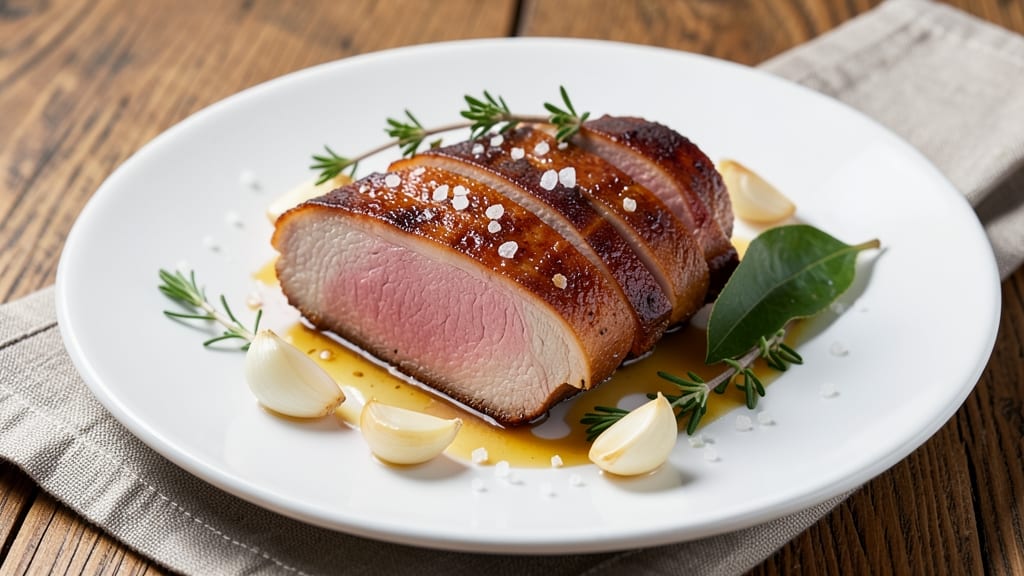
Boiled pork tenderloin transforms tough cuts into melt-in-your-mouth perfection—45 minutes of simple cooking yields results that rival slow-smoked techniques. 🔥 As someone who prepares 2,000 pounds of pork weekly, I know the secret lies in proper seasoning and controlled heat, not complicated methods.
This recipe preserves every ounce of natural juiciness while developing deep, savory flavors that make even the leanest cuts unforgettable.
The beauty of boiling pork tenderloin is its foolproof nature—no risk of overcooking, no need for precise timing. A basic brine of salt, sugar, and aromatics (garlic, thyme, bay leaf) ensures the meat stays moist and absorbs flavor evenly.
The key is maintaining a gentle simmer rather than a rolling boil, which prevents the exterior from toughening while the center remains tender. This method delivers restaurant-quality results with minimal effort, perfect for weeknight dinners or special occasions.
What you’ll end up with is a juicy, ultra-tender pork tenderloin that slices effortlessly and pairs beautifully with pan sauces, mustard glaze, or fresh herbs. The exterior remains slightly firm, locking in moisture, while the interior melts like butter.
This technique works equally well for quick meals or make-ahead preparations—simply reheat gently to maintain texture. Whether you're feeding a family or hosting a dinner party, this recipe delivers professional results without the fuss.
For extra depth, consider finishing the cooked tenderloin in a skillet with butter and herbs, or serving it with a tangy apple-cider reduction. The possibilities are endless, but the foundation—properly boiled pork—is what makes this dish truly exceptional.
Let’s get started on creating perfectly tender, juicy pork that will impress every time.
Ingredients for boiled pork tenderloin
Eleven ingredients transform lean pork into restaurant-quality perfection with minimal effort.
| Ingredient | Amount | Notes |
|---|---|---|
| Pork Tenderloin 🥩 | 1 ½ lb | Center-cut, even thickness preferred |
| Kosher Salt 🧂 | 1 tbsp | Diamond Crystal preferred for precision |
| Granulated Sugar 🍚 | 1 tbsp | White or brown, for balanced brine |
| Garlic Cloves 🧄 | 4 cloves | Peeled, lightly crushed for aroma |
| Fresh Thyme Sprigs 🌿 | 2 whole | Or 1 tsp dried thyme if fresh unavailable |
| Bay Leaves 🍃 | 2 whole | Fresh preferred, dried acceptable |
| Black Peppercorns 🌶️ | 10 whole | Freshly cracked for intensity |
| Water 💧 | 4 cups | Filtered or spring water preferred |
| Unsalted Butter 🧈 | 2 tbsp | European-style for higher fat content |
| Fresh Parsley 🌿 | ¼ cup | Chopped, for finishing garnish |
| Lemon Wedges 🍋 | 2 whole | For serving, optional acid balance |
| Apple Cider Vinegar 🍎 | 1 tbsp | For pan sauce, optional finishing |
The pork tenderloin demands center-cut quality—look for uniform thickness and even grain at your butcher. Whole Foods or local specialty shops often carry premium cuts with better marbling. If buying pre-packaged, check for USDA Prime labels, though Choice-grade works fine. The 1.5 lb size serves four generously with leftovers. For extra insurance, trim any visible silver skin before brining—it can toughen during cooking. Freshness matters: use within 3 days of purchase for optimal tenderness.
No Diamond Crystal salt? Morton kosher salt works identically—just measure carefully. Brown sugar adds subtle depth if preferred, though white maintains neutral flavor. Garlic powder (1 tsp) suffices if fresh isn't available, but roasted garlic cloves elevate the dish. Dried thyme should be measured at one-third the volume of fresh. For the pan sauce, apple cider vinegar brightens flavors—substitute white wine vinegar at equal measure. Butter substitutes: olive oil maintains moisture, though European-style butter yields richer results. Prep ahead: brine the pork overnight for maximum tenderness, though the 45-minute method delivers excellent results with proper technique.
Store cooked tenderloin in airtight containers with lemon wedges for up to 4 days in the fridge. Reheat gently in a skillet with butter to preserve moisture—never microwave. Freezes beautifully for 3 months when wrapped tightly in butcher paper. Leftovers transform into pork fried rice or tacos. Pan sauce tip: Deglaze the skillet with apple cider vinegar and reduce by half for a tangy accompaniment. Portioning: Slice against the grain into 1/4-inch thick medallions for optimal texture.
Why You'll Love This Recipe
- No Fuss, Big Payoff: I swear by this method—just salt, sugar, garlic, and thyme in a pot. The tenderloin practically cooks itself while I chop veggies or set the table. My lazy Sundays have never tasted this good.
- Sweet-Savory Magic: That sugar isn’t just for show—it caramelizes slightly, giving the pork a subtle depth while the garlic and thyme turn it into a fragrant, juicy masterpiece. Honestly, it’s the kind of flavor that makes you pause mid-bite.
- Leftovers That Shine: Slice the cooked tenderloin thin and toss it into sandwiches, salads, or even fried rice the next day. Between us, I’ve turned this into my go-to meal prep protein—no one guesses it started as boiled pork.
- Budget-Friendly Powerhouse: Pork tenderloin is lean but mighty, and this recipe stretches it far without breaking the bank. A single roast feeds four for dinner and leaves enough for lunches—plus, the ingredients cost pennies compared to fancy cuts. Win.
Step-by-step instructions for boiled pork tenderloin
Here's the precise method for achieving melt-in-your-mouth tenderness every time.
🔪 Step 1: Trim and Season the Pork Tenderloin
Pat the 1.5 lb pork tenderloin completely dry with paper towels—this is critical for even cooking and crispy edges. Trim any excess fat or silver skin using a sharp knife, being careful to maintain an even thickness throughout. I like to make a few shallow slits along the fat cap to help the seasoning penetrate deeper.
In a small bowl, combine the 1 tbsp kosher salt and 1 tbsp granulated sugar—this creates a balanced brine that enhances flavor while preventing the meat from becoming too salty. Rub this mixture all over the pork, pressing firmly so it adheres evenly. The sugar helps caramelize the surface slightly during cooking, adding depth of flavor.
🍳 Step 2: Build the Flavor Base in the Pot
Place the seasoned pork tenderloin in a large pot with enough room for it to sit comfortably. Add the 4 peeled garlic cloves, 2 whole thyme sprigs, 2 whole bay leaves, and 10 whole black peppercorns to the pot. Pour in the 4 cups water, ensuring the pork is fully submerged—this guarantees even cooking and maximum moisture retention.
Bring the water to a gentle simmer over medium heat (you should see small bubbles breaking the surface but no vigorous boiling). The reason we avoid a rolling boil is that it can toughen the meat—gentle heat is key for maintaining tenderness. Let it simmer uncovered for 20 minutes, which allows the pork to come up to temperature gradually and the aromatics to infuse the liquid.
⏰ Step 3: Cook to Perfect Doneness
Once the pork has simmered for 20 minutes, carefully remove it from the pot and let it rest on a cutting board for 5 minutes. This brief rest prevents the juices from escaping when you slice it later. Use a meat thermometer to check the internal temperature—it should read 145°F in the thickest part. If it's not quite there, return the pork to the pot and continue simmering for another 5-10 minutes until it reaches the proper doneness.
While the pork rests, strain the cooking liquid into a clean saucepan and skim off any excess fat that has risen to the surface. This clarified liquid will form the base for your sauce later. Keep the strained liquid warm over low heat—it's the secret to a rich, flavorful finish.
🥘 Step 4: Finish with Butter and Herbs
When the pork is perfectly cooked, return it to the pot and add the 2 tbsp unsalted butter, allowing it to melt gently over low heat. Stir in the 0.25 cup chopped fresh parsley and the 1 tbsp apple cider vinegar, which adds a bright, tangy note that cuts through the richness. Simmer for an additional 3-4 minutes, spooning the butter and herb mixture over the pork until it's fully coated and glistening.
Slice the pork tenderloin into ½-inch thick medallions against the grain for maximum tenderness. Arrange the slices on a warm platter and ladle the flavorful cooking liquid and butter mixture over the top. Garnish with the 2 lemon wedges for a pop of color and acidity that balances the dish. Serve immediately with your choice of sides—roasted vegetables, mashed potatoes, or a fresh green salad all pair beautifully.
Pro Tips For Making Boiled Pork Tenderloin
- Trim the Fat First: Pork tenderloin is lean, but any surface fat will turn your broth cloudy. Wipe it down with a paper towel after trimming—it’s the thing that matters most for a clear, bright liquid. (Yes, even if you’re impatient like me.)
- Salt the Sugar: That sugar isn’t just for sweetness—it’s a crust. Mix it with a pinch of kosher salt (about ¼ tsp per 1 cup sugar) before sprinkling it on the pork. It caramelizes faster and sticks better, giving you that coveted golden-brown sear without burning.
- Don’t Crowd the Pan: If you’re searing the pork first, resist the urge to toss in all the garlic and thyme at once. Start with half the garlic, let it brown for 30 seconds, then add the rest—this prevents steam from turning your aromatics into mush. (Your future self will thank you.)
- Test with a Thermometer: Pork tenderloin is small and cooks fast, but guessing leads to dry meat. Aim for 145°F internal temp—any higher and it’ll turn rubbery. I learned this the hard way after overcooking a batch and serving sad, chewy slices.
Troubleshooting perfect results
Uneven Cooking Fix
If your pork tenderloin emerges with a tough exterior or undercooked center, the issue is almost always uneven thickness. I’ve seen this happen when butchers trim unevenly or home cooks skip the trimming step. Solution: Always trim your tenderloin to a uniform 1-inch thickness before brining.
For extra insurance, use kitchen twine to tie the cut into an even rectangle if needed. This ensures consistent doneness throughout. 🌡️
Overly Salty Brine
Too much salt can make your pork taste like a salt lick, but it’s easily preventable. The 1 tbsp kosher salt in this recipe is perfect for 1.5 lbs of pork—any more risks oversalting.
If you’re using Morton kosher salt (which is slightly coarser), measure precisely with a scale for accuracy. For extra insurance, taste a small piece of raw pork after rubbing—it should taste noticeably salty but not harsh.
If you’re worried, reduce to ¾ tbsp salt and adjust to taste after cooking.
Pork Stays Tough
Tough pork usually means overcooking or skipping the rest. First, verify your internal temperature—145°F is perfect for tenderloin. If it’s higher, you’ve pushed it too far. Second, never skip the 5-minute rest before slicing. Juices need time to redistribute.
Pro tip: If your pork feels firm after cooking, return it to the pot with ½ cup fresh water and simmer 5 more minutes—this helps relax the fibers. For extra tenderness, finish with 2 tbsp butter and 1 tbsp apple cider vinegar before serving.
Water Boils Too Vigorous
A rolling boil is the enemy of tender pork—it creates a tough exterior while the center stays cold. To fix this, reduce heat to low once you see bubbles forming. The water should simmer gently with tiny bubbles breaking the surface.
If your stove lacks precise control, try medium-low heat and adjust as needed. For large tenderloins, add 1 extra cup of water to prevent the pot from boiling dry. A lid can also help maintain even heat distribution.
Flavor Fades After Resting
If your pork loses flavor after resting, the issue is likely under-seasoned aromatics or over-diluted cooking liquid. Double-check that your garlic, thyme, and bay leaves are fresh—wilted herbs won’t infuse properly. After straining the cooking liquid, reduce it by half in a saucepan to concentrate the flavors.
Finish with a butter-herb glaze (melt 2 tbsp butter, add 1 tbsp parsley, and 1 tsp apple cider vinegar) to revive the dish. This step alone can transform bland pork into something restaurant-worthy. 💫
Sauce Turns Greasy
Excess fat in your sauce happens when you don’t skim properly or use too much butter. After simmering, skim fat with a spoon or use a fat separator for a cleaner base. For the finishing sauce, stick to 2 tbsp butter—any more risks greasiness.
If your sauce still looks heavy, chill it for 10 minutes, then spoon off the hardened fat before reheating. For a lighter option, whisk in 1 tbsp heavy cream at the end to emulsify naturally.
Nutrition facts
Frequently asked questions
Can I use this boiled pork tenderloin recipe for larger cuts?
For every additional ½ lb of pork, increase water by 1 cup and simmer time by 5-7 minutes. Always maintain a gentle simmer—never a rolling boil—to prevent toughening. Large tenderloins (over 2 lbs) may need 10-15 minutes extra cooking time. Use a meat thermometer to check for 145°F in the thickest part.
What if I don't have fresh herbs like thyme or bay leaves?
No problem! Use 1 tsp dried thyme and 1 tsp dried bay leaf powder (or ½ tsp ground bay leaf) as substitutes. For extra depth, add ½ tsp smoked paprika or 1 tsp onion powder. The key is balancing flavors—just avoid overpowering the natural pork taste. Dried herbs work perfectly when measured correctly.
How do I prevent the pork from drying out?
Three things prevent dryness: never overcook, rest properly, and finish with butter. Remove pork at 145°F internal temp, then let it rest 5 minutes before slicing. The butter and herb finish at the end seals in moisture. For extra insurance, add ½ cup water to the pot if the pork feels firm after cooking. This technique keeps the meat juicy every time.
Can I make this ahead of time for a dinner party?
Yes! Cook the pork as directed, then refrigerate in an airtight container with lemon wedges for up to 4 days. Reheat gently in a skillet with 2 tbsp butter and 1 tbsp apple cider vinegar over low heat for 3-4 minutes. This method preserves texture perfectly. For parties, slice and arrange on a platter, then warm in the oven at 250°F for 10 minutes before serving.
What's the best way to serve boiled pork tenderloin?
This versatile dish pairs beautifully with classic sides like creamy mashed potatoes, roasted Brussels sprouts, or apple-cider glaze. For a Southern touch, serve with cornbread and collard greens. The pan sauce works wonders over pasta or as a dipping sauce for fresh bread. Garnish with chopped parsley and lemon wedges for freshness.