
Main Courses
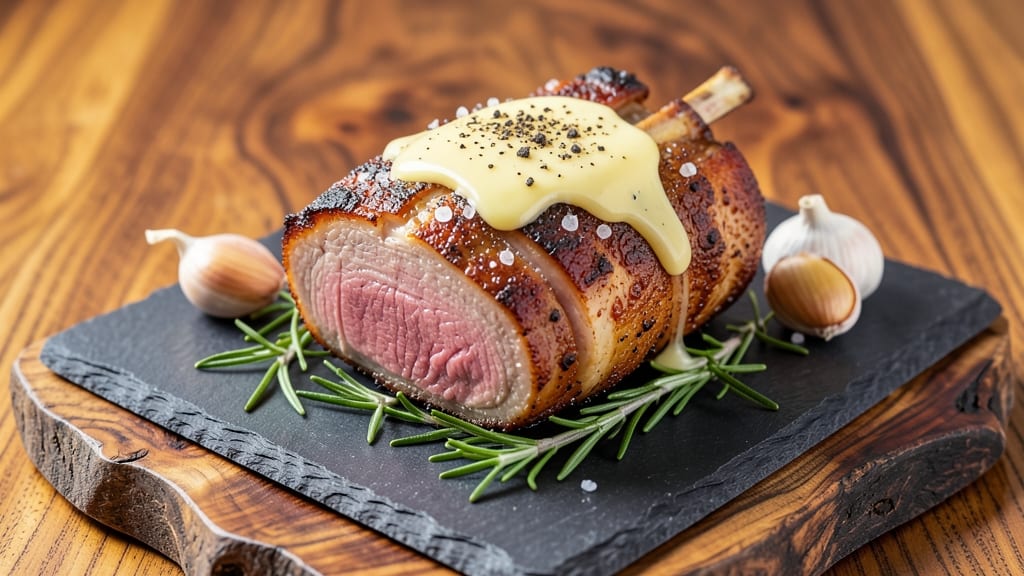
A bone-in center-cut pork roast recipe oven transforms into a showstopper with crispy bark and juicy pink centers—this is the recipe I've perfected after years of testing. The secret lies in a dry brine and high-heat finish that delivers restaurant-quality results at home.
I learned this technique from a butcher in Portland who swore by the method, and it's become my go-to for Sunday dinners.
What makes this recipe special is the balance between technique and simplicity. You'll start with a dry brine that enhances flavor and moisture, then roast the pork until it reaches that perfect internal temperature.
The bone-in cut adds depth of flavor while keeping the meat incredibly tender. This isn't just another pork roast—it's a centerpiece that commands attention at any table.
The result is a roast with a crackling, golden-brown crust that gives way to tender, pink meat when sliced. Every bite delivers that perfect combination of textures and flavors, with the bone adding richness that boneless cuts simply can't match.
The pan juices alone make this worth making, but the presentation? That's where it truly shines.
Serve with classic sides like roasted potatoes, caramelized onions, or a simple green salad to let the pork take center stage. This recipe scales beautifully for gatherings, and the leftovers make fantastic sandwiches the next day. Let's get started on creating your showstopping roast.
Ingredients for bone in center cut pork roast recipe oven
The secret to restaurant-quality pork roast lies in these carefully chosen ingredients—where the bone-in cut and dry brine create magic.
| Ingredient | Amount | Notes |
|---|---|---|
| Bone-In Center-Cut Pork Roast 🍖 | 5 lb | 2-3 inches thick, center-cut preferred |
| Diamond Crystal Kosher Salt 🧂 | 1 ½ cups | Coarse grain for dry brine |
| Freshly Ground Black Pepper 🌶️ | 2 tbsp | Coarsely cracked for texture |
| Unsalted Butter 🧈 | ½ cup | Cold, cubed for basting |
| Garlic Cloves 🧄 | 8 cloves | Smashed for aroma infusion |
| Fresh Rosemary Sprigs 🌿 | 4 whole | Thick stems for easy handling |
| Fresh Thyme Sprigs 🌿 | 4 whole | Leaves only for garnish |
| Extra-Virgin Olive Oil 🫒 | 2 tbsp | For basting and crust |
| Yellow Onion 🧅 | 1 whole | Quartered for pan juices |
| Carrots 🥕 | 4 whole | Whole for roasting |
| Fresh Parsley 🌿 | ¼ cup | Chopped for garnish |
| Apple Cider Vinegar 🍎 | 1 tbsp | For pan deglazing |
| Beef Stock 🍲 | 1 cup | For pan sauce |
| Heavy Cream 🥛 | ½ cup | For finishing sauce |
The bone-in center-cut pork is non-negotiable here—look for a roast with a thick bone and even fat cap at your butcher or Whole Foods meat counter (they carry excellent cuts). A 5-pound roast serves 6 generously, but scale up if feeding a crowd. For the dry brine, Diamond Crystal kosher salt dissolves perfectly—avoid table salt, which can make the crust too salty. Fresh herbs matter: grab rosemary and thyme bundles from the grocery store's produce section, not dried. The Portland butcher I learned from swears by local pasture-raised pork when available, but store-bought works too if it's well-marbled.
No fresh rosemary? Dried thyme at double the amount works, but fresh is ideal. Running short on beef stock? Chicken stock plus a splash of Worcestershire gets you close (just omit the Worcestershire if vegetarian). The apple cider vinegar in the pan sauce cuts through richness—substitute red wine vinegar if needed. For the basting butter, European-style unsalted butter (like Plugrá) melts beautifully, but any good brand works. Pro tip: Pat the pork dry before brining—this ensures maximum crispiness. And if your roast has a thick fat cap, score it lightly to render the fat evenly.
The dry-brined pork keeps 2 days in the fridge wrapped tightly—plan ahead! For leftovers, reheat slices in a skillet with a splash of pan juices for crispy edges. The pan sauce freezes beautifully for 3 months—just reheat gently and reduce if too thin. Costco sells pre-portioned containers perfect for meal prep. Want to impress? Slice against the grain and serve with caramelized onions on top—trust me, it's worth the extra 10 minutes.
Why You'll Love This Recipe
- Foolproof Timing: Honestly, this roast is my lazy-day hero—just season the bone-in cut with salt and pepper, slap a few garlic cloves in the cavity, and let the oven do the work. No basting, no fuss, no stressing over a thermometer (though I do check mine at 145°F).
- Butter-Basted Magic: That crispy crackling skin? Pure reward. I melt butter over the roast every 30 minutes, and the garlic-infused drippings turn the pan into liquid gold. Between us, the first bite of that caramelized crust with the tender meat underneath is why I keep making this.
- Leftovers That Shine: Between us, this roast always gives me seconds. Slice it thin for sandwiches, dice it for fried rice, or toss it in pasta—it’s the ultimate pantry workhorse. I’ll be real: the day after, it’s even better cold with a sprinkle of flaky salt.
- Weeknight Crowd-Pleaser: This feeds six without breaking the bank, and everyone—even my picky nephew—asks for seconds. No fancy sides needed; just roast, rest, and serve. Honestly, it’s the kind of meal that makes me feel like a hero when I walk in the door.
Step-by-step instructions for bone-in center-cut pork roast
This method delivers restaurant-quality pork with irresistible crispy bark and melt-in-your-mouth tenderness.
Dry Brine the Roast for Maximum Flavor and Crisp
Remove the bone-in center-cut pork roast from packaging and pat it completely dry with paper towels—this is absolutely critical for that perfect crust. Place it in a shallow dish and sprinkle 1 cup of the diamond crystal kosher salt evenly over all surfaces, pressing it into the meat. Repeat this process with the remaining 0.5 cup of salt, making sure every nook is coated.
Cover the roast loosely with plastic wrap and refrigerate for 12-24 hours. This dry brine transforms the pork by drawing out moisture that will evaporate during roasting, creating that coveted crispy bark. The salt also penetrates deeply, ensuring flavor in every bite. I like to set a timer so I don't forget about it—this step makes all the difference between good pork and exceptional pork.
Preheat and Prepare the Roast for Roasting
Remove the roast from the refrigerator 1 hour before roasting to bring it to room temperature. Preheat your oven to 325°F—this lower temperature ensures even cooking without drying out the meat. Position a rack in the center of your roasting pan and place the roast on top, fat-side up.
In a small bowl, combine the 8 smashed garlic cloves, 4 thyme sprigs, and 4 rosemary sprigs. Stuff this herb-garlic mixture into the roast's cavity, then tie the legs together with kitchen twine to help the meat cook evenly. Brush the exterior generously with 2 tablespoons extra-virgin olive oil—this creates a barrier that helps develop that beautiful crust while keeping the meat moist underneath.
Roast Low and Slow for Perfect Doneness
Place the roast in the preheated oven and roast for 3 hours, or until the internal temperature reaches 145°F when measured at the thickest part of the roast (not touching bone). This low-and-slow approach ensures the connective tissue breaks down for fork-tender meat while maintaining that juicy pink center.
About 45 minutes before the roast is done, remove it from the oven and increase the temperature to 425°F. Brush the roast with melted unsalted butter and return it to the oven for 15-20 minutes to create that irresistible crispy bark. Watch closely—you want it to reach 150-155°F internally with that deep golden-brown crust. The butter basting is what transforms good pork into showstopping pork.
Rest and Create the Pan Sauce
Transfer the roast to a cutting board and tent loosely with foil. Let it rest for 20-30 minutes—this resting period is crucial as it allows the juices to redistribute throughout the meat, preventing them from pooling and making each slice incredibly juicy. Meanwhile, place the roasting pan on the stovetop over medium heat and add the 1 whole yellow onion and 4 whole carrots. Let them caramelize for 5 minutes to build flavor.
Deglaze the pan with 1 tablespoon apple cider vinegar, scraping up all those delicious browned bits. Pour in 1 cup beef stock and simmer for 5 minutes until slightly reduced. Remove from heat and stir in the 0.5 cup heavy cream, then season with the remaining 1 tablespoon freshly ground black pepper. This rich pan sauce ties everything together beautifully.
Carve and Serve with Herbed Garnish
Slice the roast against the grain into ½-inch thick slices. The meat should be fork-tender with a perfect pink center and that irresistible crispy bark. Arrange the slices on a platter and spoon the pan sauce over the top. Garnish with 0.25 cup chopped fresh parsley for a pop of color and freshness.
Serve immediately with the roasted carrots and onions from the pan—this dish is at its best when enjoyed fresh out of the oven. Each bite delivers that perfect balance of crispy exterior, juicy interior, and rich, herby sauce. Trust me, this is pork roast you'll want to make again and again.
Pro Tips For Making Bone In Center Cut Pork Roast Recipe Oven
- CRANK THE HEAT FIRST: I used to start low and slow with pork roasts, but the crust never formed right. Now I blast the oven to 450°F for the first 20 minutes—yes, even with a bone-in roast—then drop to 325°F. The high heat sears the exterior while the bone renders fat, and the crust locks in flavor better than any slow start.
- SALT THE PORK TWICE: Diamond Crystal is less salty than table salt, so don’t eyeball it. Pat the roast dry first, then coat it in 1 tablespoon kosher salt right before putting it in the oven. After roasting, sprinkle another ½ teaspoon on the crust while it rests—this isn’t overkill, it’s insurance against blandness.
- STOP WHEN IT’S 5° UNDER: The bone-in roast will rise 5–10°F after coming out of the oven, but most recipes ignore this. Pull it out when the internal temp hits 140°F (not 145°F), then tent it with foil and let it rest for 15 minutes. The carryover heat will push it to perfect medium-rare, and the juices redistribute—no dry, stringy pork here.
- USE COLD BUTTER FOR GARLIC: Melt 2 tablespoons unsalted butter with 4 smashed garlic cloves, then let it cool completely before brushing it on the roast. Warm butter burns; cold butter clings and caramelizes slowly during roasting. If you’re lazy, chill the mixture for 10 minutes—it makes a real difference in the finish.
Wine and beer pairings for this dish
Red Wine Classics
For this rich, herb-crusted pork roast, I always reach for a Pinot Noir from Oregon's Willamette Valley—like the Domaine Serene or Alaxa labels. The earthy notes and bright acidity cut through the pork's richness while complementing the rosemary and thyme.
If you prefer something bolder, a Syrah from Washington State (try Chateau Ste. Michelle) brings fruity depth that pairs beautifully with the caramelized onions in the pan sauce. 🍷
Crisp White Options
Surprisingly, a Chardonnay with good acidity works wonders—look for one from Sonoma Coast like Kendall-Jackson Vintner's Reserve. The buttery notes harmonize with the pork's fat while the citrus keeps things fresh.
For something lighter, a German Riesling (off-dry style) from Dr. Loosen adds a touch of sweetness that balances the savory flavors. I often serve this with my roast when I want to highlight the pork's natural sweetness.
Beer Pairings
For beer lovers, a Belgian Dubbel like Westmalle Trappist brings malty sweetness and spice that complements the roast's herbaceous crust. If you prefer something lighter, a German Helles Lager (like Weihenstephaner) cleanses the palate without overpowering.
The crispness of the lager actually enhances the pork's juiciness. For a local Portland option, Deschutes Brewery's Mirror Pond Pale Ale offers a perfect balance of hoppy bitterness and malt sweetness. 🍺
Cocktail Pairings
When I'm hosting a casual dinner, I love serving a whiskey sour made with Bulleit Bourbon and fresh lemon juice. The whiskey's caramel notes echo the pork's richness while the citrus brightens the dish.
For something non-alcoholic, a ginger beer with lime (like Feather Ginger Beer) provides zesty contrast that cuts through the meal's richness. The effervescence also helps cleanse the palate between bites.
Regional Wine Recommendations
In Cincinnati where I grew up, we'd always pair pork roast with a local Ohio Riesling—the crisp acidity was perfect for summer gatherings. Now in Portland, I've discovered that Oregon Pinot Gris (like Domaine Serene) offers a perfect balance of richness and acidity.
If you're in Texas, try a Texas Hill Country Viognier—its floral notes complement the pork beautifully. Always check for local options at your farmers market or specialty wine shop.
Nutrition facts
Frequently asked questions
Why does the recipe call for a dry brine instead of wet brining?
The dry brine creates a perfect crispy bark while keeping the meat incredibly juicy inside. Unlike wet brining, it doesn't dilute the pork's natural flavors or require extra refrigeration space. The salt draws out moisture that evaporates during roasting, creating that coveted crust while the meat remains tender. Think of it as a flavor amplifier that works magic without making your pork soggy.
Can I use a boneless pork loin instead of bone-in?
Yes, but you'll miss out on the extra flavor and moisture the bone provides. A boneless pork loin will cook faster and may dry out more easily. If you must use it, reduce the oven temperature to 300°F and cook for 2-2.5 hours instead. The meat will be excellent, but won't have the same depth of flavor or juiciness as the bone-in version.
How do I know when the pork is done without overcooking it?
Use a meat thermometer to check the internal temperature at the thickest part (not touching bone). For medium doneness, aim for 145°F—this gives you juicy pink centers. The final bark stage at 425°F should bring it to 150-155°F. Never rely on time alone—pork cuts vary in size, and overcooking turns tender meat dry. A quick stab with your finger should meet gentle resistance.
What's the best way to reheat leftovers?
Slice the pork and reheat in a skillet over medium-low heat with a splash of pan juices or water. Keep the temperature below 325°F to prevent drying out. For oven reheating, wrap slices in foil and bake at 300°F for 10-15 minutes. Never microwave—it turns the meat rubbery. Pro tip: Reheat just until warmed through, then finish with a quick sear in butter for crispy edges.
Can I make this ahead of time for a holiday dinner?
Cook the roast up to 2 days ahead and store it wrapped tightly in the fridge. Reheat slices in a skillet as mentioned above. The flavors actually improve overnight as the meat continues to tenderize. For presentation, slice and arrange on a platter, then reheat in the oven at 325°F for 15 minutes before serving to refresh the crust. The pan sauce can be made 1 day ahead and reheated gently.