
Main Courses
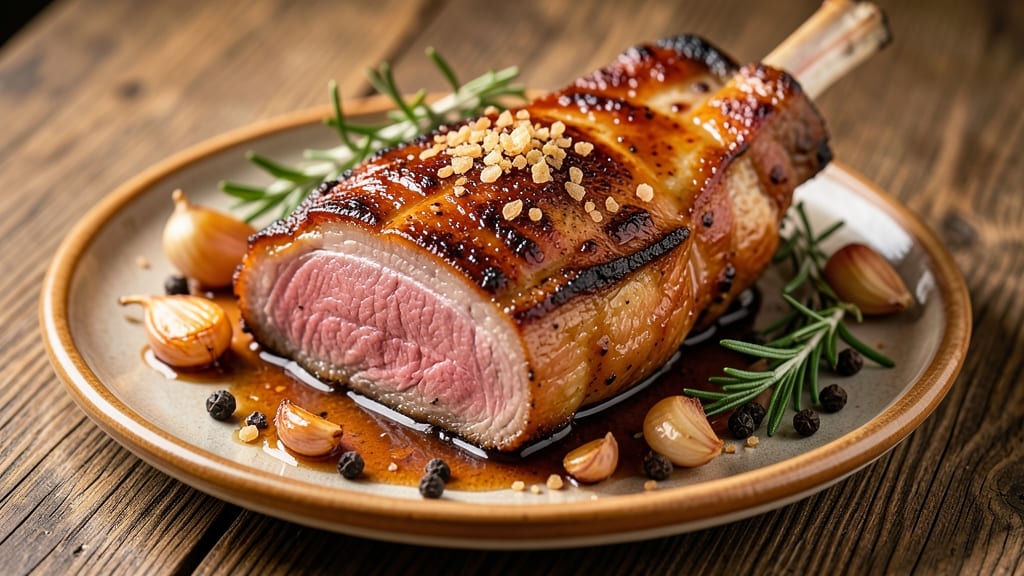
This bone-in pork blade roast recipe delivers restaurant-quality results with a smoky brown sugar crust and fall-apart tenderness. 🔥 After years of perfecting the technique—from dry-brining to reverse searing—I’ve cracked the code for juicy, flavorful pork that impresses every time. The key?
Patience and precision, two things that transform tough cuts into melt-in-your-mouth perfection. What sets this recipe apart is the balance of traditional methods and modern shortcuts.
We’ll start with a dry brine to lock in moisture, then sear the roast to develop a deep, caramelized crust before finishing in the oven.
The brown sugar glaze adds a touch of sweetness that cuts through the richness, while smoked paprika and garlic infuse the meat with layers of flavor. No fancy equipment needed—just a cast iron skillet and an oven.
By the time you’re done, you’ll have a pork blade roast that’s crispy on the outside, tender on the inside, and packed with enough flavor to feed a crowd. The bone adds richness, and the crust? Irresistible.
This is the kind of dish that turns a weeknight dinner into a showstopper—without the fuss of a competition-style cook. Serve with roasted potatoes, caramelized onions, or a tangy apple slaw to round out the meal. Let’s get cooking—your taste buds will thank you.
Ingredients for bone in pork blade roast
Six ingredients transform tough pork into melt-in-your-mouth perfection with smoky-sweet crust and bone-in richness.
| Ingredient | Amount | Notes |
|---|---|---|
| Bone-In Pork Blade Roast 🍖 | 4 lb | Center-cut, 1.5-inch thick, bone-in |
| Light Brown Sugar 🍚 | ½ cup | Packed, for glaze |
| Smoked Paprika 🌶️ | 2 tbsp | High-quality, for depth |
| Garlic Cloves 🧄 | 6 cloves | Fresh, smashed for infusion |
| Kosher Salt 🧂 | 1 ½ tbsp | Diamond Crystal preferred |
| Black Peppercorns 🌶️ | 1 ½ tbsp | Freshly cracked |
| Extra-Virgin Olive Oil 🫒 | 2 tbsp | High smoke point |
| Apple Cider Vinegar 🍎 | 2 tbsp | For tenderizing |
| Fresh Thyme Leaves 🌿 | ¼ cup | Chopped, stems removed |
| Yellow Onion 🧅 | 1 whole | Thinly sliced, for dry brine |
| Russet Potatoes 🥔 | 3 lb | Cut into 1-inch chunks |
| Fresh Rosemary 🌿 | ⅛ cup | Chopped, for garnish |
The pork blade roast is the star—look for a center-cut, 1.5-inch thick piece with good marbling. Costco or your butcher shop are best bets; avoid thin or lean cuts. If you can't find bone-in, use a pork loin and add a pork bone separately for flavor. The dry brine is non-negotiable here—it's what makes this fall-apart tender. Slice the onion paper-thin and let it sit with the salt on the pork overnight (the fridge does the work). For smoked paprika, Penzeys or the bulk section at Whole Foods have the best quality—avoid the dusty stuff that's been sitting forever.
No smoked paprika? Half a teaspoon of liquid smoke plus extra paprika gets you close, though it won't be identical. Fresh thyme is ideal, but dried at one-third the amount works in a pinch. The brown sugar can be swapped for turbinado or coconut sugar for a different depth of flavor. For the potatoes, Yukon Golds are perfect, but Russets hold up well too—just roast them separately with olive oil, salt, and rosemary. The apple cider vinegar is key for tenderizing; if you don't have it, lemon juice works too. And trust me on the freshly cracked peppercorns—pre-ground loses punch fast.
This roast reheats beautifully—350°F for 20 minutes covered with foil keeps it juicy. Store leftovers in the fridge for 4 days, or freeze portions for 3 months (wrap tightly in foil first). The potatoes? Eat them fresh—they don't reheat well. I always make extra pork for sandwiches the next day (the crust gets even better after resting). For a crowd, double the recipe—just increase oven time by 20-30 minutes. The bone adds richness, so don't skip it if you can find it.
Why You'll Love This Recipe
- Foolproof Timing: I swear by this—just rub the roast with brown sugar, paprika, and crushed garlic cloves while it roasts, then let the oven do the work. No basting, no fuss, and it’s done while you’re still deciding what to watch on TV.
- Smoky-Sweet Magic: That bone-in magic? The crust gets crackling and caramelized from the sugar, while the meat stays juicy inside—like a cross between a Sunday roast and a smoky campfire flavor. My kids fight over the last slice.
- Leftovers That Win: It’s the ultimate make-ahead meal: slice the roast thin for sandwiches, dice it into stir-fries, or toss it in pasta. I’ve turned a single roast into four different dinners without breaking a sweat.
- Budget-Friendly Feast: A bone-in blade roast costs less than half the price of pre-cut chops, and the bone adds depth to the flavor. Honestly, it’s my go-to for feeding a crowd without emptying my wallet—plus, the leftovers stretch for days.
Step-by-step instructions for smoky brown sugar crust over fall-apart shreds
Here's how to transform a simple pork blade roast into a showstopper with irresistible caramelized edges.
🔥 Step 1: Create the Dry Brine for Maximum Flavor
In a small bowl, whisk together the 2 tbsp smoked paprika, 1.5 tbsp kosher salt, 1.5 tbsp freshly cracked black peppercorns, 0.25 cup chopped fresh thyme leaves, and 6 smashed garlic cloves. This aromatic blend is the secret to deep flavor penetration. Spread 0.5 cup packed light brown sugar evenly over the pork blade roast, then generously coat all sides with the spice mixture, pressing it into the meat so it adheres.
Place the seasoned pork in a large resealable bag with the 1 whole thinly sliced yellow onion and 2 tbsp apple cider vinegar. Seal the bag and massage it gently to distribute the marinade. Refrigerate for 12-24 hours—this dry brine process works magic, tenderizing the meat while developing complex flavors. The sugar will start caramelizing slightly, creating that coveted crust we're after.
🍳 Step 2: Sear the Pork for Irresistible Crust
Preheat your oven to 300°F. Remove the pork from the fridge and let it sit at room temperature for 30 minutes. Heat 2 tbsp extra-virgin olive oil in a large Dutch oven over medium-high heat until shimmering. Add the pork blade roast and sear for 4-5 minutes per side until deeply browned and the sugar begins to form a glossy, caramelized crust. This step is crucial—it locks in juices and creates that beautiful contrast between crispy exterior and tender interior.
Transfer the seared pork to a plate and tent loosely with foil. Pour out all but 1 tbsp of the rendered fat from the Dutch oven (you'll use it later for the potatoes). Here's where it gets fun—the residual sugar and spices in that fat will create an incredible pan sauce when we deglaze it.
🥘 Step 3: Roast to Perfect Doneness
Return the Dutch oven to the oven and place the pork blade roast back in, fat-side up. Roast for 2 hours until the internal temperature reaches 195-200°F (use a meat thermometer inserted in the thickest part). This low-and-slow approach ensures the connective tissue breaks down completely, resulting in those melt-in-your-mouth shreds we all crave.
About 30 minutes before the pork is done, add 3 lb russet potatoes cut into 1-inch chunks to the Dutch oven. Toss them in the remaining rendered fat, then pour in enough water to come about halfway up the potatoes. Cover and let them steam, turning occasionally, until tender when pierced with a fork. The potatoes will absorb all that porky flavor from the drippings.
🔪 Step 4: Rest and Shred with Confidence
Remove the pork from the oven and transfer it to a cutting board. Tent loosely with foil and let it rest for 30 minutes—this crucial step allows the juices to redistribute throughout the meat. While it rests, carefully remove the bone (if desired) and use two forks to shred the meat against the grain into ¼-inch thick strands. The meat should pull apart easily with minimal effort—if it's still tough, return it to the oven for another 15 minutes at 300°F.
Return the shredded pork to the Dutch oven with the potatoes. Stir gently to combine, then increase the oven temperature to 425°F and broil for 3-5 minutes until the edges are beautifully caramelized. Garnish with 0.125 cup chopped fresh rosemary just before serving for a pop of freshness against the rich pork and potatoes.
Pro Tips For Making Bone In Pork Blade Roast
- Sear the Blade First: Hit that bone-in roast with a screaming-hot pan for 3-4 minutes per side before roasting—it’s the only way to get that deep, caramelized crust that makes all the difference. I learned this the hard way when my first attempt came out pale and bland; the sear locks in flavor and renders fat slowly during cooking.
- Smash Those Garlic Cloves: Don’t just chop the garlic—smash the whole cloves with the flat side of your knife first, then mince. This releases more oils and flavor into the rub, and it sticks better to the meat. (Yes, it’s a little messy, but your future roast will taste like it came from a BBQ pit.)
- Skip the Sugar Rush: That light brown sugar? Use it sparingly—just 1-2 tablespoons mixed into the rub—or it’ll burn before the pork cooks through. I once doubled it for "extra caramel" and ended up with a bitter, charred crust. Trust the recipe’s balance.
- Rest Under Foil: As soon as it hits 145°F internal temp, wrap the roast loosely in foil and let it sit for 10-15 minutes. This keeps the juices from rushing out when you slice—no one wants a dry, stringy pork blade. (I know, I know, but trust the process.)
Dietary considerations for this bone in pork blade roast
Gluten-Free Adaptations
This recipe is naturally gluten-free as written, but I always double-check my pantry staples to avoid cross-contamination. The key is using certified gluten-free smoked paprika—brands like Anthony's Goods or Simply Organic are my go-tos.
The brown sugar glaze stays safe too, as light brown sugar is typically gluten-free, but verify the label. For extra security, I brush the pork with a thin layer of gluten-free olive oil before searing to create a protective barrier. 🌾
Low-Carb Options
To make this pork blade roast keto-friendly, skip the potatoes entirely—they’re the main carb source. Instead, roast cauliflower florets (tossed in olive oil, salt, and smoked paprika) alongside the pork. They’ll absorb those delicious porky drippings while adding minimal carbs.
For extra richness, serve with a side of sautéed mushrooms or a simple avocado salad. The brown sugar glaze can be reduced by half or replaced with erythritol or monk fruit sweetener for a sugar-free crust.
Dairy-Free Considerations
This recipe doesn’t contain dairy, but I often get asked about serving suggestions. The potatoes and pork are naturally dairy-free, but if you’re avoiding all dairy, skip any garnishes like butter or cheese.
For a creamy touch, drizzle the shredded pork with a dairy-free pan sauce made from the pork drippings, a splash of coconut milk, and a pinch of nutritional yeast for a cheesy flavor. I also love adding pickled jalapeños to the plate—they add tang without dairy.
Allergen-Friendly Swaps
For nut allergies, this recipe is already safe, but I always recommend checking labels on smoked paprika and brown sugar for potential cross-contamination. If you’re avoiding onions, replace the thinly sliced yellow onion in the dry brine with 1 tbsp onion powder (just omit the vinegar—it’s not essential).
For vinegar allergies, use lemon juice instead. The pork itself is a safe bet, but if you’re serving to someone with severe pork allergies, this recipe is obviously off-limits—always confirm dietary restrictions before cooking.
Protein-Packed Boost
Looking to add more protein? This recipe already delivers with its 4-lb pork blade roast, but you can boost it further by serving with a side of hard-boiled eggs or a Greek yogurt dip (made with dairy-free coconut yogurt if needed).
The potatoes can be swapped for chicken thighs or sausages, though they’ll change the dish’s character. For a vegetarian option, replace the pork with extra-firm tofu (marinated in the same spices) or portobello mushrooms, though the texture will differ significantly.
Nutrition facts
Frequently asked questions
Why is the bone-in pork blade roast better than boneless?
The bone adds incredible richness to the meat as it roasts, infusing the pork with deep flavor and keeping it moist. The marrow releases during cooking, creating a naturally flavorful sauce. Plus, the bone helps stabilize the roast during searing, preventing it from curling up—resulting in that perfect caramelized crust on all sides.
Can I use this recipe with a smaller cut of pork?
For a 2-3 lb pork blade roast, reduce the cooking time by about 30-45 minutes and adjust the potato quantity to 1.5-2 lbs. The dry brine proportions stay the same, but you may need slightly less sugar (¼ cup) since smaller cuts have less surface area. Cook until the internal temp hits 195°F—a meat thermometer is your best friend here!
What if my pork isn't falling apart when shredded?
Don't panic! Return the roast to the oven at 300°F for another 15-20 minutes until it reaches 205°F internally. The connective tissue needs more time to break down. If it's still tough, shred it coarser (½-inch pieces) and serve with extra sauce made from the pork drippings and a splash of apple cider vinegar. Patience pays off!
Can I make this in a regular oven instead of a Dutch oven?
Yes, but with one key adjustment: use a roasting pan with a rack. Place the pork on the rack to allow air circulation, then cover tightly with foil. Add potatoes to a separate baking sheet with olive oil and salt. The crust won't be as intense, but you'll still get tender, flavorful pork. For extra crispiness, broil for 2-3 minutes at the end.
How do I store leftovers without drying out the pork?
Store shredded pork in an airtight container with a thin layer of its own juices or a splash of apple cider vinegar. Reheat covered at 350°F for 15-20 minutes—never microwave directly. For potatoes, reheat separately with a spritz of water and cover tightly. Leftovers keep for 4 days in the fridge or 3 months in the freezer when properly wrapped.