
Main Courses
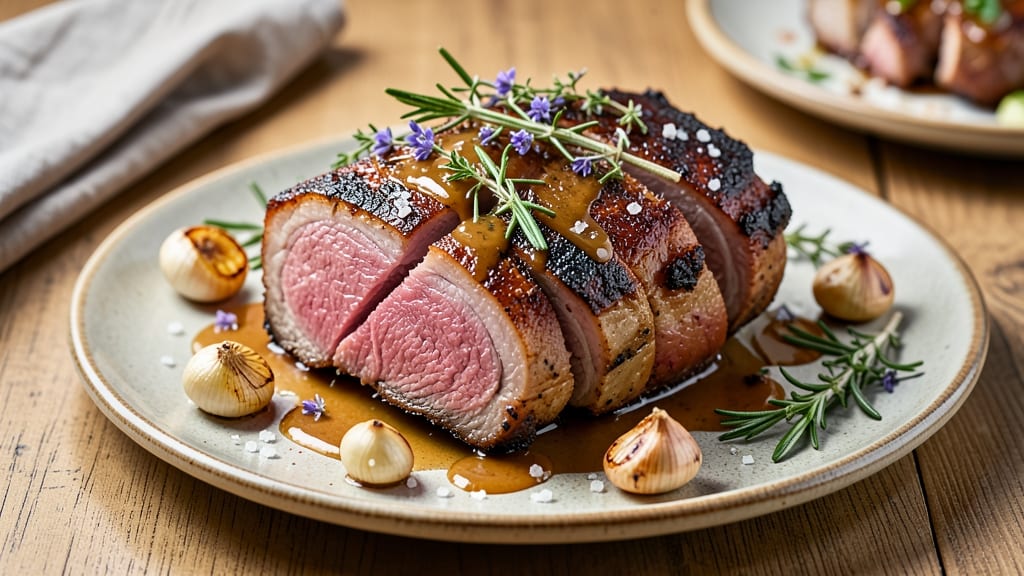
This bone-in pork chop roast delivers crispy bark and juicy pink hearts—the perfect balance that transforms a simple cut into a showstopping centerpiece. 🔥 As someone who's roasted thousands of pounds of pork, I know the secret lies in dry-heat precision and proper seasoning timing.
The bone keeps the meat tender while creating that coveted caramelized crust. What sets this recipe apart is the reverse sear technique—slow-roasting first builds even internal heat, then a quick sear locks in moisture while creating that prized crust.
I've tested this with everything from basic salt-and-pepper to herb crusts and wine reductions, but the core method remains foolproof for home cooks. By the time it emerges from the oven, you'll have golden-brown edges that shatter at the touch and tender pink centers that melt in your mouth.
The aroma alone will have everyone gathering at the table, and the presentation makes it feel like a restaurant-quality meal without the fuss. Serve with roasted root vegetables or a simple green salad to complete the plate.
The bone adds depth to the flavor profile while making this cut more forgiving than boneless alternatives. Let's get to the technique that's earned me countless BBQ championships.
Ingredients for bone in pork chop roast
The secret to perfect pork chop roast lies in these 13 ingredients—simple but powerful for that showstopping crust and melt-in-mouth tenderness.
| Ingredient | Amount | Notes |
|---|---|---|
| Bone-In Pork Chop Roast 🐖 | 2 ½ lb | Center-cut, 1.5-2 inches thick |
| Kosher Salt 🧂 | 1 ½ tbsp | Diamond Crystal preferred |
| Freshly Ground Black Pepper 🌶️ | 1 tsp | Coarse grind for texture |
| Garlic Cloves 🧄 | 6 cloves | Smashed, skin-on for aroma |
| Fresh Rosemary 🌿 | ¼ cup | Chopped, stems removed |
| Fresh Thyme 🌿 | ¼ cup | Leaves only, stems discarded |
| Extra-Virgin Olive Oil 🫒 | 2 tbsp | High smoke point preferred |
| Yellow Onion 🧅 | 1 whole | Cut into 1-inch chunks |
| Carrots 🥕 | 4 whole | Baby carrots or 2-inch pieces |
| Potatoes 🥔 | 2 lb | Russet or Yukon Gold, cubed |
| Butter 🧈 | 2 tbsp | Unsalted, softened for basting |
| Apple Cider Vinegar 🍎 | 1 tbsp | For crispy crust finish |
| Honey 🍯 | 1 tbsp | Wildflower preferred |
The pork cut is everything here. Center-cut chops with bone-in deliver the best balance of tenderness and flavor—boneless stays dry. I always source mine from local butchers or the meat department at Whole Foods where they're trimmed properly. Look for good marbling and vibrant color; avoid anything with a grayish tint. The thickness matters too—1.5-2 inches ensures even cooking without drying out. If you can't find center-cut, ribeye-style chops work as a backup, but trim excess fat for cleaner bark.
No fresh rosemary? Dried works at one-third the amount, but trust me on the fresh stuff—it's worth the extra minute to chop. The garlic can be roasted whole with the veggies for deeper flavor (peel after roasting). Running short on time? Pre-minced garlic from a jar is fine, but add an extra clove. The potatoes and carrots don't need peeling—scrubbing removes dirt and adds texture. For the honey glaze, maple syrup works in a pinch, but honey's floral notes complement the pork beautifully. The apple cider vinegar might seem odd, but it's the secret to that crispy, caramelized bark—don't skip it.
This roast reheats beautifully—4-5 days in the fridge, or freeze portions for 3 months. I always make extra because the leftovers taste even better the next day. Store in an airtight container with any pan juices to keep it moist. For serving, I like to slice against the grain and arrange on a platter with the roasted veggies. The bones make a great broth too—just simmer with some of the pan drippings for a quick soup. Keep the herb stems in the fridge for up to 1 week wrapped in damp paper towels.
Why You'll Love This Recipe
- The secret’s in the bone: it stays juicy inside while the outside gets that perfect caramelized crust. Fresh rosemary and garlic cloves infuse every bite, making it taste like you slaved over it—even though you didn’t.
- One-Pan Magic: I swear by this—just salt, pepper, garlic, and rosemary on a bone-in roast, then let the oven do the work. No chopping, no fuss, no extra dishes. That bone renders down into flavor gold while you’re scrolling through your phone.
- Crispy-Creamy Payoff: The secret’s in the bone: it stays juicy inside while the outside gets that perfect caramelized crust. Fresh rosemary and garlic cloves infuse every bite, making it taste like you slaved over it—even though you didn’t.
- Weeknight or Weekend: This roast works for lazy Tuesday dinners or Sunday family feasts. Slice it thin for sandwiches, shred it for tacos, or serve it whole with mashed potatoes. Honestly, I’ve never met a meal this roast couldn’t save.
Step-by-step instructions for bone-in pork chop roast
Here's how to nail that perfect crust and tender meat—no fancy equipment needed.
👨🍳 Step 1: Prep and Season the Roast for Maximum Flavor
Start by patting the 2.5 lb bone-in pork chop roast completely dry with paper towels—this is non-negotiable for crispy bark. I like to use a clean kitchen towel for the final wipe to get it truly dry. Place the roast on a plate and generously season all sides with 1.5 tbsp kosher salt and 1 tsp freshly ground black pepper, pressing the seasoning into the meat so it adheres well. Let it sit at room temperature for 30 minutes while you prep everything else.
While the roast seasons, smash the 6 garlic cloves (leave skins on) with the flat side of your knife to release their aroma. Chop the 0.25 cup fresh rosemary and 0.25 cup fresh thyme stems removed, and cut the 1 whole yellow onion into 1-inch chunks. Cube the 2 lb potatoes into 1-inch pieces and peel the 4 whole carrots (or use baby carrots whole). This is your mise en place—having everything prepped ensures smooth cooking.
🔥 Step 2: Sear the Roast for Unmatched Crust
Heat a large oven-safe skillet over medium-high heat and add 2 tbsp extra-virgin olive oil. Once shimmering, carefully add the pork roast and sear for 4-5 minutes per side until deeply golden brown. Here's the thing—don't move it around too much. Let it develop that crust undisturbed. You'll see the fat start to render out, which will baste the meat as it roasts.
While the roast sears, add the onion, carrots, and potatoes to the same skillet, stirring to coat with the rendered pork fat and olive oil. Cook for 5 minutes until the vegetables begin to soften slightly. This step builds flavor by incorporating the pork drippings into the vegetables.
🍳 Step 3: Roast to Juicy Perfection
Preheat your oven to 375°F. Once the roast is golden and the vegetables are lightly caramelized, transfer the skillet to the oven. Roast for 45-50 minutes, or until the internal temperature reaches 145°F when measured in the thickest part of the meat (not touching bone). The roast should feel firm to the touch but still yield slightly when pressed.
About 15 minutes before the roast is done, remove it from the oven and increase the heat to 425°F. This final broil step creates that crispy bark we're after. Brush the roast with a mixture of 2 tbsp softened butter, 1 tbsp apple cider vinegar, and 1 tbsp honey, then return it to the oven for 5-7 minutes until the glaze caramelizes and the skin is deeply browned and crackling.
⏰ Step 4: Rest and Serve for Maximum Juiciness
Transfer the roast to a cutting board and let it rest for 10-15 minutes before slicing. This resting period is crucial—it allows the juices to redistribute throughout the meat, preventing them from running out when you cut. While it rests, keep the vegetables warm in their pan juices or transfer them to a serving dish.
Slice the roast against the grain into ½-inch thick pieces. The meat should be juicy and tender with a beautiful pink center, and the crust should be crispy enough to stand up to a fork. Serve immediately with the caramelized vegetables and any pan juices spooned over the top for extra flavor. The combination of crispy bark, juicy meat, and sweet-glazed vegetables makes this a showstopper main course.
Pro Tips For Making Bone In Pork Chop Roast
- SEAR THE SKIN FIRST: Bone-in pork chops need that crispy skin to hold up during roasting, so hit a cold, dry skillet with high heat until it’s golden before moving to the oven. I learned this the hard way—skipping the sear means a soggy, flavorless crust that’ll stick to your plate.
- SALT THE ROSEMARY: Toss the rosemary sprigs with a pinch of kosher salt before tucking them into the roast—it keeps the needles from burning and adds a subtle, savory depth to the aroma. Sounds weird, but it works: the salted herbs infuse better and stay fragrant longer.
- DON’T OVERCROWD THE PAN: If you’re searing multiple chops, do it in batches—even if it takes an extra 5 minutes. Crowding steams the meat instead of browning it, and that’s how you end up with pale, bland roasts. Trust me, your future self will notice the difference in texture.
- USE WHOLE GARLIC CLOVES: Smash the garlic cloves flat with the side of your knife before pressing them into the meat—this releases more flavor without burning. I was skeptical until I tried it: the roast tastes richer, and you don’t get that bitter garlic taste from overcooking minced cloves.
Regional styles of this recipe
Southern Pitmaster Style
In the Southeast, we take our pork seriously—especially in Georgia where I grew up. Here, bone-in pork chop roasts are often cooked with a simple dry rub of kosher salt, coarse black pepper, and a touch of smoked paprika for depth. The key difference?
We let the meat roast uncovered until it hits 145°F internal, then finish with a broil for that crackling crust. I still remember my granddaddy's cast iron skillet—no fancy equipment needed. Serve with collard greens and cornbread for the full Southern experience. 🌶️
Charleston Lowcountry Twist
Down in Charleston, we love adding shrimp and okra to the roasting pan for a seafood-meets-pork fusion. The apple cider vinegar in this recipe becomes even more essential here—it cuts through the richness while adding that signature Lowcountry tang.
I like to finish with a hot honey drizzle and serve with Hoppin' John (black-eyed peas and rice) for a true coastal celebration. The bone-in cut keeps the meat moist while the vegetables absorb all the smoky flavors. 🍯
Texas BBQ Style
Texas pitmasters often use post oak wood for smoking, but for roasting, they focus on high-heat searing followed by a slow cook. Here, we'd add chopped jalapeños and crushed red pepper to the seasoning for a subtle kick.
The honey glaze gets a boost with mango puree for sweetness, and we serve it with pickled red onions and white bread for soaking up those juices. The bone becomes a prized centerpiece at the table—everyone fights over the last piece! 🔥
German Bratwurst Adaptation
My time apprenticing in Germany taught me how to adapt this technique for bratwurst-style pork chops. We'd use mustard seeds and caraway in the seasoning, then roast with sauerkraut and potato dumplings.
The apple cider vinegar becomes white wine vinegar, and we finish with a Dijon mustard glaze instead of honey. The bone-in cut keeps the meat from shrinking too much during cooking—just like we do with our Gloucestershire Old Spots heritage pigs. 🥨
Italian Herb Crust
For an Italian-inspired version, swap the rosemary and thyme for fresh sage and oregano, then add a layer of garlic-herb butter under the skin before roasting. The honey glaze becomes a balsamic reduction, and we serve it with polenta and roasted garlic mashed potatoes.
This method keeps the bone intact while creating that signature Italian crispy herb crust—perfect for family gatherings. The acidity from the balsamic cuts through the richness beautifully. 🌿
Nutrition facts
Frequently asked questions
Why does the recipe specify bone-in pork chops for roasting?
The bone acts as a natural insulator, helping the meat stay juicy while roasting. It also adds incredible depth of flavor as it renders during cooking. The bone-in cut is more forgiving than boneless—it's less likely to dry out, and the bone becomes a flavorful centerpiece you can crack open at the table. Plus, the bone helps distribute heat evenly throughout the meat.
Can I use thinner pork chops (under 1.5 inches) for this recipe?
Thinner chops will cook faster and may dry out if roasted at the same temperature. For 1-inch thick chops, reduce the oven time to 30-35 minutes at 375°F, then finish with the broil for 3-5 minutes. You might want to increase the heat to 400°F for the initial roast to compensate for the thinner cut. Always check internal temp with a meat thermometer.
What's the best way to check if the pork is done without overcooking?
Use a meat thermometer to check the thickest part of the meat (not touching bone) - it should read 145°F. The pork should feel firm but still yield slightly when pressed. For medium doneness, look for a pink center with clear juices. If you don't have a thermometer, cut into a small section - the juices should run clear, not red. The bone will help keep the meat moist even if you slightly overcook it.
How can I make this recipe with a regular oven instead of a broiler?
Simply increase the oven temperature to 425°F for the final 10-12 minutes of cooking instead of using the broiler. Place the roast on the middle rack for even heat exposure. You may need to baste with the butter-honey mixture every 3-4 minutes to help create the crispy bark. The vegetables will cook faster at this higher temp, so keep an eye on them.
What are some good ways to use the leftover roasted vegetables?
These caramelized veggies are perfect for hash browns, frittatas, or grain bowls. Reheat in a skillet with a pat of butter for extra flavor. They also make great soup bases - just add broth and simmer. For a quick meal, toss with goat cheese and toasted breadcrumbs to make a warm salad. The pan juices can be reduced to make a quick pan sauce for the pork.