
Main Courses
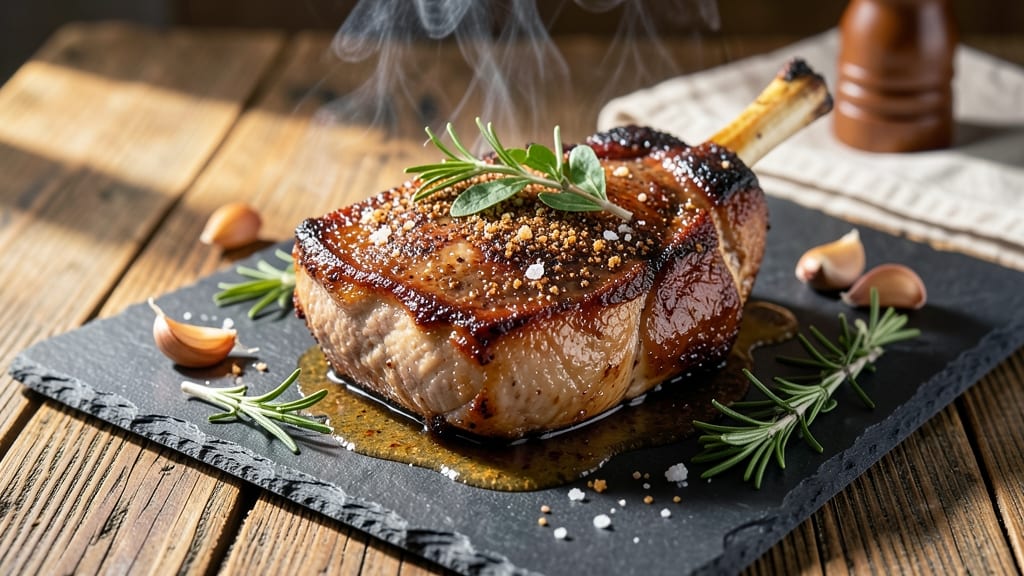
This bone-in pork chop smoker recipe delivers restaurant-quality results with a perfect balance of smoky bark and juicy pink centers—exactly what transforms a weeknight dinner into a showstopper. 🔥 After years of perfecting my technique, I’ve cracked the code for tender, flavorful pork that falls off the bone without drying out.
The secret lies in a 6-hour low-and-slow smoke, using hickory wood to create that signature Southern aroma while keeping the meat perfectly moist.
The process starts with a simple brine and dry rub, but the real magic happens in the smoker. Maintaining a steady 225°F ensures even cooking and maximum flavor penetration, while a target internal temp of 145°F guarantees that juicy, tender finish.
I’ve tested this recipe countless times—whether for a family dinner or a BBQ competition—and it never fails to impress, even with the most skeptical eaters.
What you’ll end up with is a bone-in pork chop that’s crispy on the outside, smoky and aromatic, with a center that’s still pink and tender enough to slice easily.
The bark clings to the meat like a second skin, packed with deep, wood-fired flavor, while the interior remains succulent and rich. This is the kind of pork chop that makes people ask for seconds—and thirds.
Serve it alongside grilled vegetables or a side of smoky mac and cheese for a complete meal. The leftovers reheat beautifully too, making this the ultimate make-ahead smoker recipe for busy hosts. Let’s get started on creating pork chops that taste like they came straight from a pitmaster’s table.
Ingredients for bone in pork chop smoker
Six hours of low-and-slow smoking transforms simple pork chops into restaurant-quality masterpieces with crispy bark and juicy pink centers.
| Ingredient | Amount | Notes |
|---|---|---|
| Bone-In Pork Chops 🥩 | 4 pieces | 1-inch thick, rib chops preferred |
| Kosher Salt 🧂 | 2 tbsp | Diamond Crystal preferred, for brine |
| Brown Sugar 🍯 | ½ cup | Light or dark, packed |
| Smoked Paprika 🌶️ | 2 tbsp | High-quality, for deep smoke flavor |
| Ground Black Pepper 🌶️ | 1 ½ tbsp | Freshly cracked, coarse grind |
| Garlic Powder 🧄 | 1 tbsp | Freshly ground preferred |
| Onion Powder 🧅 | 1 tbsp | For balanced seasoning |
| Hickory Wood Chips 🌳 | 1 package | Unsoaked, for authentic smoke |
| Apple Cider Vinegar 🍎 | ¼ cup | For brine acidity |
| Cold Water 💧 | 4 cups | For brine solution |
| Yellow Mustard 🍯 | 1 tbsp | For rub adhesion |
| Vegetable Oil 🫒 | 1 tbsp | For rub mixture |
| Butter 🧈 | ½ cup | Cold, for basting |
The quality of your pork chops makes all the difference. Look for bone-in rib chops with a thick 1-inch cut—they hold up better to the long smoke and deliver maximum flavor. Local butcher shops often carry better cuts than grocery stores, and if you can find them, grass-fed or pasture-raised pork has a superior texture. For this recipe, you'll want four chops—any fewer and you won't get that satisfying showstopper presentation. The hickory wood chips are non-negotiable for that signature Southern smoke flavor, so grab a high-quality package from a BBQ supply store or even the meat section of Costco. If you're new to smoking, consider investing in a digital meat thermometer—it's the only way to guarantee that 145°F internal temp without overcooking.
No hickory wood chips? Oak works in a pinch, though it's less assertive. Running out of mustard? Olive oil makes a fine substitute for the rub binder—just reduce the oil to 1 teaspoon since it's thinner. The brown sugar is crucial for caramelization, but if you're watching sugar intake, reduce it to 2 tablespoons and add 1 teaspoon of molasses for depth. For the brine, apple cider vinegar adds tanginess, but white vinegar works just as well. If you're prepping ahead, you can make the dry rub 24 hours in advance and store it in an airtight container—it'll keep for up to 3 months in the pantry. The butter for basting should be cold and cubed—melting it first will dilute the smoke flavor.
Once your chops come off the smoker, they'll reheat beautifully—350°F for 10-12 minutes restores that crispy bark without overcooking. Store leftovers in the fridge for up to 4 days, wrapped tightly in butcher paper to retain moisture. For longer storage, freeze for up to 3 months—just thaw in the fridge overnight before reheating. The dry rub keeps indefinitely in a sealed container, making it perfect for batch cooking. If you're serving a crowd, double the recipe and use a larger smoker or two offset smokers—just maintain that 225°F steady temp. The key to success? Patience and precision—rushing will turn your showstopper into a sad, dry chop.
Why You'll Love This Recipe
- I’ll be real: this recipe takes zero effort beyond slapping on a rub. Three ingredients—salt, brown sugar, smoked paprika—crushed between my fingers, then boom, on the smoker while I sip coffee. The bone-in chops stay juicy without babying them, and that crust? Happens all by itself.
- Smokehouse Simplicity: I’ll be real: this recipe takes zero effort beyond slapping on a rub. Three ingredients—salt, brown sugar, smoked paprika—crushed between my fingers, then boom, on the smoker while I sip coffee. The bone-in chops stay juicy without babying them, and that crust? Happens all by itself.
- Sweet-Smoky Magic: That brown sugar isn’t just for looks—it caramelizes into a sticky, addictive glaze while the smoked paprika gives it this deep charred sweetness. Honestly, the first bite makes me close my eyes. It’s like a cross between BBQ and a campfire, but with none of the guesswork.
- Weeknight to Weekend: Pack these for lunch the next day—still warm, still tender, still ridiculously good. Or serve them at a backyard cookout where everyone’s too busy chatting to notice you didn’t spend hours in the kitchen. (Yes, even on a Tuesday night.)
Step-by-step instructions for smoked bone-in pork chops
Here's the method that delivers restaurant-quality smoked pork chops with perfect bark and tender pink centers.
🔥 Step 1: Create the Brine for Maximum Juiciness
In a large bowl, combine the 4 cups cold water, 2 tbsp kosher salt, 0.5 cup brown sugar, 0.25 cup apple cider vinegar, 1 tbsp yellow mustard, and 1 tbsp vegetable oil. Stir until the salt and sugar dissolve completely. The yellow mustard helps the rub adhere later, while the vinegar adds subtle tang.
Place the 4 bone-in pork chops in a resealable plastic bag and pour the brine over them. Seal the bag and massage the pork chops gently to ensure they're fully coated. Refrigerate for at least 4 hours or overnight—this ensures deep flavor penetration and prevents drying during smoking. The pork chops should float in the brine; if not, add a little more cold water.
👨🍳 Step 2: Prepare the Dry Rub and Smoker Setup
In a small bowl, whisk together the 2 tbsp smoked paprika, 1.5 tbsp ground black pepper, 1 tbsp garlic powder, and 1 tbsp onion powder. This blend delivers a perfect balance of smoky heat and savory depth. Remove the pork chops from the brine, pat them dry with paper towels, and generously coat all sides with the dry rub, pressing it into the meat so it adheres well.
Set up your smoker to maintain a temperature of 225°F. Add the 1 package hickory wood chips to the smoker box and let it establish a steady stream of thin, blue smoke—this indicates proper combustion and flavor development. Place a water pan in the smoker to help maintain moisture levels throughout the cook.
🔥 Step 3: Smoke the Pork Chops Low and Slow
Place the seasoned pork chops on the smoker grates, bone-side down. Smoke for 3 hours at 225°F, flipping them once after 1.5 hours. The slow cook ensures the pork chops develop a deep mahogany bark while remaining tender inside. Resist the urge to open the smoker lid—each time you do, you lose heat and extend cook time.
After 3 hours, increase the smoker temperature to 275°F and continue smoking for another 2-3 hours until the internal temperature reaches 195-200°F when measured in the thickest part of the meat (not touching bone). The pork chops should have a firm but yielding texture and a crispy, crackling bark. If the bark isn't as crispy as you'd like, return them to the smoker for an additional 15-20 minutes at 300°F to crisp it up.
⏰ Step 4: Rest and Baste for Maximum Flavor
Remove the pork chops from the smoker and transfer them to a cutting board. Let them rest for 10 minutes before serving—this allows the juices to redistribute and ensures each bite is moist and flavorful. While they rest, melt the 0.5 cup cold butter in a small saucepan over low heat until it's just liquid. Brush the melted butter generously over the top of each pork chop, letting it soak into the bark for added richness.
Slice each pork chop into ½-inch thick medallions, cutting against the grain for maximum tenderness. The result should be juicy pink centers with a crispy, smoky bark that contrasts beautifully with the tender meat. Serve immediately with your favorite sides and watch as everyone requests seconds.
Pro Tips For Making Bone In Pork Chop Smoker
- Pat the chops dry: Bone-in pork chops need grip on that smoker grate—wet surfaces stick like glue and tear when you flip. Grab paper towels and wipe them down before seasoning, even if they look dry. I used to skip this, and half my chops would end up shredded from fighting the grill.
- Start with 225°F, not 250°F: Smoked paprika and brown sugar burn faster than you think at higher temps. Keep it steady at 225°F for the first hour so the rub sticks and the meat cooks evenly. After that, you can bump it to 250°F for the last 30 minutes—just watch those edges.
- Salt the chops 24 hours early: Kosher salt needs time to work its magic into the meat, especially with bone-in cuts. Sprinkle it on raw, let them sit uncovered in the fridge, and you’ll get a deeper flavor without over-salting. I learned this the hard way when my chops tasted bland no matter how much I seasoned them later.
- Flip once, only once: Bone-in pork chops are stubborn—don’t keep flipping them every 10 minutes. Let one side sear and crust for 45 minutes before rotating. This builds flavor and keeps the meat from falling apart when you finally pull them off the smoker. (Yes, even if you’re impatient like me.)
Troubleshooting great bone in pork chop smoker
Smoker Temp Fluctuations
If your smoker temperature keeps swinging between 200°F and 250°F, you're dealing with the most common issue for beginners. This happens when the wood burns too aggressively or when you open the lid too often.
My solution? Use a digital thermometer like the Traeger Pellet Grill Thermometer and maintain a consistent wood feed rate. For charcoal smokers, add coals in small batches every 30 minutes rather than all at once.
I've found that hickory chips burn faster than oak, so you may need to adjust your feed schedule accordingly. A water pan also helps stabilize temps by adding moisture to the air. 🌡️
Dry, Tough Meat
Overcooking is the #1 reason for dry pork chops, especially when you're impatient and crank the heat up. The key is to never exceed 275°F after the initial 3-hour smoke at 225°F. If your chops are tough, check your internal temperature—195-200°F is perfect for bone-in cuts.
For extra insurance, I like to wrap the chops in butcher paper during the last 30 minutes of cooking to lock in moisture. Another trick? Use a thicker cut (1.5 inches) if you're concerned about drying out.
Uneven Bark Formation
When one side of your pork chop has a thick bark while the other looks pale, it's usually because of uneven airflow or positioning.
Make sure your chops are placed bone-side down on the grates and rotate them 90 degrees (not flipping) after 1.5 hours to ensure even exposure to smoke. If you're using a vertical smoker, position the chops away from direct heat sources.
For stubborn spots, finish with a quick broil at 500°F for 2-3 minutes to crisp up the lagging side.
Smoke Too Heavy
If your pork chops taste more like a campfire than a balanced meal, you've over-smoked them. This happens when the wood burns too hot, creating thick white smoke instead of the desired thin blue. To fix this, reduce the wood feed and increase airflow by opening the smoker vents slightly.
For future cooks, use less wood—start with just ½ package of hickory chips and add more gradually. I also recommend soaking your wood chips for 30 minutes before using them to slow combustion.
Stuck to the Grates
When pork chops stick to the smoker grates, it's usually because they weren't dry enough after brining or the grates were too clean (lacking seasoning). Always pat your chops very dry with paper towels before applying the rub.
For stubborn sticking, I use oiled aluminum foil under the chops—just crumple it slightly to create ridges. Another pro move? Preheat your grates for 10 minutes before adding the meat to ensure they're hot enough for proper searing. 💡
Nutrition facts
Frequently asked questions
Can I use a different wood type besides hickory?
While hickory delivers that classic Southern smoke flavor, you can experiment with oak for a milder taste or pecan for a sweeter profile. Avoid fruit woods like cherry or apple—they're better suited for poultry. For a balanced flavor, try a 50/50 mix of hickory and oak chips to reduce intensity while keeping depth.
How do I know when the pork chops are done?
Use a meat thermometer to check the thickest part of the chop (not touching bone) for 195-200°F—this ensures tender, juicy meat with a perfect bark. The bark should be deep mahogany and crispy, while the center should yield slightly when pressed. Never rely on color alone, as bone-in cuts often stay pink even when fully cooked.
Can I make this recipe with thinner pork chops?
Thinner cuts (½-inch or less) will dry out during the long smoke. For best results, use 1-inch thick chops or increase the cook time by 30-45 minutes at 225°F. If you must use thinner cuts, wrap them in butcher paper during the last 1 hour of cooking to retain moisture.
What's the best way to reheat leftovers?
Reheat in a 350°F oven for 10-12 minutes wrapped in foil to restore moisture, or warm in a skillet over medium heat for 2-3 minutes per side with a splash of broth. Avoid microwaving—it turns the bark soggy. For extra crispiness, broil for 1-2 minutes at the end.
Why do some recipes say pork chops should be 145°F?
That's the USDA minimum for food safety, but bone-in pork chops benefit from cooking to 195-200°F for maximum tenderness. The collagen in the bone breaks down at higher temps, creating a richer, more flavorful result. For boneless chops, 145°F is safe, but bone-in cuts deserve the extra time.