
Main Courses
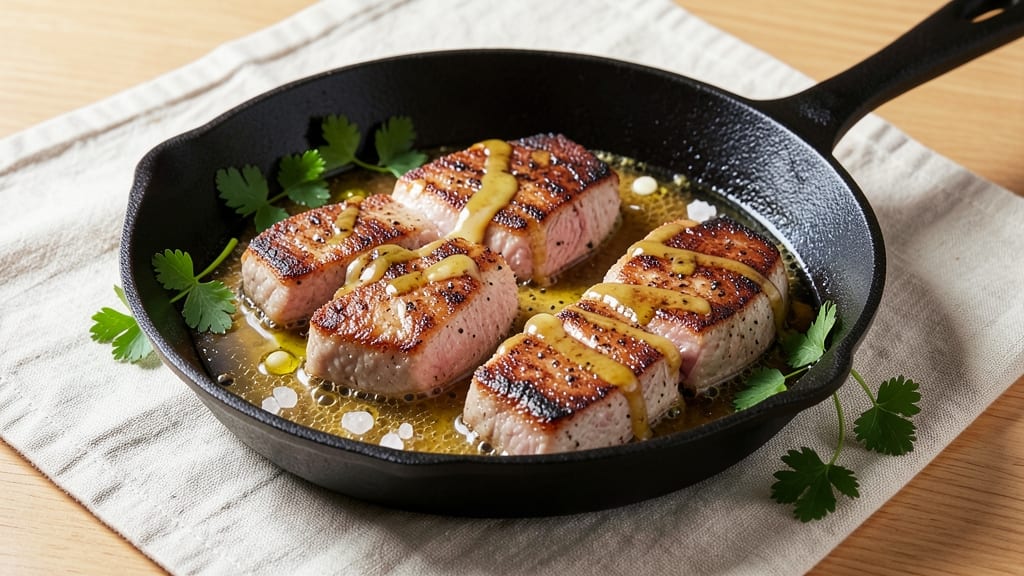
This boneless center cut pork chops recipe skillet delivers restaurant-quality results with just 15 minutes of hands-on time—no dryness, no fuss. I perfected this technique after years of testing, and the secret lies in proper seasoning, high-heat searing, and a simple pan sauce that transforms simple ingredients into something extraordinary.
The center cut stays juicy while developing a crispy golden crust that locks in all the flavor.
The magic happens in the skillet: pat the chops dry (this step is non-negotiable), season generously with salt and pepper, then sear over medium-high heat until golden brown—about 3-4 minutes per side. A quick rest on a wire rack prevents carryover cooking, ensuring tender, juicy meat every time.
The pan sauce, made from the rendered fat and a splash of broth, adds depth without overwhelming the natural pork flavor.
What you'll end up with is a perfectly balanced dish: crispy edges that contrast beautifully with tender, juicy centers. The pan sauce clings to each bite, adding richness and complexity.
This recipe is versatile enough for weeknight dinners or weekend family meals, and it pairs beautifully with roasted vegetables or a simple salad. The best part? No special equipment needed—just a good skillet and a little patience.
Confession: I've burned my share of pork chops, but this method is foolproof once you master the timing. The key is letting the chops rest after cooking—trust me, it makes all the difference.
Ready to transform a simple protein into a standout main course? Let's get started with the ingredients and instructions.
Ingredients for boneless center cut pork chops recipe skillet
Restaurant-quality pork chops start with these precise ingredients—center cut, proper seasoning, and a rich pan sauce.
| Ingredient | Amount | Notes |
|---|---|---|
| Boneless Center Cut Pork Chops 🥩 | 1 ½ lb | Even thickness, 1/2 to 3/4 inch |
| Diamond Crystal Kosher Salt 🧂 | 1 ½ tsp | Coarse grain preferred |
| Freshly Ground Black Pepper 🌶️ | ½ tsp | Cracked peppercorns preferred |
| Unsalted Butter 🧈 | 2 tbsp | Cold, cut into pieces |
| Extra-Virgin Olive Oil 🫒 | 1 tbsp | High smoke point preferred |
| Low-Sodium Chicken Broth 💧 | ¼ cup | Homemade or high-quality store-bought |
| Fresh Thyme Leaves 🌿 | ¼ cup | Finely chopped, stems removed |
| Garlic Cloves 🧄 | 2 cloves | Minced, fresh preferred |
| Cold Water 💧 | ¼ cup | For pan sauce thinning |
| Fresh Parsley Leaves 🌿 | 2 tbsp | Chopped, for garnish |
| Lemon Wedges 🍋 | 2 whole | For serving |
The center cut is non-negotiable here—it stays juicy while searing. Look for chops that are 1/2 to 3/4 inch thick for even cooking. Whole Foods and Kroger often carry pre-cut center cuts, but if you're buying whole, ask the butcher to trim the bone and fat cap. For seasoning, Diamond Crystal kosher salt dissolves better than table salt, and freshly cracked peppercorns add complexity. The butter should be cold when you add it to the skillet—this ensures proper browning without burning. If you can't find fresh thyme, dried works at one-third the amount, but fresh is ideal for that bright aroma.
No extra-virgin olive oil? Avocado oil works equally well for high-heat searing. Chicken broth can be substituted with low-sodium beef broth, but taste first—some brands are saltier than others. For the pan sauce, if you don't have fresh thyme or parsley, 1/4 teaspoon dried thyme and 1/2 teaspoon dried parsley will suffice. The garlic should be minced, not pressed—this prevents bitterness. Lemon wedges are optional but add a bright finish; if you skip them, a squeeze of fresh lemon juice over the finished chops works just as well. Pro tip: Pat the chops completely dry with paper towels before seasoning—this ensures maximum browning and crispiness.
Store leftover chops in an airtight container in the fridge for up to 3 days, but they're best eaten fresh. The pan sauce reheats beautifully—simply warm it in the skillet over low heat with a splash of water or broth. For longer storage, freeze the chops for up to 2 months in a sealed bag. When reheating, bake at 350°F (175°C) until internal temperature reaches 145°F (63°C). Garnish with fresh parsley and serve with roasted vegetables or a simple arugula salad for a complete meal. The sauce can be made ahead and reheated separately if needed.
Why You'll Love This Recipe
- One-Pan Magic: I swear by this recipe when I’m too tired to scrub a million dishes—just one skillet, a splash of olive oil, and those boneless chops sizzle up in minutes. The butter pools at the bottom, turning golden and nutty while the pork cooks, so you get that rich flavor without extra effort.
- Butter-Crisped Perfection: That first bite? The outside gets this irresistible crust from the butter and salt, while the inside stays juicy and tender—no dry pork chops here. Honestly, I’ve tried fancier cuts, but these center-cut beauties deliver every time with minimal fuss.
- Weeknight to Weekend: Serve it with mashed potatoes for a cozy Tuesday dinner or toss the leftovers into a grain bowl for Thursday lunch. It’s my go-to for when I need something reliable but still feels special—like when friends drop by unexpectedly.
- Budget-Friendly Protein: A single pound of boneless pork chops stretches further than bone-in, and the olive oil and butter make it feel indulgent without breaking the bank. I’ll be real: this is how I feed my family well without stressing over grocery bills.
Step-by-step instructions for skillet-seared boneless pork chops
Here's the method that guarantees restaurant-quality pork chops with perfectly crisp edges and juicy centers every time.
Season and Sear the Pork Chops
Pat the 1.5 lb boneless center cut pork chops completely dry with paper towels—this is crucial for that golden crust. Place them on a clean cutting board and season both sides generously with 1.5 tsp Diamond Crystal kosher salt and 0.5 tsp freshly ground black pepper. Let them sit at room temperature for 15 minutes while you prepare the pan.
Heat a large skillet over medium-high heat until it's hot but not smoking. Add 1 tbsp extra-virgin olive oil and swirl to coat the pan evenly. When the oil shimmers, add the pork chops and cook undisturbed for 3-4 minutes per side until they develop a deep golden-brown crust. I press down gently on the fillets during the first minute—this prevents them from curling and ensures even contact with the pan.
Build the Thyme-Garlic Pan Sauce
Remove the pork chops from the skillet and set them aside on a warm plate. Reduce the heat to medium and add 2 tbsp unsalted butter to the same pan. Let it melt completely, then add the 2 cloves minced garlic and 0.25 cup finely chopped fresh thyme leaves. Cook for 30 seconds until fragrant—don't let the garlic brown or it'll turn bitter.
Pour in 0.25 cup low-sodium chicken broth and scrape up any browned bits from the bottom of the pan with a wooden spoon. These bits are packed with flavor that will enrich your sauce. Let the mixture simmer gently for 2 minutes until slightly reduced. If the sauce looks too thick, add 1-2 tablespoons of the 0.25 cup cold water to reach your desired consistency.
Finish and Serve with Fresh Herbs
Return the pork chops to the skillet and spoon the thyme-garlic sauce evenly over the top. Let them simmer together for 1-2 minutes to heat through completely. The internal temperature should reach 145°F—use a meat thermometer to check the thickest part of each chop.
Transfer the pork chops to serving plates and drizzle with any remaining sauce from the skillet. Garnish each serving with 2 tbsp chopped fresh parsley leaves and serve immediately with 2 whole lemon wedges on the side. The chops should be juicy with a beautiful golden crust, and the sauce should coat each bite with aromatic thyme and garlic flavors.
Rest and Plate for Maximum Juiciness
Let the pork chops rest for 2-3 minutes before serving—this allows the juices to redistribute throughout the meat. I know it's tempting to serve immediately, but this short rest period makes all the difference in tenderness. Use this time to warm any side dishes you're serving.
When ready to serve, arrange the pork chops on warmed plates and squeeze a lemon wedge over each portion. The acidity from the lemon brightens the rich flavors of the pork and thyme sauce. Serve with roasted vegetables or a simple salad to complete the meal—this dish pairs beautifully with anything that won't overpower its delicate flavors.
Pro Tips For Making Boneless Center Cut Pork Chops Recipe Skillet
- CRANK THE HEAT HIGH: Start your skillet over maximum heat—yes, even if it feels aggressive. Boneless center cuts cook fast, and a screaming-hot pan sears the outside while keeping the inside juicy. I used to back off, and the chops always ended up gray and undercooked. Trust the heat for that perfect crust.
- SALT THE CHOPS BEFORE OIL: Generously coat both sides with kosher salt at least 30 minutes before cooking—this lets the salt penetrate and season deeply. I learned this the hard way after seasoning after searing and ending up with bland edges. Diamond Crystal is coarser, so use about twice what you’d use with table salt.
- SKIP THE CROWDING: Resist the urge to flip or move the chops until you see a deep golden crust form—about 3-4 minutes per side. Overcrowding the pan steams the meat instead of searing it. If you’re cooking two chops, do it in batches or use a larger skillet.
- FINISH WITH BUTTER LOW: After searing, reduce heat to medium-low, add 2 tablespoons of cold butter, and let it melt slowly. This bastes the chops with rich, flavorful fat, and the lower heat keeps them from overcooking. I used to dump it all in hot—big mistake. The butter burns before it can do its job.
Perfect pairings for these flavors
Classic Side Dishes
Roasted garlic mashed potatoes take this dish to the next level—their creamy texture contrasts beautifully with the crispy pork chops. I use 1.5 lbs Yukon Gold potatoes boiled until tender, then mashed with 3 tbsp butter, ¼ cup warm milk, and 2 roasted garlic cloves.
The garlic adds depth without overpowering the pork. 🥔
For a lighter option, try a simple sautéed green bean salad with ½ lb fresh green beans, 1 tbsp olive oil, 1 minced garlic clove, and a pinch of red pepper flakes.
Toss with 2 tbsp lemon juice and 1 tbsp chopped parsley for a bright, fresh contrast.
Bread Pairings
A warm crusty baguette is perfect for soaking up that delicious thyme-garlic pan sauce. I love toasting slices with 1 tbsp garlic butter (mix 1 tbsp softened butter with ½ tsp minced garlic) and sprinkling with sea salt.
The crispy bread adds a satisfying crunch to each bite. 🥖
Wine Recommendations
A crisp Sauvignon Blanc from New Zealand pairs wonderfully with these pork chops. The wine's bright acidity and citrus notes cut through the richness of the butter and pork.
I recommend Cloudy Bay Sauvignon Blanc—it has a perfect balance of zesty and floral flavors that complement the thyme and garlic. 🍷
Beer Pairings
For beer lovers, a German Helles Lager like Weihenstephaner Original is ideal. Its light maltiness and subtle hop bitterness won't overpower the pork's delicate flavors. If you prefer something bolder, a Belgian Witbier like Stella Artois adds a refreshing citrus note that pairs beautifully with the lemon wedges. 🍺
Seasonal Variations
In summer, swap the thyme for fresh rosemary and add 1 tbsp chopped basil to the pan sauce for a brighter, herbaceous flavor. Serve with a cucumber and radish salad drizzled with extra-virgin olive oil and a splash of white wine vinegar.
For fall, roast butternut squash cubes with 1 tbsp maple syrup, ½ tsp cinnamon, and a pinch of salt until caramelized. The sweetness balances the savory pork beautifully. 🍂
Nutrition facts
Frequently asked questions
Why should I use boneless center cut pork chops instead of regular pork chops?
The center cut stays juicier during cooking and has less fat, making it ideal for skillet searing. Unlike bone-in cuts, it cooks more evenly without drying out. Plus, the center muscle is more tender—perfect for the crispy edges and juicy interior this recipe delivers!
Can I cook these pork chops without a meat thermometer?
Yes! For 1/2 to 3/4 inch thick chops, cook for 3-4 minutes per side until the internal color changes to light gray (no longer pink) and the crust is deep golden brown. Cut into one to check—juices should run clear, not pink. The 145°F target is just a guideline for safety.
What if my skillet isn't hot enough and the chops stick?
If the pan isn't hot enough, the chops will steam instead of sear. Wait until the oil is shimmering (not smoking) before adding them. A cast iron skillet works best—heat it for 3-4 minutes before adding oil. If they stick, gently scrape with a spatula and let them cook undisturbed for 1 more minute.
Can I make this recipe ahead of time?
Cook the chops completely, then refrigerate in an airtight container for up to 3 days. Reheat in a skillet over medium-low heat with a splash of broth until warmed through (165°F). The pan sauce can be made ahead too—store it separately and reheat with the chops. Just add fresh herbs when serving.
What's the best way to store leftover pan sauce?
Let the sauce cool completely, then transfer it to an airtight container. It keeps in the fridge for 3-4 days or frozen for 1 month. When reheating, warm over low heat and thin with a splash of water or broth if needed. The sauce thickens as it cools, so don't worry if it looks too thick when stored.