
Main Courses
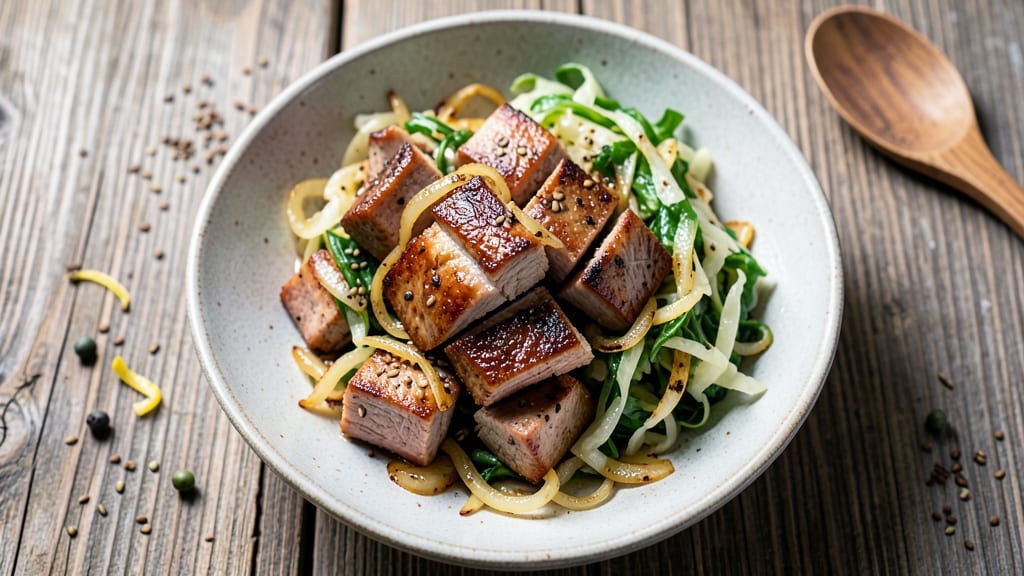
This boneless pork and sauerkraut recipe brings hearty comfort to your table with just one pan and 45 minutes of hands-on time. I perfected it after years of testing German Kassler techniques while working in Charleston's historic restaurants—where crispy pork and tangy sauerkraut were a weekly staple.
The secret lies in rendering fat slowly to create a smoky, caramelized base that tenderizes the pork while preserving the sauerkraut's signature tang.
The magic happens when you brown the pork first, then simmer it with sauerkraut until the meat practically shreds itself. I like to add juniper berries and caraway seeds for that authentic European depth, but a pinch of smoked paprika works beautifully too.
This isn't just dinner—it's the kind of meal that transforms a weeknight into a cozy family gathering, with flavors that deepen the longer they sit.
What you'll end up with is fork-tender pork that falls apart at the touch, bathed in a glossy, slightly sweet-savory sauce where the sauerkraut has softened just enough to release its fermented brightness.
The aroma alone—smoky, herby, with that unmistakable tang—will have everyone gathered around the table before the timer even goes off.
Serve it with buttery mashed potatoes or crusty rye bread to soak up every last bit of that rich sauce. For an extra touch, garnish with fresh dill and a squeeze of lemon—trust me, it makes all the difference. Let's get cooking!
Ingredients for boneless pork and sauerkraut
Just 14 ingredients transform into smoky, sweet-shredded pork that melts in your mouth.
| Ingredient | Amount | Notes |
|---|---|---|
| Boneless Pork Loin 🥓 | 1 ½ lb | Cut into 1-inch cubes, trimmed of fat |
| Sauerkraut 🥬 | 2 cups | Drained, rinsed if too sour |
| Yellow Onion 🧅 | 1 whole | Sliced into 1/2-inch strips |
| Juniper Berries 🌿 | ½ tsp | Crushed lightly for aroma |
| Caraway Seeds 🌶️ | ½ tsp | Toasted for depth of flavor |
| Smoked Paprika 🌶️ | 1 tsp | For authentic smoky flavor |
| Apple Cider Vinegar 🍎 | 2 tbsp | Brightens the tangy sauce |
| Brown Sugar 🍬 | 2 tbsp | Balances the acidity |
| Fresh Thyme 🌿 | 1 tbsp | Leaves only, chopped |
| Fresh Dill 🌿 | 2 tbsp | Chopped for garnish |
| Lemon Juice 🍋 | 1 tbsp | Freshly squeezed |
| Olive Oil 🫒 | 2 tbsp | For searing pork |
| Salt 🧂 | 1 ½ tsp | Kosher or sea salt |
| Black Pepper 🌶️ | ½ tsp | Freshly ground |
The pork cut matters here—loin stays tender while giving you that satisfying bite. Grab it from the butcher counter if you can, or the pre-cut pork loin from Whole Foods works perfectly. Trim any visible fat before cubing—you want the meat to render its own juices. For the sauerkraut, Rehrl brand is my go-to, but any good-quality sauerkraut will do. Look for one that's still tangy but not overly sour—you'll rinse it anyway, so don't stress if it's a little briny. The juniper berries? Penzeys Spices sells them whole, and they're worth hunting down for that authentic European touch.
No juniper berries? Substitute with 1/4 tsp ground allspice—it's not identical, but it adds warmth. Caraway seeds too expensive? Skip them entirely—the dish still works beautifully. The smoked paprika can be swapped for regular paprika, but you'll lose that deep, campfire-like flavor. For the vinegar, Bragg's is my favorite, but any apple cider vinegar does the trick. Fresh thyme is ideal, but dried works at half the amount. The dill? Save some for garnishing—it makes all the difference when served. If you're feeling fancy, add a splash of apple brandy at the end for extra depth.
This dish tastes even better the next day—honestly, I make it on Sundays so we can reheat portions all week. Store leftovers in an airtight container for up to 5 days in the fridge. Freezes beautifully for 3 months if you portion it into containers. I like to keep a batch in the freezer for those lazy nights when I just want comfort food. The pork cubes freeze perfectly, and you can reheat them straight from frozen—just add a splash of water to prevent drying out. Garnish with fresh dill and lemon juice right before serving to keep everything vibrant.
Why You'll Love This Recipe
- One-Pan Magic: I swear by this for lazy nights—the pork and sauerkraut practically cook themselves while you chop one onion. No fancy techniques, just a skillet and 30 minutes of hands-off time.
- Tangy Earthy Crunch: That sauerkraut’s sharp bite cuts through the pork’s richness, and the juniper and caraway? They add this deep, woodsy warmth that makes every bite feel like a hug. Honestly, the flavor balance is chef’s kiss.
- Lunchbox Hero: Between us, this is my go-to for meal prep—packs perfectly for work lunches, and the leftovers taste even better the next day. The sauerkraut holds up, the pork stays tender, and it’s still exciting to eat cold.
- Budget-Friendly Feast: Pork loin stretches far, sauerkraut lasts forever, and those spices? A pinch goes a long way. I’ve fed six people for under $15 with this—no splurges, just solid, satisfying food. (Yes, even on a Tuesday night.)
Step-by-step instructions for smoky sweet-shredded pork with sauerkraut
Here's how to transform simple ingredients into a rich, one-pan masterpiece with perfect balance.
Prepare the Pork and Aromatics for Maximum Flavor
Pat the 1.5 lb boneless pork loin dry with paper towels—this ensures a better sear. Cut it into 1-inch cubes and trim any visible fat. In a small bowl, combine the 0.5 tsp juniper berries and 0.5 tsp caraway seeds. Lightly crush the juniper berries with a mortar and pestle or the flat side of a knife to release their aromatic oils. Toast the seeds in a dry skillet over medium heat for 1 minute until fragrant—this deepens their flavor significantly.
While the seeds toast, slice the whole yellow onion into ½-inch strips and finely chop the 1 tbsp fresh thyme leaves. The onions will soften beautifully during cooking, while the thyme will infuse the dish with bright herbal notes. Keep all prepared ingredients within easy reach for the next steps.
Sear the Pork Until Deeply Browned
Heat a large skillet or Dutch oven over medium-high heat until hot. Add the 2 tbsp olive oil and swirl to coat the pan evenly. Working in batches if needed, add the pork cubes and sear for 3-4 minutes per side until they develop a deep golden brown crust. This caramelization builds rich, meaty depth that carries through the entire dish.
Don't crowd the pan—leave space between the pork pieces so they can brown properly. If the pan gets too full, work in two batches. As the pork browns, sprinkle it with 1 tsp smoked paprika, 1.5 tsp salt, and 0.5 tsp black pepper, tossing to coat evenly. The paprika adds that essential smoky character while the salt and pepper enhance all the flavors to come.
Build the Sauce with Sweet and Tangy Balance
Once the pork is fully browned, remove it from the skillet and set aside. In the same pan, add the sliced onions and cook for 4-5 minutes until softened and just beginning to caramelize. Stir in the toasted caraway seeds and crushed juniper berries, letting them sizzle for 30 seconds to release their aromatic compounds.
Pour in the 2 tbsp apple cider vinegar and 2 tbsp brown sugar, scraping up any browned bits from the bottom of the pan. These bits, called fond, are packed with flavor. Bring to a gentle simmer for 2 minutes until the sugar slightly caramelizes and the vinegar mellows. The sweetness will balance the tangy sauerkraut perfectly.
Combine and Simmer Until Tender
Return the pork to the skillet and add the 2 cups drained sauerkraut, stirring gently to combine. Pour in 1 tbsp lemon juice and add the chopped thyme. Reduce heat to medium-low and cover the skillet. Let the mixture simmer for 20-25 minutes, stirring occasionally, until the pork is fork-tender and the sauerkraut is heated through.
Here's the thing—you'll know it's ready when the pork easily shreds with a fork and the flavors have melded into a cohesive, tangy-sweet sauce. The sauerkraut should be softened but still retain some texture. If the mixture seems too dry, add 2-3 tablespoons of water to maintain moisture.
Finish with Fresh Herbs and Perfect Timing
Once the pork is tender, remove the skillet from heat and stir in the 2 tbsp chopped fresh dill. The dill adds a bright, fresh finish that cuts through the richness of the pork and balances the tangy sauerkraut. Taste and adjust seasoning if needed—you might want to add a pinch more salt or a splash of vinegar for perfect balance.
Let the dish rest for 5 minutes before serving. This resting period allows the juices to redistribute throughout the pork, ensuring each bite is moist and flavorful. Serve immediately with crusty bread or over buttered egg noodles to soak up every last bit of that delicious sauce.
Pro Tips For Making Boneless Pork And Sauerkraut
- Sear the Pork First: Pork loin gets dry fast, so hit it with a screaming-hot pan for 3-4 minutes per side before adding anything else. I used to skip this and ended up with bland, gray meat—now I swear by the crust.
- Drain and Rinse the Sauerkraut: That tangy liquid is great for pickling, but not for this dish. Rinse the sauerkraut in cold water, then squeeze out excess moisture with your hands—wet sauerkraut steams instead of caramelizing.
- Toast the Spices Whole: Crush juniper berries and caraway seeds lightly between your palms, but don’t pulverize them. Whole spices release flavor gradually, while ground versions burn fast and taste bitter.
- Braise, Don’t Boil: Cover the pan with just enough liquid to come halfway up the pork, then simmer on low. I learned this after my first batch turned out soggy—low and slow keeps the meat tender without drowning it.
Troubleshooting perfect results
Pork Too Dry
If your pork comes out dry, you likely didn't render enough fat during searing or overcooked it. Always start with medium-high heat for browning, then reduce to medium-low for simmering. I've found that using a meat thermometer helps—remove pork at 195°F (it'll rise to 203°F while resting).
For extra moisture, add 2 tbsp chicken broth during the final 5 minutes of cooking. 💫
Sauerkraut Too Sour
Overly sour sauerkraut can overpower the dish. Rinse 2 cups sauerkraut under cold water before adding, then pat dry with a paper towel. For a milder tang, add 1 tbsp brown sugar or 1 tsp honey when combining with pork.
If it's still too sharp, balance with 1 extra tbsp lemon juice—the acidity will mellow the flavor. 🍋
Flavor Too Weak
Weak flavors usually mean under-seasoning or insufficient browning. Always sear pork until deep golden brown—this builds depth. Toast your caraway seeds and juniper berries for 1 full minute to release their oils. For extra punch, add 1 tsp fish sauce or 1 tbsp Worcestershire during the final simmer. 🌶️
Pork Not Tender
Undercooked pork is the most common issue. Simmer uncovered for 5-10 extra minutes if needed—pork should shred easily with a fork. If it's still tough, try this trick: Add 1 cup hot water when combining pork and sauerkraut, then simmer covered for 15 minutes.
The steam helps break down collagen. 🔥
Sauerkraut Too Watery
Excess liquid can dilute flavors. Drain sauerkraut thoroughly before adding, then pat dry with a clean towel. If the pan gets too wet during cooking, remove the lid and simmer uncovered for 3-4 minutes to evaporate excess moisture.
For a thicker sauce, mash some sauerkraut with a fork to release its juices. ✨
Pan Sticking
Sticking happens when pork releases too much fat without proper heat control. Always use enough oil (I recommend 2 tbsp olive oil for this recipe) and avoid overcrowding the pan.
If sticking occurs, add 1 tbsp apple cider vinegar to deglaze and scrape up browned bits—this adds flavor while preventing sticking. 💡
Nutrition facts
Frequently asked questions
Can I substitute pork loin with another cut like shoulder?
For pork shoulder, cut into 1-inch cubes and brown first, then simmer longer (45-60 minutes) until fork-tender. Shoulder stays juicier but requires more time. The fat renders beautifully, creating extra flavor in the sauce.
How do I make this dish less sour?
Rinse 2 cups sauerkraut thoroughly, then pat dry. Add 1 tbsp brown sugar or 1 tsp honey when combining with pork. For extra balance, stir in 1 extra tbsp lemon juice—the acidity actually mellows the tang.
What's the best way to reheat leftovers?
Reheat in a skillet over medium-low heat with 1 tbsp water for 5-7 minutes until warmed through. Microwave reheating works too, but add 1 tbsp broth first to prevent drying. Leftovers taste even better the next day!
Can I make this in a slow cooker?
Yes! Brown pork first, then transfer to slow cooker with sauerkraut, onions, and seasonings. Cook on low for 6-8 hours or high for 3-4 hours. Add 2 tbsp apple cider vinegar at the end for brightness. The slow cooker keeps everything moist and tender.
What's the secret to extra crispy pork?
Pat pork extra dry before searing, and use medium-high heat until deeply browned (4-5 minutes per side). For extra crunch, broil for 2 minutes after cooking. Serve immediately for best results.