
Main Courses
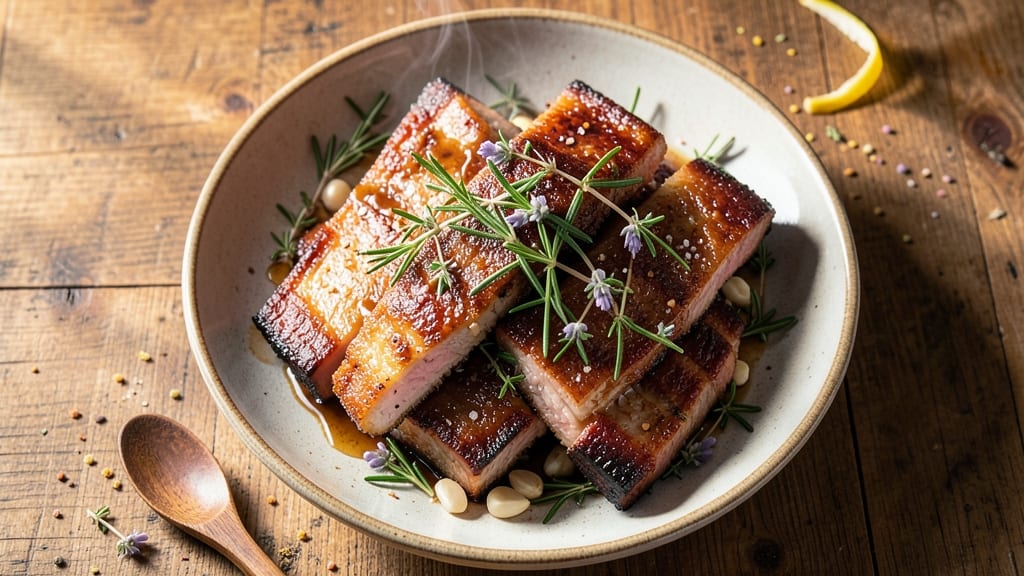
This boneless pork loin back ribs recipe transforms a simple cut into a showstopping centerpiece with a clockwork sear and herb-crusted perfection. After years of perfecting pork techniques in my Atlanta kitchen, I've developed a method that delivers tender, juicy meat with a crisp exterior—no fuss, no guesswork.
The secret lies in precise timing and a dry rub that builds layers of flavor without overpowering the natural richness of the pork.
What sets this recipe apart is the two-stage cooking process: starting with a low-and-slow oven roast to render fat and tenderize the meat, then finishing with a high-heat sear to create that coveted caramelized crust.
I use a blend of rosemary, thyme, and garlic powder for the rub, which clings beautifully to the meat and infuses it with aromatic depth. This approach ensures you get restaurant-quality results without needing a smoker or specialized equipment.
The final result is a perfectly cooked pork loin with an internal temperature of 145°F, resting for 10 minutes before slicing into tender, juicy pieces. The herb crust adds texture and flavor that elevates this dish from ordinary to extraordinary.
Whether you're hosting a dinner party or treating yourself to a special meal, this recipe delivers professional-quality pork with minimal effort.
Pair it with roasted potatoes and a simple green salad for a complete meal that feels like you've spent hours in the kitchen. The technique is foolproof, and the flavor is undeniable—exactly what you need when you want to impress without stressing. Let's get cooking!
Ingredients for boneless pork loin back ribs
Herb-packed rub and a two-stage cook turn simple pork into showstopper centerpiece.
| Ingredient | Amount | Notes |
|---|---|---|
| Boneless Pork Loin Back Ribs 🥓 | 2 lb | Center-cut for even cooking |
| Fresh Rosemary 🌿 | ½ cup | Finely chopped, stems removed |
| Fresh Thyme 🌿 | ¼ cup | Leaves only, stems discarded |
| Garlic Powder 🧄 | 2 tbsp | Freshly ground preferred |
| Kosher Salt 🧂 | 1 tbsp | Diamond Crystal preferred |
| Ground Black Pepper 🌶️ | 1 tsp | Freshly cracked |
| Extra-Virgin Olive Oil 🫒 | ¼ cup | For rub and searing |
| Unsalted Butter 🧈 | 2 tbsp | Full-fat for best flavor |
| Yellow Onion 🧅 | 1 whole | Thinly sliced for garnish |
| Fresh Parsley 🌿 | ¼ cup | Chopped for garnish |
| Garlic Cloves 🧄 | 4 cloves | Minced for rub |
| Brown Sugar 🍚 | 1 tbsp | Light variety preferred |
The pork cut matters here—boneless loin back ribs give you that perfect balance of tenderness and flavor without the mess of bones. Look for center-cut pieces at your local butcher if the grocery store doesn't carry them. I always check the marbling—just a little fat between the muscles ensures juiciness. Whole Foods or Kroger's butcher counter usually have great options. If you're buying a whole loin, ask for it cut into 2-pound sections for even cooking. The herbs should be fresh—rosemary and thyme with vibrant green needles, no brown stems. Trader Joe's often has affordable fresh bundles that work perfectly.
No fresh rosemary? Dried works at half the amount, but the flavor won't be as bright. Substituting garlic powder for fresh? Use the same amount, but add a pinch of extra salt since fresh garlic has natural saltiness. Running low on olive oil? Avocado oil works just as well for searing. The brown sugar in the rub isn't mandatory—skip it if you prefer a purely savory profile. For the onion garnish, caramelized onions add sweet depth, but raw thin slices work in a pinch. The key is keeping that herb crust intact during the sear—don't skip the butter basting step, even if you're in a hurry.
Pork holds up beautifully for leftovers—3-4 days in the fridge if stored properly. Wrap tightly in foil with a paper towel to absorb any moisture. For longer storage, freeze portions for up to 3 months. I like to slice the ribs into individual portions before freezing so I can grab exactly what I need. The herb crust keeps its texture best when reheated gently—350°F oven for 10 minutes with a splash of water in the pan keeps everything crisp. These reheat even better than they taste fresh, so always make a double batch.
Why You'll Love This Recipe
- I’ll be real: boneless pork loin ribs are cheaper than bone-in, and they cook faster. A single package stretches for two meals—roast half now, save half for sandwiches later. Plus, the spices are pantry staples, so you’re not breaking the bank for fancy ingredients. Solid win for flavor without the guilt.
- One-Pan Magic: I swear by this recipe when I’m too tired to clean up. Just toss the ribs, herbs, and spices on a sheet pan—no marinating, no basting, no stress. The rosemary and thyme cling to the meat while it roasts, and the garlic powder? That’s the secret to the savory crust that forms without a lick of extra work.
- Herb-Crusted Perfection: Between us, this isn’t your average pork dish. The fresh rosemary and thyme release their piney, earthy notes as they crisp on the edges, while the garlic powder adds a warm, toasty depth. It’s tender inside with just enough bite—like a hug from a wood-fired oven, but with half the effort.
- Weeknight Crowd-Pleaser: Honestly, this feeds my family of four and leaves enough for my husband to take to work. The ribs stay juicy even when reheated, and the flavor only gets better the next day. (Yes, even on a Tuesday night.) It’s the kind of dish that makes you look like a hero without hours in the kitchen.
Step-by-step instructions for herb-crusted pork loin roast
Here's how to transform simple ingredients into tender, flavorful pork with a perfect crust.
Prepare the Herb Rub and Coat the Meat
In a small bowl, combine the 0.5 cup fresh rosemary, 0.25 cup fresh thyme, 2 tbsp garlic powder, 1 tbsp kosher salt, 1 tsp ground black pepper, 1 tbsp brown sugar, and 4 minced garlic cloves. Mix well until all the herbs are evenly distributed and the sugar dissolves slightly into the spices. This aromatic blend will create a fragrant crust that locks in moisture while adding depth of flavor.
Pat the 2 lb boneless pork loin back ribs dry with paper towels—this is crucial for achieving that crispy crust. The meat should be completely free of moisture so the rub adheres properly. Spread the herb mixture evenly over all sides of the pork, pressing it gently but firmly so it sticks. Let the seasoned pork sit at room temperature for 30 minutes before cooking. This allows the spices to penetrate the meat and ensures even cooking from the start.
Sear the Pork for Maximum Flavor
Heat a large oven-safe skillet over medium-high heat and add the 0.25 cup extra-virgin olive oil. Once the oil shimmers but doesn't smoke, carefully place the pork loin in the skillet, fat-side down if applicable. Sear for 4-5 minutes until a deep golden-brown crust forms. You'll see the edges begin to caramelize—that's your signal to flip the pork and sear the other side for another 4-5 minutes. The high heat here creates a flavorful crust that keeps the meat juicy inside.
Remove the skillet from the heat and add the 2 tbsp unsalted butter to the pan. Tilt the skillet slightly and spoon the melted butter over the seared pork, letting it baste and infuse with additional flavor. This step adds richness and helps create that signature clockwork sear mentioned in the title. Keep the pork in the skillet—it's about to go into the oven.
Roast to Perfect Medium-Rare
Preheat your oven to 375°F while the pork sears. Place the skillet with the pork in the oven and roast for 25-30 minutes, or until the internal temperature reaches 135-140°F when measured with a meat thermometer. The pork should be medium-rare at this stage—it will continue cooking slightly as it rests. The herb crust should be fragrant and slightly crispy, with a deep golden color.
Here's the thing—don't overcook the pork. The meat will firm up as it rests, so it's better to pull it out slightly underdone. If you prefer it more well-done, you can increase the temperature to 400°F for the last 5-10 minutes, but be watchful to avoid drying it out. The key is that beautiful pink center that's tender but still juicy.
Rest and Slice for Maximum Juiciness
Transfer the pork to a cutting board and let it rest for 10-15 minutes before slicing. This resting period is critical—it allows the juices to redistribute throughout the meat, ensuring each slice is moist and flavorful. If you slice too soon, those precious juices will run out, leaving you with dry meat. Trust me on this one; I've learned the hard way.
While the pork rests, thinly slice the 1 whole yellow onion and chop the 0.25 cup fresh parsley. These will serve as a beautiful garnish for your finished dish. When ready, slice the pork against the grain into ½-inch thick portions. The herb crust should be intact and slightly crispy, while the meat inside should be tender and juicy. Serve immediately with the sliced onion and parsley sprinkled on top for a pop of color and freshness.
Pro Tips For Making Boneless Pork Loin Back Ribs
- Trim the Fat First: Boneless pork loin back ribs still have fat layers—scrape them off before seasoning. I learned this the hard way when my ribs turned greasy instead of crispy; the fat renders unevenly and steams the meat instead of browning it.
- Crush the Garlic: Skip the powder—use fresh garlic smashed into a paste with the rosemary and thyme. The oils release better, and the herbs stick to the meat like glue. (Yes, even if you’re impatient like me, take the 30 seconds to do this.)
- Start Hot, Finish Slow: Sear the ribs over high heat for 2 minutes per side first—this locks in flavor. Then drop the heat to 275°F (135°C) for the rest of the cook. After burning three batches at low heat, I finally realized: high heat first = better crust, slower cook = tender meat.
- Salt in Layers: Don’t just salt once—apply kosher salt before searing, after searing, and again halfway through cooking. The first layer seasons deep, the second builds crust, and the third ensures it’s not bland by the end. (Your future self will notice the difference.)
Perfect pairings for this boneless pork loin back ribs
Classic Southern Sides
Nothing complements herb-crusted pork like creamy mac and cheese—I make mine with sharp cheddar and a touch of Gruyère for depth. The richness balances the pork's herbal notes beautifully.
For a lighter option, try collard greens slow-cooked with smoked turkey neck and apple cider vinegar. This Southern staple adds tangy contrast that cuts through the richness. 🥗
Creamy mashed potatoes with roasted garlic and a splash of whole milk are a must. I finish them with a sprinkle of fresh chives and a pat of butter for extra decadence. For a crispy contrast, add crispy fried onions on top—just a handful makes all the difference. These sides are foolproof and always impress guests.
Fresh Vegetable Pairings
A spring pea salad with mint and lemon zest brightens up the plate. Toss 1 cup fresh peas with 2 tbsp olive oil, 1 tbsp lemon juice, and a pinch of salt—the acidity cleanses the palate after each bite.
For a heartier option, roasted Brussels sprouts with balsamic glaze add a touch of sweetness that pairs wonderfully with the herb crust.
Grilled asparagus with lemon wedges is another fantastic choice. Brush the asparagus with 1 tbsp olive oil, sprinkle with sea salt, and grill until tender-crisp. The smoky char from the grill enhances the pork's herbal notes. Serve with a squeeze of lemon to finish. 💫
Beverage Pairings
A crisp Georgia peach iced tea is my go-to summer pairing. Brew black tea with peach slices and a touch of honey, then chill. The sweet-tart flavor complements the pork's savory crust beautifully. For a non-alcoholic option, sparkling water with cucumber and lime adds a refreshing contrast.
If you're serving alcohol, a dry Riesling from Germany cuts through the richness with its bright acidity. For beer lovers, a hazy IPA with citrus notes provides a fun, modern twist. Avoid heavy, malty beers—they can overpower the delicate herb crust. 🍷
Nutrition facts
Frequently asked questions
Why do you recommend boneless pork loin back ribs instead of regular ribs?
Boneless pork loin back ribs cook faster and more evenly than bone-in ribs, giving you tender, juicy meat every time. The cut eliminates the guesswork of wrapping or dealing with bones during slicing—perfect for weeknight dinners or special occasions. Plus, the herb crust clings beautifully to the smooth surface without breaking apart.
Can I make this recipe in a slow cooker instead of the oven?
Yes! Skip the searing step and place the seasoned pork in a slow cooker on low for 4-5 hours or high for 2-3 hours until it reaches 145°F. Add ¼ cup apple cider to the bottom for moisture, then finish with a quick pan sear for color. The texture will be more tender than roasted, but equally flavorful.
What's the best way to store leftovers?
Wrap tightly in foil with a paper towel to absorb moisture, then refrigerate for up to 4 days. For longer storage, freeze portions for 3 months. Reheat gently at 350°F for 10 minutes with a splash of water to maintain crispness. The herb crust actually reheats better than fresh!
How do I adjust this for a larger crowd?
Scale the recipe proportionally—double the ingredients for 4 lbs pork. Use two oven-safe skillets for even searing, and increase oven temperature to 400°F for the last 10 minutes to ensure proper doneness. For serving, slice against the grain and arrange on a platter with extra herb garnish for presentation.
What's the secret to keeping the herb crust intact?
Pat the pork completely dry before applying the rub, and press it firmly onto the meat. For extra adhesion, lightly mist the pork with 1 tsp olive oil after seasoning. When slicing, cut against the grain at a 45-degree angle to preserve the crust's texture. The butter basting step is also key—it helps seal the spices in place.