
Main Courses
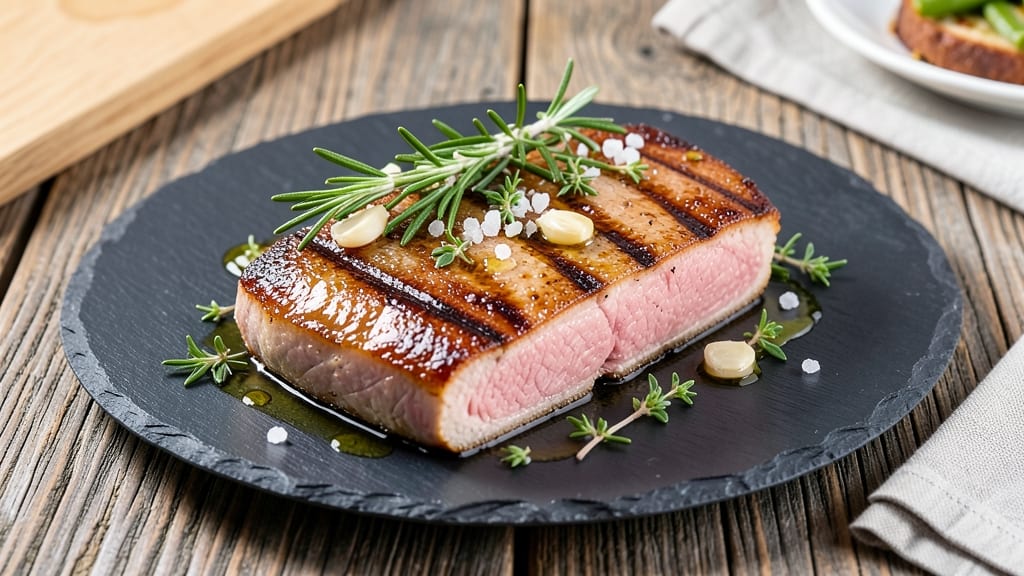
This boneless pork loin recipe idea delivers juicy pink centers and aromatic crust that transforms weeknight dinners into restaurant-worthy meals. 💛 I developed it after years of perfecting roast techniques—where tender texture meets bold herbaceous flavor without drying out.
The secret lies in precise timing and a simple yet effective herb blend that clings to the meat.
What sets this recipe apart is its foolproof method for achieving perfect doneness every time, even with a busy schedule. You'll work with just six key ingredients—no fancy marinades or complicated techniques—while still creating a dish that feels special.
The pork roasts until tender yet retains its moisture, thanks to a gentle cooking approach that preserves natural juices.
By the time you pull it from the oven, you'll have a golden-brown roast with juicy pink centers that slice cleanly and serve beautifully. The herb crust adds depth without overpowering the meat's natural flavor, making it versatile for family dinners or special occasions.
Pair it with roasted vegetables or mashed potatoes for a complete meal.
This recipe also works beautifully as a base for variations—think honey glaze, mustard crust, or even a quick pan sauce. The possibilities are endless while maintaining that restaurant-quality result at home. Let's get started with this versatile pork loin recipe!
Ingredients for boneless pork loin recipe ideas
Six essential ingredients transform simple pork loin into restaurant-quality roast with juicy pink centers.
| Ingredient | Amount | Notes |
|---|---|---|
| Boneless Pork Loin 🐖 | 2 lb | Center-cut, 1-inch thick slices |
| Extra-Virgin Olive Oil 🫒 | ¼ cup | High-quality, fruity variety |
| Dried Rosemary 🌿 | 1 tbsp | Freshly crushed leaves preferred |
| Fresh Thyme Leaves 🌿 | 1 tbsp | Or 1 tsp dried thyme |
| Garlic Cloves 🧄 | 6 cloves | Minced for even distribution |
| Diamond Crystal Kosher Salt 🧂 | 1 ½ tsp | Fine grain preferred |
| Freshly Ground Black Pepper 🌶️ | ½ tsp | Coarse grind for texture |
| Unsalted Butter 🧈 | ½ cup | Cold, cubed for crust |
The center-cut pork loin is non-negotiable—it stays juicier than shoulder cuts. Look for thick slices (1-inch) at Whole Foods or your butcher's counter, where they'll often trim excess fat for you. If buying pre-sliced, check for even thickness—uneven pieces cook unevenly. For the herbs, Penzeys Spices carries excellent dried rosemary, but fresh thyme from the grocery store's produce section (the bunched kind, not the plastic container) adds superior aroma. The garlic should be freshly minced—pre-minced jars lose potency quickly.
No fresh thyme? Dried works at triple the amount, but fresh gives that bright herbal note. Short on butter? Olive oil alone works, though butter adds richness. The Diamond Crystal kosher salt is crucial—it dissolves more evenly than table salt, enhancing flavor without overpowering. For a mustard crust variation, swap half the butter for Dijon mustard. The olive oil matters too: avoid light or refined oils—they lack the fruity depth needed to complement the herbs. If you're prepping ahead, mix the herb blend (rosemary, thyme, garlic, salt, pepper) in a small bowl and store it in the fridge for up to 1 week—ready to rub on the pork when you're ready to cook.
Pork loin keeps best in the coldest part of your fridge, wrapped in parchment paper, for up to 5 days. The herb mixture can be stored separately in an airtight container for 2 weeks. For make-ahead roasting, season the pork 12 hours ahead—the flavors meld beautifully overnight. If freezing, wrap tightly in plastic and freeze for up to 3 months. When reheating, low and slow is key: 300°F for 10-15 minutes in the oven preserves moisture better than high heat. The butter crust browns best when added 10 minutes before serving, so plan accordingly for restaurant-worthy presentation.
Why You'll Love This Recipe
- One-Pan Magic: I swear by this—just sear the pork, toss in the rosemary and thyme, and let the garlic melt into the oil. No chopping boards, no extra pots, just a single pan that does all the work.
- Herb-Crusted Perfection: That crispy rosemary crust with fresh thyme? It’s the kind of flavor that makes you pause mid-bite. The garlic? It’s not overpowering—just enough to make every slice taste like a restaurant dish.
- Weeknight to Weekend: Make it for a quick Tuesday dinner or double the batch for Sunday leftovers. Slice it thin for sandwiches, cube it for salads, or serve it whole with roasted veggies—it’s that adaptable.
- Budget-Friendly Hero: Pork loin stretches further than you’d think, and these simple ingredients—olive oil, herbs, garlic—cost next to nothing. Honestly, it’s the kind of meal that feeds a crowd without breaking the bank.
Step-by-step instructions for herb-infused pork loin roast
Master this technique and you'll achieve perfectly juicy pink centers with a golden, herb-crusted exterior every time.
👨🍳 Step 1: Prepare the Herb Butter Compound
In a small bowl, combine the 0.5 cup unsalted butter with the 1 tbsp dried rosemary, 1 tbsp fresh thyme leaves, and 6 cloves minced garlic cloves. I like to use my fingers to work the herbs into the butter until fully incorporated—this ensures even distribution when we spread it later. The butter should take on a vibrant green hue from the garlic and herbs.
Place the herb butter in the refrigerator while you prepare the pork. This chilling step is crucial—it prevents the butter from melting prematurely when we apply it to the hot roast. The cold butter will create a flavorful crust while maintaining moisture in the meat.
👨🍳 Step 2: Season and Sear the Pork
Pat the 2 lb boneless pork loin dry with paper towels—this is non-negotiable for crispy skin. I use two layers of paper towels and press firmly to remove all moisture. Season both sides generously with 1.5 tsp diamond crystal kosher salt and 0.5 tsp freshly ground black pepper, pressing the seasoning into the meat to ensure even coverage.
Heat a large oven-safe skillet over medium-high heat and add the 0.25 cup extra-virgin olive oil. Once the oil shimmers (about 2-3 minutes), add the pork loin and sear for 3-4 minutes per side until it develops a deep golden crust. Don't move it during this time—let it develop that perfect Maillard reaction. The pork should release easily from the pan when ready to flip.
🥘 Step 3: Create the Herb Crust
Remove the pork from the skillet and place it on a cutting board. Quickly spread the chilled herb butter evenly over the entire surface of the pork, including the edges. I use a spoon to get into all the crevices—this ensures flavor penetration. Return the pork to the skillet and place it in a 425°F preheated oven.
Here's where the magic happens: the cold butter melts against the hot pork, creating a flavorful crust while basting the meat. Roast for 20-25 minutes until the internal temperature reaches 145°F (measured with an instant-read thermometer in the thickest part). The exterior should be golden brown with a crispy texture when pressed gently with tongs.
⏰ Step 4: Rest for Maximum Juiciness
Transfer the pork to a cutting board and tent loosely with aluminum foil. Let it rest for 10-15 minutes before slicing. This resting period is absolutely critical—it allows the juices to redistribute throughout the meat instead of pooling on your cutting board. I know it's tempting to slice immediately, but trust me, the wait is worth it for that juicy pink center.
During this time, the internal temperature will rise to 150°F, giving you that perfect medium-rare finish. The pork should slice easily with a sharp carving knife, revealing juicy pink centers with a flavorful herb-infused crust. Serve immediately with your favorite sides to enjoy the full experience.
Pro Tips For Making Boneless Pork Loin Recipe Ideas
- USE A MEAT THERMOMETER: I learned this the hard way—pork loin looks done when it’s still tough as a boot. Aim for 145°F internal temp (yes, even if it’s not browned yet). The carryover cooking will push it to perfect medium-rare, and you’ll avoid the rubbery texture that ruins everything.
- SMASH THE GARLIC: Don’t just mince it—crush those cloves with the flat side of your knife before slicing. The released oils infuse faster, and the flavor hits harder. Skip this, and your dish tastes like garlic powder instead of real garlic.
- DRY THE LOIN LIKE MAD: Pat that pork loin bone-dry with paper towels before searing. Wet meat steams instead of browns, and you’ll end up with a sad, pale slab instead of a caramelized crust. Trust me, the extra 30 seconds saves your dish.
- SALT IT TWICE: Season the pork 30 minutes before cooking, then hit it again right before searing. The first salting breaks down the fibers (yes, even for quick-cooking cuts), and the second ensures a well-seasoned crust. I skip the second step sometimes, and the flavor’s noticeably flatter.
Troubleshooting your boneless pork loin recipe ideas
Overcooked Pork Fix
If your pork loin comes out dry, slice it thinly against the grain and serve immediately with a pan sauce. Deglaze the skillet with ½ cup apple cider and 1 tbsp Dijon mustard, then reduce by half over medium heat for 3-4 minutes.
Pour over the slices to restore moisture and add depth. For extra help, try the "reverse sear" method next time: bake at 275°F until 140°F internal, then sear in a hot pan. 🌡️
Uneven Cooking
Uneven thickness causes some slices to be overcooked while others remain underdone. Trim the pork to a consistent 1-inch thickness before seasoning—use a sharp knife or ask your butcher to do it.
If you notice one side cooking faster, rotate the pan halfway through roasting to ensure even exposure to heat. I’ve also had success with indirect heat—place the pork loin on the upper oven rack with a tray of water below to create steam and promote even cooking.
Thermometer Troubles
If your instant-read thermometer isn’t working properly, try inserting it into the thickest part of the pork (avoid touching bone or fat). The probe should read 145°F for medium-rare, 150°F for medium, or 155°F for medium-well.
If your thermometer is faulty, use the "finger test" as a backup: press gently—if it feels firm but still slightly springy, it’s done. For extra accuracy, invest in a ThermoWorks Smoke or Meater—they’re worth every penny for pork perfection. ⚡
Herb Butter Issues
If your herb butter isn’t sticking to the pork, chill it longer or mix in 1 tsp cornstarch to absorb excess moisture. For a sticky crust, try brushing the pork with a thin layer of egg wash (1 egg + 1 tbsp water) before applying the butter.
If the herbs fall off during roasting, press them gently into the butter with your fingers before spreading. Pro tip: Use fresh herbs (like thyme) instead of dried for better adhesion—they release more oil and stick better to the meat.
Crust Not Browning
A pale crust usually means the oven wasn’t hot enough or the butter melted too quickly. Preheat your oven to 425°F for at least 15 minutes before adding the pork. For extra browning, finish under the broiler for 1-2 minutes (watch closely to avoid burning).
If your skillet isn’t oven-safe, transfer the pork to a baking dish lined with parchment paper before roasting. A cast-iron skillet (like Lodge) is ideal for crispy crusts—it retains heat better than stainless steel.
Nutrition facts
Frequently asked questions
What's the best way to trim boneless pork loin for even cooking?
Use a sharp knife to trim any uneven edges or silverskin, then slice it into 1-inch thick portions. Ask your butcher to do this if you're unsure—they'll ensure perfect uniformity. Even thickness prevents some slices from overcooking while others stay underdone.
Can I substitute fresh herbs for the dried ones in this recipe?
Use 3 tbsp fresh thyme instead of 1 tbsp dried, and 2 tbsp fresh rosemary (finely chopped) for 1 tbsp dried. Fresh herbs add vibrant flavor, but they release more moisture, so pat the pork extra dry before seasoning.
How do I know when the pork loin is fully cooked?
Use a meat thermometer to check the thickest part—it should reach 145°F for medium-rare (juicy pink centers). If you don't have one, press gently: the meat should feel firm but still springy. For extra accuracy, let it rest 10 minutes after removing from heat—the temperature will rise 5°F more.
What are the best sides to serve with this herb-roasted pork?
Try roasted root vegetables (carrots, parsnips), garlic mashed potatoes, or a crisp green salad with balsamic vinaigrette. For a Pacific Northwest twist, serve with local pear and walnut salad or smoked Gouda gratin. The herb notes in the pork pair beautifully with earthy, creamy, or tangy sides.
Can I make this recipe ahead of time?
Season the pork 12 hours ahead and refrigerate uncovered (this helps dry the surface for better browning). For make-ahead roasting, cook it 2 days ahead, then reheat gently in a 300°F oven for 15-20 minutes with a splash of broth to restore moisture. Store leftovers in the fridge for 3 days or freeze for 3 months.