
Main Courses
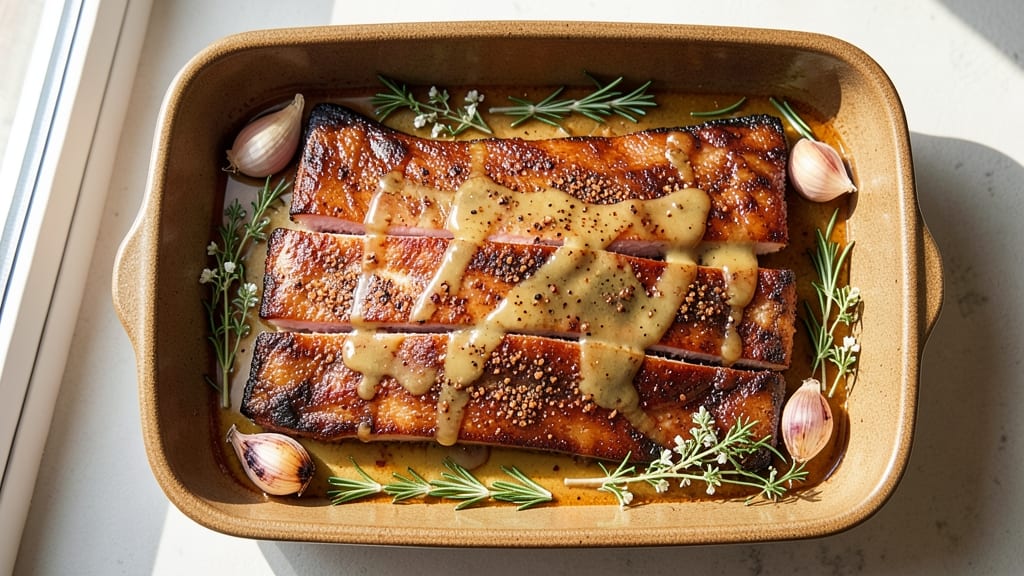
This boneless pork loin ribs recipe in the oven transforms tough cuts into melt-in-your-mouth perfection without the grill's mess. After years of experimenting, I've perfected an oven method that delivers restaurant-quality results with just 30 minutes of active time and a foolproof technique that guarantees tender, caramelized edges every time.
The secret lies in a two-step process: first searing the meat in a hot pan to lock in juices, then finishing in the oven where the ribs develop that coveted caramelized crust while staying impossibly tender inside.
This method works with any cut of pork loin ribs, making it versatile enough for weeknight dinners or special occasions alike.
What you'll end up with is a dish that's rich, savory, and packed with flavor—juicy enough to make your taste buds sing while maintaining that beautiful caramelized exterior.
The aroma alone will have everyone gathering around your table, and the texture contrast between crispy edges and tender meat creates an experience that's hard to resist.
Pair these ribs with classic sides like roasted potatoes or a fresh garden salad to complete your meal. The best part? No babysitting required—just set it, forget it, and enjoy the results. Let's get cooking!
Ingredients for boneless pork loin ribs recipe oven
Quality cuts and bold flavors transform simple oven time into restaurant-style ribs.
| Ingredient | Amount | Notes |
|---|---|---|
| Boneless Pork Loin Ribs 🥩 | 2 lb | Center-cut for even cooking |
| Unsalted Butter 🧈 | ½ cup | Cold, cut into 1-inch cubes |
| Garlic Cloves 🧄 | 6 cloves | Minced, fresh preferred |
| Fresh Rosemary 🌿 | ¼ cup | Chopped, stems removed |
| Fresh Thyme 🌿 | ¼ cup | Leaves only, stems removed |
| Diamond Crystal Kosher Salt 🧂 | 1 ½ tbsp | For seasoning and brine |
| Ground Black Pepper 🌶️ | 1 tsp | Freshly cracked |
| Smoked Paprika 🌶️ | 1 tsp | For depth of flavor |
| Brown Sugar 🍚 | 2 tbsp | Light or dark preferred |
| Apple Cider Vinegar 🍎 | 1 tbsp | For tangy balance |
| Extra-Virgin Olive Oil 🫒 | 2 tbsp | For searing |
| Honey 🍯 | 1 tbsp | For glaze finish |
| Balsamic Vinegar 🍷 | 1 tbsp | For finishing drizzle |
The pork loin ribs are the star—look for center-cut pieces with good marbling for maximum tenderness. Costco or Whole Foods usually carry premium cuts, but any butcher worth their salt will have great options. Fresh herbs matter here: Trader Joe's sells pre-bundled rosemary and thyme that’s perfect for this (no chopping required). For the butter, grab unsalted—Plugrá is my go-to, but any European-style works. The key is keeping it cold until searing time to create that perfect crust.
No fresh rosemary? Dried works at half the amount, but trust me, it’s worth the trip to the store for this. Out of apple cider vinegar? White vinegar or lemon juice in a pinch, though the flavor will be slightly different. For the glaze, if you’re avoiding honey, maple syrup is a 1:1 swap. The smoked paprika can be swapped for regular paprika if you’re not keen on the smoky flavor—just add an extra pinch of brown sugar to compensate. And if you’re feeling fancy, swap the balsamic drizzle for a splash of reduced red wine at the end.
Prep the ribs ahead: pat them dry and season generously with salt and pepper at least 1 hour before cooking—this helps them render fat and develop flavor. The butter and herbs can be mixed in a bowl up to 24 hours ahead and stored in the fridge. Leftovers? These ribs reheat beautifully—350°F for 10-15 minutes with a splash of water or broth keeps them juicy. Store in an airtight container for up to 4 days, though they’re so good they rarely last that long.
Why You'll Love This Recipe
- Here’s what sold me: the way the butter melts into crispy edges while keeping the inside tender, all wrapped in that bright, fragrant garlicky-herb hug. It’s not fancy, but it’s ridiculously good—like a hug from your nonna, but with more garlic.
- I’ll be real: most leftovers are sad. Not these. The ribs stay juicy for days, and the flavor only deepens. Pack them for lunch, reheat them in the oven, or throw them into a quick stir-fry—no one will question why you made extra.
Step-by-step instructions for oven-baked boneless pork loin ribs
Here's how to transform simple ingredients into fall-off-the-bone pork loin ribs with a caramelized crust.
Prepare the Dry Rub and Brine the Meat
In a small bowl, combine the 1.5 tablespoons Diamond Crystal Kosher Salt, 1 teaspoon Ground Black Pepper, 1 teaspoon Smoked Paprika, and 2 tablespoons Brown Sugar. Mix thoroughly until evenly distributed—this is your dry rub. Pat the 2 lb Boneless Pork Loin Ribs completely dry with paper towels, then generously coat all sides with the rub, pressing it into the meat so it adheres well.
Place the seasoned ribs in a shallow dish and pour in 1 tablespoon Apple Cider Vinegar mixed with 2 tablespoons Extra-Virgin Olive Oil. This creates a light brine that tenderizes the meat while adding depth of flavor. Let the ribs sit at room temperature for 30 minutes before cooking—this ensures even cooking and maximum flavor penetration.
Sear the Ribs for Maximum Flavor
Preheat your oven to 425°F and heat a large oven-safe skillet over medium-high heat. Add the 0.5 cup Unsalted Butter (cut into 1-inch cubes) and let it melt, creating a thin, even layer of fat in the pan. Place the ribs in the skillet and sear for 3-4 minutes per side until they develop a deep golden-brown crust. This step locks in juices and builds the foundation for that irresistible caramelized exterior.
Don't rush the searing—you're looking for a rich, nutty color that indicates proper browning. If the butter starts to smoke excessively, reduce the heat slightly to prevent burning. Once seared, transfer the skillet to the preheated oven.
Roast Until Tender with Herbs and Butter
In a small bowl, mix the 6 cloves Garlic Cloves (minced), 0.25 cup Fresh Rosemary (chopped), and 0.25 cup Fresh Thyme (leaves only). Sprinkle this herb mixture evenly over the seared ribs in the skillet. Dot the top with the remaining butter cubes, then cover the skillet tightly with aluminum foil.
Roast for 45-50 minutes until the internal temperature reaches 145°F when measured with an instant-read thermometer. The ribs should be fork-tender with a slight resistance—this indicates perfect doneness. If the herbs begin to char before the ribs reach temperature, tent the skillet with foil to protect them.
Glaze and Finish with Honey and Balsamic
Remove the ribs from the oven and uncover the skillet. Increase the oven temperature to 450°F for a quick broil. In a small saucepan, combine 1 tablespoon Honey and 1 tablespoon Balsamic Vinegar, simmering for 2-3 minutes until slightly thickened. Brush this glaze generously over the ribs, then return them to the oven for 3-5 minutes until the glaze caramelizes and bubbles.
Watch carefully during this final step—the glaze burns quickly. The ribs are done when they're deeply caramelized with a glossy sheen. Let them rest for 5-10 minutes before serving, allowing the juices to redistribute throughout the meat for maximum tenderness.
Pro Tips For Making Boneless Pork Loin Ribs Recipe Oven
- Sear First, Roast Slow: After trimming the pork loin ribs, hit them with a quick sear in a hot oven-safe pan—just 2-3 minutes per side—before transferring to the oven. I learned this the hard way: skipping the sear leaves you with bland, dry ribs that taste like they were steamed. The crust locks in flavor and keeps them juicy during the low-and-slow bake.
- Minimize Butter Waste: Don’t melt all the butter at once. Start with half, spread it thinly over the ribs, then roast for 15 minutes before adding the rest. After burning three batches where butter pooled and turned greasy, I realized spreading it in stages creates a better crust without soggy herbs. (Yes, even if you’re impatient like me.)
- Watch the Rosemary: Fresh rosemary needs a good chop—strip the needles from the stems and cut them into ¼-inch pieces, not tiny confetti. Whole sprigs burn quickly and taste bitter, while finely chopped bits turn to mush. My grandmother swore by this, and she was right: medium-sized pieces release flavor without disappearing.
- Rest Before Slicing: Let the ribs rest for a solid 5-10 minutes under foil before cutting, even if you’re starving. I skip this when I’m lazy, but the dish is noticeably better when I don’t—juices redistribute, and the slices stay tender instead of falling apart. (Your future self will thank you.)
Pro cooking tips for this recipe
Searing Secrets
That initial sear is where all the magic happens—don't skip it! Use a heavy oven-safe skillet like my All-Clad (or any stainless steel) to get even browning. The butter should foam but not burn—if it smokes too much, lower the heat slightly.
I've learned the hard way that rushing this step leads to pale, flavorless ribs. 🔥
Butter Matters
Cold butter cubes are your best friend here. They melt during searing, creating a flavorful crust while basting the meat. I always use Plugrá unsalted butter because it has a higher fat content (82%) that gives the best results.
If you're short on time, cut the butter into ½-inch cubes instead of 1-inch—they'll melt faster and still work.
Oven Temperature Control
Those 425°F to 450°F jumps might seem tricky, but they're crucial. The initial 425°F cooks the meat gently, while the final 450°F broil creates that perfect caramelized glaze. I use a Thermoworks Smoke thermometer to monitor my oven's actual temperature—many home ovens run 25°F hotter or colder than set. 🌡️
Resting Rules
This is where most home cooks mess up! Those 5-10 minutes of resting might feel like forever, but they're essential. The juices redistribute during this time, preventing dry meat.
I always tent the ribs loosely with foil while resting—it keeps them warm without trapping steam. Pro tip: Use this time to make your sides or set the table.
Glaze Timing
The honey-balsamic glaze needs to be hot but not boiling when you brush it on. I simmer mine just until it's slightly thickened—about 2-3 minutes. Brush it on in one direction for an even coat, then watch like a hawk during those final 3-5 minutes in the broiler.
The moment it starts to bubble is when they're perfectly glazed. 💫
Herb Placement
Fresh herbs should go between layers if you're cooking multiple pieces. Sprinkle some on the bottom of the skillet first, then place the ribs on top, and finish with more herbs and butter on the final layer.
This ensures every bite gets that herbaceous punch. Dried herbs work in a pinch, but fresh always tastes better—especially when they caramelize slightly during cooking.
Nutrition facts
Frequently asked questions
Can I use bone-in pork loin ribs instead of boneless?
Yes, but you'll need to adjust the cooking time. Bone-in ribs take about 10-15 minutes longer to reach 145°F internally. Place them bone-side down in the skillet first to create a better crust against the meat. The bones actually help distribute heat more evenly, so you might get slightly more even cooking than with boneless cuts.
What's the best way to store leftover pork loin ribs?
Store cooked ribs in an airtight container for up to 4 days in the fridge. For longer storage, freeze them for 3 months—wrap each piece individually in plastic wrap before placing in a freezer bag. To reheat, bake at 350°F for 10-15 minutes with a splash of water or broth to keep them moist. Never microwave—it makes the meat tough.
Can I make this recipe in a slow cooker instead of the oven?
Skip the searing step and place the seasoned ribs in a slow cooker with ¼ cup apple cider vinegar and 2 tablespoons olive oil. Cook on low for 4-5 hours until tender, then finish with the honey-balsamic glaze on the stovetop. The texture will be more tender than oven-baked, but still delicious.
Why did my ribs turn out dry?
Most likely you skipped the resting time or overcooked them. Always let ribs rest 5-10 minutes after cooking—this lets juices redistribute. Also check your internal temperature: 145°F is perfect; 160°F+ means they're overdone. For extra moisture, add 2 tablespoons broth to the skillet during roasting and cover tightly with foil.
What sides pair best with these oven-baked ribs?
Classic pairings include garlic mashed potatoes, roasted Brussels sprouts with bacon, or a crisp apple salad. For a Pacific Northwest twist, try roasted fingerling potatoes with rosemary or a fresh arugula salad with lemon vinaigrette. The caramelized ribs work beautifully with anything slightly sweet or tangy to balance their richness.