
Main Courses
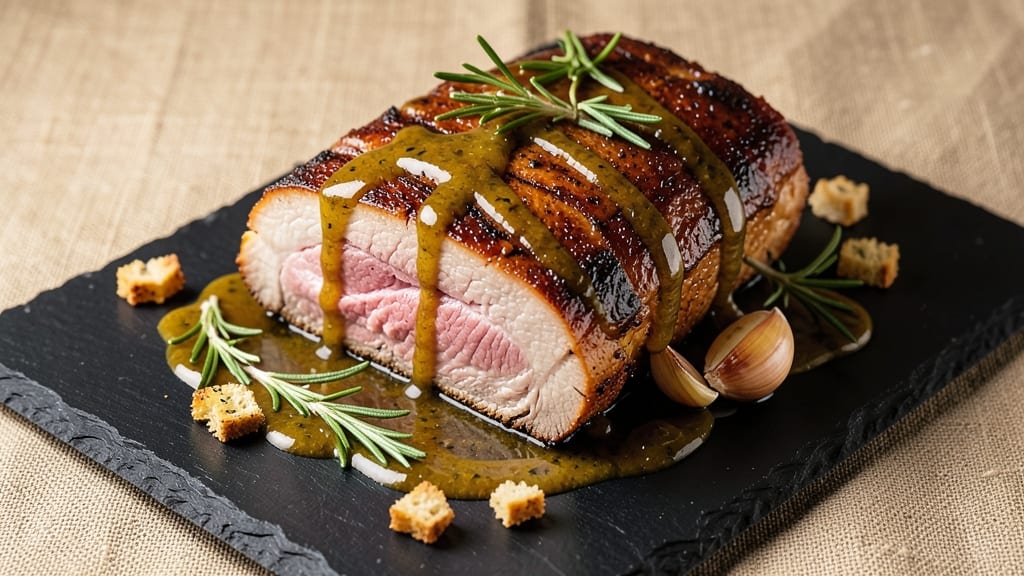
This boneless pork loin roast grill recipe delivers restaurant-quality results with just one pan and minimal effort. 🔥 As someone who grew up surrounded by slow-cooked ribs and smoky flavors, I've perfected a method that transforms simple pork into a showstopping centerpiece—crispy on the outside, tender and juicy within, all while infused with aromatic herbs and a touch of smokiness.
What sets this recipe apart is the herb-crusted technique, where a blend of fresh rosemary, thyme, and garlic creates both flavor and texture. The key lies in temperature control—using indirect heat to cook the pork evenly while achieving that coveted grill sear.
Unlike traditional roasting, this method preserves moisture while developing a beautiful crust, and the internal temperature gauge ensures perfect doneness every time.
By the time you serve this, your table will be greeted with slices of golden, herb-encrusted pork that practically fall apart at the touch of a fork.
The aroma alone will have everyone gathering around, and the versatility means it pairs beautifully with roasted vegetables, crusty bread, or a fresh garden salad. This is the kind of meal that makes grilling feel like a celebration, not just dinner.
The best part? It requires no complicated prep—just a few simple ingredients and about an hour of hands-off cooking time. Whether you're hosting a weekend gathering or treating yourself to a special meal, this recipe delivers professional results without the fuss. Let's get to the grill!
Ingredients for boneless pork loin roast grill
Center-cut pork loin, aromatic herbs, and a touch of smokiness transform this one-pan grill recipe into restaurant-quality perfection.
| Ingredient | Amount | Notes |
|---|---|---|
| Boneless Pork Loin Roast 🍖 | 2 lb | Center-cut for even cooking |
| Fresh Rosemary 🌿 | ¼ cup | Finely chopped, stems removed |
| Fresh Thyme 🌿 | ¼ cup | Leaves only, no stems |
| Garlic Cloves 🧄 | 6 cloves | Minced for even distribution |
| Olive Oil 🫒 | ¼ cup | Extra-virgin for richness |
| Dijon Mustard 🥫 | 1 tbsp | For moisture and flavor |
| Brown Sugar 🍯 | 1 tbsp | Light variety preferred |
| Smoked Paprika 🌶️ | 1 tsp | For subtle smokiness |
| Salt 🧂 | 1 ½ tsp | Diamond Crystal kosher |
| Black Pepper 🌶️ | ½ tsp | Freshly cracked |
| Lemon Juice 🍋 | 2 tbsp | Freshly squeezed |
| Wooden Toothpicks 🪵 | 8 whole | For securing herb crust |
| Lemon Zest 🍋 | 1 tbsp | From 1 large lemon |
The pork loin is non-negotiable here—center-cut ensures even cooking and maximum tenderness. Look for a piece with good marbling, which translates to juiciness. I prefer to source mine from Whole Foods or well-regarded butchers, where the cuts are consistently high-quality. Freshness matters too: aim for a roast that feels firm and has a vibrant pink color. The herbs (rosemary and thyme) should be fragrant and bright green—wilting indicates age. For the garlic, I always use fresh cloves; pre-minced garlic loses its punch quickly. The olive oil should be extra-virgin, with a peppery finish that complements the herbs beautifully.
No fresh rosemary? Dried rosemary at half the amount works in a pinch, though it lacks the same depth. The Dijon mustard adds moisture and tang—substitute with whole-grain mustard if that's what you have. Smoked paprika can be swapped for regular paprika, but you'll lose that subtle smokiness. For the lemon, zest and juice are interchangeable if you're short on one—just adjust the other to taste. The wooden toothpicks are essential for securing the herb crust; plastic won't hold as well. If you're grilling in humid conditions, consider patting the pork dry before applying the crust to improve searing.
This herb crust keeps well for 3 days in the fridge, wrapped tightly in plastic. For longer storage, freeze the crust mixture separately from the pork—it'll stay fresh for up to 3 months. The roast itself reheats beautifully: wrap in foil and warm in a 350°F oven for 15-20 minutes or until internal temp reaches 145°F. I always make extra crust—it's perfect for rubbing on grilled vegetables or drizzling over roasted potatoes. The lemon zest can be stored in an airtight container in the freezer for up to 6 months, ready to brighten up future dishes.
Why You'll Love This Recipe
- No Fuss Prep: The boneless cut means no butchering—just rub that pork with crushed garlic, fresh rosemary, and thyme, then toss it on the grill. I’m talking 15 minutes of hands-on time before you walk away.
- Herb-Packed Magic: That combo of rosemary and thyme? It clings to the meat like a hug, especially when you baste it with olive oil while it grills. The crust gets fragrant and caramelized—smell alone makes me salivate.
- Weeknight to Weekend: Grill it for dinner, slice it for sandwiches the next day, or serve it at a picnic with zero extra effort. My kids ask for it at birthday parties, and honestly? It’s just as easy for 4 as it is for 12.
- Leftovers That Don’t Suck: Pork loin stays tender for days, so you’re not stuck with dry, sad meat. I repurpose it into tacos, pasta, or even breakfast hash—because good food deserves a second (or third) life.
Step-by-step instructions for herb-crusted pork loin roast
Master this technique and you'll achieve restaurant-quality pork with a fragrant herb crust every time.
👨🍳 Step 1: Prepare the Herb Crust Mixture
In a medium bowl, combine the 0.25 cup fresh rosemary, 0.25 cup fresh thyme, 6 minced garlic cloves, 1 tbsp Dijon mustard, 1 tbsp brown sugar, 1 tsp smoked paprika, 1.5 tsp salt, and 0.5 tsp black pepper. Mix thoroughly until all the herbs are evenly distributed and the mustard creates a cohesive paste.
Add the 0.25 cup olive oil and mix again until you achieve a thick, spreadable consistency. The mixture should resemble a coarse paste with visible herb flecks. Here's the thing—this herb blend is what transforms ordinary pork into something extraordinary, so don't skip the mincing of garlic or the thorough mixing.
In a separate small bowl, whisk together the 2 tbsp lemon juice and 1 tbsp lemon zest. This citrus component will brighten the rich pork flavor and prevent the crust from becoming too heavy. Set both mixtures aside while you prepare the pork.
🍳 Step 2: Create the Herb Crust on the Pork
Pat the 2 lb boneless pork loin roast completely dry with paper towels—this is critical for achieving a crispy crust. I press down firmly all over, even in the crevices, to remove every trace of moisture. Place the dry roast on a clean cutting board.
Spread the herb mixture evenly over the entire surface of the pork, using your hands to press it firmly into the meat. The crust should adhere well and feel slightly tacky to the touch. Here's where it gets fun—use the 8 wooden toothpicks to secure the crust in place, especially at the thicker edges. This prevents the herb mixture from sliding off during grilling.
Drizzle the lemon juice-zest mixture evenly over the herb crust. The acidity will help caramelize the sugars in the brown sugar during grilling, creating that beautiful golden-brown bark we're after. Let the pork sit at room temperature for 30 minutes before grilling—this ensures even cooking.
🔥 Step 3: Preheat and Grill the Pork
Preheat your grill to medium-high heat (about 400-425°F). I use a two-zone fire method with charcoal—hot coals on one side for searing and a cooler side for indirect heat. Clean and oil the grill grates thoroughly to prevent sticking. The pork should sizzle immediately when it touches the grates.
Place the pork loin roast on the hot side of the grill, away from direct flame. Sear for 8-10 minutes, turning occasionally, until all sides develop a deep golden-brown crust and the internal temperature reaches 145°F on a meat thermometer. You'll know it's ready when the crust is firmly set and the pork releases easily from the grates.
Move the pork to the cooler side of the grill for indirect heat cooking. Continue grilling, turning occasionally, for another 15-20 minutes or until the internal temperature reaches 150°F. The pork is safe to eat at 145°F, but cooking to 150°F ensures it's perfectly tender. Don't rush this step—patience is key to juicy, flavorful pork.
⏰ Step 4: Rest and Slice for Maximum Juiciness
Transfer the pork to a cutting board and let it rest for 10-15 minutes before slicing. This resting period is absolutely crucial—it allows the juices to redistribute throughout the meat instead of pooling on your plate. I always tent the pork loosely with aluminum foil during resting to keep it warm.
Slice the pork against the grain into ½-inch thick slices. You'll notice the grain direction when you cut—it runs lengthwise along the roast. Cutting against the grain shortens the muscle fibers, making each bite incredibly tender. The herb crust should be crispy on the outside while the pork remains juicy and pink in the center.
Serve immediately with any accumulated juices from the cutting board. The pork should have a beautiful golden-brown crust with visible herb flecks throughout. Each slice should be moist, flavorful, and perfectly cooked through—this is what we call "perfect" grilled pork.
Pro Tips For Making Boneless Pork Loin Roast Grill
- Trim the Fat Line: Even boneless pork loin has a thin fat cap—leave it on. I used to peel it off for "cleanliness," but that layer renders flavor and keeps the meat from drying out. Just score it lightly with a knife so it doesn’t stick to the grill.
- Salt Before Grilling: Generously salt the pork loin at least 45 minutes before hitting the grill. I learned this the hard way—rushing it means the salt just sits on the surface and burns off. Use about 1 teaspoon of kosher salt per pound, and don’t wipe it off afterward.
- Two-Zone Heat Control: Start the pork loin over direct heat until seared, then move it to indirect heat to finish. After burning three batches trying to grill it all at once, I finally realized pork loin needs patience—about 15-20 minutes per side on indirect heat for medium-rare.
- Crush Garlic, Don’t Mince: Smash the garlic cloves with the flat side of your knife instead of mincing them. It releases more flavor without turning bitter, and it sticks better to the meat. Trust me, your pork will taste deeper this way.
Best sauces and condiments for these flavors
Classic Herb Butter
This is my go-to sauce for herb-crusted pork—simple yet packed with flavor. Melt 2 tbsp butter with 1 tbsp fresh rosemary and 1 tbsp fresh thyme in a small saucepan over low heat for 2 minutes.
Add 1 minced garlic clove and ½ tsp lemon zest, then drizzle over sliced pork just before serving. The butter melts into the crust, intensifying those aromatic herb notes. 🌿
Balsamic Glaze
For a touch of sweetness and tang, reduce ¼ cup balsamic vinegar in a saucepan over medium-high heat until it thickens to a syrupy consistency (about 5-7 minutes). Drizzle over sliced pork and garnish with fresh parsley.
The acidity cuts through the richness while adding depth. I like to warm the glaze slightly before serving to enhance its aroma.
Garlic-Herb Aioli
Blend ½ cup mayonnaise with 1 tbsp Dijon mustard, 1 minced garlic clove, 1 tsp fresh thyme leaves, ½ tsp lemon juice, and ¼ tsp salt until smooth. Spread a thin layer on each pork slice or serve on the side for dipping.
The creamy texture contrasts beautifully with the crispy herb crust. Store leftovers in an airtight container in the fridge for up to 3 days.
Smoky Chipotle Sauce
Combine 2 tbsp sour cream, 1 tsp adobo sauce (from canned chipotles), ½ tsp smoked paprika, and ¼ tsp cumin in a bowl. Mix well and dollop over sliced pork.
The smoky heat complements the herb crust perfectly. For extra richness, top with a sprinkle of crumbled feta cheese. This sauce keeps well in the fridge for 5 days.
Fresh Herb Oil
Infuse ½ cup olive oil with 1 tbsp fresh rosemary, 1 tbsp fresh thyme, and 3 minced garlic cloves by simmering gently for 5 minutes over low heat. Strain and drizzle over sliced pork.
The oil enhances the herb flavors without overpowering the natural taste of the meat. Store in a clean jar in the fridge for up to 1 week.
Spicy Honey Drizzle
Mix 1 tbsp honey with ½ tsp cayenne pepper and 1 tsp lemon juice in a small bowl. Warm gently over low heat until the honey softens slightly, then drizzle over the pork.
The sweetness balances the heat, while the cayenne adds a subtle kick. This sauce is best made fresh but can be stored in the fridge for 3 days.
Nutrition facts
Frequently asked questions
Can I grill this pork loin on a gas grill instead of charcoal?
Gas grills work perfectly for this recipe. Preheat to medium-high heat (400-425°F) and use the same two-zone method—hot side for searing, cooler side for indirect cooking. Just monitor the temperature closely since gas grills can fluctuate more than charcoal. The herb crust will develop just as beautifully!
What if my pork loin isn't perfectly rectangular?
No problem! Irregular shapes actually add character. Just press the herb crust firmly into all surfaces, including any thicker edges. The toothpicks will help secure it during grilling. For extra insurance, you can wrap the thickest parts with foil to prevent overcooking while still getting that perfect crust on the flatter areas.
How do I know when the pork is done without a meat thermometer?
For experienced grillers, the pork should feel firm but still slightly springy when pressed gently with tongs. The juices should run clear when you cut into the thickest part. A good rule of thumb is about 20-25 minutes total grilling time for a 2 lb roast when using indirect heat after searing. The crust should be deep golden-brown with visible char marks.
Can I make this recipe in the oven instead of on the grill?
Yes, but with adjustments. Preheat oven to 400°F and place the pork on a rack over a baking sheet. Roast for 20-25 minutes, turning occasionally, until internal temp reaches 145°F. For extra crispiness, broil for 2-3 minutes at the end. The herb crust will still form, though you'll lose some of that beautiful grill sear and smoky aroma.
What's the best way to reheat leftover herb-crusted pork?
Wrap slices in foil with a splash of water and reheat in a 350°F oven for 10-15 minutes until warmed through. For extra crispiness, broil for 1-2 minutes at the end. Avoid microwaving—it makes the crust soggy. The pork reheats beautifully this way while maintaining its texture and flavor.