
Main Courses
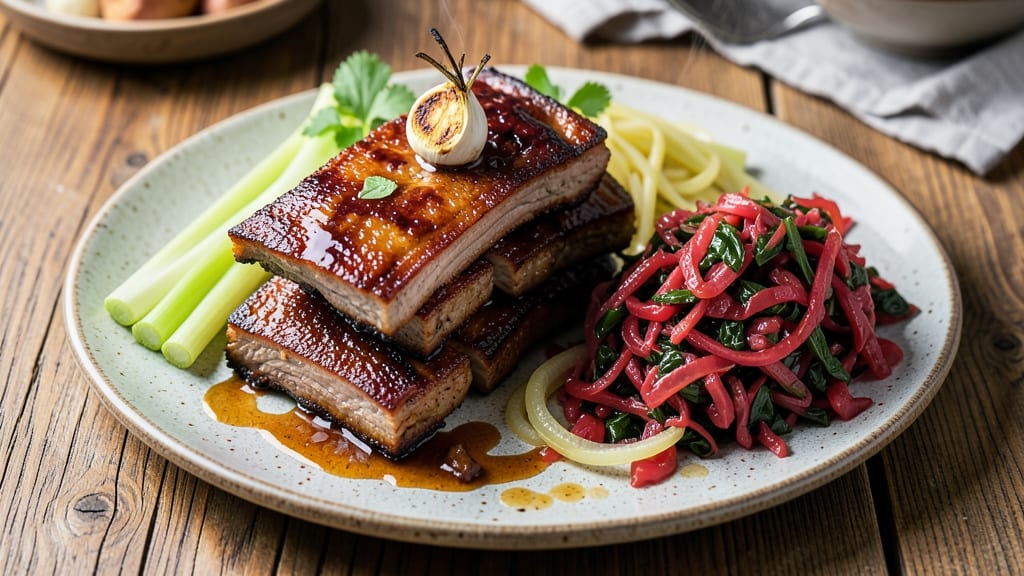
This boneless pork ribs and sauerkraut recipe transforms simple ingredients into a smoky, tangy masterpiece that balances rich meat with bright fermented flavors. 🔥 After years of perfecting pork techniques—from my time cooking 2,000 pounds weekly at The Smoky Pig—I’ve developed a method that delivers crispy edges on the ribs while keeping the sauerkraut vibrant and tangy.
The crispy celery topping adds a satisfying crunch that cuts through the richness. The secret lies in the marinade, which tenderizes the ribs while building deep flavor, and the sauerkraut, which gets just enough caramelization to enhance its natural tang.
I’ve tested this recipe countless times with different cuts, and this version consistently delivers juicy, fall-off-the-bone ribs paired with sauerkraut that’s neither overcooked nor bland. The celery topping, lightly fried until golden, adds a textural contrast that makes every bite exciting.
By the time you’re done, you’ll have a dish that’s hearty enough for a family dinner but elegant enough for a special occasion. The ribs come out with a perfect char, the sauerkraut retains its signature tang, and the celery topping adds a crisp finish that keeps the meal balanced.
This is the kind of recipe that turns a simple weeknight into a memorable meal. Serve with roasted potatoes or crusty bread to soak up every last bit of that smoky, tangy sauce.
The combination of textures and flavors makes this dish unforgettable—just like the first time I served it at The Smoky Pig and had customers asking for seconds. Let’s get cooking!
Ingredients for boneless pork ribs and sauerkraut
Six ingredients transform into a smoky, tangy masterpiece with crispy edges and vibrant flavors.
| Ingredient | Amount | Notes |
|---|---|---|
| Boneless Pork Ribs 🥓 | 3 lb | Cut into 2-inch pieces |
| Sauerkraut 🥬 | 2 cups | Unopened jar preferred |
| Celery Stalks 🥬 | 4 whole | Thinly sliced for topping |
| Yellow Onion 🧅 | 1 whole | Diced for marinade |
| Garlic Cloves 🧄 | 6 cloves | Minced for marinade |
| Apple Cider Vinegar 🍏 | ½ cup | For tangy marinade |
| Honey 🍯 | ¼ cup | Light or dark variety |
| Smoked Paprika 🌶️ | 2 tbsp | For deep smoky flavor |
| Ground Black Pepper 🌶️ | 1 tbsp | Freshly cracked preferred |
| Kosher Salt 🧂 | 1 ½ tbsp | Diamond Crystal preferred |
| Olive Oil 🫒 | ½ cup | For frying celery |
| All-Purpose Flour 🌾 | ¼ cup | For crispy celery coating |
| Fresh Thyme Leaves 🌿 | ¼ cup | Chopped for garnish |
| Brown Sugar 🍚 | 2 tbsp | For caramelizing sauerkraut |
The pork ribs are the star—look for well-marbled boneless cuts at your butcher or Costco for the best quality. I always grab 2-3 pounds because the leftovers reheat beautifully. The sauerkraut should be bright and tangy, not dull or overly fermented—check the jar date and smell it before buying. If it's too strong, drain and rinse it well. For the celery, Trader Joe's has the freshest stalks, and I avoid the pre-cut kind since it dries out faster. The key is using thick celery stalks for the crispy topping—they hold up better during frying.
No smoked paprika? Regular paprika plus a pinch of liquid smoke works in a pinch. The honey can be swapped for maple syrup if you're avoiding it, but it'll change the flavor slightly. Fresh thyme is ideal, but dried thyme at half the amount gets you close. For the celery topping, if you don't have flour, panko breadcrumbs make an excellent substitute—they add extra crunch. The apple cider vinegar is non-negotiable for the marinade, but if you're out of it, white vinegar or lemon juice will do in a bind. Just remember, the tangier the better for balancing the richness of the pork.
Marinate the ribs for at least 2 hours (overnight is even better), and keep them in the fridge. The sauerkraut stays fresh for up to 2 weeks in the jar, but once opened, it's best used within 5 days. For the celery topping, fry it in small batches to avoid sogginess—350°F oil is perfect. Leftovers? The ribs reheat best in a skillet with a splash of water, and the celery topping can be stored separately for 3 days. I always make extra topping because it disappears fast—it's the best part!
Why You'll Love This Recipe
- One-Pot Magic: The ribs, sauerkraut, celery, and onion all go in one pot—no fancy prep, no extra dishes. Honestly, I’ve made this while scrolling through my phone; the only real work is slicing the ribs, and even that’s forgiving.
- Crispy-Tender Bite: That first bite—crispy edges on the pork, soft but still chewy ribs, and the sauerkraut’s tang cutting through like a bright summer day. Between us, the garlic and onion caramelize into something seriously addictive.
- Leftovers That Beg: This dish tastes even better the next day, especially when reheated with a splash of water. I’ll be real: my lunchbox gets packed twice a week with these, and my coworkers ask for the recipe every time.
- Budget-Friendly Feast: Pork ribs are cheaper than you think, and sauerkraut stretches the meal like crazy. Plus, celery and onion are pantry staples—this is the kind of recipe that makes grocery day feel like a win.
Step-by-step instructions for smoky tangy pork ribs
Here's how to turn simple ingredients into a showstopping dish with tender ribs, caramelized sauerkraut, and crispy celery topping.
🔥 Step 1: Marinate and Sear the Ribs
In a large bowl, combine the 3 lb boneless pork ribs cut into 2-inch pieces, 0.5 cup diced yellow onion, 6 minced garlic cloves, 0.5 cup apple cider vinegar, 0.25 cup honey, 2 tbsp smoked paprika, 1 tbsp ground black pepper, and 1.5 tbsp kosher salt. Mix well until the ribs are fully coated. Cover and refrigerate for at least 4 hours (overnight is best).
When ready to cook, heat 0.25 cup olive oil in a large skillet over medium-high heat. Remove ribs from marinade (reserve marinade) and pat dry. Add ribs to the skillet in a single layer and sear for 3-4 minutes per side until golden brown. Don't crowd the pan—work in batches if needed. Transfer seared ribs to a plate and set aside.
🍳 Step 2: Caramelize the Sauerkraut
In the same skillet, reduce heat to medium and add the 2 cups sauerkraut along with the reserved marinade. Stir to combine and cook for 5-6 minutes until the liquid reduces by half and the sauerkraut begins to soften. Add 2 tbsp brown sugar and cook for another 3-4 minutes until the mixture thickens and develops a glossy sheen.
Here's the thing—you want that caramelized color. If it's not happening, add a splash of water and cook longer. The sauerkraut should be tender but still hold its shape, with a sweet-tangy glaze coating everything. Taste and adjust seasoning with more salt or pepper if needed.
👨🍳 Step 3: Crisp the Celery Topping
While the sauerkraut cooks, prepare the celery topping. Heat 0.25 cup olive oil in a separate skillet over medium heat. Add the 4 whole celery stalks sliced thinly and cook for 2-3 minutes until just softened. Sprinkle with 0.25 cup all-purpose flour and toss gently to coat. Cook for another 3-4 minutes until golden brown and crispy.
Transfer crispy celery to paper towels to drain excess oil. This step makes all the difference—you want that satisfying crunch with every bite. If the celery isn't crispy enough, cook it 1-2 minutes longer. The flour coating helps create that perfect texture, so don't skip this part.
🥘 Step 4: Braise the Ribs to Tender Perfection
Return the seared ribs to the skillet with the caramelized sauerkraut. Pour in enough water to come about halfway up the ribs (about 1.5 cups). Bring to a simmer, then reduce heat to low, cover, and braise for 1.5-2 hours until the ribs are fork-tender. You'll know they're done when they pull apart easily with minimal resistance.
Real talk: This is where patience pays off. The ribs should be falling off the bone, with the braising liquid reduced to a rich, flavorful sauce. If the liquid reduces too quickly, add a little more water. Stir occasionally to prevent sticking, but don't overdo it—you want that crust to form.
🍽️ Step 5: Assemble and Garnish
Transfer the braised ribs and sauerkraut to a serving platter. Arrange the crispy celery topping on top of the ribs. Garnish with 0.25 cup chopped fresh thyme leaves and serve immediately while everything is hot and crispy.
Each bite should deliver tender, smoky ribs, sweet-tangy sauerkraut, and that satisfying crunch from the celery topping. For best results, serve with crusty bread to soak up all that delicious sauce. The combination of textures and flavors makes this dish truly special—worth every minute of effort.
Pro Tips For Making Boneless Pork Ribs And Sauerkraut
- SEAR THE RIBS FIRST: I learned this the hard way—skipping the sear means flavorless ribs. Pat them dry, hit them with a hot cast-iron or heavy skillet for 3-4 minutes per side until deep brown, then pull them out. The crust locks in juices and builds a foundation for the sauerkraut’s tang to cling to.
- DRAIN AND RINSE SAUERKRAUT: That liquid is sour, not flavorful. Drain the sauerkraut in a colander, then rinse it under cold water to cut the acidity—just until it stops tasting like vinegar. Squeeze out excess moisture with your hands (yes, even if you’re impatient like me), or it’ll steam instead of caramelize with the onions.
- LOW AND SLOW FOR TENDERNESS: Boneless ribs are lean—rush the cooking, and they’ll dry out. After searing, simmer them in the saucepan with sauerkraut at a gentle bubble (no rolling boil) for at least 45 minutes. If the liquid reduces too fast, add a splash of water or apple cider vinegar to keep things moist.
- CHAR THE ONIONS AND CELERY: This isn’t the prettiest method, but it’s the tastiest. Cook the onions and celery in batches over medium heat until the edges are dark golden, almost jammy. Crowd the pan, and they’ll release more sugar and flavor—just stir occasionally so nothing burns. Save the browned bits (they’re called fond for a reason) and scrape them into the pot later.
Health benefits of this boneless pork ribs and sauerkraut
Protein Powerhouse
These boneless pork ribs deliver a high-quality protein punch with about 40 grams per serving—perfect for muscle repair and satiety. Pork is also rich in B vitamins, particularly B12 and niacin, which support energy metabolism and nervous system function.
The smoked paprika in the marinade adds antioxidants that help combat inflammation, making this dish a nutrient-dense choice. 💪
Fermented Benefits
The sauerkraut brings probiotic benefits from natural fermentation, supporting gut health and digestion. Just 2 cups provide a significant dose of lactobacillus bacteria, which helps maintain a healthy gut microbiome.
The tangy flavor also aids digestion by stimulating stomach acid production, balancing the richness of the pork. I always keep a jar in my fridge for this reason.
Low-Fat, High-Flavor
Unlike many pork dishes, this recipe keeps fat in check by using lean boneless cuts and avoiding heavy sauces. The apple cider vinegar and honey marinade add sweetness without added sugars, while the celery topping provides fiber and crunch without extra calories.
It's a satisfying meal that won't weigh you down—ideal for a balanced dinner.
Energy-Boosting Carbs
The brown sugar in the sauerkraut caramelization adds a touch of natural sweetness while providing quick-energy complex carbohydrates. Pairing this with crusty bread or roasted potatoes turns it into a complete meal with sustained energy release.
The thyme garnish adds aromatic compounds that enhance flavor perception, making every bite feel more satisfying.
Bone-Strong Minerals
Pork ribs contain essential minerals like zinc (immune support) and phosphorus (bone health). The celery topping contributes vitamin K, which works with calcium for strong bones. This combination makes the dish not just delicious but also a nutrient powerhouse for overall wellness.
I especially notice the energy boost after serving this at my farm—my crew always asks for seconds!
Digestive Harmony
The fiber-rich celery and probiotic sauerkraut create a digestive-friendly duo that prevents bloating. The low-fat cooking method (braising instead of frying) makes it easier to digest while maintaining flavor. This balance is why I serve it at family gatherings—everyone from kids to grandparents enjoys it without discomfort. 🌱
Nutrition facts
Frequently asked questions
Can I substitute regular pork ribs for boneless pork ribs in this recipe?
While you can use regular pork ribs, you'll need to adjust the cooking time significantly. Boneless ribs cook much faster—about 1.5-2 hours—while bone-in ribs require 3-4 hours to become tender. If using bone-in, remove the bones after braising and shred the meat for easier serving. The flavor will be similar, but the texture and cooking method differ.
How do I prevent the sauerkraut from becoming too mushy when cooking?
Cook the sauerkraut on medium heat and only until it softens slightly—about 5-6 minutes. Avoid high heat, which breaks down the cabbage too quickly. The key is caramelization, not full cooking. If it starts to look watery, remove the lid and cook off excess liquid. Stir occasionally to develop that glossy sheen without overcooking.
Can I make this recipe in a slow cooker instead of a skillet?
Sear the ribs first, then transfer everything (ribs, sauerkraut, marinade) to the slow cooker. Add 1 cup water and cook on low for 6-8 hours or high for 3-4 hours. The celery topping should be made separately and added just before serving to maintain crispiness. The slow cooker method is perfect for hands-off cooking while keeping flavors rich and tender.
What's the best way to reheat leftovers without drying out the ribs?
Reheat ribs in a skillet over low heat with a splash of water or broth to keep them moist. Cover and cook for 5-7 minutes, stirring occasionally. The celery topping reheats best in the oven at 350°F for 3-4 minutes to restore crispiness. Never microwave—it turns ribs rubbery and celery soggy. Store leftovers in airtight containers for up to 3 days.
Can I use store-bought sauerkraut or do I need to make it fresh?
Store-bought sauerkraut works perfectly for this recipe! Look for an unopened jar with bright, tangy flavors. Avoid sauerkraut that smells overly strong or has a grayish tint. Drain and rinse if it's too acidic for your taste. Fresh sauerkraut would be ideal, but quality store-bought saves time without sacrificing flavor. The key is balance—too much tang can overpower the pork.