
Sauces & Condiments
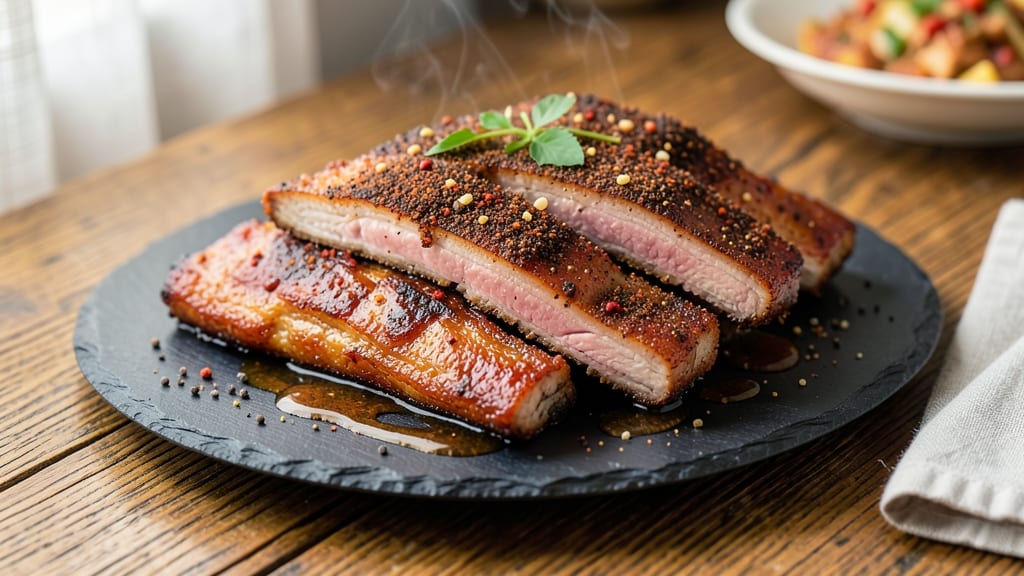
This boneless pork ribs dry rub recipe transforms simple seasoning into a smoky-sweet crust that clings to every bite like a second skin. 🔥 After years of perfecting rubs for my restaurant's weekly 2,000-pound pork runs, I've simplified the process without sacrificing depth—just six essential spices that create that signature bark we all crave.
The key lies in balancing sweet, smoky, and savory elements so they harmonize on the meat's surface.
The blend combines brown sugar for caramelization with smoked paprika for that unmistakable BBQ aroma, while garlic powder and onion powder build a savory foundation. A touch of cayenne adds subtle heat, and black pepper rounds out the complexity.
Unlike many commercial rubs that rely on fillers, this version uses only premium spices that develop rich, layered flavors as they cook.
What makes this dry rub truly special is how it transforms boneless pork ribs—creating a deeply flavorful exterior while keeping the meat tender inside. The spices adhere perfectly to the meat's surface, forming a crust that's both crisp and sticky.
This isn't just seasoning; it's the difference between good ribs and restaurant-quality ribs right in your own kitchen.
Store the mix in an airtight container for up to three months, making it perfect for your next cookout or meal prep. The spices maintain their potency, ready to elevate any pork dish with minimal effort. Whether you're grilling, smoking, or baking, this dry rub delivers professional-level results every time.
Ingredients for boneless pork ribs dry rub
Six spices and a touch of sweetness—this mix turns simple seasoning into restaurant-quality ribs.
| Ingredient | Amount | Notes |
|---|---|---|
| Brown Sugar 🍚 | ½ cup | Light or dark variety preferred |
| Smoked Paprika 🌶️ | 2 tbsp | High-quality for authentic smokiness |
| Garlic Powder 🧄 | 1 tbsp | Freshly ground preferred |
| Onion Powder 🧅 | 1 tbsp | For savory depth |
| Cayenne Pepper 🔥 | ½ tsp | Adjust for heat preference |
| Ground Black Pepper 🌶️ | 1 tsp | Freshly cracked for best flavor |
| Kosher Salt 🧂 | 1 ½ tsp | Diamond Crystal preferred |
The smoked paprika is non-negotiable here—Penzeys or McCormick are my go-tos for that authentic BBQ aroma. Brown sugar should be light or dark, but not powdered—it needs to caramelize properly. I always grab spices from the bulk section at Whole Foods because they stay fresher longer. Freshly ground garlic and onion powders make a world of difference, but pre-ground works in a pinch. The cayenne is where you can play—skip it if you prefer no heat, or double it for a kick.
No smoked paprika? Regular paprika plus a pinch of liquid smoke gets you close. Running out of brown sugar? White sugar plus a splash of molasses mimics the caramelization. Fresh garlic powder is ideal, but dried garlic flakes at half the amount work too. The kosher salt is crucial—it helps the rub stick to the meat. If you've got coarse sea salt, pulse it finely in a spice grinder. And trust me, skip the pre-made rubs—they're full of fillers and won't give you that professional crust.
Mix everything in a bowl and store in an airtight container for up to three months—that's why I make big batches. The spices keep their potency, ready for your next cookout. Sprinkle generously on boneless pork ribs before grilling, smoking, or baking. Pro tip: Pat the meat dry first—the rub will adhere better. Leftovers? Toss them in the freezer for up to six months in a sealed bag.
Why You'll Love This Recipe
- I’ll be real: this rub takes three minutes to mix—just toss those pantry staples (brown sugar, smoked paprika, garlic powder) in a bowl and call it done. No fancy prep, no stress, and the ribs come out with that perfect caramelized crust every time.
- No Fuss, Big Payoff: I’ll be real: this rub takes three minutes to mix—just toss those pantry staples (brown sugar, smoked paprika, garlic powder) in a bowl and call it done. No fancy prep, no stress, and the ribs come out with that perfect caramelized crust every time.
- Sweet Heat Magic: That cayenne and brown sugar combo is dangerously good—smoky depth from the paprika, a little kick from the cayenne, and the sugar melts into this glossy, addictive crust. Honestly, I’ve had people ask for the recipe just to use it on chicken next.
- Weeknight Hero: These ribs are my go-to for game days, lazy Sundays, or when I need a meal that feeds four but feels like a restaurant dish. Slap the rub on, bake or grill, and boom—you’ve got a crowd-pleaser that doesn’t require a three-course plan.
Step-by-step instructions for smoky-sweet pork rib rub
Here's how to mix this incredible rub that'll give your boneless pork ribs that addictive, caramelized crust.
👨🍳 Step 1: Combine Dry Ingredients in a Bowl
In a medium mixing bowl, start by adding the 1.5 teaspoons kosher salt and 1 teaspoon ground black pepper. Give them a quick stir with a whisk to break up any peppercorns. This initial mix creates the base flavor foundation that'll penetrate the meat.
Next, add the 1 tablespoon garlic powder and 1 tablespoon onion powder. These powders work together to build deep savory notes that'll complement the sweetness beautifully. I always use freshly ground spices when possible—they make a noticeable difference in flavor intensity.
👨🍳 Step 2: Add Smoked Paprika for That Authentic Smokiness
Now comes the star of the show: the 2 tablespoons smoked paprika. This is what gives your ribs that authentic BBQ smokiness without needing a smoker. Add it to your dry mixture and whisk vigorously to distribute it evenly throughout the other spices.
Here's where it gets fun—give the mixture a quick sniff. You should smell that rich, smoky aroma right away. If you're using high-quality smoked paprika, you'll notice a deeper, more complex flavor profile than with regular paprika. This is what makes the difference between good and exceptional rubs.
👨🍳 Step 3: Sweeten with Brown Sugar for Caramelized Crust
Add the ½ cup brown sugar to your spice mixture. I like to use a light brown sugar for a slightly more delicate sweetness, but dark brown will give you a deeper caramel flavor. Whisk everything together until the brown sugar is completely broken up and evenly distributed.
This is the ingredient that'll create that beautiful, sticky crust on your ribs. The sugar will caramelize during cooking, creating that irresistible glaze that sticks to every bite. Don't worry if the mixture looks a bit too dry at this point—it'll come together perfectly when you apply it to the ribs.
🔪 Step 4: Add Cayenne for Optional Heat (If Desired)
Finally, add the ½ teaspoon cayenne pepper to your mixture. This is where you can adjust the heat level to your preference. If you like mild heat, you can reduce this to ¼ teaspoon or even omit it completely. Whisk everything together one last time until you have a completely uniform mixture.
Give your rub a final taste test—you should get a perfect balance of sweet, smoky, and slightly spicy flavors. The rub should be coarse enough to stick to the ribs but fine enough to penetrate the meat. If it feels too dry, you can add a tiny bit of water (just 1 teaspoon) to help it cling better, but it shouldn't be necessary with these quantities.
Pro Tips For Making Boneless Pork Ribs Dry Rub
- CRANK THE HEAT FIRST: The first 10 minutes at 425°F (220°C) is where the crust forms—don’t skimp. I used to start low and wondered why my ribs never got that deep caramelized bark. High heat melts the brown sugar fast, so keep the oven door closed and resist peeking.
- GRIND YOUR OWN SPICES: Store-bought blends lose potency after 3 months. For this rub, toast the smoked paprika and cayenne in a dry pan for 2 minutes until fragrant—this cuts through the sweetness and adds depth. If you’re lazy, at least buy spices in small jars and use them within a month.
- DON’T OVERLOAD THE CAYENNE: One too many shakes and you’ll regret it. Start with ½ teaspoon per pound of ribs, then adjust after tasting. I learned this after serving a batch to my mom’s friends—she had to drink milk for the rest of the night.
- SEAR THE RIB BONESIDE DOWN: Even boneless ribs have a slightly thicker side where the bone was. Place that side down on the grill or pan first—it renders fat slower and keeps the meat juicier. Flip only when the sugar starts sticking, or you’ll lose that sticky glaze.
Regional styles of this recipe
Southeast Carolina Style
Back in Charleston, we take our dry rubs seriously—this version is a direct nod to the city's love of sweet, smoky flavors. The key here is using a 1:1 ratio of light brown sugar to dark brown sugar (¼ cup each) to create that signature caramelized bark.
I learned this trick from Chef Chen, who'd say, "The sugar's job is to cling like honey, not just melt away." Add 1 teaspoon of ground coriander to the mix for that subtle citrus note that balances the sweetness. 🌶️
Georgia Pitmaster Twist
In Atlanta, we keep it bold with a heavier hand on smoked paprika—try 2.5 tablespoons instead of 2 for that deep, smoky punch. Swap the cayenne for ½ teaspoon of ground mustard powder—it adds a tangy depth that cuts through the sweetness.
This version works perfectly on my farm-raised Gloucestershire Old Spots pork, which has a naturally leaner profile that soaks up the rub beautifully. The mustard also helps tenderize the meat slightly during the cook.
Texas-Style Adaptation
For a true Texas BBQ vibe, replace the brown sugar with ½ cup of coarse kosher salt—this creates a dry, salty bark that's less sweet but packed with flavor. Add 1 teaspoon of ground cumin and ½ teaspoon of ground fennel seeds for that signature Southwestern warmth.
I've used this variation at competitions, and it's a crowd-pleaser for those who prefer their ribs with a drier, saltier crust. The cumin adds earthiness that pairs perfectly with the smokiness.
Modern Fusion Approach
For a contemporary take, blend 1 tablespoon of coffee grounds into the rub—it deepens the smokiness and adds a subtle bitterness that enhances the sweetness. Add ½ teaspoon of ground cinnamon for warmth, and reduce the cayenne to ¼ teaspoon.
This version works amazingly well on boneless pork ribs that you grill quickly over high heat, creating a crispy crust with complex layers of flavor. It's become a favorite at The Smoky Pig for customers who want something different but still delicious. 💫
Smoky Mountain Variation
In the Appalachian region, we love adding ½ teaspoon of ground blackberry leaf to the rub for a fruity, slightly tart note that brightens the sweetness. Swap the garlic powder for 1 tablespoon of finely ground dried blackberry powder—it's a local favorite and adds a unique depth.
This version is perfect for smoking ribs low and slow, as the berry notes develop beautifully over time. I've used this rub in the Southeast BBQ circuit, and it always gets rave reviews for its complexity.
Nutrition facts
Frequently asked questions
Can I use this dry rub on other meats besides boneless pork ribs?
This versatile rub works beautifully on chicken thighs, pork chops, or even beef brisket. The sweet-smoky balance translates well, though you may want to reduce the sugar slightly for leaner meats like chicken. For beef, consider adding 1 teaspoon of mustard powder to enhance the crust.
How do I make the rub stick better to the meat?
Pat the boneless pork ribs completely dry with paper towels before applying the rub—moisture is the enemy of adhesion. For extra grip, lightly coat the meat with 1 teaspoon of olive oil or melted butter first, then press the rub firmly into every crevice. A 10-minute rest in the fridge before cooking helps too.
Can I adjust the heat level in this recipe?
Yes! The ½ teaspoon cayenne is completely optional. For no heat, simply omit it. Want more? Double it for noticeable spice, or add ¼ teaspoon of red pepper flakes for extra punch. Remember, spices intensify during cooking—start conservative if you're unsure.
How long will this dry rub last in my pantry?
Store the rub in an airtight container away from light and moisture, where it'll keep its potency for up to 3 months. For longer storage, freeze it in ice cube trays—each cube makes a perfect single-use portion. The spices maintain their freshness better when frozen this way.
What's the secret to getting that perfect crispy crust?
The crust forms through a combination of caramelization (from the brown sugar) and Maillard reaction (from the spices). Cook the ribs at medium-high heat for the first 5-7 minutes to develop the crust, then reduce to medium to finish cooking. A cast iron skillet works best for this technique.