
Main Courses
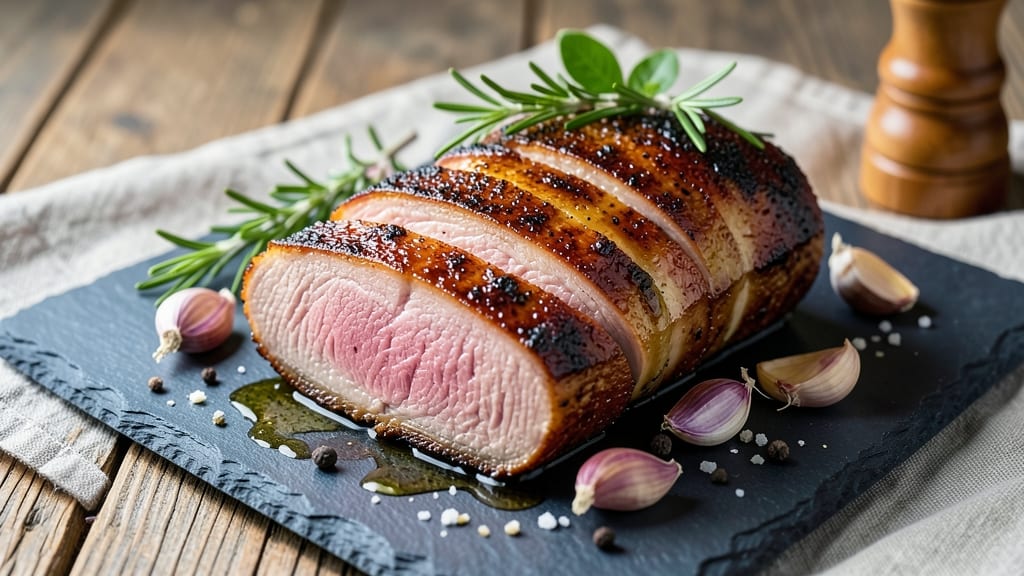
Boneless pork roast grill recipe transforms weeknight dinners into showstopping meals with smoky, fall-apart tenderness—no bone stress required. 🔥 As a pitmaster who's spent years perfecting fire-cooked pork, I've cracked the code for juicy, flavorful results that rival competition-style ribs but with half the effort. The secret lies in precise temperature control and a simple marinade that infuses flavor without overpowering the meat's natural richness.
This technique uses indirect heat at 325–350°F, ensuring even cooking while preventing the outside from burning before the inside is done.
A 30-minute marinade in olive oil, garlic, and smoked paprika creates that signature bark and depth of flavor, while a 20–25 minute cook time per pound guarantees melt-in-your-mouth texture. The key? Patience and proper resting—let that meat recover for 15 minutes before slicing or shredding.
What you'll end up with is pork so tender it practically falls apart at the touch, with a perfect balance of smoky char and juicy interior. The beauty of this method is its versatility—serve it sliced for sandwiches, shredded over tacos, or as the centerpiece of a grilled feast.
It's restaurant-quality at home, without the fuss of dealing with bones or long cook times.
Pair with grilled vegetables, a tangy BBQ sauce, or fresh slaw for a complete meal. The best part? This recipe scales perfectly for crowds, making it ideal for holidays or game day gatherings. Let's get cooking—your grill is about to become the star of the show.
Ingredients for boneless pork roast grill
Six ingredients transform raw pork into restaurant-quality grill masterpiece—smoky, juicy perfection without bone stress.
| Ingredient | Amount | Notes |
|---|---|---|
| Boneless Pork Loin Roast 🥩 | 3 lb | Center-cut, 1.5-inch thickness preferred |
| Extra-Virgin Olive Oil 🫒 | ¼ cup | Cold-pressed, fruity variety |
| Garlic Cloves 🧄 | 8 cloves | Freshly minced for marinade |
| Smoked Paprika 🌶️ | 2 tbsp | High-quality, not cayenne |
| Ground Black Pepper 🌶️ | 1 ½ tsp | Freshly cracked for intensity |
| Kosher Salt 🧂 | 1 ½ tsp | Diamond Crystal preferred |
| Yellow Onion 🧅 | 1 whole | Medium, finely diced |
| Fresh Thyme Leaves 🌿 | 1 tbsp | Or 1 tsp dried thyme |
| Apple Cider Vinegar 🍎 | 1 tbsp | For tangy depth |
| Brown Sugar 🍯 | 1 tbsp | Light or dark preferred |
| Wooden Charcoal Chunks 🔥 | 2 lbs | Hickory or apple wood |
| Wooden Skewers 🪵 | 4 whole | Soaked in water for 30 mins |
| Aluminum Foil 📄 | 1 sheet | Heavy-duty, 18-inch square |
| Barbecue Sauce 🍅 | ½ cup | Store-bought or homemade |
The pork loin is your canvas—center-cut with visible marbling ensures melt-in-your-mouth texture. Costco or Whole Foods carry premium boneless pork roasts, but any quality butcher will have it too. Look for uniform thickness (1.5 inches) to prevent uneven cooking. The olive oil should be extra-virgin, not the cheap cooking oil—California avocado or Italian varieties work best. For the wood chunks, Traeger or Weber sell pre-seasoned hickory, but you can toast your own at home by baking wood chips in a 350°F oven for 10 minutes before grilling. Fresh garlic and thyme elevate the marinade, but dried will work in a pinch if you're short on time.
No smoked paprika? Substitute 1 tbsp regular paprika plus ½ tsp liquid smoke—just don't overdo it. The apple cider vinegar adds tang that cuts through the richness; white wine vinegar works too if that's what you've got. For a sweeter profile, swap brown sugar for maple syrup or honey. The barbecue sauce can be any style—Kansas City-style for sweetness or Carolina-style for vinegar kick. If you're feeding a crowd, double the marinade and use a meat injector for even flavor penetration. And trust me on the 15-minute rest time—it's non-negotiable for juiciness.
Marinade keeps for 3 days refrigerated or 3 months frozen in an airtight container. The pork roast reheats beautifully—wrap tightly in foil and bake at 300°F for 20 minutes to restore moisture. For crowd prep, shred immediately after cooking and store in a slow cooker on 'warm' setting. The wood chunks can be reused up to 3 times—just soak in water between uses. Leftovers transform into tacos, sandwiches, or loaded baked potatoes. Portion into glass containers for easy reheating and serving.
Why You'll Love This Recipe
- Foolproof Prep: I swear by this—no fancy butchering, no bone wrestling. Just a single cut, a quick rub of olive oil, and a sprinkle of garlic and smoked paprika. Honestly, it’s the kind of recipe where I can walk away and still have dinner ready.
- Smoky-Garlic Magic: That combo of minced garlic and smoked paprika? It’s like a flavor shortcut. The pork comes off the grill with a crispy crust and a melt-in-your-mouth center—no dryness, no guesswork. Between us, it’s the easiest way to make pork taste restaurant-worthy.
- Weeknight Crowd-Pleaser: This isn’t just for summer BBQs. I’ve served it at game nights, potlucks, and even as a lazy Sunday brunch (yes, with eggs and toast). Slice it thin, and it’s a hit with kids, too—my daughter picks out the best pieces first.
- Leftovers That Don’t Suck: Most pork roast leftovers turn to shoe leather. Not this. The smoky seasoning keeps it delicious for days—I’ll toss it in sandwiches, stir-fries, or even a quick pasta sauce. And because it’s boneless, slicing is a breeze. (No one’s fighting over the carving knife.)
Step-by-step instructions for grilled boneless pork roast
Master this method for tender, smoky pork that shreds effortlessly—no bone, no stress.
🔥 Step 1: Create the Marinade and Prep the Roast
In a small bowl, combine the 0.25 cup extra-virgin olive oil, 8 cloves minced garlic, 2 tbsp smoked paprika, 1.5 tsp ground black pepper, 1.5 tsp kosher salt, 1 tbsp fresh thyme leaves, 1 tbsp apple cider vinegar, and 1 tbsp brown sugar. Whisk until fully emulsified—this marinade is the foundation of your pork's flavor and tenderness.
Place the 3 lb boneless pork loin roast in a large resealable plastic bag and pour the marinade over it. Seal the bag and massage the marinade into the meat, ensuring it coats all surfaces evenly. Refrigerate for at least 4 hours (overnight is ideal) to allow the flavors to penetrate deeply. The acidity in the vinegar will begin breaking down the muscle fibers, guaranteeing that juicy texture you're after.
🍳 Step 2: Build the Charcoal Grill and Preheat
Soak the 4 wooden skewers in water for 30 minutes to prevent burning during grilling. Arrange 2 lbs wooden charcoal chunks in a pyramid shape in your grill, using a chimney starter to light them. Once the coals are fully lit and covered with a thin layer of white ash (about 15-20 minutes), spread them evenly across the grill grates to create a medium-high heat zone (around 375-400°F).
Place the pork roast on the grill, fat-side up, and close the lid. Let it sear undisturbed for 10 minutes—this initial sear locks in juices and creates that coveted smoky bark. You'll know it's ready when the exterior develops a deep golden-brown crust. Avoid moving the roast during this time; patience here is key to that perfect crust.
🥘 Step 3: Wrap and Smoke for Tender Perfection
After the initial sear, carefully transfer the pork roast to the center of the 1 sheet aluminum foil. Pour 0.5 cup barbecue sauce over the top, then tightly wrap the foil around the roast, sealing it completely. This foil wrap creates a moist environment that prevents the outer layer from drying out while the center cooks through evenly.
Return the wrapped roast to the grill and continue cooking for an additional 1.5 to 2 hours, maintaining the medium heat. The internal temperature should reach 195-203°F—this is the magic zone where collagen breaks down and the meat becomes fork-tender. Check the temperature with a meat thermometer inserted into the thickest part of the roast. If the grill temperature fluctuates, adjust the vents to maintain a steady 350-375°F environment.
⏰ Step 4: Rest and Shred for Maximum Juiciness
Once the pork reaches the target temperature, remove it from the grill and let it rest on a cutting board for at least 15 minutes. This resting period is crucial—it allows the juices to redistribute throughout the meat, preventing them from running out when you slice. Tent loosely with foil to keep it warm during this time.
After resting, carefully unwrap the foil and use two forks to shred the pork against the grain into 1-inch thick pieces. The meat should pull apart easily with minimal resistance, signaling that it's reached peak tenderness. Discard any large pieces of fat or connective tissue. Serve immediately with the accumulated juices and barbecue sauce from the foil packet spooned over the top for extra moisture and flavor.
Pro Tips For Making Boneless Pork Roast Grill
- SEAR FIRST, THEN GRILL: I used to think boneless pork loin needed gentle heat from start to finish, but that’s a mistake—this cut actually benefits from a quick sear. Hit the grill on high heat for 3-4 minutes per side until you get deep golden-brown crust, then lower the temp and finish cooking. That crust locks in juices and adds flavor that no slow cooking alone can match.
- SMASH THOSE GARLIC CLOVES: Whole garlic cloves on the grill? They’ll burn before they soften. Instead, peel and smash them flat with the side of your knife or a heavy pan—just enough to expose the flesh without turning them into paste. Toss them in olive oil and paprika, then grill them directly on the pork for 8-10 minutes. They’ll caramelize perfectly and stick to the meat like magic.
- DON’T SKIP THE 145°F REST: Boneless pork loin hits 145°F fast, but pulling it early is how you end up with dry, sad slices. Let it rest under foil for 10-15 minutes—yes, even if you’re starving. The internal temp will drop 5-10 degrees, and the juices redistribute. I know, I know, but trust the process: your knife will glide through it like butter.
- UPGRADE WITH WET BRINE: Plain salt isn’t enough for this cut. Give the pork a 30-minute soak in a mix of 1 cup water, 1 tbsp salt, and 1 tbsp olive oil (yes, even if it’s just for 30 minutes). Pat it very dry afterward—this keeps the exterior crispy while the inside stays juicy. I was skeptical until I tried it: the texture is noticeably better.
Best sauces and condiments for boneless pork roast grill
Classic BBQ Sauce
Start with a ½ cup Kansas City-style BBQ sauce like St. Louis Style or Sweet Baby Ray's—their balanced sweetness and tang complement the smoky pork beautifully. I like to add a splash of the marinade (about 2 tbsp) to the sauce before wrapping the roast.
This infusion creates a cohesive flavor profile that ties the marinade and sauce together. For extra depth, simmer the sauce with 1 tsp liquid smoke for 5 minutes before using. 🔥
Spicy Chipotle Glaze
For heat lovers, blend ½ cup BBQ sauce with 1 tbsp adobo sauce from canned chipotle peppers, 1 tsp honey, and ½ tsp cumin. Brush this glaze on the pork during the last 30 minutes of grilling for a smoky-spicy kick.
I always keep a bottle of Penzeys chipotle powder on hand for quick adjustments. The glaze caramelizes beautifully, creating a sticky, flavorful crust.
Honey-Mustard Drizzle
Mix ¼ cup Dijon mustard with ¼ cup honey and 1 tbsp apple cider vinegar for a sweet-tangy contrast. Drizzle this over the pork after shredding or serve it on the side for dipping.
This combo works especially well with the pork's natural richness, cutting through the fat without overpowering the smoky flavors. I often make a double batch to use as a marinade for chicken too.
Garlic-Herb Butter
For a luxurious finish, melt 4 tbsp unsalted butter with 2 minced garlic cloves, 1 tsp fresh thyme, and ½ tsp smoked paprika. Brush this over the pork during the last 10 minutes of grilling or spoon it over the shredded meat.
The butter adds richness while the garlic and herbs echo the marinade's flavors. I like to serve this with crusty bread to soak up any extra butter. 💛
Apple Cider Reduction
Simmer ½ cup apple cider vinegar with 2 tbsp brown sugar and 1 tsp cinnamon until reduced by half. This tangy-sweet reduction pairs perfectly with the pork's smoky notes.
Use it as a drizzle or a dipping sauce for sandwiches. The cinnamon adds warmth that balances the vinegar's acidity, making it a crowd-pleaser for any gathering.
Nutrition facts
Frequently asked questions
Can I use this recipe with a gas grill instead of charcoal?
For gas grills, preheat to medium-high (400°F) and use the indirect heat method by turning one side off. Place the pork on the cooler side after the initial sear. The cooking time remains the same—just monitor the temperature closely since gas grills can fluctuate more than charcoal.
How do I know when the pork is fully cooked?
Use a meat thermometer to check the internal temperature—it should reach 195-203°F for perfect tenderness. The meat will pull apart easily when tested with tongs, and the juices should run clear. Never rely on color alone, as pork can look fully cooked before reaching safe temperatures.
What if my pork roast is too thick or thin?
For thicker cuts (2+ inches), increase cooking time by 10-15 minutes per extra half-inch. If your roast is thinner (1 inch), reduce time by 10-15 minutes and monitor closely. Always adjust for your grill's specific heat—thinner cuts may need foil wrapping earlier to prevent drying.
Can I make this ahead of time for a party?
Yes! Cook the pork as directed, then shred and store in an airtight container. Reheat in a slow cooker on low for 2 hours or in the oven at 300°F for 20 minutes. For best results, reheat only what you need—leftovers lose moisture when stored and reheated multiple times.
What's the best way to serve this grilled pork?
Shredded pork works perfectly for tacos, sandwiches, or loaded baked potatoes. For a complete meal, pair with grilled corn, coleslaw, and crusty bread. The foil juices make an excellent dipping sauce—simply strain and mix with a little BBQ sauce.