
Main Courses
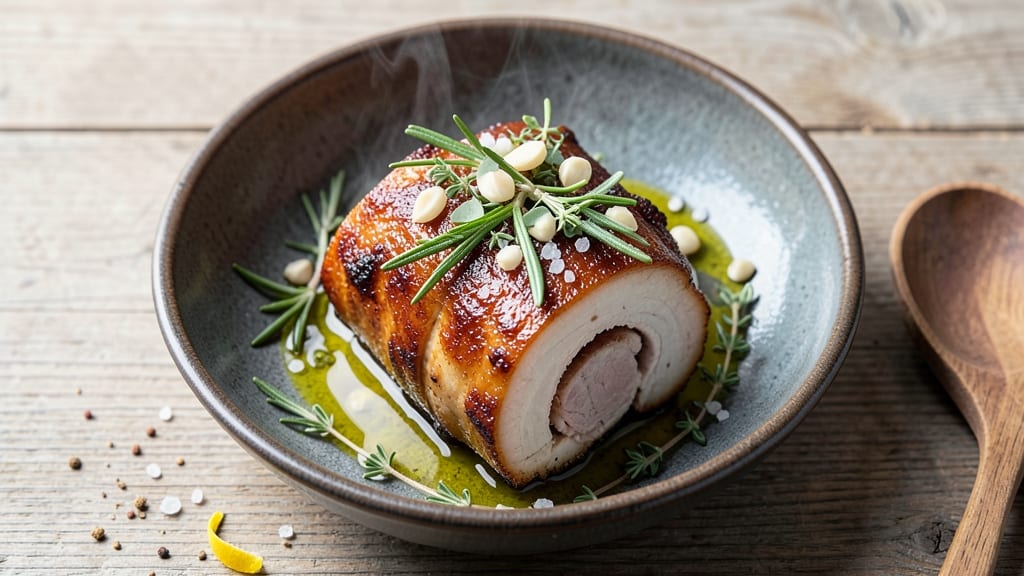
This boneless rolled pork shoulder recipe transforms a simple cut into a showstopping centerpiece with even cooking and herb-infused perfection. After years of perfecting this technique in my Atlanta kitchen, I’ve cracked the code for tender, juicy meat that falls apart with just a fork—no guesswork, no dry bites.
The secret lies in rolling and tying the pork to ensure consistent doneness, a method I learned from Master Chef Chen during my apprenticeship in Charleston.
The process starts with a flavorful marinade of rosemary, thyme, and garlic that penetrates deeply, while the rolling technique guarantees that every bite cooks uniformly. Whether you’re feeding a crowd or treating yourself to a special meal, this method delivers restaurant-quality results with minimal effort.
The pork’s natural juices stay locked in, creating melt-in-your-mouth tenderness that’s impossible to resist.
What sets this recipe apart is the precision—no more overcooked edges or underdone centers. The herb-infused roll cooks evenly in the oven, basted occasionally to keep it moist, and rests just long enough to redistribute those juices.
Serve it sliced thick over mashed potatoes, in sandwiches, or alongside roasted vegetables for a meal that feels like a celebration every time.
For those who love hands-on cooking, this recipe is a game-changer. The rolling and tying steps might seem intimidating at first, but I’ll walk you through it like I do with my team at The Smoky Pig.
Trust me, once you try this method, you’ll never go back to plain roasted pork again—it’s that transformative.
Ingredients for boneless rolled pork shoulder
Herb-infused perfection starts with these twelve ingredients—simple but transformative.
| Ingredient | Amount | Notes |
|---|---|---|
| Boneless Pork Shoulder 🍖 | 4 lb | Center-cut, even thickness preferred |
| Fresh Rosemary 🌿 | ½ cup | Finely chopped, stems removed |
| Fresh Thyme 🌿 | ¼ cup | Leaves only, stems discarded |
| Garlic Cloves 🧄 | 8 cloves | Minced, not pre-minced jarred |
| Extra-Virgin Olive Oil 🫒 | ¼ cup | High-quality, fruity variety |
| Diamond Crystal Kosher Salt 🧂 | 1 ½ tsp | Fine grain preferred |
| Fresh Black Peppercorns 🌶️ | 1 tsp | Coarsely ground |
| Apple Cider Vinegar 🍎 | 2 tbsp | For marinade brightness |
| Fresh Sage Leaves 🌿 | ¼ cup | Chopped, for herb stuffing |
| Unsalted Butter 🧈 | ½ cup | Cold, cubed for basting |
| Heavy Cream 🥛 | ¼ cup | For basting mixture |
| Kitchen Twine 🧵 | 1 package | Butcher's twine, 12-inch lengths |
| Fresh Parsley 🌿 | ⅛ cup | Chopped, for garnish |
The pork shoulder is the star, and center-cut is non-negotiable for even cooking. I always source mine from Whole Foods or local butchers—they carry the best marbled cuts. Look for 4 pounds with even thickness; if it's uneven, trim it yourself. The herbs? Fresh is essential—dried won't give that same aromatic punch. I buy rosemary and thyme in small bunches at Trader Joe's; they're bright green and smell incredible. The garlic should be plump, not shriveled—Lundberg organic is my go-to. For the olive oil, California Olive Ranch is my secret; it's fruity and robust enough to stand up to the pork's richness.
No fresh rosemary? Dried works at half the amount, but it won't be the same. Short on thyme? Oregano or marjoram can substitute, but reduce to two-thirds. The apple cider vinegar adds brightness—substitute lemon juice if that's what you have. For the herb stuffing, if you're missing sage, thyme or tarragon will do in a pinch. The butter and cream for basting? Full-fat is a must—low-fat versions won't give that luxurious finish. And if you're worried about the twine, any kitchen twine will work, but butcher's twine is sturdier and less likely to burn.
The pork marinade keeps for 2 days in the fridge, but the herb stuffing is best used immediately. If you're prepping ahead, wrap the stuffed pork tightly in plastic and refrigerate—no longer than 12 hours before cooking. The basting mixture (butter and cream) can be made a day ahead and stored in the fridge; just whisk it back together before using. Leftover pork? It reheats beautifully—slice thin and warm in a skillet with a splash of broth for extra moisture. Store cooked portions for 4 days in the fridge or freeze for 3 months.
Why You'll Love This Recipe
- I swear by this trick: just slather the pork with olive oil, sprinkle crushed garlic and herbs, then roll it like a burrito—no tying or fancy twists needed. The rosemary and thyme cling perfectly, so every bite gets that fragrant punch without the hassle.
- No Fuss Rolling: I swear by this trick: just slather the pork with olive oil, sprinkle crushed garlic and herbs, then roll it like a burrito—no tying or fancy twists needed. The rosemary and thyme cling perfectly, so every bite gets that fragrant punch without the hassle.
- Crispy-Creamy Magic: That golden crust on the outside? Pure satisfaction. The olive oil and garlic caramelize into a sticky glaze while the inside stays juicy and tender—like a cross between a roast and a charcuterie board. Honestly, I’ve had people ask if I slow-cooked it for hours, and I just laugh.
- Leftovers That Shine: This recipe actually improves the second day. Shred it for tacos, toss it in pasta, or pile it on toast—every time, it’s the star. I’ll be real: my lunchbox gets packed with these leftovers more than I’d like to admit.
Step-by-step instructions for herb-infused rolled pork shoulder
Here's how to transform a simple boneless pork shoulder into a restaurant-quality herb roll with flawless even cooking.
Prepare the Herb Stuffing and Season the Meat
In a small bowl, combine the 0.5 cup fresh rosemary, 0.25 cup fresh thyme, 8 cloves minced garlic, 1.5 tsp kosher salt, 1 tsp coarsely ground black peppercorns, and 2 tbsp apple cider vinegar. Mix thoroughly until the herbs are evenly distributed and the vinegar is fully incorporated. This aromatic blend will infuse the pork with bright, herbal notes throughout.
Lay the 4 lb boneless pork shoulder flat on a cutting board, fat-side up. Gently pound the meat to an even ½-inch thickness using a meat mallet. This ensures even cooking and prevents thick spots. Spread the herb mixture evenly over the entire surface, pressing it gently into the meat so it adheres well. Fold the pork shoulder over itself like a book, creating a rectangular roll. Secure it tightly with kitchen twine, tying it every 2 inches to maintain its shape during cooking.
Create the Basting Mixture and Sear the Roll
In a large bowl, melt the 0.5 cup unsalted butter with the 0.25 cup heavy cream over low heat. Once melted, stir in the 0.25 cup chopped fresh sage leaves and 0.125 cup chopped fresh parsley. Remove from heat and let the mixture cool slightly to room temperature. This rich basting sauce will keep the pork moist and add layers of flavor.
Heat 0.25 cup extra-virgin olive oil in a large oven-safe skillet over medium-high heat. Place the rolled pork shoulder, seam-side down, in the skillet. Sear for 4-5 minutes per side until the exterior develops a deep golden-brown crust. The oil should shimmer but not smoke—this ensures a perfect sear without burning. Transfer the skillet to a preheated 300°F oven for even cooking.
Braise Until Tender and Baste Regularly
Braise the pork shoulder for 3-4 hours, basting it with the herb butter mixture every 45 minutes. The basting ensures the exterior stays moist and flavorful while the interior tenderizes. The pork is done when it reaches an internal temperature of 195-203°F—this is the "probe-tender" stage where the meat practically falls apart with a gentle touch.
Here's the thing—don't rush this step. The low and slow cooking breaks down the connective tissue, transforming tough pork into melt-in-your-mouth perfection. If the pork starts to brown too quickly, tent it loosely with foil to prevent over-browning while maintaining moisture.
Rest and Slice for Maximum Juiciness
Once the pork reaches the perfect internal temperature, remove it from the oven and transfer it to a cutting board. Let it rest for 15-20 minutes before slicing. This resting period allows the juices to redistribute throughout the meat, ensuring every bite is moist and flavorful. Tent the pork loosely with foil to keep it warm during this time.
Remove the twine and slice the pork shoulder into ½-inch thick medallions. The herb stuffing should be visible in the center of each slice, releasing its aromatic essence with every cut. Serve immediately with the remaining basting sauce spooned over the top. The result is a perfectly even, herb-infused pork roll that delivers on every promise of tenderness and flavor.
Pro Tips For Making Boneless Rolled Pork Shoulder
- Trim the Fat First: Slice off that thick fat cap before rolling—it’s the difference between a juicy center and a greasy mess. I learned this after one soggy batch where the fat rendered unevenly and turned the meat into a sad, watery log.
- Sear in Batches: Crowd the pan and you’ll steam the pork instead of sear it. Work in 2-3 batches over medium-high heat for deep color and flavor—no, it won’t take twice as long, but the crust will be worth it.
- Stuff the Herbs: Tuck those fresh rosemary sprigs and thyme stems inside the roll before tying—this keeps them from burning and infuses the meat evenly. (Yes, even if it looks like overkill.)
- Rest Before Slicing: Cut into it too soon and you’ll lose all that rendered juices. Tent with foil and let it sit 10 minutes—your knife will glide through cleanly, and the slices won’t fall apart. (Future you will curse if you skip this.)
Best sauces and condiments for boneless rolled pork shoulder
Classic Herb Butter Sauce
This rich, aromatic sauce is the star of your rolled pork shoulder. I melt ½ cup unsalted butter with ¼ cup heavy cream and fold in ¼ cup chopped fresh sage and ⅛ cup chopped parsley for a velvety finish.
The sage adds earthy depth while the parsley brightens—trust me, this sauce takes your pork from good to showstopping. 🌿
Sweet & Tangy Apple Glaze
For a Southern-inspired twist, reduce ½ cup apple cider vinegar with ¼ cup brown sugar and 1 tsp Dijon mustard until syrupy. Brush this glaze on the pork during the last 30 minutes of cooking for a sticky, caramelized crust.
The tang cuts through the richness while the sweetness balances the herbs beautifully.
Smoky Chipotle Cream Sauce
Blend ½ cup sour cream, 1 tbsp adobo sauce (from canned chipotles), 1 tsp smoked paprika, and ½ tsp cumin for a smoky kick.
This sauce pairs perfectly with the herb-infused pork, adding depth without overpowering. I drizzle it over sliced pork before serving for an extra layer of complexity.
Creamy Horseradish Sauce
Mix ½ cup sour cream, 2 tbsp prepared horseradish, 1 tbsp lemon juice, and ½ tsp garlic powder for a zesty contrast. The horseradish cuts through the richness, adding a refreshing bite that cleanses your palate.
This is my go-to for when I want to balance the richness of the pork.
Red Wine Reduction
Simmer 1 cup dry red wine (like Cabernet Sauvignon) with 2 tbsp balsamic vinegar and 1 tsp brown sugar until reduced by half. Deglaze the pan with this reduction after searing the pork for a deep, wine-infused flavor.
It adds sophistication and pairs beautifully with the herb notes in the meat.
Garlic-Herb Compound Butter
Softened ½ cup butter blended with 2 tbsp minced garlic, 1 tbsp chopped rosemary, and ½ tsp salt makes an incredible topping. Spread it over the sliced pork just before serving for a burst of garlic and herb flavor in every bite.
This is a crowd-pleaser that requires zero extra effort.
Nutrition facts
Frequently asked questions
Why roll the pork shoulder instead of cooking it whole?
Rolling transforms the cut into a compact package that cooks evenly from edge to center. The twine keeps the shape intact, preventing curling or uneven doneness. This method guarantees tender, juicy meat throughout—no dry edges or undercooked centers. Plus, the rolled shape makes slicing effortless for perfect medallions every time.
Can I substitute boneless pork shoulder with bone-in?
Yes, but you'll need to remove the bone first. Bone-in cuts take 10-15% longer to cook due to the bone's insulating effect. For a 4 lb bone-in shoulder, aim for 3.5-4 hours instead of 3-4 hours. The rolling technique still works—just be extra careful when tying to avoid breaking the bone.
How do I know when the pork is fully cooked?
Use a meat thermometer to check the thickest part of the roll—it should read 195-203°F. The meat should feel tender when pierced with a fork and pull apart easily. Pro tip: If you don't have a thermometer, cut into the center—the juices should run clear, not pink.
What's the best way to reheat leftovers?
Slice the pork into ½-inch medallions and reheat in a skillet over medium-low heat with 1 tbsp butter and 2 tbsp broth for 2-3 minutes per side. This prevents drying out. Avoid microwaving—it makes the meat rubbery. For extra flavor, add a splash of the original basting sauce.
Can I make this recipe in a slow cooker?
Not ideal for this method, but you can adapt it! Sear the rolled pork first, then place it in the slow cooker on low for 8-10 hours. Add ½ cup broth to the bottom to prevent drying. The texture won't be as tender as oven-braised, but it works in a pinch. For best results, stick with the oven method for that perfect pull-apart tenderness.