
Main Courses
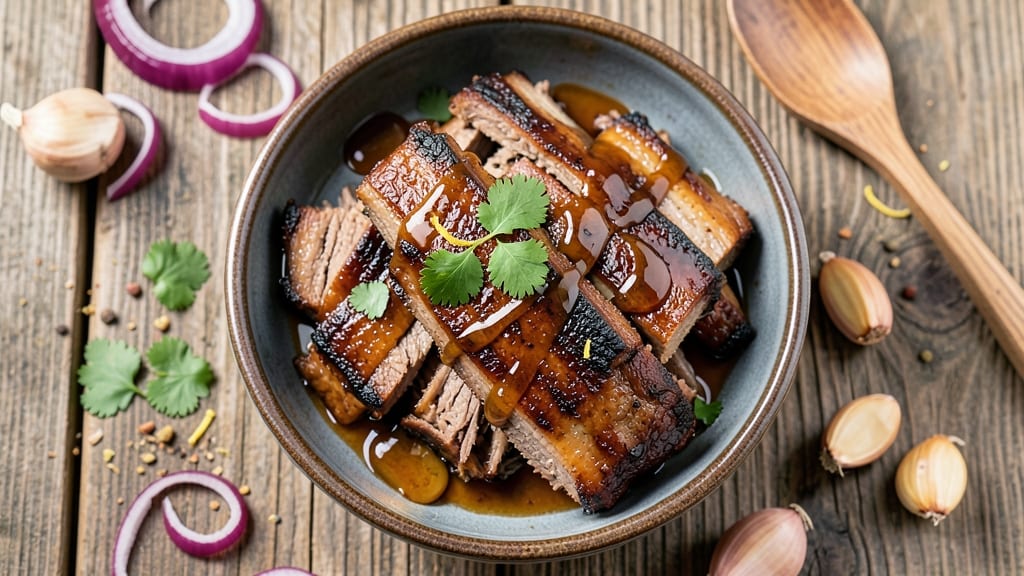
The Boston butt pulled pork smoker recipe transforms tough pork shoulder into melt-in-your-mouth perfection through low-and-slow smoking.
As someone who's smoked thousands of pounds of pork, I can tell you the secret lies in patience and precision—letting the wood smoke penetrate while maintaining a steady 225°F for hours until the meat reaches 195–203°F internally.
This isn't just a recipe; it's a technique that turns a simple cut into a showstopping centerpiece.
What sets this apart is the attention to detail: trimming excess fat for cleaner smoke, using a cherry or hickory blend for balanced flavor, and understanding the stall phase where the meat's internal temperature plateaus.
I've perfected this method over years of competition BBQ, ensuring the pork shreds effortlessly and absorbs sauce without falling apart. The result? Juicy, tender meat that holds its shape when shredded, with a bark that's crisp enough to stand up to even the tangiest BBQ sauces.
By the time you're done, you'll have pulled pork that's restaurant-quality, with a deep smoky aroma that fills your backyard and a texture that's impossible to resist. The key is letting it rest before shredding—this crucial step ensures every bite stays moist and flavorful.
Serve it on buns with coleslaw or over mashed potatoes, and you've got a meal that'll have your guests begging for seconds.
This recipe isn't just about the pork—it's about the experience. Whether you're hosting a backyard gathering or feeding a crowd, the low-and-slow method delivers consistent, mouthwatering results. The techniques I'm sharing here have been battle-tested in competitions and family cookouts alike, proving they work every time.
Let's get started on creating pork that'll have everyone asking for your recipe.
Ingredients for boston butt pulled pork smoker
Twelve ingredients, twelve hours of magic—this is your smoker's masterpiece.
| Ingredient | Amount | Notes |
|---|---|---|
| Boston Butt Pork Shoulder 🥩 | 10 lb | Bone-in, excess fat trimmed |
| Yellow Onion 🧅 | 2 whole | Quartered, skin on |
| Garlic Cloves 🧄 | 8 cloves | Smash slightly for flavor |
| Apple Cider Vinegar 🍎 | ¼ cup | For tenderizing rub |
| Kosher Salt 🧂 | ½ cup | Diamond Crystal preferred |
| Black Peppercorns 🌶️ | 1 tbsp | Freshly cracked |
| Smoked Paprika 🌶️ | 2 tbsp | For deep smoky flavor |
| Brown Sugar 🍚 | 2 tbsp | Light or dark works |
| Mustard Powder 🍯 | 1 tbsp | Yellow or Dijon |
| Cherry Wood Chips 🌳 | 2 lb | Or hickory blend |
| Apple Juice 🍎 | 1 cup | For spritzing during smoke |
| Beef Broth 🍲 | 1 cup | Low-sodium preferred |
| BBQ Sauce 🍅 | 2 cups | Tangy or sweet style |
| Mayonnaise 🥫 | ½ cup | For moist shredding |
| Yellow Mustard 🍯 | ¼ cup | For binding sauce |
The Boston butt is your secret weapon—look for a cut with good marbling and a thick fat cap for flavor. Costco or local butchers often carry perfect pieces, but grocery store pork shoulders work too if you trim the fat cap to 1/4-inch. I always buy bone-in—it adds flavor and helps retain moisture during the long cook. For the wood chips, Traeger and Oakland brands are my go-to for consistent smoke, but any quality cherry or hickory blend will do. Smash the garlic cloves with the side of your knife for maximum flavor infusion—don't just mince them.
No apple cider vinegar? White vinegar or lemon juice works in a pinch, though the apple adds subtle sweetness. Running out of beef broth? Chicken broth or even water with a bouillon cube keeps the pork moist—just expect slightly less depth. The BBQ sauce can be store-bought (I love Sticky Fingers or Sweet Baby Ray's for tangy heat) or homemade. For the dry rub, if you can't find mustard powder, Dijon mustard at half the amount gives similar tang. Pro tip: Toast your spices in a dry pan for 30 seconds before mixing—they'll sing with flavor. And if you're short on time, pre-mix the dry rub in a jar for next time.
This pork is a make-ahead champion—it tastes even better the next day as flavors meld. Store leftovers in the fridge for up to 5 days, or freeze portions for 3 months in airtight containers. For serving, I like to shred it directly on the smoker table (the heat keeps it warm) and toss with a little extra BBQ sauce. The mayonnaise-mustard mix isn't just for binding—it keeps every shred moist. Double the batch if you're feeding a crowd; the leftovers make killer sandwiches or nacho toppings. Trust me, you'll want to make this at least once a month.
Why You'll Love This Recipe
- Smoker-Friendly Simplicity: I swear by this recipe because it’s actually hands-off. Once you rub that Boston butt with salt, garlic, and vinegar, it’s just hours of low-and-slow magic—no babysitting required.
- That Vinegar Crust: Between us, the apple cider vinegar isn’t just flavor—it’s the secret to that irresistible bark. The onions caramelize right into the meat, giving every bite a sweet, tangy punch that’ll have you licking your fingers.
- Tailgate to Tuesday: This isn’t just for parties. I make it for game days, lazy Sundays, or even a busy weeknight when I need something hearty. The leftovers? Even better the next day, wrapped in a tortilla or piled on a sandwich.
- Budget Stretch: A single Boston butt feeds my family for days—think sandwiches, tacos, or even loaded baked potatoes. Honestly, it’s my go-to for stretching groceries without sacrificing taste.
Step-by-step instructions for smoked Boston butt pulled pork
Here's how to transform a tough pork shoulder into melt-in-your-mouth pulled pork with perfect bark and juicy texture.
Prepare the Dry Rub and Season the Pork
In a medium bowl, combine the 0.5 cup kosher salt, 1 tablespoon black peppercorns (freshly cracked), 2 tablespoons smoked paprika, 2 tablespoons brown sugar, and 1 tablespoon mustard powder. Mix thoroughly until the salt and spices are evenly distributed. This dry rub will create that signature bark while tenderizing the meat.
Pat the 10 lb Boston butt pork shoulder completely dry with paper towels—this is crucial for bark development. Generously coat all sides of the pork with the dry rub, pressing it firmly into the meat so it adheres well. For extra tenderness, mix 0.25 cup apple cider vinegar with 1 tablespoon of the rub to create a paste, then rub this mixture into the surface. Let the pork sit at room temperature for 1 hour before smoking—this ensures even cooking and maximum flavor penetration.
Smoke the Pork Low and Slow
Set up your smoker for 225°F using the 2 lb cherry wood chips. Once the temperature stabilizes and you see clean, blue smoke, place the pork shoulder fat-side up on the smoker grates. The fat will render and baste the meat as it cooks. Close the lid and maintain a consistent temperature—fluctuations can lead to uneven cooking.
Smoke the pork for 6-8 hours, or until the internal temperature reaches 165-170°F. This is when you'll hit "the stall," where the temperature plateaus as moisture evaporates. Don't panic—this is normal. Every 90 minutes, spritz the pork with a mix of 1 cup apple juice and 1 cup beef broth to keep it moist. This step is non-negotiable; it prevents the bark from drying out and ensures tender meat.
Wrap and Finish the Cook
Once the pork reaches 165-170°F, remove it from the smoker and wrap it tightly in butcher paper (not foil—it allows the bark to stay crispy while keeping the meat moist). Return the wrapped pork to the smoker and continue cooking until the internal temperature hits 203°F. This usually takes an additional 3-4 hours, but trust the thermometer over time—tenderness matters more than minutes.
During this final phase, the collagen in the pork breaks down completely, transforming the meat into a fork-tender masterpiece. The butcher paper wrap also helps create a steamy environment that keeps the bark intact while ensuring every bite is juicy. Resist the urge to peek—every time you open the smoker, you risk losing heat and moisture.
Shred and Mix the Sauce
Remove the pork from the smoker and let it rest for 15-20 minutes before shredding. This resting period allows the juices to redistribute, preventing dry meat. Using two forks or a meat claw, shred the pork into ¼-inch thick strands. Discard any large fat chunks or connective tissue—you're going for clean, tender meat.
In a large bowl, combine the shredded pork with 2 cups BBQ sauce, 0.5 cup mayonnaise, and 0.25 cup yellow mustard. Mix gently but thoroughly to coat the pork evenly. The mayonnaise and mustard act as binders, keeping the pulled pork moist and adding a creamy texture. Taste and adjust seasoning if needed—you might want to add a pinch more salt or a splash of apple cider vinegar for brightness.
Serve Immediately for Maximum Flavor
Transfer the pulled pork to a serving dish and keep it warm in a 200°F oven while you prepare sides. The pork should be served immediately—its texture and flavor are at their peak when fresh. Pile it high on buns with coleslaw, pickles, and extra BBQ sauce for the ultimate pulled pork sandwich. The combination of smoky, sweet, and tangy flavors will make every bite unforgettable.
Real talk: If you have leftovers, store them in the refrigerator for up to 3 days or freeze for 3 months. Reheat gently in a skillet or slow cooker with a splash of beef broth to restore moisture. But honestly? You'll be too busy serving this crowd-pleaser to worry about leftovers.
Pro Tips For Making Boston Butt Pulled Pork Smoker
- Trim the Fat Cap: Cut off that thick white fat layer on the Boston butt—it doesn’t render flavor, just grease. I used to leave it on, and half my smoker sessions ended with a greasy mess instead of crispy bark.
- Salt the Night Before: Generously coat the pork with kosher salt and refrigerate uncovered for 12–24 hours. Sounds weird, but it works: the salt breaks down the muscle fibers, and the crust forms faster on the smoker.
- Skip the Vinegar Bath: Apple cider vinegar in a marinade? Nope. It softens the meat and makes the bark gummy. Instead, use it after cooking—just brush it on the pulled pork for tangy shine.
- Wrap at 165°F: Don’t rush the stall—let the internal temp climb to 165°F before wrapping in foil with onions and garlic. This guarantees tender meat without drying it out, and the aromatics steam right into the pork.
Regional styles of this recipe
Carolina Tradition
In South Carolina, pulled pork isn't just a dish—it's a cultural institution. The original Carolina style uses a vinegar-based sauce with a tangy kick, often made with apple cider vinegar and hot sauce.
I remember my first time eating it at a roadside pit in Charleston, where the pork was smoked over hickory and served with a side of pickled jalapeños. The key difference?
The sauce is thin and tangy, not sweet—it's all about that bright acidity cutting through the rich, smoky meat. 🌶️
For an authentic Carolina touch, swap the brown sugar in the dry rub for 1 tablespoon of cayenne pepper and add 1 teaspoon of ground mustard to the mix. Serve with a simple white bread bun and a side of coleslaw—the crunch of the cabbage balances the richness perfectly.
The Carolina Pitmasters Association even has strict rules about what qualifies as "real" pulled pork: no foil wraps (they use butcher paper or even banana leaves), and the sauce must be vinegar-forward.
Texas BBQ Style
Texas takes pulled pork to another level by focusing on post-oak smoke and a thick, sweet sauce. In places like Lockhart or Austin, you'll find pork shoulder smoked for 12-14 hours over post oak, which gives a distinct earthy flavor.
The Texas approach uses a dry rub with more sugar (up to 4 tablespoons) and often includes chili powder for a hint of spice.
I once smoked a 20-pound butt in a competition where the judges looked for deep bark and fork-tender texture—Texas-style pork should be so tender it falls apart with just a fork. 🔥
For a Texas-inspired twist, increase the brown sugar to 4 tablespoons in the dry rub and add 1 teaspoon of chili powder.
After smoking, toss the shredded pork with a thick, sweet BBQ sauce (like Sticky Fingers) and serve it on brioche buns with pickled onions and white cheddar cheese. The Texas method also emphasizes longer cook times—don't rush it. The result?
A pork so tender it melts in your mouth, with a sauce that's sticky enough to hold a sandwich together without falling apart.
Georgia's Smoky Legacy
Back home in Georgia, pulled pork is all about bold flavors and hearty sides. Georgia pitmasters often use a blend of hickory and cherry wood for a balanced smoke, and the dry rub leans into black pepper and smoked paprika for a deeper, spicier profile.
I grew up eating pulled pork at family gatherings with cornbread, collard greens, and mac 'n' cheese—it's a full meal in one bite. The Georgia style also includes a touch of coffee in the rub, which adds a subtle bitterness that enhances the smokiness. 🌽
To give it a Georgia twist, add 1 teaspoon of instant coffee granules to the dry rub and use equal parts hickory and cherry wood for smoking. Serve the pulled pork on hushpuppies (a Georgia staple) with a side of creamy mac 'n' cheese and sliced tomatoes.
The coffee in the rub might sound unusual, but it deepens the flavor and pairs perfectly with the sweetness of the sauce. Plus, it's a trick I picked up from my granddad's old recipe box—he swore by it for "cutting through the fat."
Modern Fusion Twist
If you're feeling adventurous, try a fusion approach that blends regional styles with global flavors. For example, swap the apple cider vinegar in the rub for 1 tablespoon of fish sauce and add 1 teaspoon of lemongrass paste (found in Asian markets) for a Southeast Asian-inspired twist.
Smoke the pork as usual, then toss the shredded meat with a sweet chili glaze instead of traditional BBQ sauce. Serve it on rice noodles or steamed buns for a dish that's equal parts smoky and umami-packed. 🌏
Another fun fusion idea is a Mexican-inspired pulled pork by adding 1 tablespoon of cumin and 1 teaspoon of oregano to the dry rub. After smoking, mix the shredded pork with chipotle BBQ sauce and serve it on blue corn tortillas with avocado slices and pickled red onions.
The smoky-sweet heat of the chipotle sauce takes the pork to a whole new level—it's a crowd-pleaser that feels fresh yet familiar. I first tried this at a food festival in Atlanta, and it became an instant hit with guests who wanted something different but still recognizable.
Nutrition facts
Frequently asked questions
Why does my pulled pork turn out dry even after smoking for hours? The most common cause is opening the smoker too often or not wrapping the pork properly during the stall phase. Once the internal temp hits 165°F, wrap it in butcher paper (not foil) and keep cooking until 203°F. Also,
Can I use a different wood besides cherry or hickory?
For a milder flavor, try apple or pecan wood. Avoid pine or cedar—they can taste bitter. My personal favorite blend is 50% cherry and 50% hickory for that classic smoky-sweet balance. Just remember that fruit woods like apple add subtle sweetness while hickory brings bold, hearty flavor. Start with 2 lb of wood chips for a 10 lb butt.
How do I know when the pork is done without a meat thermometer?
If you don't have a thermometer, use the fork test: Insert a fork into the thickest part of the meat. If it slides in easily and the juices run clear (not pink), it's likely done. The meat should also feel very tender when probed. For a 10 lb butt, this usually takes 8-10 hours at 225°F, but timing varies by smoker. I recommend investing in a good thermometer—it's the only way to guarantee perfect results every time.
What's the best way to reheat leftovers without drying them out?
Never microwave pulled pork—it turns rubbery. Instead, reheat in a skillet over medium-low heat with 2-3 tablespoons of beef broth or BBQ sauce. Add the pork back to the smoker at 250°F for 30 minutes (wrapped in butcher paper) for restaurant-quality results. For sandwiches, warm the buns separately to keep them crispy. Leftovers keep well for 5 days in the fridge or 3 months frozen.
Should I trim all the fat off before smoking?
No—leave about ¼-inch of fat cap for flavor and moisture. The fat renders during cooking and bastes the meat. Only trim large chunks that might burn. For a cleaner look, you can trim after cooking. Pro tip: Score the fat cap in a crosshatch pattern before applying the rub—this helps the bark develop more evenly while keeping the meat juicy.