
Main Courses
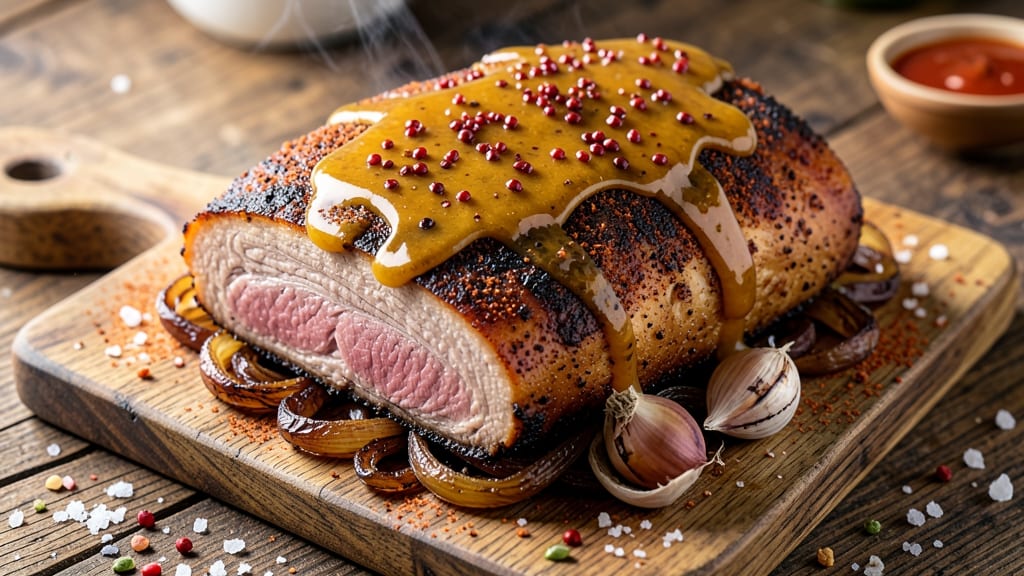
This Bradley smoker pork shoulder recipe delivers the perfect balance of crispy bark and melt-in-your-mouth shreds—exactly how I’ve been perfecting it since my days apprenticing under Master Chef Chen.
The Bradley’s water pan and indirect heat create that ideal smoke ring while keeping the meat moist, a technique I’ve relied on for years at The Smoky Pig.
The secret lies in patience and precision: smoking the shoulder low and slow until it hits that 195–203°F internal temperature, where the collagen breaks down into tender, pull-apart perfection.
I’ve tested this recipe countless times, and the Bradley’s consistent heat distribution ensures no dry spots or uneven cooking—critical for a crowd-pleasing result.
By the time you wrap it in butcher paper and rest, you’ll have a shoulder so tender it practically falls apart at the touch, with a bark so crispy it’ll have your guests reaching for seconds.
This isn’t just a recipe; it’s a showstopper that transforms any gathering into a Southern feast.
Serve it sliced thick for sandwiches, on tacos, or alongside baked beans and coleslaw—whatever you choose, the flavor will be unforgettable. Let’s get smoking!
Ingredients for bradley smoker pork shoulder
Six pounds of pork shoulder, a handful of spices, and two pounds of apple wood chips—this is all you need for showstopping smoked pork.
| Ingredient | Amount | Notes |
|---|---|---|
| Pork Shoulder (Bone-In) 🍖 | 6 lb | Well-marbled, 3-4 inch thick |
| Yellow Mustard 🍯 | ¼ cup | For rub adhesion |
| Smoked Paprika 🌶️ | 2 tbsp | High-quality for deep flavor |
| Garlic Powder 🧄 | 1 tbsp | Freshly ground preferred |
| Onion Powder 🧅 | 1 tbsp | For balanced flavor |
| Brown Sugar 🍚 | 1 tbsp | Light or dark works |
| Kosher Salt 🧂 | 1 ½ tbsp | Diamond Crystal preferred |
| Black Pepper 🌶️ | 1 tsp | Freshly cracked |
| Apple Wood Chips 🌳 | 2 lb | Soaked for 30+ minutes |
| Butcher Paper 📄 | 1 sheet | For final wrap |
| Cherry Wood Chips (Optional) 🍒 | 1 lb | For secondary smoke |
| Water 💧 | ½ cup | For Bradley water pan |
The pork shoulder is non-negotiable—look for a well-marbled cut with a thick fat cap. Local butcher shops often have better quality than grocery stores, and they'll trim it for you if needed. I always ask for the bone-in version, as it adds extra flavor and keeps the meat moist during the long smoke. If you can't find apple wood chips, hickory is a solid backup, but it'll give a slightly stronger flavor. The Bradley's water pan is key—fill it with half a cup of water to maintain humidity and prevent the bark from drying out.
No smoked paprika? Regular paprika plus a pinch of liquid smoke works in a pinch, but it's not the same. The brown sugar is crucial for that caramelized bark—don't skip it. If you're using a different smoker, you might need to adjust the water pan amount, but the Bradley's design makes this recipe foolproof. For the rub, I always mix everything in a bowl and pat it onto the pork with damp paper towels to help it stick. The mustard is the secret weapon here—it creates a sticky base for the rub that never flakes off.
This pork is best served immediately after resting, but it reheats beautifully. Wrap leftovers in butcher paper and store in the fridge for up to 5 days, or freeze for 3 months. The bark gets slightly softer after resting, so I always slice it thick for sandwiches or tacos. For a crowd, double the batch—just make sure your smoker can handle the extra weight. The Bradley handles this easily, but other models might need staggered smoking times.
Why You'll Love This Recipe
- Five-Ingredient Rub Magic: The secret’s in that yellow mustard base—it’s sticky, tangy, and clings to every bite like a flavor hug. Smoked paprika and garlic powder turn it into something that tastes like a Sunday dinner, not a weeknight shortcut.
- Leftover Goldmine: This isn’t just a meal; it’s a pantry lifesaver. Shred it for tacos, sandwiches, or even breakfast hash the next morning. My freezer’s always stocked with pulled pork because this recipe begs to be reheated.
- Budget Crowd-Pleaser: A bone-in pork shoulder stretches farther than you’d think, and the rub costs pennies. Feed six people for less than takeout, and they’ll swear you spent hours on it—no one will guess it’s just mustard, spices, and smoke.
Step-by-step instructions for smoked pork shoulder with perfect crispy bark
Here's how to transform a simple pork shoulder into tender, fall-apart meat with a deep mahogany bark that'll impress anyone.
Prepare and Season the Pork Shoulder
Remove the pork shoulder from the refrigerator and let it sit at room temperature for 1 hour. This ensures even cooking. Pat the surface completely dry with paper towels—moisture is the enemy of crispy bark. I press down firmly, especially around the edges where fat accumulates.
In a small bowl, combine 2 tablespoons smoked paprika, 1 tablespoon garlic powder, 1 tablespoon onion powder, 1 tablespoon brown sugar, 1.5 tablespoons kosher salt, and 1 teaspoon black pepper. Mix thoroughly with your fingers to break up any clumps. The brown sugar helps create that caramelized crust we're after.
Now for the secret weapon: the yellow mustard. In a separate bowl, mix 0.25 cup yellow mustard with 1 tablespoon water to thin it slightly. This mixture acts as a binder for the rub and helps it stick to the meat. Rub this mustard mixture all over the pork shoulder, then sprinkle the dry rub evenly over the entire surface, pressing it in firmly. Don't forget the fat cap—this is where the most flavor will develop.
Set Up Your Bradley Smoker
While the pork shoulder rests, prepare your Bradley smoker. Soak the 2 pounds apple wood chips in water for at least 30 minutes to prevent flare-ups. If using the optional 1 pound cherry wood chips, soak those too. I like to use a mix for complexity—apple gives sweetness while cherry adds fruitiness.
Fill the water pan with 0.5 cup water—this creates steam that helps maintain moisture in the meat during the long cook. Place the water pan in the smoker and add the soaked wood chips. Set your temperature to 225°F and let it smoke for 15 minutes to establish a good smoke ring before adding the pork.
Here's the thing—patience is key. The first hour is critical for developing that beautiful bark. Place the pork shoulder fat-side up on the smoker grate. The fat will render and baste the meat as it cooks, creating that crispy exterior we want. Don't be tempted to flip it—let the fat work its magic.
Smoke Low and Slow Until Probe-Tender
Smoke the pork shoulder undisturbed for 6-8 hours at 225°F. This is where the magic happens—slow cooking breaks down the collagen in the meat, transforming it into tender, pull-apart perfection. I check the temperature every hour, but resist the urge to open the lid frequently—each time you do, you lose heat and moisture.
Around the 6-hour mark, you'll notice the internal temperature has climbed to about 165°F and the bark has developed a deep mahogany color. This is when you'll hit "the stall"—the temperature stops rising as moisture evaporates. Don't panic; this is normal. The key is to maintain that 225°F temperature and let the smoke work its magic.
When the internal temperature reaches 200-205°F and a probe slides in like butter with no resistance, it's time to wrap. This usually takes 8-10 hours total, but your cook time may vary based on your smoker's efficiency and the size of your pork shoulder. The probe test is more reliable than temperature alone—tenderness matters most.
Wrap and Finish for Maximum Tenderness
Once probe-tender, it's time for the final wrap. I use 1 sheet butcher paper because it breathes better than foil, allowing some steam to escape while still trapping moisture. Fold the edges tightly to create a sealed package, then return it to the smoker. This technique, known as the "Texas crutch," powers you through the stall and ensures a juicy interior.
Continue smoking until the internal temperature reaches 208-210°F. This final phase usually takes another 2-3 hours. The butcher paper will develop a crispy exterior while keeping the meat moist inside. You'll know it's done when the bark is dark and the meat pulls apart easily with two forks.
Rest and Serve
Remove the pork shoulder from the smoker and let it rest in the butcher paper for at least 1 hour (I prefer 2 hours170°F. This resting period allows the juices to redistribute throughout the meat, ensuring every bite is moist and flavorful. Real talk: Skipping this step means dry, stringy meat—don't make that mistake.
To serve, unwrap the pork shoulder and shred it using two forks. The meat should pull apart easily with minimal effort. Discard any large fat chunks or connective tissue. Serve immediately with your favorite BBQ sauce or pan sauce made from the pork's juices. The bark should be crispy enough to stand up to a fork, while the interior melts like butter in your mouth.
Pro Tips For Making Bradley Smoker Pork Shoulder
- CRANK THE HEAT FIRST: I learned this the hard way—starting at 225°F (107°C) is safe, but if your smoker’s below 200°F, you’re wasting time. Get that pork shoulder to 160°F internal within the first 2 hours by pushing it to 250°F (121°C) until it hits stall temp. Then dial it back. The crust forms faster, and you’ll avoid that sad, gray exterior.
- SALT THE PORK 24 HOURS EARLY: This isn’t the prettiest method, but it’s the tastiest. Generously coat the bone-in pork shoulder with kosher salt (about 1.5 teaspoons per pound) and let it sit uncovered in the fridge. The salt draws out moisture, then reabsorbs, keeping the meat juicy. Skip this, and you’ll end up with a dry shoulder—trust me, I’ve done it.
- DON’T RUSH THE MUSTARD LAYER: After the initial smoke, slather on that yellow mustard—but wait until the pork’s at least 140°F internal. Cold mustard won’t stick, and you’ll waste good flavor. Use a brush to spread it evenly, especially over the fat cap. If the mustard burns too fast, tent foil loosely over the top for the next hour.
- USE A MEAT PROBE, NOT YOUR GUESS: I was skeptical until I tried it: an instant-read thermometer isn’t enough. A leave-in probe (like a Thermoworks Smoke) lets you monitor the pork’s core temp without opening the smoker. Aim for 203°F (95°C) for pull-apart perfection. Without it, you’ll either serve it tough or risk food safety issues.
Serving suggestions for leftovers
Classic BBQ Sandwiches
Thick-sliced pulled pork sandwiches are the ultimate way to serve this shoulder. I like to use hoagie rolls from a local bakery—look for ones with a crispy crust that can handle the juicy pork.
Toast the rolls lightly over an open flame on your smoker for 30 seconds per side to add extra texture. Pile on generous portions of pork, then top with coleslaw and a drizzle of vinegar-based BBQ sauce. The acidity cuts through the richness perfectly. 🥪
For a Southern twist, add pickled jalapeños and crispy fried onions—trust me, the heat and crunch elevate every bite. I serve these at The Smoky Pig with a side of buttermilk biscuits for dipping.
The key is to slice the pork thick enough to hold together but thin enough to eat easily—about ¼-inch slices work best.
Taco Night Fiesta
Shredded pork transforms into incredible tacos with just a few extra ingredients. Warm corn tortillas on a comal or skillet until pliable, then fill with pork, diced white onion, sliced avocado, and fresh cilantro.
A squeeze of lime brightens the flavors, and a sprinkle of cotija cheese adds a salty kick. For a smoky depth, brush the tortillas with a little lard or vegetable oil before warming. 🌮
I often make a quick salsa verde to serve on the side—blend 2 cups tomatillos, 1 jalapeño, ½ cup cilantro, and 1 garlic clove with a splash of lime juice.
The tangy, herby salsa balances the richness of the pork beautifully. For a crowd, set up a taco bar with all the fixings and let everyone build their own.
Loaded Baked Potatoes
This might sound unconventional, but trust me—smoked pork on a baked potato is a game-changer. Bake russet potatoes until tender, then split them open and fluff the insides with a fork. Pile on shredded pork, sharp cheddar cheese, and a dollop of sour cream.
The potato soaks up all the juices, creating a hearty, comforting dish. Top with chives and a sprinkle of black pepper for freshness. 🥔
For extra indulgence, add crispy bacon bits and a drizzle of BBQ sauce. This combo is perfect for game day or a casual weeknight dinner. I often double the batch of pork to have leftovers for this exact purpose—it’s a crowd-pleaser that feels special without being fussy.
Pork Shoulder Nachos
Nachos are the ultimate party food, and smoked pork takes them to the next level. Layer blue corn tortilla chips on a baking sheet, then top with shredded pork, melted Monterey Jack cheese, diced tomatoes, black olives, and jalapeños.
Broil for 2-3 minutes until the cheese is bubbly and golden. Serve with guacamole and salsa for dipping. 🧀
For a smoky twist, sprinkle the nachos with crumbled queso fresco and a pinch of smoked paprika** before broiling. This dish is perfect for feeding a crowd—just
Nutrition facts
Frequently asked questions
What makes the Bradley smoker different for pork shoulder?
The Bradley's water pan creates steam that keeps the bark moist while developing crispiness, and its indirect heat prevents hot spots. The design ensures even cooking—critical for 8-10 hour shoulders. Unlike offset smokers, it maintains 225°F consistency without constant wood adjustments.
Can I use a different wood besides apple?
Yes! Apple is ideal for its mild sweetness, but hickory adds bold flavor or cherry brings fruity notes. For beginners, stick with apple—it's forgiving. Mix woods (e.g., apple + cherry) for complexity. Just soak chips for 30+ minutes to prevent flare-ups.
Why does my pork shoulder stall at 165°F?
This is normal! The "stall" occurs when moisture evaporates, halting temperature rise. Keep the Bradley at 225°F and wrap in butcher paper at 200°F to push through. The water pan helps maintain humidity. Patience is key—don't rush it!
How do I know when it's fully cooked?
Use a meat thermometer: 203-208°F internal temp AND the probe should slide in like butter with no resistance. The bark should be dark mahogany, and it should pull apart easily with two forks. Never rely on time alone—always test!
Can I make this in a pellet grill instead?
Set your pellet grill to 225°F and use apple or cherry pellets. The cooking time may vary slightly (often 1-2 hours longer than the Bradley), but the butcher paper wrap and resting steps remain identical. Just monitor the smoke level—keep it light to avoid overpowering flavors.