
Main Courses
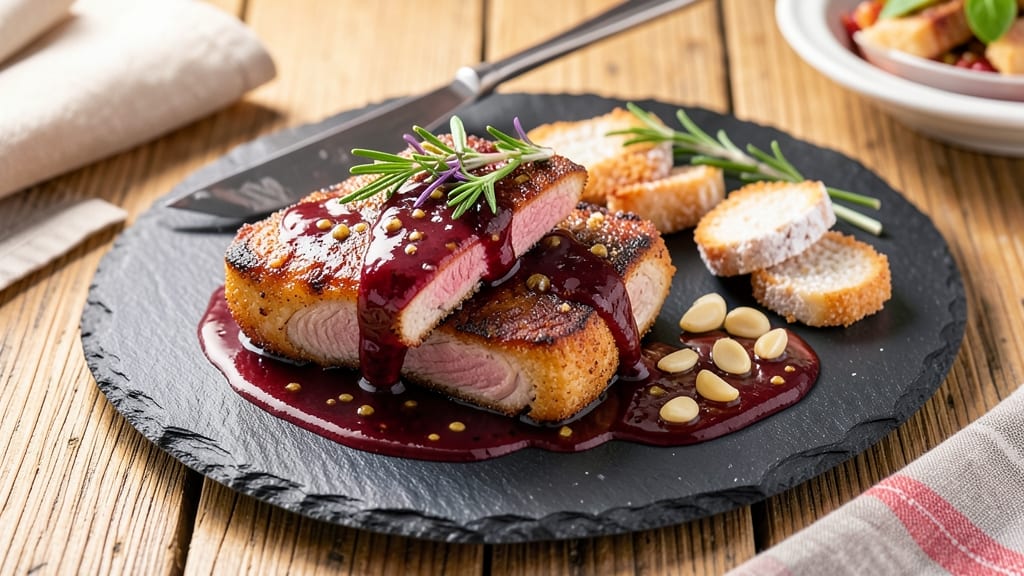
This braised boneless pork chops recipe delivers restaurant-quality depth without the fuss of bone-in cuts. After years of perfecting tender, flavorful pork in my Atlanta kitchen, I've simplified the process while keeping the rich, caramelized results.
The secret lies in proper searing and slow braising—techniques that transform tougher cuts into melt-in-your-mouth perfection.
What sets this recipe apart is the balance between traditional methods and modern convenience. We'll start with a quick sear in cast iron (my preferred tool) to lock in juices, then braise in a rich blend of red wine, broth, and aromatics until the pork practically falls apart.
The result is pork chops with a beautiful mahogany crust and tender centers that practically dissolve. This method works equally well in a Dutch oven or slow cooker for those busy weeknights.
The braising liquid develops deep, complex flavors from thyme, bay leaves, and garlic—aromatics that infuse the pork over hours of gentle cooking. What you'll end up with is a dish that's impressive enough for dinner guests but simple enough for weeknight meals.
The sauce reduces to a glossy, flavorful glaze that coats every bite, making even the simplest sides feel special.
Serve these pork chops with crusty bread to soak up the sauce, or pair them with roasted vegetables for a complete meal. The technique scales beautifully, so you can easily double the recipe for gatherings. Let's get started on creating pork chops that'll have everyone asking for seconds.
Ingredients for braised boneless pork chops
Pantry staples plus a few fresh aromatics—this list delivers melt-in-your-mouth pork every time.
| Ingredient | Amount | Notes |
|---|---|---|
| Boneless Pork Chops 🥩 | 1 ½ lb | 1-inch thick, cut even |
| All-Purpose Flour 🌾 | ½ cup | For dredging before searing |
| Unsalted Butter 🧈 | 3 tbsp | For searing, high smoke point |
| Dry Red Wine 🍷 | 1 cup | Bold, like Cabernet Sauvignon |
| Beef Broth 🍲 | 1 ½ cups | Low-sodium preferred |
| Garlic Cloves 🧄 | 4 cloves | Minced for depth of flavor |
| Fresh Thyme 🌿 | 1 tbsp | Leaves only, stems removed |
| Bay Leaves 🍃 | 2 whole | Remove before serving |
| Carrots 🥕 | 2 medium | Peeled, sliced into rounds |
| Yellow Onion 🧅 | 1 whole | Diced, medium size |
| Olive Oil 🫒 | 1 tbsp | For deglazing pan |
| Salt 🧂 | 1 ½ tsp | Kosher salt preferred |
| Ground Black Pepper 🌶️ | ½ tsp | Freshly cracked |
| Tomato Paste 🍅 | 1 tbsp | For richness |
The pork chops are the star, so look for boneless cuts about 1-inch thick—they'll cook evenly without drying out. Costco or local butchers usually have them pre-cut, but if you're buying whole, ask for the loin or sirloin section. Freshness matters here: the meat should be bright pink, not grayish. For the wine, any bold red works—Cab Sauv, Merlot, whatever's open. The beef broth? Low-sodium is key so you don't over-salt the dish. I grab mine from the Trader Joe's bulk section—cheaper and lasts forever. The carrots can be baby carrots if that's what's in the fridge, but regular medium carrots work better for slicing into rounds.
No red wine? Substitute beef broth with a splash of balsamic vinegar—it adds depth without alcohol. Fresh thyme is ideal, but dried works at half the amount. The tomato paste can be skipped if you're watching acidity, but trust me, it adds a savory richness that makes the sauce sing. For the onion, yellow or red both work—just make sure it's sweet, not bitter. The garlic? Freshly minced makes all the difference, but if you're in a pinch, pre-minced from a jar works okay. The bay leaves are non-negotiable though—they add that subtle earthy note that takes the dish from good to restaurant-quality.
This braise gets better the next day, so make extra if you're feeding a crowd. Store leftovers in the fridge for up to 5 days, or freeze for 3 months. I like to portion it into single servings so lunches are sorted for the week. The sauce thickens as it cools, so add a splash of water or broth when reheating. For serving, warm crusty bread on the side—it soaks up that glorious sauce like a dream.
Why You'll Love This Recipe
- One-Pan Magic: I swear by this for nights when I’d rather watch a show than scrub pots. The pork chops nestle in the same pan where the wine and broth braise—minimal cleanup, maximum flavor. Just sear, deglaze, and let it simmer while you do something else.
- Wine-Infused Richness: That splash of dry red wine? It’s not just for show—it melts into the butter and beef broth, turning the sauce into something silky and complex. The pork stays juicy, the crust stays golden, and honestly? It tastes like a restaurant dish without the fuss.
- Weeknight to Dinner Party: Same recipe, different vibes. Toss it together for a lazy Tuesday or dress it up with fresh herbs for guests. The flour crust adds texture, the wine adds depth, and the beef broth keeps it hearty—no one will guess it took less than 45 minutes.
- Budget-Friendly Leftovers: Pork chops stretch across meals without breaking the bank. Braising makes them tender enough for sandwiches, and the sauce? Freeze it for future nights. I’ve turned this into tacos, pasta, and even breakfast hash—because good food shouldn’t go to waste.
Step-by-step instructions for braised boneless pork chops
Here's how to transform simple pork chops into melt-in-your-mouth braised perfection.
Season and Sear the Pork Chops
Pat the 1.5 lb boneless pork chops completely dry with paper towels—this ensures a good sear. Place them on a plate and season both sides generously with 1.5 tsp salt and 0.5 tsp ground black pepper. Let them sit at room temperature for 15 minutes while you prep the rest.
Heat 1 tbsp olive oil in a large, heavy-bottomed Dutch oven over medium-high heat. Once shimmering, add the pork chops and cook undisturbed for 2-3 minutes per side until they develop a deep golden-brown crust. Don't rush this step—the crust is what locks in all that rich flavor during braising. Remove the pork chops and set them aside on a plate.
Build the Braising Liquids
In the same Dutch oven, reduce heat to medium and add 3 tbsp unsalted butter. Let it melt completely, then add the 1 whole yellow onion and 2 medium carrots (both diced). Cook for 5 minutes, stirring occasionally, until the vegetables begin to soften.
Add the 4 cloves minced garlic and 1 tbsp tomato paste, stirring for 30 seconds until fragrant. Pour in the 1 cup dry red wine, scraping up any browned bits from the bottom of the pan. Let the wine simmer for 2-3 minutes until reduced by about half. Add the 1.5 cups beef broth, 1 tbsp fresh thyme, and 2 whole bay leaves, stirring to combine.
Braise Until Fork-Tender
Return the pork chops to the Dutch oven, spooning some of the braising liquid over the top. Bring the liquid to a gentle simmer, then reduce heat to low. Cover and braise for 1 hour and 15 minutes, turning the pork chops once halfway through. The liquid should reduce enough to coat about half of the pork chops.
Check for doneness by inserting a fork into the thickest part of a chop—it should slide in easily with no resistance. If the liquid reduces too much before the pork is tender, add 2-3 tablespoons of water to maintain moisture. The pork chops are done when they're fork-tender and the sauce has thickened slightly.
Rest and Serve
Remove the pork chops from the braising liquid and transfer them to a serving platter. Tent loosely with foil and let them rest for 10 minutes. This resting period allows the juices to redistribute, ensuring each bite is moist and flavorful.
Strain the braising liquid through a fine-mesh sieve to remove the thyme and bay leaves. Return the liquid to the Dutch oven and simmer uncovered for 3-4 minutes to reduce it slightly and thicken the sauce. Spoon the sauce over the pork chops and serve immediately with the vegetables from the braising liquid. The result is tender, flavorful pork chops with a rich, aromatic sauce that clings perfectly to every bite.
Pro Tips For Making Braised Boneless Pork Chops
- CRISP FIRST THEN BRAISE: Pound your pork chops to an even ½-inch thickness—this guarantees they cook through without drying out. I used to skip this, and half the chop would always feel like shoe leather.
- SWEAT THE FLOUR: Cook the flour-butter mixture in the pan until it’s a deep golden brown, not just pale. That’s when the flavor actually develops—rushing this step means bland sauce.
- WINE REDUCTION MATTERS: Let the wine simmer until it’s reduced by half before adding broth. Thin wine tastes like sad salad dressing; concentrated wine adds real depth.
- BROTH TEMPERATURE CHECK: Use room-temperature beef broth—cold broth shocks the pan and slows down the braising process. Warm it in a separate pot for 2 minutes first.
Creative variations of this recipe
Southern BBQ Style
For a true Southern twist, swap the red wine for ½ cup apple cider vinegar and ½ cup tomato sauce—this gives the braise that tangy, smoky depth we love down here.
Add 1 tbsp smoked paprika and 1 tsp cayenne pepper to the pan after searing, then proceed with the same braising method. I like to finish with a sprinkle of crumbled cornbread on top for texture. This version reminds me of my grandma's Sunday suppers in Georgia. 🔥
Italian-Inspired Version
Transform this into a rustic Italian dish by using ½ cup dry white wine instead of red, plus 1 cup chicken broth and ½ cup crushed tomatoes. Add 2 sprigs fresh rosemary and 1 tsp dried oregano to the braising liquid.
After braising, toss the pork chops in ½ cup breadcrumbs mixed with 1 tbsp grated Parmesan for a crispy finish. Serve with garlic mashed potatoes for a true Italian comfort meal. 🍷
Spicy Asian Fusion
For a bold kick, add 1 tbsp gochujang (Korean chili paste) and 1 tbsp soy sauce to the braising liquid. Include 1-inch piece of ginger (sliced) and 1 tbsp sesame oil when building the aromatics. Finish with 1 tbsp honey and 1 tsp rice vinegar at the end.
Garnish with sliced green onions and sesame seeds for a fusion dish that's both familiar and exciting. This version became a hit at my Atlanta restaurant—guests couldn't get enough! 🌶️
Slow Cooker Shortcut
For busy weeknights, use a 6-quart slow cooker instead of a Dutch oven. Sear the pork chops as directed, then transfer everything (including the searing pan juices) to the slow cooker. Add the remaining braising ingredients and cook on LOW for 6-7 hours or HIGH for 3-4 hours.
The slow cooker method is foolproof and requires zero attention—just let it work its magic while you handle other tasks. Perfect for when I'm prepping for a dinner party. ⏰
Herb-Infused Variations
Experiment with different herb combinations to change the flavor profile completely. For a French bistro vibe, use 1 tbsp tarragon and 1 tsp Dijon mustard in the braising liquid. For a Mediterranean twist, add 1 tbsp dried oregano and ½ tsp cinnamon (trust me, it works!).
I also love a rosemary-garlic version with 2 tbsp chopped fresh rosemary and an extra 2 cloves garlic—it's my go-to for holiday gatherings. 🌿
Nutrition facts
Frequently asked questions
Why do I need to sear the pork chops before braising?
The sear creates a flavorful crust called the Maillard reaction, which locks in juices and adds depth to every bite. Skipping this step means your pork will taste more like boiled meat than rich, caramelized perfection.
Can I use bone-in pork chops instead of boneless?
Bone-in chops will need 10-15 extra minutes of braising time, but the flavor will be even more robust. Just remove the bones before serving and adjust the cooking time based on thickness. The bones actually help tenderize the meat during braising.
What if my braising liquid reduces too quickly?
Add 2-3 tablespoons of water or broth to maintain moisture—just don't overdo it. The goal is a thin sauce that coats the pork, not a swimming pool. If it reduces too much, you can always thicken it later by simmering uncovered for 3-4 minutes.
How do I make this recipe in a slow cooker?
Sear the chops as directed, then transfer everything (including pan juices) to a 6-quart slow cooker. Add the braising ingredients and cook on LOW for 6-7 hours or HIGH for 3-4 hours. The slow cooker does all the work while you handle other tasks—perfect for busy weeknights!
What's the best way to store leftovers?
Store in an airtight container in the fridge for up to 5 days or freeze for 3 months. The flavors actually improve overnight! When reheating, add a splash of water or broth to prevent drying out.