
Main Courses
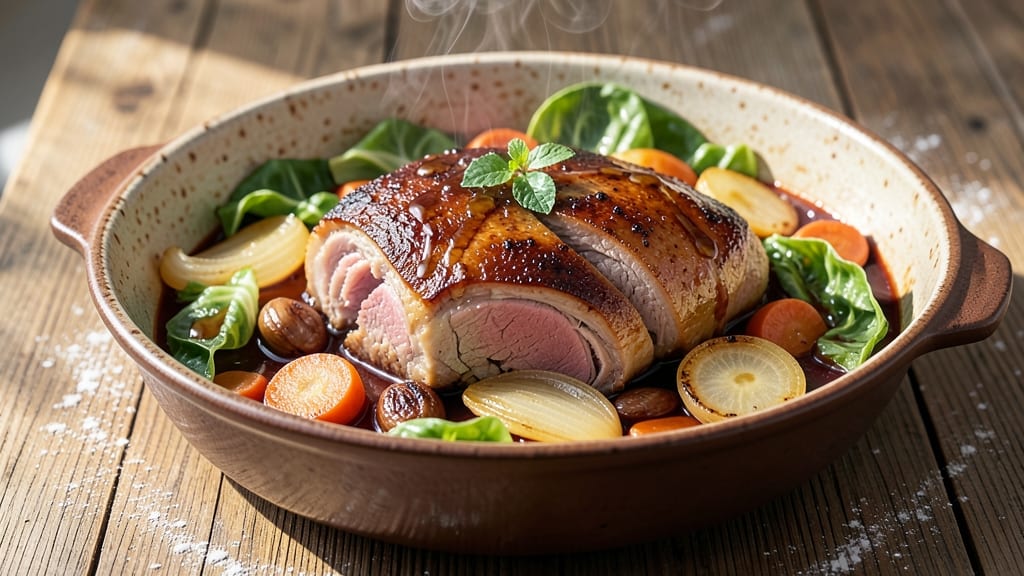
This braised pork and cabbage recipe transforms tough cuts into melt-in-your-mouth perfection through slow, savory cooking. 🔥 I developed it after years of perfecting braising techniques that create tender pork and cabbage bathed in rich, herb-infused gravy.
The secret lies in the balance of acidity and sweetness, which tenderizes the meat while enhancing the cabbage's natural sweetness.
What sets this dish apart is the two-stage cooking process: first searing the pork to develop deep flavor, then braising it low and slow until it falls apart. The cabbage cooks down into tender, caramelized shreds that absorb the pork's juices.
This method ensures every bite delivers maximum flavor with minimal effort—ideal for weeknight dinners or special occasions.
By the time you're done, you'll have a dish that's restaurant-quality yet simple to prepare. The pork becomes so tender it shreds easily, while the cabbage transforms from tough to silky. The herb gravy ties everything together, creating a sauce that's rich, aromatic, and perfect for drizzling over each serving.
This recipe works equally well as a standalone main course or paired with crusty bread to soak up every last drop of that savory gravy. The technique is versatile enough for variations like adding apples for sweetness or mustard for tang, but the classic version delivers unbeatable comfort food satisfaction.
Ingredients for braised pork and cabbage
Sixteen ingredients for restaurant-quality braised pork and cabbage with rich herb gravy.
| Ingredient | Amount | Notes |
|---|---|---|
| Pork Shoulder (Bone-In) 🥩 | 3 lb | Cut into 1.5-inch cubes |
| Green Cabbage 🥬 | 1 ½ lb | Core removed, cut into wedges |
| Yellow Onion 🧅 | 1 whole | Cut into thick slices |
| Garlic Cloves 🧄 | 6 cloves | Smashed with side of knife |
| Carrots 🥕 | 3 whole | Cut into 1-inch chunks |
| Apple Cider Vinegar 🍏 | ½ cup | For acidity balance |
| Brown Sugar 🍚 | ¼ cup | Enhances cabbage sweetness |
| Fresh Thyme 🌿 | ¼ cup | Stems removed, chopped |
| Fresh Rosemary 🌿 | ¼ cup | Needles only, chopped |
| Dried Bay Leaves 🌿 | 2 whole | For deep aroma |
| Beef Broth 💧 | 3 cups | Low-sodium preferred |
| Olive Oil 🫒 | ¼ cup | For searing pork |
| Salt 🧂 | 1 ½ tsp | Kosher or sea salt |
| Black Pepper 🌶️ | ½ tsp | Freshly ground |
| All-Purpose Flour 🌾 | 1 tbsp | For gravy thickening |
The pork shoulder is the star—look for cuts with good marbling at Whole Foods or your local butcher. Bone-in stays more flavorful, but boneless works too. Costco often has great deals on pork shoulder, but check the sell-by date. Fresh herbs make all the difference here: grab organic thyme and rosemary from the grocery store's produce section if possible. The cabbage should be firm with crisp outer leaves—avoid any with wilted spots or yellowing. Carrots can be baby carrots if that's what's available, but whole carrots hold their shape better during braising.
No apple cider vinegar? White wine vinegar or lemon juice works in a pinch, but the apple cider adds subtle sweetness that balances the dish. Fresh thyme and rosemary can be swapped for dried at one-third the amount, but fresh is ideal. The beef broth should be low-sodium—Swanson or Pacific Foods are reliable brands. If you're short on time, pre-chopped onions and carrots from the grocery store's fresh produce section save prep time. For extra richness, add a splash of red wine when deglazing the pan, but it's not essential.
This dish tastes even better the next day as flavors meld. Store leftovers in an airtight container in the fridge for up to 5 days. For longer storage, freeze portions for 3 months. The gravy thickens as it cools, so you can always thin it with a splash of broth when reheating. I like to portion individual servings with a scoop of mashed potatoes or crusty bread on the side—sourdough from the bakery section is perfect for soaking up that herb-infused gravy.
Why You'll Love This Recipe
- One-Pan Magic: I swear by this recipe when I’m too tired to scrub pots—just sear the pork shoulder, toss in chopped cabbage, onions, and carrots, then let it slow-cook. The bone-in pork practically melts into the sauce, and the cabbage softens just enough to soak it all up. No flipping, no fuss.
- Pork Perfection: That crispy, caramelized edge on the pork with tender meat inside? It’s the garlic and onions doing all the work while you wait. The cabbage gets this perfect mix of crisp-tender and saucy—like a hug in a bowl.
- Leftovers That Don’t Suck: Between us, most braised dishes turn into sad, dry leftovers. Not this one. The pork stays juicy, and the cabbage actually improves the next day—so rich and flavorful, I’ll take it over fresh any time.
- Budget Meal for Crowds: A bone-in pork shoulder stretches for days, and cabbage is dirt cheap. Feed four people for under $15, or make a double batch and freeze half. Honestly, it’s the kind of meal that makes grocery bills feel less scary.
Step-by-step instructions for braised pork and cabbage
Master this hearty dish with tender pork and sweet cabbage in rich herb gravy.
🔥 Step 1: Sear the Pork Shoulder for Deep Flavor
Heat a large Dutch oven over medium-high heat and add the 0.25 cup olive oil. Working in batches to avoid crowding, sear the 3 lb pork shoulder cubes for 3-4 minutes per side until they develop a deep golden-brown crust. This step builds the foundation of flavor through the Maillard reaction.
As you sear, press down gently on each piece with a metal spatula—this prevents curling and ensures even contact with the hot oil. Listen for a satisfying sizzle; that's your signal the meat is releasing moisture and forming that flavorful crust. Remove the pork to a plate and set aside temporarily.
👨🍳 Step 2: Build the Aromatic Base
In the same Dutch oven, add the thick onion slices and cook for 5 minutes until softened and beginning to caramelize at the edges. Add the 1-inch carrot chunks and 6 smashed garlic cloves, cooking for another 3 minutes until the garlic becomes fragrant.
Stir in the 0.25 cup chopped fresh thyme, 0.25 cup chopped rosemary, 2 whole dried bay leaves, 1.5 tsp salt, and 0.5 tsp black pepper. Cook for 1 minute to toast the herbs and release their essential oils. This aromatic base will infuse the entire dish with complex flavor.
🍳 Step 3: Deglaze and Simmer the Braise
Pour in the 0.5 cup apple cider vinegar and scrape up all the browned bits from the bottom of the pot with a wooden spoon. This deglazing step captures all that concentrated pork flavor. Add the 0.25 cup brown sugar and stir until dissolved, then return the pork to the pot.
Pour in the 3 cups beef broth and bring to a gentle simmer. The liquid should come about halfway up the pork pieces. Cover with a tight-fitting lid and transfer to a preheated 300°F oven. Braise for 3 hours, turning the pork occasionally, until it's fork-tender and easily pulls apart.
🥘 Step 4: Add Cabbage and Finish the Gravy
Remove the pork from the Dutch oven and transfer to a plate. Add the 1.5 lb cabbage wedges to the braising liquid and cook uncovered for 20-25 minutes at 300°F until the cabbage is tender and slightly caramelized. The cabbage should be soft enough to pierce easily with a fork but still hold its shape.
Return the pork to the pot and stir in the 1 tbsp all-purpose flour, mixing well to thicken the braising liquid into a rich gravy. Simmer uncovered for 5 minutes to let the flavors meld and the gravy reduce slightly to a velvety consistency. Taste and adjust seasoning if needed.
Pro Tips For Making Braised Pork And Cabbage
- SEAR THE PORK HARD: Don’t just warm it—get that bone-in pork shoulder screaming hot in a dry pan for 8-10 minutes until the crust is deep brown. I used to rush this, and the meat stayed bland. The Maillard reaction here is non-negotiable for flavor.
- SHRED THE CABBAGE THIN: Cut the cabbage into 1/8-inch slices (yes, that thin) so it cooks through without turning to mush. Thicker pieces will stay crunchy while the rest gets soggy—trust me, you’ll notice the difference.
- ADD LIQUID IN STAGES: Start with just enough liquid to deglaze the pan, then add more later as needed. Too much water too soon dilutes the braising liquid and makes the pork tough. I learned this after a watery, flavorless disaster.
- SAVE THE PORK FAT: Skim some fat from the pork drippings, but leave 1-2 tablespoons in the pot. That fat renders flavor into the braising liquid—it’s the base of the sauce. I was skeptical until I tried it; now I never skip it.
Pro cooking tips for great braised pork and cabbage
Searing Secrets
Don’t rush the sear—this is where all the magic happens. I use a heavy Dutch oven (my Lodge cast iron never lets me down) to develop that deep, caramelized crust on the pork.
The key is medium-high heat and 3-4 minutes per side—any less, and you’ll miss the Maillard reaction that creates those complex flavors. Pro tip: Press down gently with a spatula to prevent curling, and listen for that satisfying sizzle. That’s your cue the meat is releasing flavor-packed juices. 🔥
Herb Infusion
Fresh herbs make or break this dish, so don’t skimp. I like to toast the thyme and rosemary for 1 minute in the same pot after the onions and carrots—this releases their essential oils and deepens their flavor.
For extra aroma, add a bay leaf or two (I grab mine from Penzeys Spices—they’re always fresh). If you’re short on time, dried herbs work in a pinch, but fresh is ideal. Trust me, the difference is night and day.
Braising Temperature
The 300°F oven is non-negotiable for even cooking. Too hot, and the pork will dry out; too cool, and it’ll never tenderize. I use an oven thermometer (the Thermoworks Oven Thermometer is my go-to) to ensure accuracy.
The 3-hour braise time is ideal for a 3 lb pork shoulder, but adjust based on your cut—thinner pieces may cook faster. The goal is fork-tender pork that shreds easily, not falls apart at the slightest touch.
Cabbage Timing
Add the cabbage only after the pork has braised—this ensures it cooks just enough to soften without turning to mush. I like to cut it into wedges (core removed) so the outer leaves stay intact while the inner layers melt into sweet, caramelized strands.
The 20-25 minutes uncovered at 300°F is perfect for achieving that balance. If your oven runs hot, reduce the time slightly to avoid overcooking.
Gravy Thickening
The flour isn’t just for thickening—it adds body and richness to the gravy. Stir in 1 tbsp all-purpose flour and simmer for 5 minutes to let it fully incorporate. If the gravy is too thick, a splash of beef broth (I use Swanson low-sodium) will thin it out.
Taste and adjust seasoning—sometimes the pork needs a pinch more salt or a squeeze of lemon juice to brighten the flavors. The gravy should coat the back of a spoon but still be pourable. ✨
Resting and Serving
Let the pork rest for 10 minutes before serving—this allows the juices to redistribute, keeping every bite moist. I like to shred the pork right on the plate, then spoon the cabbage and gravy over the top.
For extra flair, garnish with fresh parsley or a sprinkle of crushed black pepper. Serve with crusty sourdough or mashed potatoes to soak up every last drop of that herb-infused gravy. 💫
Nutrition facts
Frequently asked questions about braised pork and cabbage
Can I use pork tenderloin instead of pork shoulder?
While pork tenderloin is leaner and cooks faster, it's not ideal for braising as it lacks the connective tissue that tenderizes during long cooking. For best results, stick with pork shoulder or pork butt. If you must use tenderloin, cut it into smaller pieces and reduce braising time to 1.5-2 hours—just be prepared for less fall-apart texture.
How do I make this dish vegetarian?
Swap the pork for firm tofu or mushroom medley (shiitake and cremini work well). Use vegetable broth instead of beef broth and add 1 tbsp soy sauce or miso paste for umami depth. The cabbage and gravy components remain the same, but reduce cooking time to 45-60 minutes for tofu.
Why is my cabbage still crunchy after cooking?
This usually happens when the cabbage isn't cooked long enough or the oven temperature isn't consistent. Try increasing cooking time to 30 minutes uncovered at 300°F, or add 1/4 cup extra broth to create steam. For extra tenderness, cut cabbage into 1-inch pieces instead of wedges.
Can I prepare this recipe in a slow cooker?
Brown the pork first in a skillet, then transfer everything (including herbs and broth) to a 6-quart slow cooker. Cook on low for 8 hours or high for 5 hours. Add cabbage in the last 1 hour of cooking. The slow cooker method yields slightly more tender cabbage but may require adjusting seasoning since flavors concentrate differently.
What's the best way to store leftovers?
Let the dish cool completely, then transfer to an airtight container with the lid slightly ajar to prevent condensation. Store in the refrigerator for up to 5 days or freeze for 3 months. Reheat gently on the stove with a splash of broth to restore moisture. The flavors actually improve overnight as the pork absorbs the gravy!