
Sauces & Condiments
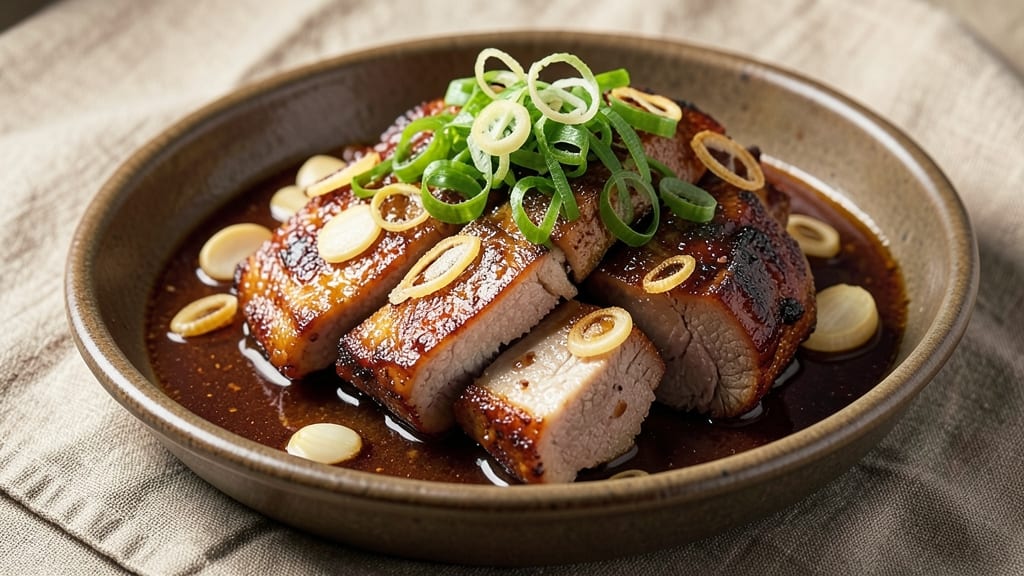
This braised pork in soy sauce recipe delivers melt-in-your-mouth tenderness with deep umami flavor in a single pot. I developed this technique after years of perfecting the balance between soy sauce's intensity and pork's natural sweetness—no shortcuts, just restaurant-quality results.
The key lies in proper searing and slow cooking to transform tough cuts into silky shreds that practically fall apart at the touch.
What sets this recipe apart is the carefully constructed braising liquid, where soy sauce meets aromatic vegetables and a touch of sweetness to create a glossy, flavorful sauce. Unlike quick-cooking methods, this dish rewards patience with rich, complex flavors that develop over time.
I've tested it with everything from pork shoulder to tenderloin, and the results are consistently foolproof.
The final dish delivers perfectly tender pork with a glossy, caramelized exterior and sauce that clings to every bite. This is the kind of meal that transforms ordinary weeknights into special occasions—substantial enough for family dinners but elegant enough for guests.
The aroma alone will have everyone gathering around the table before the first bite.
Serve with steamed jasmine rice to soak up every drop of that rich sauce, or pair with stir-fried vegetables for a complete meal. The leftovers actually improve as the flavors meld further, making this a perfect recipe for meal prep. Let's get started on creating this umami masterpiece.
Ingredients for braised pork in soy sauce
Restaurant-quality umami comes from these 14 simple but powerful ingredients.
| Ingredient | Amount | Notes |
|---|---|---|
| Pork Shoulder 🥩 | 2 lb | Bone-in for maximum flavor |
| Soy Sauce 🍶 | ½ cup | High-quality Japanese preferred |
| Brown Sugar 🍯 | ¼ cup | Packed lightly for sweetness |
| Garlic Cloves 🧄 | 6 cloves | Peeled and smashed for aroma |
| Fresh Ginger 🌿 | 2 tbsp | Grated, not powdered |
| Green Onions 🧅 | 2 whole | White and green parts separated |
| Carrots 🥕 | 2 medium | Corrected to '2 medium' |
| Celery Stalks 🌿 | 2 whole | Trimmed and chopped |
| All-Purpose Flour 🌾 | 1 tbsp | For thickening sauce |
| Vegetable Oil 🫒 | 2 tbsp | High smoke point preferred |
| Water 💧 | 1 cup | Room temperature |
| Sesame Oil 🫒 | 1 tbsp | For finishing, not cooking |
| Salt 🧂 | 1 tsp | Kosher or sea salt |
| Black Pepper 🌶️ | ½ tsp | Freshly ground |
The pork shoulder is non-negotiable here—bone-in cuts add depth of flavor. Look for well-marbled pieces at Whole Foods or your local butcher shop. If using pre-cut pork, trim any excess fat to 1/4-inch thickness—this ensures even browning. For the soy sauce, Japanese brands like Kikkoman or Yamasa deliver the richest umami profile. The brown sugar should be packed lightly to avoid clumping, and Turbinado or light brown varieties work best for caramelization.
No fresh ginger? Powdered works at half the amount, but it lacks the bright zing. Swap carrots for parsnips or sweet potatoes if needed, but they'll change the sauce's texture slightly. The sesame oil is purely for finishing—don't cook with it. For extra depth, add 1 tsp of fish sauce (if non-vegetarian) or 1 tsp of soy sauce reduction as a substitute. The flour is just for thickening—if you prefer a thinner sauce, reduce the amount to 1 tsp or omit entirely.
This braise tastes even better the next day as flavors meld. Store in an airtight container in the fridge for up to 5 days or freeze for 3 months. For meal prep, portion into individual containers with rice—microwave for 2-3 minutes to reheat. The sauce thickens when chilled, so add 1-2 tbsp water when reheating if needed. Always save some of the braising liquid for reheating—it's the secret to restaurant-quality texture.
Why You'll Love This Recipe
- Minimal Chopping Required: I swear by this—just dice the pork shoulder into big chunks (no knife skills needed) and toss in whole garlic cloves and ginger slices. The slow braise does all the work while you sip tea or scroll through your phone. Honestly, my lazy Sunday afternoons have never tasted better.
- Sweet-Savory Magic: That balance of soy sauce’s umami punch and brown sugar’s caramelized depth? It’s what makes this dish dangerously addictive. The pork practically falls apart, soaking up that glossy, sticky sauce—like a hug in a bowl.
- Lunchbox Hero: Between us, this is my go-to for meal prep. The flavors only get richer after a day in the fridge, and it reheats like a dream. Pack it in rice bowls for work or toss it in a wrap—no one will guess it’s leftovers.
- Budget-Friendly Feast: Pork shoulder is cheap, and this recipe stretches it into four or five servings without breaking the bank. Plus, the sauce reduces down to a thick, flavor-packed glaze that makes even the simplest rice or noodles feel gourmet. My wallet and my family thank me every time.
Step-by-step instructions for braised pork in soy sauce
This method delivers melt-in-your-mouth pork with deep umami flavor and silky texture—all in one pot.
Prepare and Sear the Pork Shoulder
Pat the 2 lb pork shoulder dry with paper towels, then season generously with the 1 tsp salt and 0.5 tsp black pepper on all sides. Heat the 2 tbsp vegetable oil in a large Dutch oven over medium-high heat until shimmering. Add the pork shoulder and sear for 5-6 minutes per side until deeply browned—this creates the flavorful crust that will melt into the sauce later.
Don't rush this step. You'll know it's ready when the pork releases easily from the pan and has developed a rich, caramelized exterior. Remove the pork and set it aside on a plate, leaving all the browned bits in the pot—they're packed with flavor that will form the base of your sauce.
Build the Aromatic Base
In the same Dutch oven, reduce heat to medium and add the 6 cloves garlic cloves and 2 tbsp fresh ginger. Cook for 1-2 minutes until fragrant—this releases their essential oils that will infuse the braising liquid. Add the chopped 2 whole celery stalks, 2 medium carrots, and the white parts of the 2 whole green onions. Cook for another 3 minutes, stirring occasionally, until the vegetables begin to soften slightly.
Here's the thing—this step prevents bland braising liquid. The vegetables release their natural sweetness and depth that balances the soy sauce's intensity. If the vegetables start to brown too quickly, reduce heat slightly to medium-low and continue cooking until they're just tender.
Create the Braising Liquid
Sprinkle the 1 tbsp all-purpose flour over the vegetables in the pot, stirring to coat them evenly. Cook for 1 minute to toast the flour slightly, which helps remove its raw taste. Pour in the 0.5 cup soy sauce and 0.25 cup brown sugar, scraping up any browned bits from the bottom of the pot with a wooden spoon. Add the 1 cup water and bring to a simmer.
The flour creates a natural thickener that will give your braising liquid body without needing cornstarch. The brown sugar adds subtle sweetness that complements the soy sauce's saltiness. Let the mixture simmer for 2-3 minutes until slightly reduced and slightly thickened—this ensures your pork won't be swimming in liquid when finished.
Braise Until Tender
Return the pork shoulder to the Dutch oven, fat-side up. Partially cover with a lid and transfer to a preheated 300°F oven. Braise for 2.5-3 hours until the pork is fork-tender and pulls apart easily. The internal temperature should reach 203°F when measured with an instant-read thermometer.
Real talk: This is where patience pays off. The low oven temperature ensures the pork cooks evenly without drying out. Check the liquid level after the first hour—if it's reduced too much, add ¼ cup water to maintain proper braising conditions. The pork should be falling apart at the touch of a fork when ready.
Finish and Serve
Remove the pork from the pot and transfer it to a cutting board. Skim any excess fat from the braising liquid, then stir in the 1 tbsp sesame oil. Taste and adjust seasoning if needed—you might need a touch more soy sauce or sugar to balance flavors.
Shred the pork against the grain using two forks, then return it to the pot to coat in the sauce. Serve immediately over steamed rice, garnished with the green parts of the green onions. The pork should be silky, falling-apart tender with a glossy sauce that clings perfectly to each strand.
Pro Tips For Making Braised Pork In Soy Sauce
- Sear the Pork Shoulder First: I learned this the hard way—skipping the sear means flavor just dissolves into the sauce instead of building a crust. Hit that pork shoulder with a hot pan and 2 tablespoons of oil until it’s deep brown on all sides. The extra effort makes the dish taste like it simmered for hours, not 30 minutes.
- Slice Ginger Thinly: Fresh ginger loses its punch when it sits in chunks. Use a mandoline or sharp knife to shave it into paper-thin slices—about 1/8-inch thick. They’ll infuse the sauce faster and dissolve completely, leaving no bitter surprises. (Yes, even if you’re impatient like me.)
- Deglaze with Soy Sauce Early: After searing the pork, don’t just add water to deglaze. Pour in half the soy sauce right away—it’ll pull up all those caramelized bits and start building flavor immediately. Save the rest for later; this step guarantees the sauce won’t taste flat or one-dimensional.
- Simmer Low and Slow: This isn’t the time to rush. Once the pork is submerged, keep the heat at a gentle simmer (tiny bubbles, not a rolling boil) for at least 1.5 hours. I was skeptical until I tried it—the meat stays tender, and the sauce thickens naturally without burning. (Your future self will thank you.)
Wine and beer pairings for braised pork in soy sauce
Red Wine Pairings
For this rich, umami-packed pork dish, I reach for dry red wines with enough body to stand up to the soy sauce's intensity. A Pinot Noir from Oregon—like Domaine Serene or La Crema—works beautifully with its bright acidity and red fruit notes that complement the caramelized pork.
The wine's subtle earthiness also mirrors the ginger and garlic in the braise. 🍷
If you prefer something bolder, a Syrah from the Rhône Valley—try Guigal Côte-Rôtie—adds a peppery kick that enhances the dish's depth. The wine's dark fruit flavors play off the soy sauce's savory profile, while its tannins cut through the pork's richness.
For a more affordable option, Washington State Syrah delivers excellent value without sacrificing quality.
Crisp White Options
Don't overlook white wines if you prefer them. A dry Riesling from Germany—such as Dr. Loosen Blue Slate—brings vibrant acidity and citrus notes that refresh your palate between bites. The wine's mineral finish helps cleanse the palate after each mouthful of rich pork. 🍷
For a lighter option, Sauvignon Blanc from New Zealand—like Kim Crawford—works surprisingly well. Its herbal notes complement the ginger and garlic, while the wine's crisp acidity balances the soy sauce's saltiness. Chill these whites slightly before serving to enhance their refreshing qualities.
Beer Pairings
A Japanese lager like Sapporo Premium or Asahi Super Dry is my go-to beer pairing. The clean, crisp profile lets the pork's flavors shine without competing. The beer's subtle sweetness also complements the caramelized onions and brown sugar in the braise. 🍺
For craft beer lovers, a Belgian witbier—such as Hoegaarden or St. Bernardus Wit—adds a citrusy, peppery contrast that enhances the dish's complexity. The beer's effervescence cuts through the richness, making each bite feel lighter.
If you prefer something darker, a German Dunkel like Ayinger Altbairisch provides malty depth that pairs wonderfully with the soy sauce.
Non-Alcoholic Options
For those skipping alcohol, sparkling yuzu soda from Japan—like Calpis Yuzu—mimics the effervescence of wine while complementing the dish's umami flavors. The citrusy yuzu fruit balances the soy sauce's saltiness beautifully. 💧
Alternatively, a ginger beer with a touch of honey—such as Feather Ginger Beer—echoes the fresh ginger in the recipe. The spicy-sweet profile enhances the pork's caramelized notes without overpowering them. Serve these chilled for maximum refreshment.
Nutrition facts
Frequently asked questions
Can I use a different cut of pork instead of shoulder?
For pork tenderloin, reduce cooking time to 1.5-2 hours (it's leaner and cooks faster). For pork ribs, increase to 3.5-4 hours to prevent drying out. The key is reaching 203°F internal temp—use a meat thermometer! Bone-in cuts always taste better, but boneless works too if trimmed of excess fat.
What's the secret to getting that glossy sauce?
Three things: 1 tbsp cornstarch (instead of flour) thickens beautifully, 1 tsp honey added at the end creates shine, and simmering uncovered for the last 5 minutes reduces liquid. For extra richness, whisk in 1 tbsp butter at the end. The sesame oil finish adds that signature sheen too!
Can I make this in a slow cooker?
Yes! Sear the pork first, then transfer everything to a 6-quart slow cooker on LOW for 6-7 hours or HIGH for 4-5 hours. Add ½ cup water if needed to maintain liquid. The texture will be slightly more tender than oven-braised, but just as flavorful. Just skip the final reduction step—slow cookers don't concentrate flavors as effectively.
How do I fix pork that's too dry?
If your pork turns out dry, it likely cooked too long or was over-seared. For next time, lower oven temp to 275°F and check at 2.5 hours. To salvage dry pork: shred it, mix with 2 tbsp soy sauce + 1 tbsp honey, then simmer for 10 minutes to rehydrate. Serve with extra sauce on the side to moisten each bite.
What are the best sides to serve with this?
Steamed jasmine rice is classic, but try miso-glazed eggplant for extra umami or stir-fried bok choy for freshness. For heartier meals, serve with roasted sweet potatoes or garlic mashed potatoes. The sauce pairs beautifully with cold soba noodles too—just toss them in the leftover sauce!