
Main Courses
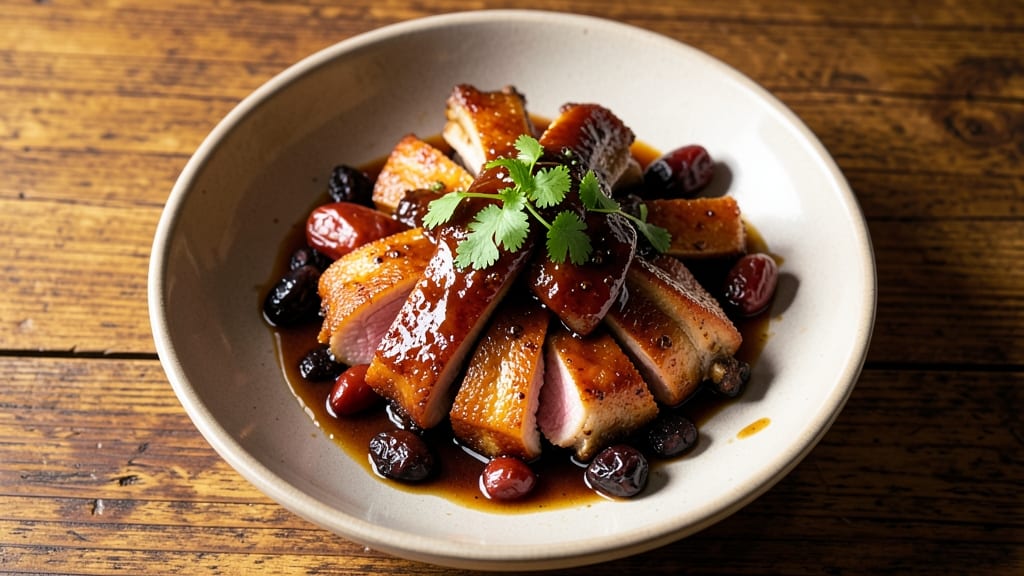
This Chinese braised pork leg delivers the ultimate contrast—crispy, five-spice fried edges over fall-apart tender meat, infused with deep umami flavors. The secret lies in a slow braise that transforms tough pork into melt-in-your-mouth perfection, then a quick fry for that addictive crunch.
I’ve perfected this technique after years of testing regional variations, ensuring every bite balances smoky, sweet, and savory notes.
The process begins with a rich soy-based braise, where star anise, cinnamon, and fermented bean paste build layers of complexity. Pork leg is parboiled first to jumpstart tenderness, then simmered low and slow until the collagen dissolves into the sauce.
What sets this apart is the double-frying technique—first in oil to render fat, then a final crisp in high heat for that irresistible texture.
By the end, you’ll have pork that shreds easily yet holds its shape in the crispy crust, all coated in a glossy, aromatic sauce. Serve with steamed jasmine rice and quick-pickled vegetables to cut through the richness.
This dish is restaurant-quality but achievable at home with patience and the right technique.
The beauty of this recipe lies in its versatility—use it for family dinners, potlucks, or even meal prep. The braised pork keeps well for days, making it a foolproof centerpiece for any occasion. Let’s get started on creating your own version of this Chinese classic.
Ingredients for braised pork leg recipe chinese
Pork leg, aromatic spices, and a slow braise create this restaurant-worthy Chinese classic.
| Ingredient | Amount | Notes |
|---|---|---|
| Pork Leg 🥩 | 3 lb | Bone-in, skin-on preferred |
| Light Soy Sauce 🍶 | ½ cup | High-quality brand recommended |
| Dark Soy Sauce 🍶 | ¼ cup | For deeper color and flavor |
| Shaoxing Wine 🍷 | ¼ cup | Substitute with dry sherry |
| Brown Sugar 🍚 | ½ cup | Packed, light brown preferred |
| Fermented Black Bean Paste 🫘 | ¼ cup | Douchi or Chinese fermented beans |
| Star Anise 🌟 | 2 whole | Whole pods for infusion |
| Cinnamon Sticks 🌿 | 2 whole | 1-inch pieces, not powder |
| Five-Spice Powder 🌶️ | 1 tbsp | Authentic Chinese blend |
| Fresh Ginger Root 🧅 | 2 tbsp | Finely grated, peeled |
| Garlic Cloves 🧄 | 8 cloves | Peeled, smashed lightly |
| Vegetable Oil 🫒 | ½ cup | High smoke point preferred |
| Cornstarch 🌾 | ¼ cup | For crisping, not flour |
| Sesame Oil 🫒 | 1 tbsp | Toasted, for finishing |
| Green Onions 🧅 | ¼ cup | Sliced, for garnish |
The pork leg is the foundation—look for bone-in, skin-on cuts from Whole Foods or your local Asian market for optimal marbling. Costco often carries large cuts ideal for this recipe. Avoid lean cuts, as they lack the fat needed for that melt-in-your-mouth texture. The fermented black bean paste is non-negotiable for authentic umami—Asian grocery stores stock authentic brands like Laoganma. If unavailable, substitute with 1 tbsp soy sauce plus 1 tsp molasses, though it won't be identical. Star anise and cinnamon should be whole pods for proper infusion, not pre-ground powders.
Shaoxing wine can be tricky to find outside Asian markets. Dry sherry like Amontillado works in a pinch, though it lacks the same depth. The five-spice powder must be authentic—Penzeys or Spicewalla carry proper blends. For ginger and garlic, fresh is essential; pre-minced jars contain additives that alter the flavor. The cornstarch is critical for that signature crisp—Bob's Red Mill is a reliable brand. If you're short on time, you can use all-purpose flour, but the texture won't be as perfect. The sesame oil should be toasted, not the flavored kind from the regular grocery aisle.
This dish rewards patience—plan for at least 3 hours of active and passive cooking time. The braised pork keeps beautifully in the fridge for 5-6 days, with flavors deepening over time. For meal prep, portion into airtight containers with some of the braising liquid to maintain moisture. The crispy edges lose their crunch when reheated, so it's best to fry fresh portions as needed. Freeze for up to 3 months by wrapping tightly in plastic wrap before aluminum foil. Thaw overnight in the fridge before reheating.
Why You'll Love This Recipe
- One-Pot Magic: I swear by this—just toss the pork leg in a deep pot with soy sauces, wine, and sugar, then let it simmer. No chopping, no fuss, and the house smells like heaven by the time you walk in the door.
- Umami Bomb: That combo of light and dark soy sauce? Chef’s kiss. The dark sauce caramelizes into a glossy glaze, while the Shaoxing wine cuts through the richness—every bite is salty, sweet, and deeply satisfying.
- Leftovers That Don’t Suck: Honestly, I make this on Sundays just because the second day is even better. The pork gets more tender, the sauce thickens, and it reheats like a dream—perfect for lunchboxes or last-minute dinners.
- Budget Feast: A whole pork leg feeds a crowd for less than takeout, and the ingredients? Basic pantry staples. Between us, this is how I stretch my grocery budget without sacrificing flavor—my wallet and taste buds thank me.
Step-by-step instructions for five-spice braised pork leg
Master this classic Chinese technique for restaurant-quality pork with crispy edges and tender, flavorful meat.
Prepare the Pork Leg and Marinade
Pat the 3 lb pork leg completely dry with paper towels, removing any excess moisture from the skin. This step is crucial—wet skin won't crisp properly. In a large bowl, combine the 0.5 cup light soy sauce, 0.25 cup dark soy sauce, 0.25 cup shaoxing wine, 0.5 cup brown sugar, 0.25 cup fermented black bean paste, 1 tbsp five-spice powder, 2 tbsp finely grated fresh ginger root, and 8 smashed garlic cloves. Mix thoroughly until the marinade is well combined and the pork leg is fully coated.
Place the pork leg in a resealable plastic bag with the marinade, ensuring it's completely submerged. Seal the bag and refrigerate for at least 4 hours, preferably overnight. This long marinating time allows the flavors to deeply penetrate the meat and tenderizes it significantly. The pork should absorb the rich, aromatic marinade completely.
Braise the Pork Leg Until Tender
Preheat your oven to 325°F. Remove the pork leg from the marinade (reserve the marinade) and place it fat-side up in a Dutch oven or heavy oven-safe pot. Pour the reserved marinade over the pork, then add the 2 whole star anise and 2 whole cinnamon sticks to the pot. Place the Dutch oven on the stovetop over medium heat and bring the liquid to a gentle simmer.
Once simmering, transfer the Dutch oven to the preheated oven and braise uncovered for 2 hours. After this initial braising period, the pork should be tender but not yet falling apart. Check the internal temperature with a meat thermometer—it should register around 180°F. If the liquid reduces too quickly, add ½ cup water to maintain adequate moisture. The pork will continue cooking as it rests, so don't overbraise.
Create the Crispy Cornstarch Coating
Once the pork is tender, carefully remove it from the braising liquid and place it on a wire rack set over a baking sheet. Let it cool slightly for 10 minutes to firm up. In a small bowl, mix the 0.25 cup cornstarch with 1 tbsp sesame oil until well combined. This mixture will create the signature crispy exterior.
Using your hands or a pastry brush, coat the pork leg thoroughly with the cornstarch mixture, ensuring an even layer on all sides. The cornstarch should adhere well to the slightly sticky surface of the pork. Place the coated pork leg back on the wire rack and let it sit at room temperature for 15 minutes to allow the cornstarch to dry slightly and form a better crust.
Deep-Fry for Crispy Perfection
Heat 0.5 cup vegetable oil in a deep skillet or Dutch oven over medium-high heat until it reaches 350°F—the oil should be hot enough to maintain a steady temperature without smoking excessively. Carefully place the coated pork leg in the hot oil, using tongs to handle it gently. Fry for 3-4 minutes per side until the cornstarch coating turns a deep golden brown and crispy.
Watch the pork closely during frying—it should develop a beautiful, crackling crust while remaining moist inside. The internal temperature should reach 203°F when checked with a meat thermometer. Remove the pork from the oil and place it on a paper towel-lined plate to drain excess oil. The contrast between the crispy exterior and tender interior is what makes this dish exceptional.
Rest and Serve with Garnish
Let the pork leg rest for 10 minutes before slicing. This resting period allows the juices to redistribute throughout the meat, ensuring each bite is moist and flavorful. While the pork rests, slice the 0.25 cup green onions into ¼-inch pieces for garnish.
Slice the pork leg against the grain into ½-inch thick pieces. The meat should be tender enough to pull apart easily with a fork, while maintaining a crispy exterior. Serve immediately, garnished with the sliced green onions. The rich, sweet-savory braising liquid can be served on the side for dipping or spooned over the pork. Each bite should deliver a perfect balance of crispy, tender, and deeply flavorful pork.
Pro Tips For Making Braised Pork Leg Recipe Chinese
- Sear the Pork First: After browning the pork leg in oil, don’t rush the searing—let it sit undisturbed for 3-4 minutes per side until deep golden. I learned this the hard way: skipping this step means your sauce will cling like glue instead of forming a glossy, caramelized crust that carries all the flavor.
- Use Dark Soy for Color: Dark soy sauce isn’t just for looks—it’s the real deal for that rich, molasses-like depth. Add half the total soy sauce amount after the pork is halfway braised, then simmer uncovered for 5 minutes to let it reduce and coat the meat evenly. (Yes, even if your recipe doesn’t mention it—trust me.)
- Deglaze with Wine Early: Pour in the Shaoxing wine right after searing, while the pan is still hot. Let it bubble for 2 minutes before adding liquids—this extracts maximum flavor from the fond. I used to add it later, and the sauce always tasted flat in comparison.
- Brown the Sugar Last: Save the brown sugar until the very end, when the pork is nearly tender. Stir it into the sauce and simmer uncovered for 8-10 minutes until it turns a deep amber. This isn’t just for sweetness—it adds a caramelized complexity that cuts through the saltiness of the soy. (And no, maple syrup won’t do.)
Common mistakes when making perfect results
Skipping the Marinade
Never rush the marinating process—this is where the magic happens. I’ve seen home cooks skip the 4-hour minimum (or worse, use just 30 minutes) and end up with bland, dry pork.
The marinade needs time to break down the muscle fibers and infuse the meat with five-spice powder, fermented black bean paste, and shaoxing wine. For best results, marinate overnight.
If you're short on time, at least do 6 hours—any less and you’ll miss that deep, complex flavor. 💡
Overcrowding the Pot
When braising, resist the urge to use a small pot that barely fits your pork leg. A crowded pot traps steam and prevents proper browning. Your Dutch oven should have at least 1 inch of space around the pork to allow heat to circulate evenly.
I’ve seen this mistake lead to uneven cooking and a sauce that’s more watery than flavorful. If your pot is too small, use a larger one or braise in batches. The goal is tender, caramelized pork—not soggy meat in a thin sauce.
Ignoring the Parboil Step
Some recipes skip the initial parboiling step, but this is where collagen starts breaking down. Without it, your pork leg will take 3-4 hours longer to become fork-tender.
Here’s how to do it right: Simmer the pork in water for 30-45 minutes until it reaches 160°F internal temperature before adding the braising liquid. This jumpstarts the tenderizing process and ensures even cooking. Skipping it means you’ll be staring at your oven longer than necessary.
Rushing the Crisping Process
The cornstarch coating is what makes this dish special, but many cooks mess it up by frying too quickly. The oil needs to be at a steady 350°F, and the pork must cook for 3-4 minutes per side—no more, no less.
I’ve seen people pull it out too soon, resulting in a pale, gummy crust, or too late, leading to burnt cornstarch. Use a deep-fry thermometer to monitor the oil temperature precisely. The moment the coating turns golden brown and crackles, it’s done. 🔥
Not Resting the Pork
After frying, the pork needs 10 minutes of resting time before slicing. This allows the juices to redistribute, preventing dry, stringy meat. I’ve seen cooks slice immediately and end up with disappointing texture. Trust the process—even if it feels like waiting forever.
While it rests, tent it loosely with foil to keep it warm. The difference in moisture and tenderness is night and day. Patience here is key to restaurant-quality results.
Using the Wrong Soy Sauce Ratio
The balance between light soy sauce (for saltiness) and dark soy sauce (for color and depth) is critical. Using all light soy sauce will leave your pork pale and one-dimensional, while too much dark soy sauce can make it bitter. Stick to the 2:1 ratio (light to dark) as written.
If you’re unsure, taste the marinade before applying it—it should be savory, slightly sweet, and complex, not just salty. This ratio ensures a glossy, flavorful sauce that clings perfectly to the pork.
Nutrition facts
Frequently asked questions
Can I substitute pork leg with pork shoulder?
Pork shoulder works but requires adjustments. Use a 3-4 lb bone-in pork shoulder and increase braising time to 3-4 hours (until tender). The fat content is higher, so trim excess fat before marinating. The texture will be slightly fattier but equally flavorful—just reduce oil by 2 tbsp when frying to avoid excess grease.
How do I make this dish less sweet?
Reduce the brown sugar to 0.25 cup and add 1 tbsp rice vinegar to the marinade for balance. For extra tang, increase the fermented black bean paste to 0.35 cup—it adds umami depth without sweetness. Taste the braising liquid before serving and adjust with a pinch of salt or extra soy sauce if needed.
Can I braise this in a slow cooker?
Yes, but with modifications. Use the same marinade and braise on low heat for 6-8 hours (not high). After braising, transfer the pork to a skillet for the cornstarch coating and frying steps—slow cookers can't achieve the crispy texture. The sauce may be thinner, so reduce it on the stovetop before serving.
Why is my pork leg still tough after braising?
Most likely, you skipped the parboil step or didn't braise long enough. Start with a 30-minute parboil (until 160°F internal) before braising. Then cook uncovered at 325°F for 2.5-3 hours, checking for 203°F internal before frying. If using a slow cooker, extend to 8 hours low heat—pork leg needs time to break down collagen.
What’s the best way to reheat leftovers?
Reheat in a skillet with 1 tbsp oil over medium-low heat for 5-6 minutes until warmed through. For crispy edges, sprinkle with 1 tsp cornstarch and pan-fry for 2 minutes per side. Avoid microwaving—it makes the pork rubbery. Store leftovers in the fridge for 5-6 days or freeze for 3 months (wrap tightly in plastic before foil).