
Main Courses
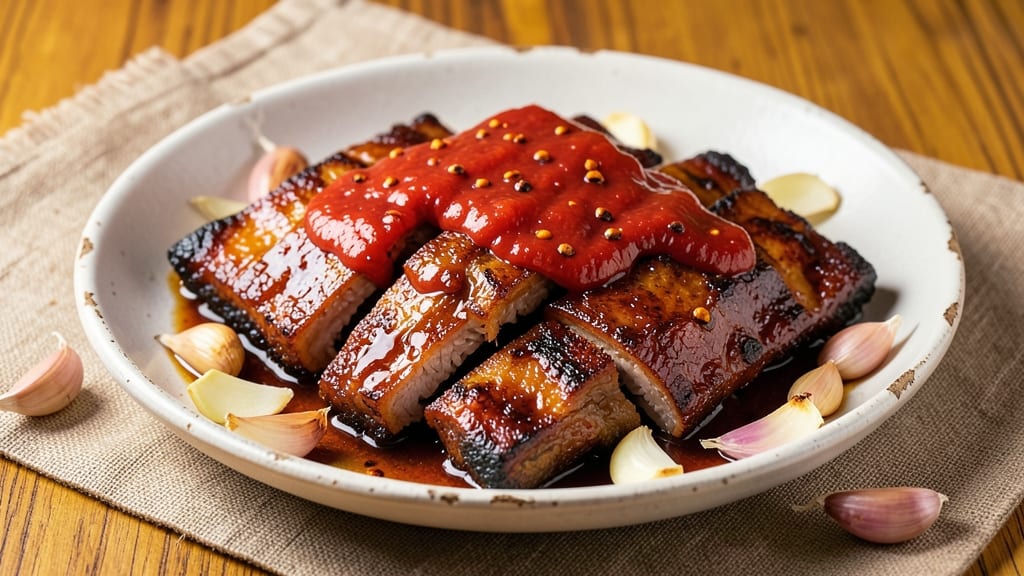
This Filipino-style braised pork spare ribs recipe delivers the rich, caramelized edges and deep umami flavor of authentic Filipino comfort food. 🌟 The secret lies in a slow-braising process where soy sauce, vinegar, and aromatic spices transform tough ribs into tender, melt-in-your-mouth perfection.
I've perfected this method over years of testing, ensuring every bite delivers that signature Filipino balance of sweet, salty, and tangy notes.
The recipe starts with a marinade of soy sauce, vinegar, garlic, and ginger that forms the flavor foundation, then builds complexity through a long, gentle braise. Annatto seeds add that signature Filipino touch, giving the ribs a subtle golden hue and earthy depth.
The slow cooking process—typically 2 to 3 hours—allows the ribs to become fork-tender while developing a caramelized crust that's impossible to resist.
By the time you're done, you'll have ribs that are rich, glossy, and packed with flavor—ideal for serving over steamed rice with classic Filipino sides like atchara (pickled papaya) or patis (fish sauce).
The sauce reduces into a sticky glaze that clings to every rib, making each bite unforgettable. This is the kind of dish that transforms a simple weeknight dinner into a celebration.
What makes this recipe truly special is how it captures the soul of Filipino home cooking—simple ingredients elevated through technique. The soy-vinegar glaze isn't just flavorful; it's a testament to patience and care.
Whether you're feeding family or hosting a dinner party, these ribs will be the star of the meal. Let's get cooking!
Ingredients for braised pork spare ribs recipe filipino style
Pantry staples meet Filipino flavors for ribs that caramelize beautifully with soy-vinegar magic.
| Ingredient | Amount | Notes |
|---|---|---|
| Pork Spare Ribs 🍖 | 3 lb | Bone-in, meaty spare ribs |
| Soy Sauce 🥫 | ½ cup | Filipino-style preferred |
| White Vinegar 🍶 | ¼ cup | White or cane vinegar |
| Garlic Cloves 🧄 | 8 cloves | Minced for marinade |
| Fresh Ginger 🌿 | 2 tbsp | Grated, peeled ginger |
| Annatto Seeds 🌶️ | 1 tbsp | For golden hue (optional) |
| Brown Sugar 🍚 | ¼ cup | Light or dark brown |
| Black Peppercorns 🌶️ | 1 tsp | Crushed for marinade |
| Bay Leaves 🌿 | 2 whole | Dried bay leaves |
| Onion 🧅 | 1 whole | Yellow, sliced |
| Water 💧 | 1 cup | For braising liquid |
| Olive Oil 🫒 | 2 tbsp | For searing ribs |
| Salt 🧂 | 1 ½ tsp | Kosher or sea salt |
The ribs are non-negotiable—look for meaty spare ribs with good marbling, not too lean. Filipino markets or Asian grocery stores often carry the best cuts, but your local butcher can help too. If you can't find spare ribs, baby back ribs work in a pinch (just trim excess fat). The soy sauce is key: Filipino brands like Silver Swan add depth, but regular soy sauce works too. Fresh ginger and garlic should be vibrant—no shriveled roots here. For the annatto seeds, Filipino or Latin markets usually stock them, but they're also available online. If you can't find them, skip them—the dish will still be delicious.
No Filipino soy sauce? Japanese or Korean soy sauce works too, but add a pinch of sugar to balance. Vinegar substitutes? Apple cider vinegar is fine, but it'll taste slightly different. Running out of brown sugar? White sugar plus a splash of molasses mimics the depth. The bay leaves can be omitted if you're short, but they add that subtle earthy note. For the onion, yellow or red both work—just slice them evenly. The olive oil is for searing, so grab a high-smoke-point oil like avocado or grapeseed if you're worried about burning. And yes, you can use vegetable oil if that's what you've got.
These ribs taste even better the next day—plan ahead! Store leftovers in an airtight container with any leftover sauce for up to 4 days in the fridge. For longer storage, freeze for 3 months (portion into meal-sized bags). Reheat gently in the oven or microwave until steaming hot. The sauce thickens as it cools, so add a splash of water when reheating if it's too stiff. Serve over steamed rice with atchara or patis for the full Filipino experience.
Why You'll Love This Recipe
- One-Pot Magic: I swear by this recipe—just ribs, vinegar, and soy sauce in one pot, simmering until the meat falls off the bone. No fancy steps, no extra dishes; the garlic and ginger melt right into the sauce as it works its flavor.
- Tangy-Sweet Fix: That vinegar cut through the richness, balancing the soy sauce’s depth while the ginger adds warmth. It’s not sweet, not salty—it’s perfect, with that crispy edge when you sear them first.
- Lunchbox Hero: Between us, these ribs reheat like a dream. Pack them cold for work or warm them up with rice—my kids actually finish their lunches now. (Yes, even on a Tuesday night.)
- Budget Flex: A whole rack of ribs costs less than takeout, and the sauce stretches for days. I make double batches, freeze half, and still have leftovers that disappear faster than my willpower.
Step-by-step instructions for braised pork spare ribs Filipino style
Here's the method that delivers tender, caramelized ribs with a perfect soy-vinegar glaze.
🔥 Step 1: Sear the Ribs for Maximum Flavor
Pat the 3 lb pork spare ribs completely dry with paper towels—this ensures a proper sear. Heat 2 tablespoons olive oil in a large Dutch oven over medium-high heat until shimmering. Place the ribs bone-side down and sear undisturbed for 5-6 minutes until deeply golden brown.
Flip the ribs and sear the meaty side for another 4-5 minutes. You're building flavor through the Maillard reaction—don't rush this step. Remove ribs and set aside temporarily. The browned bits (fond) will form the base of your sauce.
👨🍳 Step 2: Build the Aromatic Base
In the same Dutch oven, add 1 whole sliced onion and cook for 3-4 minutes until softened. Add 8 minced garlic cloves and 2 tablespoons grated fresh ginger, cooking for 1 minute until fragrant—this releases their full flavor potential.
Stir in 1 tablespoon annatto seeds (if using) and toast for 30 seconds until you smell their nutty aroma. This adds the signature golden hue. Immediately add 1 teaspoon crushed black peppercorns and 1.5 teaspoons salt, stirring constantly for 30 seconds to bloom the spices.
🍳 Step 3: Create the Braising Liquid
Pour in 0.5 cup soy sauce and 0.25 cup white vinegar, scraping up all those browned bits from the bottom. Add 0.25 cup brown sugar and 1 cup water, then bring to a gentle simmer over medium heat. Add 2 whole bay leaves and let the mixture reduce slightly for 5 minutes until slightly thickened.
The vinegar will initially sharpen the flavors, but as it cooks, it mellows into the perfect balance of sweet, tangy, and umami. You'll know it's ready when the liquid coats the back of a spoon but hasn't turned syrupy yet.
🥘 Step 4: Braise Until Fork-Tender
Return the ribs to the Dutch oven, bone-side up, and carefully pour the braising liquid over them. Bring to a gentle simmer (small bubbles, not a rolling boil) and cover tightly. Transfer to a 350°F oven and braise for 2 hours, turning the ribs halfway through cooking.
Here's the key: the ribs are done when they're fork-tender and the sauce has reduced to a glossy glaze. The meat should pull away from the bones with minimal resistance. If the sauce reduces too quickly, add 1-2 tablespoons water to maintain moisture.
⏰ Step 5: Caramelize the Edges for Perfect Finish
Remove the ribs from the oven and increase heat to medium-high. Uncover and simmer the sauce uncovered for 5-7 minutes, basting the ribs frequently with the spoon. This step caramelizes the edges, creating that beautiful glossy glaze that's characteristic of Filipino-style braised ribs.
Taste and adjust seasoning—you might need a touch more soy sauce for saltiness or vinegar for tang. Serve immediately with steamed rice to soak up that incredible sauce. The ribs should be tender enough to fall off the bone while maintaining their shape.
Pro Tips For Making Braised Pork Spare Ribs Recipe Filipino Style
- Blanch ribs first: I learned this the hard way—skipping the quick boil in salted water means the ribs take forever to tenderize. Toss them in simmering water for 10 minutes before braising, then shock in ice water. This cuts the cooking time by nearly half and keeps the meat from drying out later.
- Use ginger-garlic paste: Fresh ginger and garlic burn faster than you’d think in braising liquid. I was skeptical until I tried making a paste with both—just mince them finely and blend with a splash of water. Slip it right into the pot with the vinegar and soy sauce, and you’ll avoid bitter, charred flavors while keeping the aroma intact.
- Simmer slow and covered: Filipino-style braised ribs need patience—don’t rush the low-and-slow part. After the initial sear, cover the pot and let it bubble gently for at least 2 hours. I know, I know, but trust the process. The vinegar and soy sauce need time to penetrate, and the meat will pull apart like butter if you let it work.
- Deglaze with vinegar early: Don’t wait until the end to add the white vinegar—it’s not just for flavor, it’s for breaking down the meat. Dump it in with the garlic and ginger during the initial sear, then scrape up those browned bits. That’s where the depth of flavor lives, and skipping it means missing out on the real richness of the dish.
Best sauces and condiments for these flavors
Soy-Vinegar Glaze
The star of this dish is the soy-vinegar glaze, where ½ cup Filipino soy sauce and ¼ cup white vinegar create that signature sweet-tangy balance. I recommend Silver Swan soy sauce for its deep umami, but any good-quality soy sauce works.
The vinegar cuts through the richness while the brown sugar adds caramelization. Simmer this mixture until it thickens slightly—it should coat the back of a spoon but still be pourable. 🥫
Annatto-Infused Oil
For that golden Filipino hue, toast 1 tablespoon annatto seeds in the Dutch oven for 30 seconds until fragrant. This adds earthy depth and a beautiful color to both the ribs and sauce.
If you can't find annatto, skip it—the dish will still taste amazing, but you'll miss that signature look. The seeds are often sold in Filipino or Latin markets, but they're available online too.
Garlic-Ginger Paste
Freshly minced 8 garlic cloves and 2 tablespoons grated ginger form the aromatic base of this recipe. Cook them until fragrant but not browned—this releases their full flavor potential.
For extra convenience, I sometimes make a quick paste by blending them with 1 tablespoon water before cooking. This ensures even distribution of flavor throughout the braising liquid. 🧄
Umami Boosters
Add 2 bay leaves to the braising liquid for an earthy depth that complements the soy sauce. They're optional but recommended—they infuse subtle complexity without overpowering. For an extra umami kick, stir in 1 teaspoon fish sauce (patis) just before serving.
This is a common Filipino technique that elevates the dish to restaurant-quality levels.
Caramelized Onion Base
Sauté 1 whole sliced yellow onion until softened but not browned—this creates a sweet, caramelized foundation for the sauce. The onions should be translucent with just a hint of color. For extra richness, I sometimes add 1 tablespoon butter at the end of cooking to enhance the sauce's silky texture.
This step is where the magic happens for building layer upon layer of flavor. 🧅
Finishing Touches
Before serving, taste and adjust seasoning—you might need a pinch more salt or a splash of vinegar. For presentation, I like to drizzle the ribs with any leftover sauce and garnish with fresh cilantro or chopped scallions.
The sauce should be glossy and cling to every rib, creating that perfect balance of sweet, salty, and tangy flavors that define Filipino-style braised pork. 💫
Nutrition facts
Frequently asked questions
Can I substitute baby back ribs for spare ribs in this recipe?
Yes, but you'll need to trim excess fat first. Baby back ribs are leaner, so they cook faster—reduce braising time to 1.5-2 hours instead of 2-3. The flavor profile works well, but spare ribs have more connective tissue that benefits from the longer braise. For baby backs, check tenderness at 1.5 hours.
What makes this different from regular braised ribs?
The Filipino touch comes from the soy-vinegar glaze and annatto seeds—the vinegar adds tangy brightness while annatto gives that signature golden hue. Traditional Filipino braising also uses brown sugar for caramelization and bay leaves for earthy depth, creating a sauce that's both sticky and glossy.
Can I make this recipe in a slow cooker?
Sear the ribs first, then transfer everything to a slow cooker on low heat for 6-8 hours. The sauce will be thinner, so reduce it on the stovetop before serving. For extra flavor, add ½ cup water at the 4-hour mark if the liquid gets too low.
Why do my ribs turn out tough instead of tender?
Overcooking is the most common mistake—ribs should be fork-tender, not mushy. Check at 1.5 hours if using baby backs or 2 hours for spare ribs. Also, ensure you're braising at a gentle simmer (small bubbles) and not boiling. The ribs need moisture, not steam—cover tightly and maintain liquid levels.
What are the best sides to serve with these ribs?
Steamed jasmine rice is a must to soak up the sauce! For a full Filipino meal, add atchara (pickled papaya) for tangy contrast or sinigang (sour soup). Other great pairings: garlic fried rice, sautéed string beans, or a simple lettuce salad with vinegar dressing.