
Main Courses
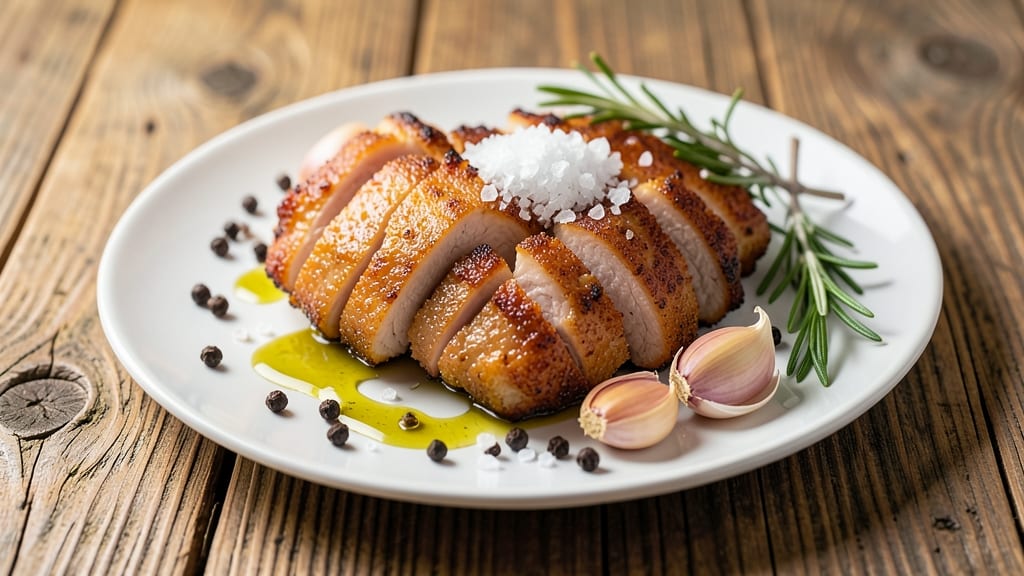
This Brazilian crispy pork belly recipe delivers the perfect marriage of caramelized bark and juicy, melt-in-your-mouth meat—a dish that transports you to Rio’s churrascarias with every bite. 🔥 After years of perfecting the technique, I’ve cracked the code for achieving that signature crackling skin while keeping the interior tender enough to cut with a fork.
The secret lies in a combination of dry-brining, strategic scoring, and slow-roasting that transforms tough pork belly into a showstopper.
The process begins with a 24-hour dry brine that seasons the meat deeply while keeping it moist, followed by scoring the fat cap to render slowly and create those coveted crispy pockets.
What makes this recipe truly special is the balance—you’ll end up with pork belly that’s crispy enough to stand up to a fork but still rich and tender when you cut into it. The fat renders perfectly, creating a golden, crackling crust that’s impossible to resist.
This dish is traditionally served with farofa (toasted cassava flour), black beans, and collard greens, but it’s equally at home alongside rice or as the centerpiece of a Brazilian feast.
The aroma alone—smoky, savory, with hints of caramelized fat—will have everyone gathered around your table before the timer even goes off. It’s the kind of meal that feels like a celebration.
Pair it with a crisp vinho verde or a refreshing caipirinha for the full Brazilian experience. The leftovers? Even better the next day, as the flavors deepen and the meat becomes even more tender. Let’s get cooking—this is pork belly done right.
Ingredients for brazilian crispy pork belly
Four pounds of pork belly and a handful of pantry staples transform into a Brazilian churrascaria showstopper.
| Ingredient | Amount | Notes |
|---|---|---|
| Pork Belly (Skin-On) 🥓 | 3 lb | Thick-cut, 1-inch fat cap preferred |
| Diamond Crystal Kosher Salt 🧂 | ½ cup | For 24-hour dry brine |
| Freshly Ground Black Pepper 🌶️ | 1 ½ tbsp | Coarse grind for texture |
| Garlic Cloves 🧄 | 6 cloves | Minced for scoring paste |
| Extra-Virgin Olive Oil 🫒 | 2 tbsp | For scoring paste and roasting |
| Fresh Rosemary Sprigs 🌿 | 4 whole | Tied with kitchen twine |
| Fresh Thyme Sprigs 🌿 | 4 whole | Tied with kitchen twine |
| Orange Zest 🍊 | 1 tbsp | From 1 large orange |
| Orange Juice 🍊 | ¼ cup | Freshly squeezed |
| Cane Sugar 🍬 | 1 tbsp | For scoring paste |
| Farofa (Toasted Cassava Flour) 🌾 | ½ cup | For serving (optional) |
| Black Beans (Cooked) 🫘 | 1 ½ cups | For serving (optional) |
| Collard Greens (Cooked) 🥬 | 4 cups | For serving (optional) |
The pork belly is non-negotiable here—thick-cut with a 1-inch fat cap is essential for that signature crackling bark. Costco or specialty butchers often carry the ideal cut, but a good grocery store butcher can help you select it. Look for pieces with good marbling and a thick layer of fat; the fat is what renders into that irresistible crisp. If you can't find thick-cut, ask for the fattest cut available and trim it yourself. The herbs—rosemary and thyme—should be fresh, vibrant stems tied with kitchen twine for easy handling during roasting.
No thick-cut pork belly? Ask your butcher to trim a regular cut to achieve the 1-inch fat layer. For the scoring paste, you can swap orange zest for lemon zest if needed, but the citrus brightens the fat rendering. The cane sugar adds a subtle caramelization—brown sugar works in a pinch. If you're short on time, reduce the dry brine to 12 hours, but 24 is ideal for maximum tenderness. The farofa can be made ahead and toasted in a dry skillet until golden; Trader Joe's sells pre-toasted cassava flour if you're in a hurry.
The pork belly keeps beautifully—3-4 days refrigerated in an airtight container with any rendered juices. For longer storage, wrap tightly in parchment and foil, then freeze for up to 3 months. Reheat gently in a 300°F oven until crispy again. The scoring paste ingredients can be mixed ahead and stored in the fridge for 1 week. This dish reheats best at lower temperatures to preserve that crispy texture—250°F is ideal. Portion leftovers into single servings for easy reheating.
Why You'll Love This Recipe
- Crisp in Minutes: I swear, the salt crust does all the work—just rub, roast, and boom. No marinating, no fussing, just that addictive crunch in under an hour.
- Garlic Magic: Between us, those smashed cloves under the skin? Pure flavor gold. The pork belly stays juicy while the garlic infuses every bite—no need for fancy rubs.
- Party Stunt: This is my go-to for gatherings—everyone reaches for seconds, and it reheats like a dream. Serve it sliced over rice or as-is; it’s always a crowd-pleaser.
- Leftovers? Better: Honestly, I make double batches because the second day is even better. The crispy bits get crunchier, and the pork stays tender—perfect for sandwiches or a quick stir-fry.
Step-by-step instructions for Brazilian crispy pork belly
Here's how to transform tough pork belly into melt-in-your-mouth perfection with a crackling caramelized crust.
🔥 Step 1: Dry Brine the Pork Belly for 24 Hours
Place the 3 lb pork belly (skin-on) in a large container and sprinkle ½ cup Diamond Crystal kosher salt evenly over all sides, pressing it into the meat and skin. Add 1.5 tablespoons freshly ground black pepper and massage it in thoroughly. This dry brine works magic by drawing out moisture and creating that legendary crispy bark.
Cover loosely with plastic wrap and refrigerate for exactly 24 hours. Flip the pork belly halfway through to ensure even seasoning. The skin should feel dry and leathery to the touch by the end—this is your signal that the brine worked. If you're short on time, a minimum 12-hour brine still yields excellent results, but 24 hours is ideal for maximum crispiness.
🍳 Step 2: Prepare the Scoring Paste and Herbs
In a small bowl, combine 2 tablespoons extra-virgin olive oil, 1 tablespoon orange zest, ¼ cup freshly squeezed orange juice, 1 tablespoon cane sugar, and 6 minced garlic cloves. Mix until smooth—this vibrant paste will infuse the pork with bright citrus notes and help create that signature caramelized crust.
Tie 4 fresh rosemary sprigs and 4 fresh thyme sprigs together with kitchen twine and tuck them into the pork belly cavity. The herbs will release their aromatic oils during cooking, adding depth to every bite. Pat the pork dry with paper towels before proceeding—any moisture will prevent proper browning.
🔪 Step 3: Score and Score the Pork Belly
Using a sharp chef's knife, score the pork belly skin in a diamond pattern, cutting about ½-inch deep into the fat. This creates channels for the scoring paste to penetrate and renders fat more evenly. Be careful not to cut into the meat itself—you're only targeting the fat layer and skin.
Generously brush the scoring paste over the entire surface of the pork belly, including the scored areas. The sugar in the paste will caramelize during cooking, contributing to that irresistible crispy exterior. Let the pork sit at room temperature for 30 minutes before cooking to ensure even heat distribution.
🔥 Step 4: Roast for Crispy Perfection
Preheat your oven to 325°F and place a wire rack on a rimmed baking sheet. Position the pork belly fat-side down on the rack—this allows the rendered fat to drip away, creating a crispy skin rather than steaming it. Roast for 2 hours, then increase the temperature to 425°F for the final 30-45 minutes until the skin is deep golden brown and crackling.
I know it's tempting to check early, but resist the urge to open the oven door. Every time you do, you lose heat and steam the skin instead of crisping it. The internal temperature should reach 195-203°F—this is when the collagen breaks down and transforms into tender, jelly-like fat. Let the pork rest for 15 minutes before slicing to allow the juices to redistribute.
🍽️ Step 5: Serve with Brazilian Sides
Slice the pork belly against the grain into ½-inch thick pieces. The exterior should be shatteringly crisp, while the interior melts like butter with every bite. Serve immediately with ½ cup farofa sprinkled on top, alongside 1.5 cups black beans and 4 cups collard greens for a complete Brazilian feast.
Here's the thing—this pork belly is best served right away when the skin is at its crispest. If you need to reheat leftovers, do so in a 375°F oven for 10-15 minutes to restore some of that magical crunch. The contrast of crispy skin over tender, juicy meat is what makes this dish truly unforgettable.
Pro Tips For Making Brazilian Crispy Pork Belly
- CRANK THE HEAT HIGH: I learned this the hard way—starting at medium will give you sad, greasy pork belly instead of crispy gold. Once your skillet is smoking (yes, even if you’re impatient like me), add the pork belly and let it sizzle undisturbed for at least 5 minutes. That’s when the magic crust starts forming.
- SALT THE SKIN THICK: Diamond Crystal kosher salt is your friend here, but don’t just sprinkle it lightly. Pack it on thick—about 1 tablespoon per side—then let it sit for 30 minutes before cooking. This draws out moisture, ensuring the skin crisps instead of steaming. (Your future self will thank you.)
- STOP STIRRING: I was skeptical until I tried it: once the pork belly hits the pan, leave it alone. No flipping, no poking—just let the skin render fat and develop that crispy shell. After 5 minutes, flip once and cook another 5 minutes. Resist the urge to check it early; that’s when you ruin the crust.
- USE THE FAT WISELY: After the pork belly is golden and crispy, don’t toss that rendered fat—it’s liquid gold for the garlic. Lower the heat, add 3 minced garlic cloves, and let them sizzle in the fat for 30 seconds until fragrant. This infuses the pork with flavor without burning the garlic. (And yes, even if you’re in a hurry, 30 seconds makes a real difference.)
Troubleshooting your brazilian crispy pork belly
Skin Not Crispy
If your pork belly skin isn't crispy enough, you're likely dealing with one of two issues: moisture or improper heat exposure. First, ensure your pork belly is completely dry before roasting—any residual moisture will steam the skin instead of crisping it. Pat it thoroughly with paper towels after brining.
Second, resist opening the oven door during cooking—every time you peek, you lose heat and introduce moisture that prevents proper browning. For extra crispiness, try broiling the pork belly for the final 5-10 minutes at 500°F to caramelize the sugars in the scoring paste. 🔥
Fat Rendering Too Slow
If the fat isn't rendering properly and the skin stays soft, your oven temperature might be too low or the pork belly isn't positioned correctly. Always place the pork belly fat-side down on a wire rack to allow the fat to drip away.
If your oven runs hot or cold, use an oven thermometer to verify the actual temperature—many home ovens are off by 25°F or more. For stubborn fat, increase the oven temperature to 350°F for the first hour to jumpstart the rendering process, then follow the original recipe.
A meat thermometer is essential here to monitor internal temperature accurately.
Pork Too Dry
Overcooking is the most common reason for dry pork belly. The ideal internal temperature is between 195-203°F—any higher, and the meat will start to dry out. Use a meat thermometer to check the temperature in the thickest part of the meat, avoiding the fat layer.
If you're unsure, pull the pork belly out when it reaches 190°F and let it rest—it will continue cooking slightly and reach the perfect doneness.
Another trick is to add a ½ cup apple juice to the baking sheet during the final 30 minutes of cooking to add moisture to the air and prevent the meat from drying out.
Uneven Cooking
Uneven cooking often happens when the pork belly isn't positioned properly or the oven temperature fluctuates. To prevent this, place the pork belly on a wire rack in the center of the oven where heat circulates most evenly.
If your oven has hot spots, rotate the baking sheet halfway through cooking. For large pork bellies, consider using a cast iron Dutch oven filled with 1 inch of water on the bottom rack to create a steaming environment that cooks the meat more uniformly.
This method also helps keep the skin moist while the fat renders.
Scoring Issues
If your scoring isn't creating the crispy pockets you want, you might not be cutting deep enough or using the right technique.
Score the fat in a diamond pattern, cutting about ½-inch deep into the fat layer—this allows the scoring paste to penetrate and the fat to render more evenly. Use a sharp chef's knife and apply steady pressure to avoid tearing the skin.
If the cuts aren't deep enough, the paste won't infuse properly, and the fat won't render as crispy. For extra crispiness, score the pork belly again just before the final 30 minutes of cooking to reactivate the fat rendering process.
Nutrition facts
Frequently asked questions
Why do I need to dry brine the pork belly for 24 hours?
The 24-hour dry brine is the secret weapon for achieving that signature Brazilian crispy bark. The salt draws out moisture from the surface, creating a dry, leathery skin that crisps beautifully while keeping the interior juicy. This method also seasons the meat deeply, ensuring every bite is flavorful. Skipping it may result in a softer skin that doesn't hold up to the crispy texture you're aiming for.
Can I substitute the scoring paste ingredients?
The scoring paste adds brightness, but you can swap ingredients while keeping the same ratios. Use lemon zest instead of orange, or replace cane sugar with brown sugar. For extra smokiness, add 1 teaspoon smoked paprika to the paste. The key is balancing acidity (citrus), fat (olive oil), and sweetness (sugar) to caramelize the skin properly.
How do I know when the pork belly is done?
Use a meat thermometer to check the internal temperature—it should read 195-203°F in the thickest part of the meat (not the fat). The skin should be deep golden brown and crackling. If you're unsure, pull it out at 190°F and let it rest—the residual heat will bring it to perfect doneness. Overcooking beyond 203°F risks drying out the meat.
Can I make this recipe in a slow cooker?
While possible, a slow cooker won't give you the same crispy skin. For best results, stick to the oven method. If you're short on time, try a 400°F broiler for the final 10 minutes to crisp the skin after roasting. The slow cooker works better for tenderizing the meat, but the texture won't match the traditional Brazilian churrascaria style.
What's the best way to reheat leftovers?
Reheat leftovers in a 375°F oven for 10-15 minutes to restore some crispiness. For extra crunch, broil for the final 2-3 minutes. Avoid microwaving—it turns the skin soggy. Store leftovers in an airtight container with any rendered juices to keep them moist. The meat actually tastes better the next day as the flavors deepen!