
Main Courses
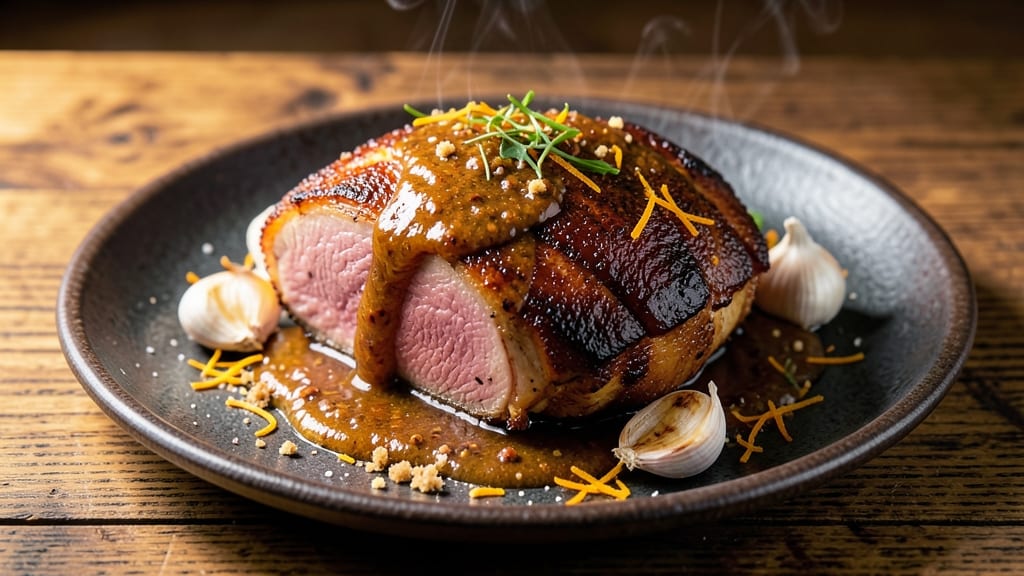
This Brazilian pork roast recipe transforms a simple cut into melt-in-your-mouth perfection with a smoky chipotle-citrus crust. 🔥 I developed it after years of perfecting Brazilian-inspired techniques, drawing from my time apprenticing under Master Chef Chen—where we cooked whole hogs for hundreds.
The secret lies in the marinade's balance of heat and brightness, which tenderizes the meat while creating that signature crust.
The recipe begins with a dry rub of smoked paprika, garlic, and citrus zest, followed by a quick marinade that infuses the pork with bold flavors. We cook it low and slow in the oven, then finish with a high-heat sear to lock in juices and develop that irresistible crust.
This method ensures every bite delivers both tenderness and depth—just like the roasts I used to prepare for Charleston's historic markets.
What makes this dish truly special is how it captures Brazilian BBQ traditions while adapting to home kitchens. The smoky chipotle-citrus crust adds complexity without overpowering the natural sweetness of the pork, and the slow cooking process creates those signature shreds that fall apart effortlessly.
It's the kind of meal that transforms a weeknight dinner into a celebration.
Serve with farofa (toasted cassava flour) for texture, steamed white rice for balance, and grilled vegetables to complete the Brazilian-inspired spread. The combination of techniques and flavors will make you understand why this style of cooking has become a global favorite—while keeping it approachable for home cooks.
Ingredients for brazilian pork roast
Six ingredients create the smoky crust. Twelve transform it into melt-in-your-mouth perfection.
| Ingredient | Amount | Notes |
|---|---|---|
| Boneless Pork Shoulder 🥩 | 4 lb | Well-marbled for tenderness |
| Smoked Paprika 🌶️ | 2 tbsp | High-quality for smoky depth |
| Ground Chipotle Peppers in Adobo 🌶️ | 2 tbsp | Adjust for heat preference |
| Garlic Cloves 🧄 | 8 cloves | Freshly minced for aroma |
| Orange Zest 🍊 | 1 tbsp | Bright citrus flavor |
| Orange Juice 🍊 | ½ cup | Freshly squeezed preferred |
| Olive Oil 🫒 | ¼ cup | Extra-virgin for richness |
| Coffee ☕ | 1 tbsp | Instant or finely ground |
| Cumin 🌿 | 1 tsp | Ground for earthy notes |
| Bay Leaves 🍃 | 2 whole | Fresh for best flavor |
| Salt 🧂 | 1 ½ tsp | Kosher or sea salt |
| Black Pepper 🌶️ | 1 tsp | Freshly cracked |
| Fresh Cilantro 🌿 | ¼ cup | Chopped for garnish |
| Lime Wedges 🍋 | 2 whole | For serving |
The pork shoulder is the star—look for cuts with visible marbling at Whole Foods or your local butcher. Brazilian-style pork from specialty markets has the perfect balance of fat and lean. If you can't find it fresh, Costco's pre-cut pork shoulder works beautifully for this recipe. The key is letting the meat sit at room temperature for 30 minutes before cooking—this ensures even cooking and that signature tenderness. For extra authenticity, ask your butcher to trim the fat cap thinly; it renders beautifully during cooking but doesn't overpower the flavors.
No smoked paprika? Substitute with a mix of regular paprika and a pinch of liquid smoke—just start with half the amount and adjust to taste. Chipotle peppers in adobo can be tricky to find; Trader Joe's usually carries them, or check the Latin foods aisle. Fresh orange zest is non-negotiable here—bottled zest lacks the brightness. If you're short on time, zest a whole orange and use only what you need, storing the rest in the freezer for up to 3 months. The coffee isn't just for depth—it helps develop that signature Brazilian BBQ crust. Instant coffee works fine, but freshly ground adds an extra layer of complexity. For a milder heat, reduce the chipotle to 1 tbsp and add a pinch of cayenne instead.
This roast tastes even better the next day—plan ahead and make extra for sandwiches. Store leftovers in the fridge for up to 5 days or freeze for 3 months. The crust keeps best when reheated gently in the oven at 300°F until warmed through. For serving, toast farofa in a dry skillet over medium heat for 3-4 minutes—it should be golden and crisp. The citrus elements lose potency after 2 days, so zest and juice fresh if possible. If you're prepping ahead, store the marinade separately and combine with the pork just before roasting for maximum flavor impact.
Why You'll Love This Recipe
- Foolproof Roast: Honestly, this pork shoulder doesn’t need babysitting—just rub it with smoked paprika, chipotle, and garlic, then let the oven do the work. I’ve made it while scrolling through emails, and it still turns out tender.
- Taste Like a Feast: That orange zest cuts through the smoky heat, making every bite bright and complex—like a Brazilian churrascaria in my kitchen. The chipotle adds just enough kick without overpowering, and the garlic? It’s the secret weapon.
- Leftovers for Days: Between us, this roast gets better after resting, so I always make extra. Slice it for sandwiches, shred it into rice, or toss it into a stir-fry—it’s my go-to for lazy lunches all week.
- Budget Magic: Pork shoulder is cheap, but it feels like a splurge when it comes out fall-apart tender. I’ve fed six people for under $20, and no one complains about the leftovers. (Yes, even on a Tuesday night.)
Step-by-step instructions for Brazilian pork roast
This method delivers melt-in-your-mouth tenderness with a complex, smoky-citrus crust.
👨🍳 Step 1: Create the Rub and Prep the Pork
In a small bowl, combine the 2 tbsp smoked paprika, 2 tbsp ground chipotle peppers, 1 tbsp coffee, 1 tsp cumin, 1.5 tsp salt, and 1 tsp black pepper. Mix well to distribute the spices evenly. This blend delivers the signature smoky, slightly spicy depth that defines Brazilian-style pork.
Pat the 4 lb boneless pork shoulder completely dry with paper towels—this is critical for that crispy crust. Then generously coat all sides with the spice mixture, pressing it into the meat so it adheres well. Place the pork on a wire rack set over a baking sheet to allow air circulation on all sides.
🍳 Step 2: Sear the Pork for Maximum Flavor
Heat 2 tbsp olive oil in a large skillet over medium-high heat until shimmering. Add the pork and sear for 4-5 minutes per side until deeply browned. This step develops the Maillard reaction, creating that irresistible crust that locks in moisture during the long cook.
While the pork sears, prepare the citrus marinade by whisking together the 0.5 cup orange juice, 1 tbsp orange zest, and remaining 0.125 cup olive oil in a small bowl. Brush this mixture generously over the seared pork. The acidity helps tenderize the meat while adding bright, citrusy notes that balance the smoky spices.
🔥 Step 3: Slow-Roast to Perfection
Preheat your oven to 275°F. Place the seared pork in a Dutch oven with the 2 whole bay leaves and enough water to come halfway up the sides of the pork (about 1 cup). Cover tightly with a lid or foil.
Roast for 5-6 hours until the internal temperature reaches 195-203°F and the meat pulls apart effortlessly with two forks. Here's the thing—this low-and-slow method transforms the tough connective tissue into silky, buttery strands. Check the temperature every 30 minutes after 4 hours to avoid overcooking.
🥘 Step 4: Rest and Shred with Confidence
Remove the pork from the Dutch oven and transfer it to a cutting board. Tent loosely with foil and let it rest for 30-45 minutes. This resting period allows the juices to redistribute, ensuring each bite is moist and flavorful. Real talk: Skipping this step means dry, disappointing pork.
Once rested, shred the pork using two forks, discarding the bay leaves. The meat should fall apart easily, revealing those beautiful, tender strands. Taste and adjust seasoning if needed—sometimes the natural pork flavor needs a touch more salt after all that citrus marinating.
🍽️ Step 5: Serve with Garnish and Lime
Return the shredded pork to the Dutch oven and stir in the 0.25 cup chopped fresh cilantro. The herb adds a fresh, bright finish that cuts through the richness of the pork. Serve immediately with the 2 whole lime wedges on the side for squeezing over each portion.
This dish shines when served with simple sides like black beans, grilled vegetables, or crusty bread. The contrast of textures and temperatures—warm pork with cool lime—makes every bite unforgettable. Trust me, your guests will be asking for seconds before the plate is empty.
Pro Tips For Making Brazilian Pork Roast
- SEAR THE PORK FIRST: Get that Dutch oven or heavy pot screaming hot before adding the pork shoulder—cast iron or stainless steel works best. I learned this the hard way: skipping the sear means your roast will taste more like stew than caramelized Brazilian-style perfection. Pat it very dry first, or you’ll steam it instead of browning.
- TOAST THE SPICES: Bloom your smoked paprika and chipotle in the fat before adding the pork—just 30 seconds over medium heat. This deepens their flavor and cuts through the pork’s richness. (Yes, even if you’re impatient like me, don’t skip it—it makes a real difference.)
- USE FULL-SIZED CHIPOTLES: Don’t grab the pre-ground stuff from the jar—drain and finely chop one full chipotle pepper in adobo (plus a little of the sauce) for the right heat and smokiness. Jarred ground chipotle is convenient, but it’s often watered down and lacks the texture that balances the orange zest’s brightness.
- REST IT UNDER FOIL: After pulling the pork from the oven, tent it loosely with foil and let it rest for 10–15 minutes—this is where the juices redistribute. I used to slice it immediately, and the meat always came out dry. (Your future self will thank you.)
Make-ahead tips for this recipe
Marinade Prep Ahead
Combine the orange juice, orange zest, and 0.125 cup olive oil in an airtight container up to 2 days ahead. Store in the fridge to preserve the bright citrus flavors.
When ready to use, whisk vigorously before brushing onto the pork—this ensures the marinade stays fresh and potent. I always double the marinade and freeze half in an ice cube tray for future use. 🍊
Slow-Cooker Adaptation
For a hands-off approach, sear the pork as directed, then transfer it to a 6-quart slow cooker with the citrus marinade and 1 cup water. Cook on LOW for 8-10 hours or HIGH for 5-6 hours, maintaining an internal temperature of 195-203°F.
The slow cooker's gentle heat mimics the oven's low-and-slow method perfectly. I use this technique when hosting dinner parties—it frees up oven space for sides. ⏰
Crust Preservation
To maintain that signature smoky-citrus crust when reheating, wrap the cooked pork tightly in butcher paper (not foil) and reheat in a 300°F oven for 15-20 minutes. The paper allows the crust to crisp slightly while keeping the meat moist.
For extra protection, brush the crust with a little olive oil before reheating. This method works wonders for leftovers or make-ahead prep. 💫
Farofa Prep
Toast 1 cup farofa (toasted cassava flour) in a dry skillet over medium heat for 3-4 minutes until golden. Let it cool completely, then store in an airtight container for up to 5 days.
The farofa's texture softens slightly when reheated, so toasting it ahead ensures maximum crunch when served. I keep a jar of farofa in my pantry for quick Brazilian-inspired sides. ✨
Freezer-Friendly Shreds
Shred the cooled pork and portion it into freezer-safe bags, removing as much air as possible. Freeze for up to 3 months. When ready to use, thaw overnight in the fridge, then reheat in a skillet with a splash of orange juice to revive the flavors.
The citrus helps prevent the pork from drying out during freezing. This is my go-to method for meal prep—just add fresh cilantro and lime when serving. ❄️
Citrus Boost
If you're prepping ahead, zest and juice fresh oranges just before serving. The citrus elements lose potency over time, so adding them fresh ensures maximum brightness. I like to zest an extra orange and freeze the zest in small portions for future use—just thaw and zest as needed.
A squeeze of lime at the table adds that final pop of acidity. 🍋
Nutrition facts
Frequently asked questions
What cut of pork works best for this Brazilian roast?
A 4 lb boneless pork shoulder is ideal—it's flavorful and develops that signature tenderness when cooked low and slow. For extra richness, ask your butcher for a cut with visible marbling. If you can't find pork shoulder, pork butt works just as well, though it may have slightly more fat. The key is choosing a cut with enough connective tissue to break down beautifully during the long cook.
Can I make this recipe in a smoker instead of the oven?
For a smoker, cook the pork at 225-250°F with indirect heat until it reaches 195-203°F internally (about 4-5 hours). Use fruitwood or hickory for a subtle smoky flavor that complements the citrus marinade. The smoker's gentle heat enhances the natural pork flavors while keeping the meat juicy. Just be sure to wrap the pork in butcher paper during the last hour to help develop that crispy crust.
Why does the recipe call for resting the pork?
Resting for 30-45 minutes is critical—it lets the juices redistribute throughout the meat instead of pooling on the cutting board. Skipping this step means dry, disappointing pork. The citrus marinade and spices draw out natural juices, so the rest is your chance to lock in all that flavor. For best results, tent the pork loosely with foil to allow airflow while it rests.
What are the best sides to serve with this dish?
Classic Brazilian pairings include farofa (toasted cassava flour), steamed white rice, and grilled vegetables like eggplant or bell peppers. For a heartier meal, add black beans or a simple green salad with lime dressing. The contrast of textures—crispy farofa, tender pork, and cool lime—makes every bite unforgettable. Pro tip: Toast farofa fresh before serving for maximum crunch.
How do I adjust the heat level if chipotle is too spicy?
Reduce the chipotle to 1 tbsp and add ½ tsp cayenne pepper for a milder heat with similar smoky depth. For extra flavor without spice, increase the smoked paprika to 2.5 tbsp and add ½ tsp cinnamon. Always taste the rub before applying it to the pork—you can adjust to preference. The citrus marinade naturally balances any lingering heat, so don't worry about overdoing it.