
Main Courses
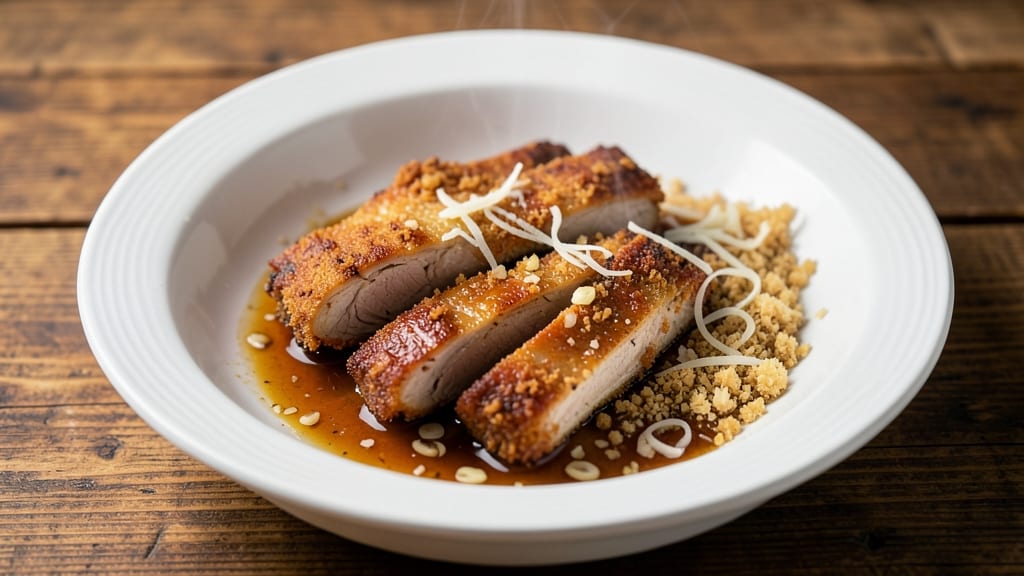
This breaded Pinoy pork chop recipe delivers the perfect balance of crispy parmesan crunch and juicy centers that Filipinos crave. Growing up, my family's version always had that golden, shatteringly crisp exterior that gave way to tender, flavorful meat inside—now I'm sharing exactly how to recreate it at home.
The secret lies in the breading technique and a quick marinade that infuses the pork with just the right amount of savory depth.
What sets this recipe apart is the combination of traditional Filipino flavors with a crispy, restaurant-quality breading. You'll start with a simple marinade of soy sauce, vinegar, and garlic that tenderizes the pork while building flavor.
Then comes the breading station: flour, beaten egg, and a mix of breadcrumbs and grated parmesan that creates that signature crispy parmesan crunch we all love. The key is frying at the right temperature to ensure the breading stays crisp while the inside remains perfectly juicy.
By the time you're done, you'll have pork chops that are golden brown and irresistibly crispy on the outside, with tender, flavorful meat that practically melts in your mouth. Serve them with garlic rice, a side of atchara, or a simple ensalada for that complete Filipino meal experience.
The crispy breading holds up beautifully, making these perfect for sharing or meal prepping.
This recipe is designed to be foolproof—no fancy techniques required, just attention to a few key steps that make all the difference. Whether you're cooking for family gatherings or a weeknight dinner, these breaded pork chops will be the star of the meal. Let's get started!
Ingredients for breaded pork chop recipe pinoy
Fourteen ingredients for that legendary Pinoy crispy-crust, juicy-inside magic you crave.
| Ingredient | Amount | Notes |
|---|---|---|
| Pork Chops 🥩 | 1 ½ lb | Bone-in, 1-inch thick cuts |
| All-Purpose Flour 🌾 | ½ cup | For dredging, sifted |
| Large Eggs 🥚 | 2 whole | Beaten for egg wash |
| Panko Breadcrumbs 🍞 | 1 ½ cups | Japanese-style for crispiness |
| Parmesan Cheese 🧀 | ½ cup | Freshly grated from block |
| Soy Sauce 🍶 | ¼ cup | For marinade, full-bodied |
| White Vinegar 💧 | 2 tbsp | For marinade, white or cane |
| Garlic Cloves 🧄 | 4 cloves | Minced for marinade |
| Canola Oil 🫒 | 2 cups | For frying, high smoke point |
| Ground Black Pepper 🌶️ | 1 tsp | Freshly cracked for heat |
| Salt 🧂 | 1 tsp | Kosher or sea salt |
| Vegetable Oil 🫒 | ¼ cup | For brushing pan |
The pork chops make or break this—bone-in, 1-inch thick cuts from the butcher section at Filipino markets or your local grocery store's meat counter. Look for good marbling and even thickness. I always ask for pork loin chops since they're leaner and hold up better to the breading. If you can't find bone-in, use boneless but pound them to even thickness. The Parmigiano-Reggiano from the deli counter is worth the splurge here—pre-grated gets clumpy and doesn't melt right.
No panko? Regular breadcrumbs toasted in a dry pan work in a pinch, but they won't be as crispy. The soy sauce should be full-bodied, not light—Kikkoman works, but Filipino brands like Silver Swan give that authentic depth. Fresh garlic is non-negotiable here—jarred minced has too much filler. For the oil, canola or vegetable oil with a high smoke point is ideal. If you're frying multiple batches, keep the oil at 350°F using a thermometer—too hot burns the breading, too cool makes it soggy.
Marinate the pork for at least 30 minutes—overnight is even better. The breading stays crispy for about 20 minutes after frying, so work quickly when serving. Store leftovers in an airtight container for 3 days in the fridge, but honestly, they reheat best when crisped up fresh in a hot pan. Freeze extras for 2 months—just thaw in the fridge before reheating. These reheat beautifully in the oven at 400°F for 10 minutes with a splash of water to revive the crunch.
Why You'll Love This Recipe
- Pantry Magic: I swear by this recipe when I forget to buy fresh herbs—just the flour, egg, and panko do the trick, but add Parmesan? That salty, nutty crunch turns it into something special. No fancy ingredients needed, just what’s already there.
- Crispy-Creamy Obsession: The secret’s in the double-dredge: flour first, then egg wash, then panko mixed with Parmesan. That first bite—crunchy outside, tender inside—makes me forget I’m eating something as simple as pork chops. Honestly, it’s the kind of texture that keeps me coming back.
- Lunchbox Hero: Between us, these reheat like a dream. Pack two the night before, and they’re still crispy enough to satisfy my kid’s lunchbox demands the next day. (Yes, even after sitting in a thermos.) No soggy breading here—just reliable, handheld goodness.
- Budget Win: A single pork chop feeds two, and the rest of the ingredients cost pennies. I make a double batch, freeze half, and pull them out for lazy nights when takeout feels too heavy. That’s right—fancy taste, zero guilt.
Step-by-step instructions for crispy parmesan pork chops
Here's how to achieve that perfect Filipino-style crunch with tender, flavorful pork every time.
Marinate the Pork Chops for Maximum Flavor
In a bowl, combine the 0.25 cup soy sauce, 2 tbsp white vinegar, and 4 cloves minced garlic cloves. Add the 1.5 lb pork chops and turn to coat completely. Let them marinate for at least 30 minutes (I prefer 2 hours for deeper flavor). This step ensures your pork stays juicy while absorbing that signature umami kick from the marinade.
Real talk: Don't skip this marinating time. The acid in the vinegar tenderizes the meat, while the soy sauce infuses that rich, savory depth we love in Filipino cooking. The garlic will mellow out during cooking, leaving just a subtle aromatic presence in every bite.
Prepare the Breading Station
Set up three shallow bowls. In the first, place the 0.5 cup all-purpose flour and mix with 1 tsp salt and 1 tsp ground black pepper. In the second bowl, crack the 2 whole large eggs and whisk until fully combined. In the third bowl, mix the 1.5 cups panko breadcrumbs with the 0.5 cup freshly grated parmesan cheese. This triple-dip method creates that signature crispy, cheesy crust.
I like to use a small plate between each bowl to catch any excess breading. The panko gives that light, airy crunch while the parmesan adds that salty, umami punch. Pro tip: Use a fine-mesh sieve for the flour to prevent lumps that could make your breading uneven.
Bread the Pork Chops for Maximum Crispiness
Remove the pork chops from the marinade (let any excess drip off) and pat them dry with paper towels. This is crucial—wet surfaces prevent proper adhesion of the breading. Starting with the flour, coat each chop evenly on all sides, tapping off excess. Dip into the egg wash, letting any excess drip off, then press into the panko-parmesan mixture, coating completely. Let them rest on a wire rack for 5 minutes while you heat your oil.
Here's the thing—don't rush this breading process. Press the breading firmly onto the meat, especially on the thickest parts. This ensures that crispy crust stays put during frying. The resting time lets the breading adhere better, preventing it from falling off when you fry.
Fry to Golden Perfection
Heat 2 cups canola oil in a large skillet over medium-high heat until it reaches 350°F (use a thermometer for accuracy). Carefully add the breaded pork chops in a single layer, being careful not to overcrowd the pan. Fry for 3-4 minutes per side until they're deep golden brown and the internal temperature reaches 145°F. The breading should be crispy and the meat should pull away from the edges easily.
Watch the color closely—this is where you get that beautiful caramelized crust. If you notice the breading browning too quickly before the meat is done, reduce the heat slightly to 325°F and cook for an additional 1-2 minutes. The oil should be shimmering but not smoking—this indicates the perfect frying temperature.
Rest and Serve with Confidence
Transfer the fried pork chops to a wire rack set over a paper towel-lined plate. Let them rest for 5 minutes before serving. This resting period is crucial—it allows the juices to redistribute throughout the meat, preventing them from pooling and making the chops soggy. Brush any remaining oil from the pan with the 0.25 cup vegetable oil to keep it clean for your next use.
Serve immediately while the breading is still crispy. Each bite should deliver that perfect contrast of crunchy parmesan crust over tender, juicy pork. The marinade's flavors will shine through, creating that authentic Filipino restaurant taste at home. Pair with steamed rice and a simple vegetable stir-fry for the complete experience.
Pro Tips For Making Breaded Pork Chop Recipe Pinoy
- PAT THE CHOPS DRY: I learned this the hard way—wet pork chops mean soggy breading. Grab paper towels and press hard on both sides before dredging in flour. The extra 30 seconds now saves you from a mushy crust later.
- USE ROOM-TEMP EGG: Crack eggs straight into a shallow bowl and let them sit for 5 minutes before dipping. Cold eggs clump and slide off the breadcrumbs, leaving gaps in your coating. Trust me, your crispy crust depends on this tiny pause.
- FRIZZLE IN BATCHES: Crowd the pan, and your pork chops steam instead of sear. Cook two at a time max, and resist the urge to move them around. Let them develop a golden crust for 3-4 minutes per side—yes, even if it looks uneven at first.
- MIX PARMESAN LAST: Tossing Parmesan into the panko mix too early makes it clump like tiny cheese rocks. Instead, sprinkle it after dredging—just before frying—so it melts slightly into the breadcrumbs for extra crunch and flavor. (Your future self will notice the difference.)
Troubleshooting this dish
Breading Falling Off
This is the most common issue, and it usually happens because the pork chops weren't dried properly or the breading wasn't pressed firmly enough. After patting the chops completely dry with paper towels, press the breading mixture into every crevice—especially the edges—using the back of a spoon or your fingers.
I like to give each chop a gentle shake over the bowl to remove any loose crumbs before frying. The resting time on the wire rack is also critical—it lets the breading set properly. 💡
Soggy Breading
If your breading loses its crispiness too quickly, you're likely frying at the wrong temperature or overcrowding the pan. Maintain the oil at a steady 350°F using a thermometer—too low makes the breading absorb oil and become greasy, while too high burns it before the meat cooks through.
Also, fry the chops in batches if needed, leaving space between them so they cook evenly without steaming. I've found that using a heavy-bottomed skillet helps maintain temperature better than thin pans. ⚡
Uneven Cooking
Thicker pork chops or uneven cuts can lead to some pieces cooking faster than others. To prevent this, pound thicker chops to an even ½-inch thickness using a meat mallet before marinating. When frying, flip the chops only once—they'll cook faster on the second side.
If you notice one side cooking faster, reduce the heat slightly to 325°F for the final minute. A meat thermometer is your best friend here—aim for 145°F internal temperature throughout. 🌡️
Oil Smoking Too Much
If your oil starts smoking excessively, it's past its optimal frying temperature. This can happen if you're frying too many chops at once or if your pan isn't large enough. For best results, use a 12-inch cast iron skillet or similar size that allows the chops to cook without touching.
If you notice smoke, immediately remove the pan from heat and let it cool slightly before continuing. I keep a small bowl of ice water nearby to help cool the oil quickly if needed—just enough to bring it back down to 350°F. 🔥
Dry or Tough Meat
Overcooking is the usual culprit here. Once your pork chops reach 145°F internal temperature, they're done—don't keep frying just because the breading looks golden. The resting time after frying is crucial for redistributing juices.
If you're worried about doneness, pull the chops out when they're slightly undercooked—they'll carry over to the perfect temperature while resting. I also recommend using a meat thermometer with an instant-read probe to check the thickest part of each chop. 💪
Nutrition facts
Frequently asked questions
Can I use boneless pork chops instead of bone-in?
Yes, but pound them to ½-inch thickness for even cooking. Bone-in chops stay juicier longer, but boneless works well too—just monitor the internal temperature closely to avoid overcooking. For extra security, use a meat thermometer to check at 145°F.
What's the secret to extra crispy breading?
Three things: panko breadcrumbs (not regular), pressing the breading firmly onto the meat, and frying at 350°F oil. Let the chops rest on a wire rack for 5 minutes before serving—this prevents steam from making the breading soggy.
Can I bake these instead of frying?
Preheat oven to 425°F, brush chops with oil, and bake for 18-20 minutes on a wire rack over a baking sheet. For extra crispiness, broil for 2-3 minutes at the end. The texture won't be as crispy as fried, but it's a great lighter alternative.
What's the best way to store leftovers?
Let them cool completely, then store in an airtight container for up to 3 days in the fridge. To revive crispiness, reheat in a 400°F oven for 10 minutes with a splash of water. For freezing, wrap individually and store for 2 months—thaw overnight in the fridge before reheating.
What sides pair best with these pork chops?
Classic Filipino pairings include garlic rice, atchara (pickled papaya), or ensalada (mixed veggies). For a complete meal, add a side of steamed greens or a simple tomato-cucumber salad. The crispy chops balance well with slightly tangy or fresh sides.