
Main Courses
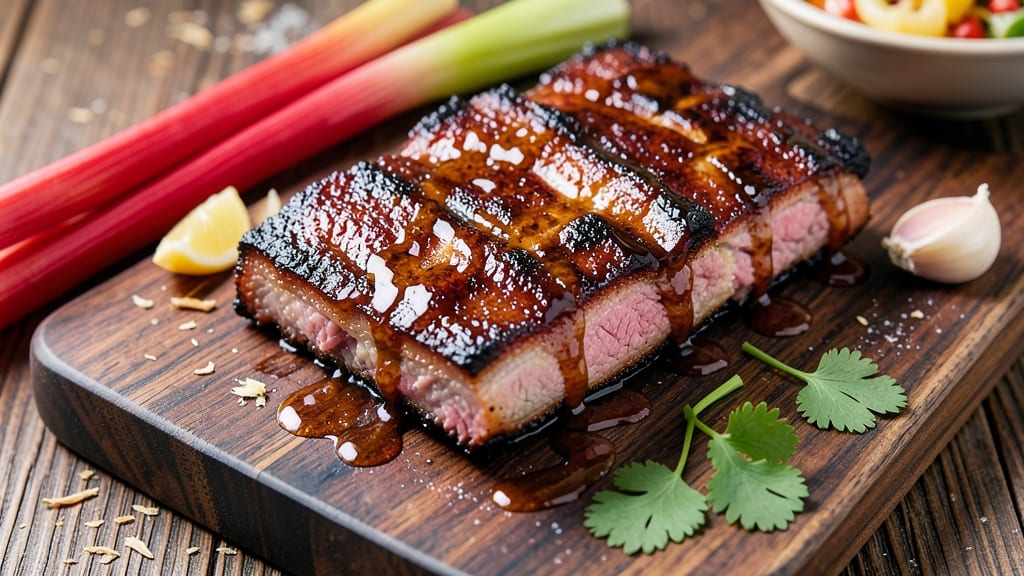
A brine recipe for smoked pork ribs transforms tough cuts into melt-in-your-mouth perfection with just a few simple ingredients and patience. The secret lies in the celery-salt brine—a time-tested method that infuses flavor deep into the meat while keeping it impossibly tender.
This isn’t just another rib recipe; it’s a foolproof technique that delivers restaurant-quality results every time, even for beginners.
The magic happens during the 24-hour brine, where salt, sugar, and aromatic vegetables work together to break down muscle fibers and lock in moisture.
After brining, the ribs hit the smoker at 225°F with a blend of hickory and applewood, creating a bark that’s crispy on the outside while staying juicy inside. The slow cook ensures even heat penetration, so no part of the rib is left dry or overcooked.
By the time you pull those ribs from the smoker, you’ll have a dish that’s fall-off-the-bone tender, with layers of smoky flavor and a crust that’s worth every bite.
The celery-salt brine adds depth without overpowering the natural taste of the pork, making it a versatile technique for any occasion—whether you’re hosting a backyard BBQ or treating yourself to a Sunday supper.
Pair the ribs with classic sides like creamy coleslaw, buttery cornbread, or a tangy vinegar-based sauce to complete the meal. The brining method works equally well for other cuts of pork, so once you master this recipe, you’ll be ready to tackle any smoked meat challenge with confidence.
Ingredients for brine recipe for smoked pork ribs
Four pounds of ribs meet twelve simple ingredients for melt-in-your-mouth perfection.
| Ingredient | Amount | Notes |
|---|---|---|
| Pork Ribs (Baby Back) 🍖 | 4 lb | Bone-in, meaty sections preferred |
| Kosher Salt 🧂 | 1 ½ cups | Diamond Crystal preferred |
| White Granulated Sugar 🍚 | ½ cup | Ensures proper moisture balance |
| Celery Stalks 🥬 | 2 whole | Fresh, cut into 2-inch pieces |
| Onion (Yellow) 🧅 | 1 whole | Quartered, skin on for color |
| Garlic Cloves 🧄 | 6 cloves | Smashed, skins left on |
| Black Peppercorns 🌶️ | 1 tbsp | Crushed, not ground |
| Bay Leaves 🌿 | 2 whole | Fresh preferred, dried works |
| Hickory Wood Chips 🌳 | 1 package | For smoker, soaked 30 minutes |
| Apple Wood Chips 🍎 | ½ package | Complements hickory flavor |
| Apple Cider Vinegar 🍶 | ¼ cup | Balances sweetness in brine |
| Water 💧 | 4 cups | Filtered preferred for clarity |
The ribs are the star, so bone-in baby backs are non-negotiable—they hold flavor better than spares. Look for cuts with good marbling and minimal fat caps at Costco or your local butcher. If you're buying frozen, thaw overnight in the fridge, never in water. The celery and onion aren't just flavor carriers—they infuse the brine with aromatic depth. Trader Joe's sells pre-cut celery bundles that save prep time, and yellow onions work better than red for this application. For the wood chips, Traeger or Cookshack brands are reliable, but any food-grade chips will do.
No kosher salt? Diamond Crystal is ideal, but Morton kosher salt works in a pinch—just measure carefully since densities vary. Running short on time? Reduce brine to 12 hours, but don't skip it entirely. The sugar can be swapped for brown sugar for deeper caramelization, though white keeps the brine clearer. Fresh bay leaves add complexity, but dried at half the amount suffices if that's all you have. The apple cider vinegar is crucial—substitute lemon juice if needed, but taste first as acidity varies. For the water, distilled or filtered prevents off-flavors, but tap water works if your pipes are clean.
This brine keeps 3 days in the fridge, but ribs should be smoked within 24 hours of brining for peak tenderness. Store in a non-reactive container with a tight seal. The wood chips can be pre-soaked in a bowl of water for 30 minutes before smoking to prevent flare-ups. Leftover brine? Strain and reduce it on the stove to make a tangy pork broth—freezes beautifully for 3 months. Always let ribs rest 15 minutes after smoking before slicing to retain juices.
Why You'll Love This Recipe
- No Chopping Chaos: I swear by this brine—just toss in whole celery stalks and an onion quarter, no dicing required. The smoker does all the work while you sip your drink, and those aromatics infuse the ribs without any fuss.
- Sweet-Savory Magic: That sugar-salt brine? It’s the secret weapon—crispy bark with tender meat that’s got this perfect balance of salty, smoky, and just a hint of caramelized sweetness. Honestly, I’ve tried fancy rubs, but this simple combo wins every time.
- Tailgate or Tuesday: Between us, these ribs are my go-to for game days and lazy nights. The brine keeps them juicy whether you’re feeding 10 people or just me and a bad movie—no excuses, just flavor.
- Budget Smoker Gold: A full pack of baby backs costs less than takeout, and this brine stretches every dollar. Plus, the leftovers? I’ll be real, they’re even better the next day—wrap them in foil, reheat, and pretend you’re a pitmaster.
Step-by-step instructions for brining smoked pork ribs
This brine transforms tough ribs into melt-in-your-mouth perfection through precise timing and flavor balance.
Prepare the Brine Mixture
In a large stockpot, combine the 4 cups water, 1.5 cups kosher salt, and 0.5 cup white granulated sugar. Bring to a boil over medium-high heat while stirring until the salt and sugar fully dissolve—this should take about 3-4 minutes. The mixture should be completely clear with no visible graininess.
Remove from heat and let cool to room temperature (about 30-45 minutes). While cooling, prepare the aromatics: cut the 2 whole celery stalks into 2-inch pieces, quarter the 1 whole yellow onion (leave skin on for color), smash the 6 garlic cloves (leave skins on), crush the 1 tablespoon black peppercorns lightly with a mortar and pestle, and tear the 2 bay leaves in half. These will infuse the brine with depth.
Submerge the Ribs in the Brine
Once the brine has cooled to room temperature, place the 4 lb baby back ribs in a large resealable plastic bag or non-reactive container. Pour the cooled brine over the ribs, ensuring they're completely submerged. Add the prepared aromatics—celery, onion, garlic, peppercorns, and bay leaves—into the bag or container with the ribs. Seal or cover tightly.
Refrigerate the ribs for 12-24 hours, turning the bag or container once or twice to ensure even exposure to the brine. This step is critical for tenderness—don't rush it. The ribs will absorb the flavorful liquid, breaking down connective tissue and creating that signature juicy texture. After 12 hours, you'll notice the ribs begin to plump slightly, a visual cue they're absorbing the brine.
Rinse and Prepare for Smoking
After brining, remove the ribs from the bag or container and rinse them thoroughly under cold water to remove excess salt and aromatics. Pat them dry with paper towels—this step is essential for achieving a crispy bark during smoking. Let the ribs sit uncovered on a wire rack in the refrigerator for 1 hour to dry completely. This drying process ensures the bark forms properly and doesn't steam.
While the ribs dry, prepare your smoker by soaking the 1 package hickory wood chips and 0.5 package apple wood chips in water for 30 minutes. This prevents them from burning and ensures a steady smoke output. Once the ribs are fully dry, you're ready to smoke them—just follow your preferred smoking method, keeping the temperature between 225-250°F for a low-and-slow cook.
Smoke the Ribs to Perfection
Place the dried ribs on the smoker, bone-side down, and smoke them for 4-5 hours until the internal temperature reaches 165°F. This is where the brine's magic shines—the ribs will hold their moisture and become fork-tender. During this time, you may need to add more wood chips to maintain a steady smoke, especially if the temperature drops.
Once the ribs reach 165°F, wrap them tightly in butcher paper (not foil) and return them to the smoker for another 1-2 hours until the internal temperature hits 203°F. The butcher paper allows the ribs to breathe while retaining moisture, creating a beautiful bark. When done, the ribs should pull apart easily with a fork and have a deep, smoky aroma. Let them rest for 10-15 minutes before serving to allow the juices to redistribute.
Pro Tips For Making Brine Recipe For Smoked Pork Ribs
- USE A 1:1 SALT-SUGAR RATIO: I learned this the hard way—too much sugar makes the brine syrupy and cloying, while too little salt leaves your ribs bland. For baby backs, stick to 1 cup kosher salt to 1 cup sugar per gallon of water, even if the recipe says otherwise. The ribs need that balance to tenderize without turning sticky.
- TRIM THE FAT CAPS FIRST: The thick white fat on baby back ribs can turn rancid in brine, making your ribs taste off. Grab a sharp knife and slice through those fat caps before submerging—it’s a little extra work, but your ribs will stay clean and flavorful. (Yes, even if you’re impatient like me.)
- BRINE COLD, NOT ROOM TEMP: I used to rush this step, dumping ribs into warm-ish brine, and they’d start cooking before I even lit the smoker. Keep everything ice-cold—fill a large container with water, add salt and sugar, then nestle the ribs in. The cold brine keeps them firm and ready for smoke.
- SKIP THE CELERY/ONION BRINE: Unless you’re making stock, chopped celery and onion in the brine just muddy the flavor and clog your smoker’s drip pan. Save those for a separate mop or rub—your ribs will taste cleaner, and your smoker won’t get gunked up. (Your future self will thank you.)
Flavor customization for this brine recipe for smoked pork ribs
Sweet Heat Balance
Adjust the brine’s sweetness by swapping ½ cup white sugar for ½ cup brown sugar—this adds caramelized depth and complements the smoky flavors beautifully. For heat lovers, add 1 tbsp cayenne pepper or 2 tbsp hot sauce directly to the brine (like Crystal or Tabasco).
I’ve found that Louisiana-style hot sauce adds a tangy kick without overpowering the ribs. 🌶️
Herb Infusions
Swap the bay leaves for fresh rosemary or thyme (1 sprig each) to add an earthy aroma, or toss in ½ cup fresh cilantro for a bright, citrusy note. For a Southern twist, add 1 tsp smoked paprika to the brine—it mimics the smoky flavor of the wood chips.
I love using Penzeys Spices for high-quality herbs and blends.
Acid Variations
Replace the apple cider vinegar with lemon juice (same amount) for a sharper tang, or try ½ cup pineapple juice for a tropical twist that pairs surprisingly well with smoked pork. For a deeper umami profile, add 1 tbsp Worcestershire sauce to the brine—it enhances the pork’s natural richness. 🍋
Spice Rub Finish
After brining, apply a dry rub before smoking for extra flavor. My go-to mix is 2 tbsp brown sugar, 1 tbsp smoked paprika, 1 tsp garlic powder, and ½ tsp black pepper.
Pat it on generously—this creates a dual-layer flavor that’s crispy, smoky, and perfectly seasoned. For a sweeter bark, increase the sugar to 3 tbsp.
Wood Chip Swaps
Experiment with different wood blends for unique flavors. Cherry wood adds a fruity sweetness, while pecan wood offers a nutty depth. For a bolder smoke, use 100% hickory instead of the applewood mix.
I recommend Traeger’s wood chips for consistent quality—just soak them for 30 minutes before smoking to prevent flare-ups.
Make-Ahead Brine
Prepare the brine 24 hours ahead and store it in the fridge—it actually tastes better as the flavors meld. If you’re short on time, reduce the brine to 12 hours, but don’t skip it entirely.
For leftovers, strain the brine and reduce it on the stove to make a pork broth—freeze it for up to 3 months for future use. This is a game-changer for meal prep! ⏰
Nutrition facts
Frequently asked questions
Can I use this brine recipe for other cuts of pork?
This celery-salt brine works wonderfully on pork shoulder, pork chops, or even pork tenderloin. For pork shoulder, increase brining time to 36-48 hours for maximum tenderness. Just adjust the water and salt ratio to match the weight of your meat—1 cup kosher salt per gallon of water is a good baseline. The aromatics (celery, onion, garlic) will enhance any cut.
What if I don't have time for a full 24-hour brine?
You can still get great results with a 12-hour brine, though 24 hours is ideal for maximum tenderness. For a quick version, dissolve 1 cup kosher salt in 4 cups hot water, let cool, then submerge the ribs for 6-8 hours. This "quick brine" won't be as flavorful but will still improve moisture retention. Never skip brining entirely—it's what makes smoked ribs exceptional.
Why do my ribs turn out dry after smoking?
Dry ribs usually happen from one of three mistakes: skipping the rest time, not wrapping in butcher paper, or cooking past 203°F. Always let ribs rest 10-15 minutes after smoking, and wrap them in butcher paper (not foil) when they hit 165°F. Use a meat thermometer—never guess! If ribs seem dry, try increasing your smoke temperature slightly to 250°F for faster cooking and less moisture loss.
Can I reuse the brine for another batch of ribs?
No, you should never reuse brine—it becomes contaminated with bacteria from the meat. However, you can strain and reduce the used brine to make a flavorful pork broth! Simmer the liquid on the stove until reduced by half, then strain out any solids. This broth freezes beautifully for up to 3 months and makes an excellent base for soups or sauces. Just don't reuse it directly on raw meat.
What's the best wood choice for smoking ribs?
The classic combination is hickory and applewood—hickory for bold smoke and applewood for sweetness. For milder flavor, try cherry or pecan wood. Avoid softwoods like pine, as they can make the meat taste bitter. Always soak wood chips for 30 minutes before using to prevent flare-ups. If you're new to smoking, start with 100% applewood—it's the most forgiving for beginners.