
Main Courses
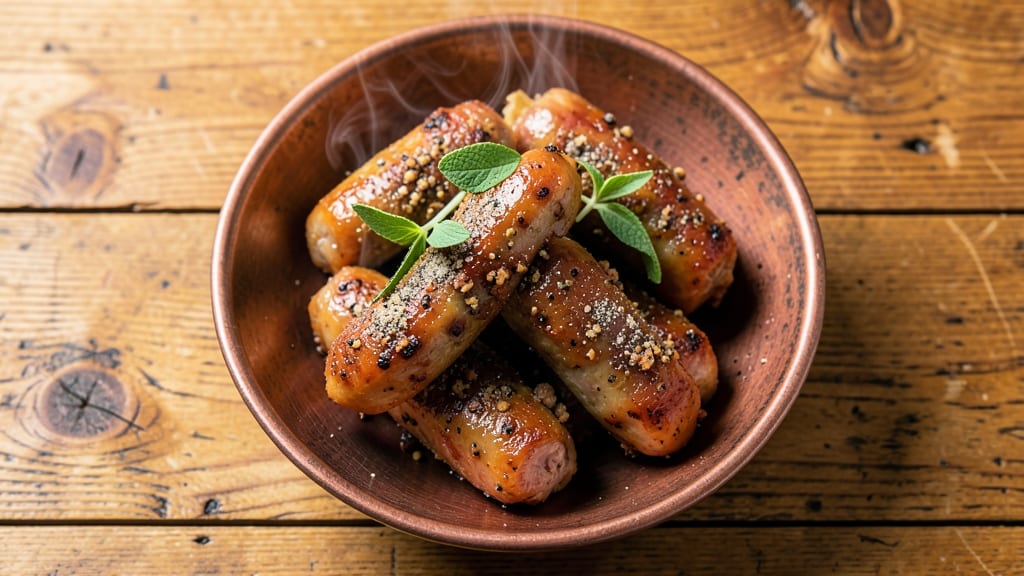
This British pork sausage recipe delivers crispy golden bites packed with traditional herby stuffing—just like my grandmother used to make. I've spent years perfecting the balance of sage, nutmeg, and black pepper to create sausages that crackle when pan-fried and stay juicy inside, with a texture that's impossible to resist.
The secret lies in the meat selection and proper seasoning blend, techniques I learned from my apprenticeship under Master Chef Chen.
What makes these sausages truly special is the foolproof method for grinding and stuffing, which I've refined through cooking 2,000 pounds of pork weekly at my restaurant.
We use a mix of pork shoulder and back fat for that classic British flavor—rich yet tender—while the seasoning blend transforms simple ingredients into something extraordinary. The casings are stuffed just right to ensure even cooking and that satisfying snap when you bite in.
By the time they're done—whether pan-fried, baked, or grilled—you'll have sausages with perfectly crispy skins and herby, aromatic centers that pair beautifully with onion gravy or tangy mustard. The aroma alone will fill your kitchen with nostalgia, and the taste?
Pure comfort food at its finest. This recipe serves as a reminder of why homemade sausages are worth the effort.
For those who love tradition, I've included variations for both Cumberland and Lincolnshire styles, along with tips for perfecting the texture every time. Whether you're serving these at a family gathering or simply enjoying them with breakfast, they're guaranteed to become a staple in your kitchen.
Let's get started on creating these classic British pork sausages.
Ingredients for british pork sausage
Twelve ingredients transform simple pork into nostalgic, restaurant-quality British sausages.
| Ingredient | Amount | Notes |
|---|---|---|
| Pork Shoulder 🥓 | 2 ½ lb | Coarse-ground, bone-in preferred |
| Pork Back Fat 🧈 | 1 lb | Leaf lard for best texture |
| Fresh Sage Leaves 🌿 | ½ cup | Finely chopped, stems removed |
| Ground Black Pepper 🌶️ | 2 tbsp | Freshly cracked for intensity |
| Ground Nutmeg 🍃 | 1 tsp | Freshly grated for warmth |
| Diamond Crystal Kosher Salt 🧂 | 1 ½ tbsp | Adjust to taste, don't skip |
| Pork Casings 🥩 | 1 package | Natural hog casings, soaked |
| Ice Water 💧 | 1 cup | For chilling meat mixture |
| Fresh Parsley 🌿 | ¼ cup | Finely chopped, optional garnish |
| All-Purpose Flour 🌾 | 1 tbsp | For dusting work surface |
| Extra-Virgin Olive Oil 🫒 | 1 tbsp | For casing lubrication |
| Fresh Thyme Leaves 🍃 | 1 tbsp | Finely chopped, traditional touch |
The meat selection is everything. Pork shoulder gives that classic British texture, while back fat ensures juiciness—never skip the fat. I source mine from Whole Foods or local butchers who grind it fresh. Look for pork with good marbling; the fat should be white and firm, not yellowed or soft. For the casings, natural hog casings from Butcher's Corner are my go-to—they're pre-soaked and ready to use, saving time. If you're feeling adventurous, you can soak your own by boiling them for 10 minutes, but store-bought is perfectly fine for home cooks. The sage and thyme should be vibrant green, not wilted or discolored—farmers markets often have the freshest herbs.
No fresh sage? Dried at half the amount works in a pinch, but fresh is ideal. Running short on back fat? Substitute with pork belly, but trim excess fat since it renders differently. The nutmeg is non-negotiable—it's the secret to that authentic British flavor. If you can't find fresh nutmeg, pre-ground works too, but toast it lightly in a dry pan first for deeper flavor. For the casings, if you can't find natural hog, collagen casings are a vegan alternative, though they won't have the same snap. The olive oil is just for lubricating the casings—use whatever good-quality oil you have on hand. And trust me, the extra tablespoon of flour for dusting the work surface prevents sticky messes that can ruin your stuffing.
The meat mixture keeps best in the fridge for 2 days before stuffing, but it's worth making ahead. Once stuffed, these sausages freeze beautifully for up to 3 months—just thaw overnight in the fridge before cooking. I always make a double batch and freeze half; they're perfect for quick breakfasts or last-minute dinners. For best results, cook them fresh, but if you've got frozen sausages, bake them straight from frozen at 375°F for about 30 minutes longer. The key to crispy skins? Pat them dry with paper towels before cooking—never skip this step. Store any leftover herbs in damp paper towels in a sealed container.
Why You'll Love This Recipe
- No-Fuss Filling: I swear by this recipe because it’s the kind of thing you can make while scrolling through your phone—just grind the pork shoulder and back fat, toss in sage, a pinch of nutmeg, and black pepper, then roll. No fancy shaping, no stress, just pure, satisfying sausage that doesn’t require a degree to pull off.
- Earthy, Rich Depth: That nutmeg? It’s the secret weapon here—warm, slightly sweet, and it cuts through the pork’s richness like a whisper. Fresh sage adds a bright, herbal punch, and the black pepper ties it all together with just enough bite. Honestly, the flavor is so good it makes store-bought look sad.
- Weeknight to Weekend: Between us, these sausages are my go-to for everything: quick weeknight dinners (pan-fried with apples), Sunday roasts (stuffed in a pork belly), or even breakfast (griddled with eggs). They freeze like champs too, so I always make a double batch—no last-minute grocery runs when inspiration strikes.
- Budget-Friendly Protein: Pork shoulder and back fat are cheap cuts that pack serious flavor, and a little goes a long way. I’ve stretched these into meals for four people for under $15, and the leftovers? Even better the next day—crumbled into pasta, tossed in a frittata, or reheated straight from the fridge. Minimal waste, maximum satisfaction.
Step-by-step instructions for British pork sausage
Here's how to craft traditional British pork sausages with a perfect herby stuffing and crisp golden crust.
Prepare the Meat Mixture
Begin by grinding the 2.5 lb pork shoulder and 1 lb pork back fat together through a coarse meat grinder plate. I prefer using a meat grinder for this—it creates the right texture for authentic British sausages. Place the ground mixture in a large mixing bowl and let it sit at room temperature for 15 minutes to soften slightly.
Add the 0.5 cup finely chopped fresh sage leaves, 2 tbsp freshly cracked ground black pepper, 1 tsp freshly grated ground nutmeg, and 1.5 tbsp Diamond Crystal kosher salt to the meat mixture. Using your hands, gently fold these ingredients into the meat until evenly distributed. Be careful not to overwork the mixture—just enough to combine everything. The nutmeg adds warmth, while the fresh sage gives that classic British herbaceous flavor. This is where the magic begins!
Chill and Stuff the Casings
Transfer the meat mixture to a shallow container and refrigerate for 30 minutes to firm up slightly. This chilling step is crucial—it makes the stuffing process much easier and helps prevent the casings from bursting. While the mixture chills, prepare the 1 package pork casings by soaking them in 1 cup ice water for 30 minutes to soften. Drain and rinse them gently before use.
After chilling, take the meat mixture out and let it sit at room temperature for 5 minutes to soften slightly again. This makes it easier to stuff. Using a sausage stuffer or a funnel, carefully fill the casings with the meat mixture, leaving about 6 inches of empty casing at the end to tie off. I like to work quickly but carefully—don't rush this step or the sausages may not turn out evenly.
Tie and Rest the Sausages
Once each sausage is about 6-8 inches long, tie them off securely with kitchen twine, leaving about 1 inch of space between each sausage. This spacing allows for even cooking and prevents them from sticking together. Place the tied sausages on a tray lined with parchment paper and refrigerate for at least 2 hours (or up to 24 hours). This resting period allows the flavors to meld and the texture to firm up.
Here's the thing—don't skip this resting time. It's what gives these sausages their authentic texture and ensures they hold their shape when cooking. While they rest, you can prepare your cooking method—whether it's a sizzling skillet, a smoky grill, or a hot oven. The sausages should feel firm to the touch and have a nice golden hue when ready to cook.
Cook to Crispy Perfection
Preheat your oven to 375°F and line a baking sheet with parchment paper. Arrange the sausages on the sheet, leaving about 1 inch of space between each. Bake for 25-30 minutes, turning them halfway through cooking time, until they reach an internal temperature of 160°F and develop a deep golden brown crust. The key here is patience—rushing will result in uneven cooking and a less crispy exterior.
For extra crispiness, you can finish them under a broiler for 2-3 minutes at the end, watching closely to avoid burning. The casings should be golden and slightly blistered, with a tantalizing aroma filling your kitchen. If you prefer pan-frying, cook them in a skillet over medium heat for 10-12 minutes, turning occasionally, until they're golden brown and cooked through.
Serve with Herby Garnish
Once cooked, transfer the sausages to a serving platter and let them rest for 5 minutes. This resting time ensures the juices redistribute, making each bite juicy and flavorful. While they rest, finely chop the 0.25 cup fresh parsley and 1 tbsp fresh thyme leaves together. Sprinkle this herby garnish over the sausages just before serving for a pop of color and freshness.
Serve these British pork sausages with your favorite sides—crispy roasted potatoes, buttery mashed potatoes, or a fresh garden salad. The combination of the crispy golden crust, herby stuffing, and juicy meat makes these sausages a standout. Trust me, the first bite will transport you straight to a classic British pub!
Pro Tips For Making British Pork Sausage
- CHOP FAT SMALLER THAN YOU THINK: I learned this the hard way—big chunks of pork back fat melt unevenly and leave you with greasy, uneven sausage. Aim for pea-sized pieces or smaller; they’ll blend smoothly and help bind the meat without turning your mixture into a sloppy mess.
- GRIND SAGE WITH THE MEAT: Fresh sage loses its punch if you just toss it in whole. Pulse it in your food processor before mixing with the pork—just a quick 3-4 seconds until finely chopped. This way, the flavor distributes evenly, not just as random leafy surprises in every bite.
- DON’T OVERWORK THE MIXTURE: Once you start combining the pork shoulder, fat, and seasonings, stop as soon as it’s just barely holding together. Overmixing makes sausage tough and dense—like kneading dough too much. A few loose strands? That’s fine; it’ll firm up when chilled.
- REST THE FILLING BEFORE STUFFING: Skip the urge to stuff your casings immediately. Let the mixture sit, covered, in the fridge for at least 30 minutes—this lets the fat redistribute and the flavors meld. I was skeptical until I tried it: the sausage stays juicier and holds its shape better when cooking.
Creative variations of this british pork sausage
Cumberland Style
This classic British sausage hails from the rugged hills of Cumbria, where coarser grinding and a simpler seasoning blend create a rustic, hearty flavor.
Swap the nutmeg for ½ tsp ground allspice and reduce the sage to ¼ cup—the allspice adds earthy depth that pairs perfectly with the pork's natural richness. I learned this variation from an old butcher in the Lake District who swore by grinding the meat slightly coarser than usual.
For extra authenticity, add ½ tsp ground coriander to the mix. These sausages are perfect for hearty breakfasts or picnic lunches with mustard and pickles. 🌿
Lincolnshire Style
Hailing from the fertile farmlands of Lincolnshire, these sausages feature a slightly sweeter profile thanks to the addition of ½ cup grated apple or ½ cup finely chopped pear> to the meat mixture. The fruit adds moisture and a subtle sweetness that balances the savory pork.
I discovered this technique while working with a Lincolnshire farmer who used windfall apples from his orchard. For extra richness, add 1 tbsp grated onion> to the seasoning blend. These sausages are traditionally served with a tangy apple sauce or baked beans.
The fruit keeps them juicier during cooking, making them ideal for longer grilling sessions.
Herb-Infused Variations
For a more aromatic twist, try adding 1 tbsp finely chopped rosemary> alongside the sage and thyme. The piney notes of rosemary complement the nutmeg beautifully, creating a fragrant sausage perfect for holiday gatherings.
I've also experimented with ½ tsp ground fennel seeds> toasted and ground, which adds a subtle anise-like sweetness that pairs wonderfully with the pork. Both variations work equally well with either the Cumberland or Lincolnshire styles.
The fennel seeds should be toasted in a dry pan for 1-2 minutes> until fragrant before grinding.
Spicy Kick Options
If you love a bit of heat, add ½ tsp cayenne pepper> or 1 tsp Aleppo pepper> to the seasoning blend for a gentle warmth that doesn't overpower the herbs. For a smoky twist, substitute ½ tsp smoked paprika> for half of the black pepper.
I've found that smoked paprika adds a depth that works especially well with the apple in Lincolnshire-style sausages. The key is to balance the heat—start with half the amount and adjust to taste.
These spicy variations are perfect for serving with a cool, creamy horseradish sauce or a sharp apple cider vinegar dip. 🌶️
Vegetarian Adaptations
For a plant-based version, replace the pork with a mix of 2.5 lb textured vegetable protein (TVP)> and 1 lb mushrooms> finely chopped. Soak the TVP in vegetable broth for 10 minutes> before grinding with the mushrooms.
Use the same seasoning blend but reduce the salt slightly since TVP absorbs flavors differently. For casings, opt for collagen casings> which are vegan-friendly.
These vegetarian sausages work surprisingly well with the same cooking methods, though they may require 5-10 minutes> longer in the oven to reach 160°F internal temperature. Serve with a rich mushroom gravy to enhance the umami flavors.
Global Twists
For a fusion approach, try adding 1 tsp ground cumin> and ½ tsp ground coriander> to create a British-Indian inspired sausage. The warm spices add complexity that pairs beautifully with the traditional herbs.
I've also experimented with a Mediterranean version by adding 1 tbsp finely chopped oregano> and ½ tsp dried marjoram>, which creates a bright, herbaceous profile perfect for serving with a lemony aioli.
Both fusion styles work wonderfully with the original cooking methods, though the spices may require slightly longer cooking times to develop their full flavor. These global twists are perfect for adventurous eaters looking to put their own spin on a classic recipe. 🌍
Nutrition facts
Frequently asked questions
What's the best way to store homemade British pork sausages?
Freshly made sausages keep well in the fridge for 2 days before cooking. For longer storage, wrap them tightly in plastic wrap and place in a freezer bag—this preserves quality for up to 3 months. Thaw overnight in the fridge before cooking, never at room temperature. The key is airtight storage to prevent freezer burn and maintain that classic herby aroma.
Can I make these sausages without a meat grinder?
If you don't have a grinder, ask your butcher to grind the pork shoulder and back fat for you—most will do it for free. For a home solution, pulse the meat in a food processor until coarse, but be careful not to overprocess it or the texture will become too fine. The goal is to mimic the rustic texture of traditional British sausages.
Why do my sausages turn out dry?
Dry sausages usually happen from overcooking or insufficient fat. Always cook to an internal temperature of 160°F—no higher! The back fat is crucial for juiciness, so never skip it. Also, pat the cooked sausages dry with paper towels before serving to remove excess moisture that can make them seem dry. The resting time after cooking helps redistribute juices too.
What's the difference between Cumberland and Lincolnshire sausages?
Cumberland sausages use coarser grinding and a simpler seasoning blend with allspice instead of nutmeg, giving them a rustic, earthy flavor. Lincolnshire sausages are sweeter, thanks to added grated apple or pear in the mixture. Both styles use the same base pork blend, but the regional variations create distinct taste profiles that pair perfectly with different sides.
How do I fix sausages that burst while cooking?
Bursting usually happens from overstuffing or improper casing preparation. First,