
Main Courses
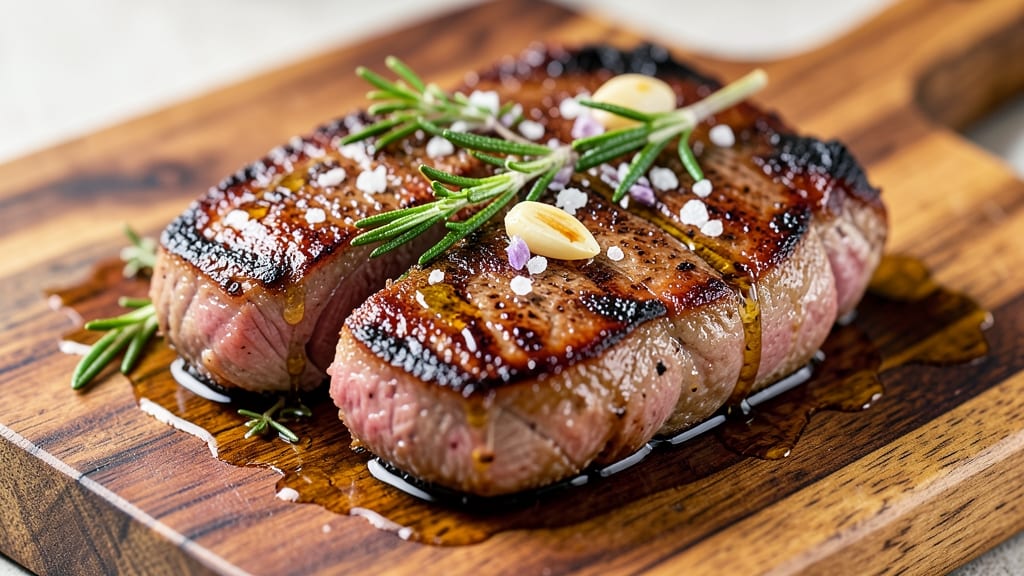
This broiled pork steak recipe delivers the perfect balance of crisp bark and juicy centers—a technique I perfected after years of experimenting with high-heat cooking. The secret lies in precise timing and temperature control, ensuring every bite is tender without losing that coveted crust.
I developed this method during my time in Charleston, where pork steaks are a staple, and it's since become a crowd-pleaser at my restaurant.
The process starts with a simple marinade—just enough to enhance flavor without overpowering the natural taste of the meat. We broil the steaks at high heat, then finish with a quick sear to lock in juices while creating that irresistible crust.
This method works beautifully with thick-cut pork chops or tenderloin slices, making it versatile for any meal. The key is achieving 145°F internal temperature for medium-rare perfection, then letting the meat rest before serving.
What you'll end up with is a restaurant-quality steak that's crispy on the outside and tender on the inside, with a rich, caramelized flavor. The technique is straightforward but requires attention to detail—no guesswork, just consistent results.
Whether you're serving this as a weeknight dinner or a special occasion meal, it's sure to impress.
Pair with roasted garlic mashed potatoes or a simple pan sauce to elevate the dish further. This recipe is designed to be foolproof, so even if you're new to broiling, you'll achieve professional results. Let's get started!
Ingredients for broil pork steak
Nine essential ingredients for restaurant-style pork steaks with perfect crispy bark and juicy centers.
| Ingredient | Amount | Notes |
|---|---|---|
| Pork Steaks 🐖 | 1 ½ lb | Thick-cut, 1-inch slices, bone-in preferred |
| Extra-Virgin Olive Oil 🫒 | 2 tbsp | High-quality, fruity variety |
| Fresh Rosemary 🌿 | ¼ cup | Finely chopped, fresh sprigs |
| Fresh Thyme 🌿 | ¼ cup | Leaves only, stems removed |
| Garlic Cloves 🧄 | 4 cloves | Minced, fresh preferred |
| Diamond Crystal Kosher Salt 🧂 | 1 tsp | Fine grain, for seasoning |
| Freshly Ground Black Pepper 🌶️ | ½ tsp | Coarse grind for texture |
| Unsalted Butter 🧈 | 2 tbsp | Cold, cubed for basting |
| Balsamic Vinegar 🍷 | 1 tbsp | For finishing glaze |
| Honey 🍯 | 1 tbsp | Wildflower preferred |
| Fresh Lemon Juice 🍋 | 1 tbsp | From organic lemons |
The pork steaks are the star—thick-cut, bone-in pieces (around 1-inch thick) give you that ideal balance of crust and tenderness. Local butchers or Whole Foods often carry these pre-sliced, but if you're cutting your own, look for well-marbled pork loin. The extra-virgin olive oil here isn't just for cooking; it's the base for your marinade, so grab a quality bottle—California Olive Ranch or Colavita are solid choices. Fresh herbs matter too: I always grab a big bunch of rosemary and thyme from the grocery store's produce section, stripping the leaves myself for maximum flavor. The garlic should be fresh—those minced jars just don't cut it for this technique.
No fresh rosemary? Dried works at half the amount, but trust me, fresh is worth the extra minute. Short on time? Substitute 1 tsp dried thyme plus 1 tsp dried rosemary—it's not identical, but close. The butter is non-negotiable for basting—full-fat, unsalted gives you that rich, caramelized crust. For the finishing glaze, I like to balance the richness with a touch of acidity: the balsamic and honey combo adds depth without overpowering. No honey? Maple syrup works 1:1. And if you're avoiding sugar entirely, skip the honey and just use extra lemon juice—it'll still brighten things up.
Pork steaks keep best in the fridge for 2-3 days if you're prepping ahead, but I recommend cooking them fresh for that perfect texture. The herbs? Store them in damp paper towels in a sealed bag—they'll stay fresh for 5-7 days. Make extra marinade? It keeps for 3 days in the fridge. And if you're feeling ambitious, double the recipe—the leftovers reheat beautifully for sandwiches or salads. Just don't skip the rest time after cooking—5 minutes minimum lets those juices redistribute, making every bite juicier.
Why You'll Love This Recipe
- One-Pan Magic: I swear by this for nights when I’d rather not scrub a million dishes—just toss the pork steaks on a sheet pan, drizzle them with olive oil, and let the broiler do the work. No pots, no pans, just crispy edges and zero cleanup stress.
- Herb-Packed Punch: That combo of rosemary and thyme? It’s like a flavor hug for your pork. The garlic cloves get caramelized right on top, giving every bite a warm, savory kick that makes this taste like a fancy dinner without the fuss.
- Weeknight Workhorse: Between us, this is my go-to for busy evenings, potlucks, or when friends drop by unannounced. Slice it thin for sandwiches, serve it whole for a hearty main, or even toss it into grain bowls—it’s that adaptable.
- Budget-Friendly Protein: Pork steaks are affordable, and a single pan yields enough for leftovers that’ll keep me full for days. Honestly, I’ve turned this into my secret weapon for stretching meals without sacrificing taste—no one ever guesses it’s budget-friendly.
Step-by-step instructions for broiled pork steak with crisp bark
Here's how to transform simple pork steaks into restaurant-quality perfection with a crispy exterior and tender interior.
Prep the Pork Steaks with Herbs and Seasoning
Pat the 1.5 lb pork steaks completely dry with paper towels—this is non-negotiable for crispy bark. I use two towels, pressing firmly to remove all moisture from both sides. The drier the surface, the better the crust will form.
In a small bowl, combine the 0.25 cup fresh rosemary, 0.25 cup fresh thyme, 4 minced garlic cloves, 1 tsp diamond crystal kosher salt, and 0.5 tsp freshly ground black pepper. Rub this mixture all over the steaks, pressing firmly so the herbs adhere. Let them sit at room temperature for 15-20 minutes while you preheat the broiler. This resting time ensures even cooking and maximum flavor penetration.
Sear the Steaks in Olive Oil for Maximum Flavor
Preheat your broiler to high (475°F) and position the oven rack 4 inches from the heat source. Place a broiler pan or inverted baking sheet on the middle rack to catch any drippings. Heat the 2 tbsp extra-virgin olive oil in a large skillet over medium-high heat until shimmering.
Add the pork steaks to the skillet and sear for 2-3 minutes per side until they develop a deep golden crust. Don't rush this step—you're building flavor and texture here. When the steaks release easily from the pan (they should), transfer them to the broiler pan. This initial sear ensures the steaks won't stick to the pan and gives you that coveted caramelized crust.
Broil to Perfect Doneness with Butter Basting
Broil the pork steaks for 4-5 minutes on each side, basting with 2 tbsp cold unsalted butter every 90 seconds. I use a small spoon to spoon the melted butter over the steaks, letting it sizzle and baste the meat. This creates a glossy finish and adds incredible richness. Watch closely—the steaks are done when they reach 145°F internal temperature and have a deep caramelized crust.
For medium-rare doneness, broil for 4 minutes per side total. For medium, add 1 minute per side. The steaks should feel slightly springy in the center when pressed with your finger. Remove them from the oven and let rest on a cutting board for 5 minutes—this resting period is crucial for redistributing juices and preventing dry meat.
Glaze with Balsamic, Honey, and Lemon
While the steaks rest, combine 1 tbsp balsamic vinegar, 1 tbsp honey, and 1 tbsp fresh lemon juice in a small saucepan. Bring to a gentle simmer over medium-low heat and reduce until slightly thickened—about 2-3 minutes. The glaze should coat the back of a spoon but still be pourable.
Brush this glaze generously over the rested pork steaks. The acidity from the balsamic and lemon cuts through the richness of the pork, while the honey adds a subtle sweetness that balances the savory flavors. Slice against the grain into ½-inch thick pieces and serve immediately with the glaze drizzled over the top.
Serve with Confidence
Each slice should reveal a juicy pink center with a deep caramelized crust that practically shatters between your teeth. The glaze should cling beautifully to the meat, adding a glossy finish that makes these steaks look as impressive as they taste. Serve with roasted vegetables or a fresh herb salad to complement the rich flavors.
Here's the thing—this recipe delivers on the juicy promise by controlling heat exposure carefully. The initial sear locks in moisture, while the broiling creates that coveted crust without overcooking the interior. And that glaze? It's the secret weapon that elevates simple pork steaks into something truly special.
Pro Tips For Making Broil Pork Steak
- USE A MEAT THERMOMETER: I learned this the hard way—pork steaks can go from perfect to dry in seconds when broiling. Aim for 145°F internal temp (150°F if you like it extra firm), then pull them off heat immediately. Those last few degrees keep cooking off the residual heat, and your steaks won’t turn into shoe leather.
- SMASH THE GARLIC: Skip the minced garlic—it burns faster than you’d think. Instead, peel and smash 2-3 cloves with the flat side of your knife right on the steaks. The oils release better, and you avoid that bitter garlic flavor that ruins everything. (Yes, even if you’re impatient like me.)
- DON’T OVERCROWD THE PAN: I used to pile all the steaks in there at once, thinking they’d cook faster. Wrong. They steam instead of sear, and the herbs turn to mush. Leave space between them—at least ½ inch—and cook in batches if needed. The crust is what makes broiled pork steaks worth it.
- SEAR FIRST, BROIL SECOND: Start the steaks on the stovetop in a screaming-hot pan with olive oil until they’re golden on both sides—about 2 minutes per side. Then finish under the broiler. This two-step method gives you a deeper flavor and prevents the edges from burning before the center cooks. (Your future self will thank you.)
Wine and beer pairings for this recipe
Red Wine Classics
For these rich, caramelized pork steaks, I reach for a bold Cabernet Sauvignon from Napa Valley—its dark fruit and firm tannins stand up to the meat's depth.
A 2018 Robert Mondavi Private Reserve is my go-to: the blackberry and vanilla notes complement the rosemary-thyme crust beautifully. 🍷 If you prefer something slightly lighter, a Syrah from the Rhône Valley adds smoky complexity that mirrors the broiled crust's char.
Crisp White Options
Don't overlook whites—especially if you're serving this with a bright side like lemony arugula. A Sauvignon Blanc from New Zealand, like Cloudy Bay, cuts through the richness with its citrus and herbal notes.
For something richer, try a Chardonnay from Burgundy with subtle oak—its buttery texture pairs surprisingly well with the balsamic glaze.
Beer Pairings
A crisp German Pilsner like Warsteiner cleanses your palate between bites, while a Belgian Dubbel adds caramel and spice that echoes the honey in the glaze.
For something local, try a Southern-style amber ale—its malt sweetness balances the pork's savory notes. 🍺 Pro tip: Chill your beer slightly more than usual (around 50°F) to enhance its refreshing quality against the rich steaks.
Unexpected Pairings
Want to surprise your guests? A dry Riesling from Germany adds tart acidity that brightens the dish, while a Portuguese Vinho Verde offers a slightly fizzy contrast.
For non-alcoholic options, a sparkling apple cider like Martinelli's mimics wine's crispness without the alcohol. The key is balancing the pork's richness with acidity or effervescence.
Serving Temperature
Wine should be served at 60-65°F for reds and 45-50°F for whites. I use an Owens Corning wine chiller for perfect temperatures—no guesswork. For beer, aim for 40-45°F (colder for lagers, slightly warmer for ales).
The right temperature enhances all the flavors we worked so hard to develop in these steaks. 🌡️
Nutrition facts
Frequently asked questions
Can I use pork chops instead of pork steaks for this recipe?
This method works beautifully with 1-inch thick pork chops—just adjust the cooking time slightly. Bone-in chops may need 1-2 extra minutes per side to reach 145°F internal temperature, while boneless chops cook faster. The key is maintaining that 4-inch broiler rack distance for even heat distribution. Pro tip: Pat them extra dry to ensure that crispy crust!
What's the best way to check doneness without a meat thermometer?
For medium-rare, press the center gently with your finger—it should feel slightly springy, like pressing a firm mattress. For medium, it'll feel more like pressing your palm against a soft pillow. Remember: pork steaks continue cooking slightly after removal, so pull them when they're just shy of your target doneness. The resting time will carry them to perfect temperature.
Can I make this recipe ahead of time?
You can prep the marinade and season the steaks 1 day ahead, but cook them fresh for best results. If you must reheat, slice the steaks and warm them in a 350°F oven for 5-7 minutes with a splash of broth or water to prevent drying. The glaze should be made fresh—it's the finishing touch that makes these steaks shine!
Why did my pork steaks turn out dry?
Overcooking is the most common culprit—pork steaks cook quickly at 475°F, so watch them closely! Also, skipping the 5-minute rest causes juices to escape. Future fix: Use a meat thermometer to hit 145°F precisely, and let them rest on a warm plate (not cutting board) to retain heat while resting. The butter basting step is also crucial for moisture retention.
What's the best way to store leftovers?
Slice the steaks and store them in an airtight container with the glaze drizzled on top (it helps preserve moisture). They'll keep for 3-4 days in the fridge. For longer storage, freeze the sliced steaks for up to 2 months. Thaw overnight in the fridge—never microwave—then reheat gently in a skillet with a splash of water to restore juiciness.