
Sauces & Condiments
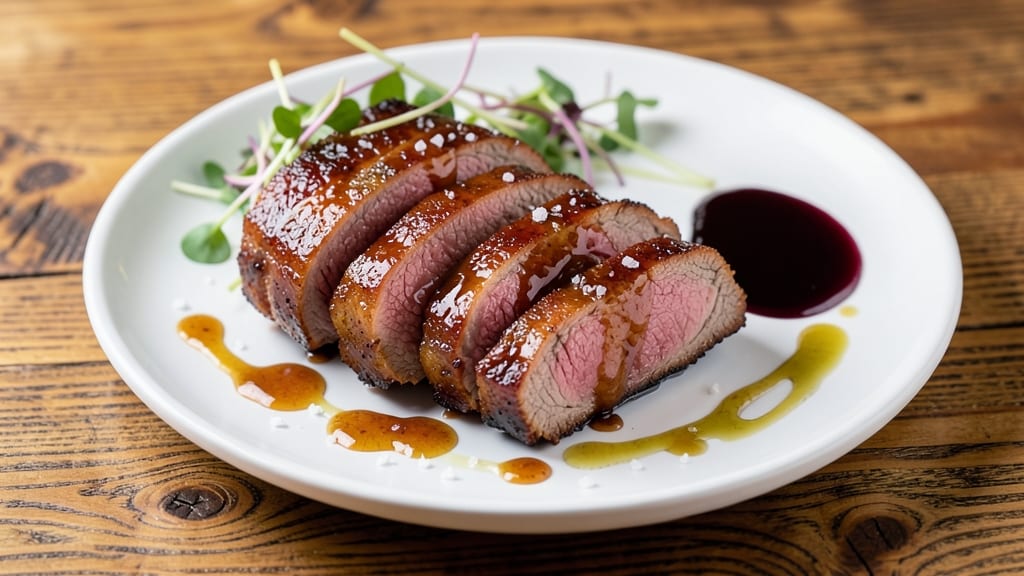
This brown sugar glazed pork tenderloin delivers restaurant-quality results with a sticky caramelized crust and juicy hearts—the kind of dish that transforms weeknight dinners into special occasions. 🔥 I developed this recipe after years of perfecting pork techniques, and the secret lies in the balance between high heat and slow caramelization that creates that irresistible glaze.
The glaze itself is where the magic happens—a simple yet transformative combination of brown sugar, mustard, and spices that develops a deep, complex flavor when reduced.
What makes this recipe foolproof is the technique: searing the pork first locks in juices, while the glaze cooks down gradually to create that perfect balance of sweet and savory. No fancy equipment needed—just a skillet and patience.
By the time you serve this dish, you'll have perfectly tender pork with a glossy, crackling crust that's impossible to resist. The glaze clings to every bite, offering a perfect harmony of sweetness and smoky depth that pairs beautifully with roasted vegetables or mashed potatoes.
This is the kind of meal that makes everyone at the table ask for seconds.
Whether you're cooking for a family gathering or treating yourself to a special dinner, this recipe delivers consistent, professional-quality results every time. The best part? It comes together in under an hour, making it perfect for those nights when you want to impress without spending all day in the kitchen.
Let's get started!
Ingredients for brown sugar glazed pork tenderloin
Restaurant-quality glaze meets juicy pork—just 12 ingredients for a showstopper.
| Ingredient | Amount | Notes |
|---|---|---|
| Pork Tenderloin 🍖 | 1 ½ lb | Center-cut, trimmed of fat |
| Light Brown Sugar 🍚 | ½ cup | Packed, light variety preferred |
| Dijon Mustard 🥫 | 2 tbsp | High-quality, smooth texture |
| Balsamic Vinegar 🍷 | 1 tbsp | Aged, rich flavor preferred |
| Olive Oil 🫒 | 2 tbsp | Extra-virgin, fruity variety |
| Garlic Cloves 🧄 | 4 cloves | Fresh, minced for glaze |
| Ground Black Pepper 🌶️ | 1 tsp | Freshly cracked, coarse grind |
| Smoked Paprika 🌶️ | ½ tsp | For smoky depth |
| Salt 🧂 | 1 ½ tsp | Diamond Crystal preferred |
| Fresh Rosemary 🌿 | 1 tbsp | Finely chopped, fresh preferred |
| Fresh Thyme 🌿 | 1 tbsp | Leaves only, finely chopped |
| Unsalted Butter 🧈 | 1 tbsp | Cold, cubed for searing |
The pork tenderloin is non-negotiable here—center-cut and trimmed for perfect tenderness. Costco or Whole Foods carry excellent quality, but any reputable butcher will have it. Look for even thickness (about 1.5 inches) so it cooks uniformly. I always buy a center-cut piece—it's more expensive but worth it for that juicy heart. If your tenderloin has a thick end, trim it down to match the thinner side. The brown sugar should be light and packed—Domino or C&H are reliable brands. For the glaze, Dijon mustard is key—Amora or Maille deliver that perfect tang. Skip the powdered stuff; it lacks depth.
No Dijon mustard? Whole-grain mustard thinned with water works in a pinch, but you'll lose some complexity. The balsamic vinegar can be swapped for apple cider vinegar if needed, though the flavor will be slightly lighter. Smoked paprika adds smokiness—if you can't find it, regular paprika plus a pinch of cayenne gets close. Fresh herbs are ideal, but dried thyme at one-third the amount works if you're in a bind. The olive oil should be extra-virgin—California Olive Ranch or Bertolli are great budget options. For the sear, butter is essential—it adds richness and helps create that caramelized crust. No butter? Olive oil works, but the crust won't be as golden.
This dish reheats beautifully—just warm in the oven with a splash of water for 10-15 minutes at 350°F. The glaze thickens as it cools, so plan to serve it warm. Store leftovers in an airtight container for 3-4 days in the fridge. The pork freezes well for up to 3 months, but the glaze may separate slightly—just reheat and stir. I always make a double batch because this disappears fast. The glaze also freezes perfectly—portion it into ice cube trays for quick glaze-ups later.
Why You'll Love This Recipe
- Five-Ingredient Magic: I swear by this combo—just pork, brown sugar, mustard, balsamic, and olive oil. No fancy pantry raids or last-minute grocery runs. Honestly, I keep these staples on hand just for this.
- Sticky-Sweet Perfection: That caramelized brown sugar crust? It’s the star. The Dijon mustard cuts through the sweetness, while the balsamic adds this deep, tangy punch. Between us, it’s the kind of flavor that makes people ask, “What’s in this?”
- Weeknight to Dinner Party: Same recipe, zero stress. Toss it on the grill for a summer BBQ or roast it in the oven for a cozy weeknight—no one will guess it’s the same dish. I’ve served it to book clubs and lazy Sundays, and it never disappoints.
Step-by-step instructions for brown sugar glazed pork tenderloin
Here's how to transform simple ingredients into melt-in-your-mouth pork with a caramelized crust that'll have everyone asking for seconds.
🍳 Step 1: Sear the Pork for Maximum Flavor
Heat a large oven-safe skillet over medium-high heat until very hot. Add the 1 tablespoon unsalted butter and let it melt completely, then add the 1.5 lb pork tenderloin. Sear on all sides for 3-4 minutes per side until golden brown and the internal temperature reaches 145°F.
Here's the thing—this sear creates a flavor foundation that the glaze will cling to beautifully. Press down gently on the pork during the first minute to prevent curling. If it releases easily from the pan, it's ready to flip. Transfer the seared pork to a plate and tent with foil to keep warm.
👨🍳 Step 2: Build the Glaze with Rich Flavors
In the same skillet (don't wipe it clean—those browned bits are pure flavor), reduce heat to medium and add 2 tablespoons olive oil. Whisk in 2 tablespoons Dijon mustard, 1 tablespoon balsamic vinegar, and 4 cloves minced garlic cloves. Cook for 1-2 minutes until the garlic is fragrant but not browned.
Stir in 0.5 cup packed light brown sugar, 1.5 teaspoons salt, 1 teaspoon ground black pepper, and 0.5 teaspoon smoked paprika. Let the mixture bubble for 1 minute until the sugar begins to dissolve and the glaze starts to thicken slightly. This is where all the magic happens—those caramelized sugars will create that irresistible sticky crust.
🥘 Step 3: Glaze and Roast to Juicy Perfection
Return the pork to the skillet, spooning the glaze generously over the top. Transfer the skillet to a preheated 400°F oven and roast for 15-20 minutes, basting with the pan juices every 5 minutes until the internal temperature reaches 145°F and the glaze is thick and caramelized.
Watch for the edges to become bubbly and golden—this is your signal that the glaze is setting up properly. If it starts to darken too quickly, tent with foil to prevent burning while maintaining that beautiful caramel color. The pork should be fork-tender with juices running clear when pierced.
🔪 Step 4: Rest and Garnish for Presentation
Remove the pork from the oven and transfer it to a cutting board. Let it rest for 5-10 minutes before slicing—this resting period allows the juices to redistribute, ensuring each bite is as tender as the first. While it rests, stir in 1 tablespoon finely chopped fresh rosemary and 1 tablespoon fresh thyme leaves into the pan juices for extra aroma.
Slice the pork into ½-inch thick medallions and arrange on a warm platter. Spoon the caramelized glaze and pan juices over the top, then garnish with additional fresh herbs. Serve immediately with roasted vegetables or mashed potatoes to soak up that delicious sticky glaze.
Pro Tips For Making Brown Sugar Glazed Pork Tenderloin
- SEAR FIRST, GLaze LATER: I used to brush on the glaze too early, and it’d burn before the meat cooked through. Sear the tenderloin in olive oil over high heat for 2-3 minutes per side first—you’ll get a better crust, and the glaze won’t stick like glue when it’s time to apply.
- WHISK THE GLaze THIN: Brown sugar and Dijon mustard clump like stubborn kids at a playground if you don’t whisk them properly. Mix the sugar, vinegar, and mustard with 1-2 tablespoons of water first, then heat it gently until the sugar dissolves completely. No lumps = no bitter spots in your glaze.
- DON’T OVERCOOK THE PORK: Pork tenderloin turns rubbery fast, and I’ve ruined more than I’ll admit by walking away. Use a meat thermometer—pull it at 140°F (it’ll rise to 145°F while resting). If you’re guessing, you’re gambling.
- SIMMER THE GLaze FOR FLAVOR: After brushing it on, let the pork rest under foil for 5 minutes, then finish it uncovered at 375°F. The residual heat caramelizes the glaze into a sticky, glossy finish. Skimp on this step, and you’ll end up with something that tastes like dessert and pork—separately.
Storing and reheating this recipe
Refrigerator Storage
Let your glazed pork tenderloin cool completely before storing—this prevents condensation that can make the glaze soggy. Transfer to an airtight container (I love Glasslock containers) and refrigerate for up to 4 days. The glaze actually thickens slightly overnight, intensifying its caramelized depth. 💫
Freezer-Friendly Tips
For longer storage, wrap the pork in plastic wrap first, then place in a freezer bag with all the glaze. This combo prevents freezer burn and keeps the glaze from drying out. It stays delicious for 3 months—just thaw overnight in the fridge before reheating.
Oven Reheating
My preferred method is reheating in a 350°F oven for 10-15 minutes with a splash of water or broth in the container. This gently warms the pork without drying it out. The glaze will soften beautifully, restoring that restaurant-quality stickiness.
Stovetop Revival
For quick reheats, use a skillet over medium heat with 1 tablespoon butter and 1 tablespoon water. Sear the slices for 2-3 minutes per side while spooning the pan juices over them. This recreates that perfect caramelized crust while warming through completely. 🔥
Glaze Preservation
Save any leftover glaze by storing it in a small airtight container in the fridge for up to 2 weeks. It's perfect for brushing on chicken, tofu, or even toasted bread. If it crystallizes, simply reheat gently until smooth again.
Serving Leftovers
Slice the reheated pork into ½-inch medallions and arrange on a platter with fresh herbs. The glaze will cling beautifully, making it feel fresh even when served later. Pair with roasted Brussels sprouts or creamy polenta to soak up every last drop of that caramelized goodness. ✨
Nutrition facts
Frequently asked questions
Can I use dark brown sugar instead of light?
You can, but the flavor will be more intense and slightly molasses-like. Light brown sugar gives a delicate caramel sweetness that pairs beautifully with the pork's natural flavor. If using dark brown sugar, reduce the amount by 1 tablespoon to maintain balance. For best results, stick with light brown sugar for that perfect sweet-savory harmony.
What if my pork tenderloin is uneven in thickness?
Uneven thickness is common—don't worry! Trim the thicker end to match the thinner side for even cooking. If that's not possible, place the thicker end on the oven rack or a wire cooling rack during roasting to allow heat circulation. This prevents one side from overcooking while the other stays underdone.
How do I know when the glaze is ready?
The glaze is perfect when it's thick enough to coat the back of a spoon but still glossy, with bubbles forming at the edges. It should be syrupy but not runny—this happens after about 15-20 minutes in the oven. If it darkens too quickly, tent with foil to prevent burning while maintaining that beautiful caramel color.
Can I make this recipe on the grill instead of the oven?
Preheat your grill to medium-high heat and follow the same searing steps. After searing, transfer the pork to indirect heat and baste with the glaze every 5 minutes for 15-20 minutes. The grill adds a smoky depth that pairs wonderfully with the caramelized crust. Just keep an eye on it—grill heat can be less predictable than oven heat.
Why did my pork turn out dry?
Overcooking is the most common cause. Pork tenderloin is lean and dries out quickly if cooked past 145°F. Use a meat thermometer to avoid this! Also, skipping the rest time causes juices to escape. Always let it rest for 5-10 minutes before slicing. For extra moisture, try brining the pork for 30 minutes before cooking.