
Main Courses
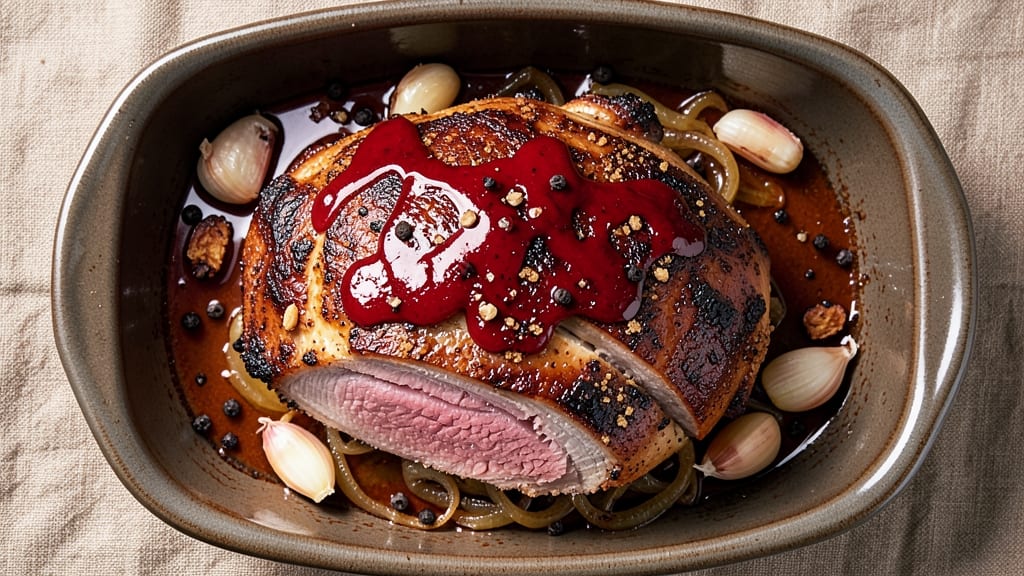
A brown sugar pork roast transforms a simple cut into something extraordinary—juicy, tender meat encased in a deep caramelized crust that practically melts in your mouth. This is the recipe I perfected after years of testing different glaze techniques, balancing sweetness with savory depth.
The key lies in a slow cook that develops rich flavors while the brown sugar creates that irresistible sticky glaze.
What sets this apart is the foolproof method for achieving that perfect balance: a simple marinade of brown sugar, mustard, and spices that penetrates the meat while creating a flavorful crust.
I use a 325°F oven for even cooking, ensuring the pork stays moist in the center while developing that signature caramelized exterior. The resting period is just as critical—it allows the juices to redistribute, guaranteeing that first bite is as tender as it is flavorful.
By the time you pull this roast from the oven, your kitchen will smell like a Southern holiday table, and every slice will reveal perfectly juicy shreds with a glossy, caramelized crust.
The combination of sweet and savory creates a harmony that's impossible to resist. This is the kind of pork roast that turns ordinary weeknight dinners into memorable meals.
Serve it with classic sides like mashed potatoes, roasted vegetables, or a fresh green salad to balance the richness. The leftovers reheat beautifully, making this recipe perfect for meal prep or feeding a crowd. Let's get started on creating this showstopping centerpiece.
Ingredients for brown sugar pork roast
Six ingredients transform ordinary pork into showstopping caramelized perfection—juicy, tender, and irresistible.
| Ingredient | Amount | Notes |
|---|---|---|
| Pork Shoulder Roast 🐖 | 4 lb | Bone-in for flavor, trimmed of excess fat |
| Light Brown Sugar 🍚 | 1 cup | Packed firmly, no substitutions |
| Yellow Mustard 🥫 | ½ cup | Dijon works too, but classic mustard preferred |
| Apple Cider Vinegar 🍎 | ¼ cup | Balances sweetness beautifully |
| Garlic Cloves 🧄 | 6 cloves | Minced for marinade |
| Onion Powder 🧅 | 1 tbsp | Fresh onion if you prefer |
| Ground Black Pepper 🌶️ | 1 tbsp | Freshly cracked for best flavor |
| Kosher Salt 🧂 | 1 ½ tbsp | Diamond Crystal preferred |
| Unsalted Butter 🧈 | ½ cup | Cold, cubed for basting |
| Fresh Rosemary 🌿 | ¼ cup | Chopped, stems removed |
| Fresh Thyme 🌿 | ¼ cup | Leaves only, finely chopped |
| Olive Oil 🫒 | ¼ cup | For basting, high-quality preferred |
The pork shoulder is your canvas here—bone-in for maximum flavor, but trim that fat cap to 1/4-inch thickness so it renders cleanly. Costco or local butchers often have pre-trimmed roasts, but if you're buying whole, ask for the shoulder cut. For the brown sugar, Light Brown Sugar from the store's bulk bin is ideal—it's packed with molasses for that deep caramel flavor. The mustard? French's Classic Yellow is my go-to, but Dijon adds a sophisticated twist if you're feeling fancy. Fresh herbs matter here—Whole Foods or local farmers markets have the best rosemary and thyme, but grocery store bundles work in a pinch.
No Dijon mustard? Classic yellow plus a pinch of cayenne mimics the heat. Short on fresh herbs? Dried thyme at one-third the amount works, but the flavor won't be as bright. The apple cider vinegar can be swapped for white vinegar or lemon juice, though it won't have the same depth. For the butter, Plugrá is my favorite—it has a higher fat content that bastes beautifully. If you're making this ahead, prep the marinade 24 hours early and let the pork soak up those flavors overnight in the fridge. The garlic can be pre-minced from a jar (the good stuff, not the dusty kind), but fresh is always better if you've got the time.
This roast reheats like a dream—350°F for 20 minutes with a splash of broth keeps it moist. Store leftovers in the fridge for 4 days or freeze for 3 months (portion into single-serving bags for easy reheating). The caramelized crust? That's your signal to eat it immediately—it's the best part. For meal prep, I always make a double batch. The first round goes to the table, and the second gets repurposed into pulled pork sandwiches or tacos. Trust me, you'll want leftovers.
Why You'll Love This Recipe
- Foolproof Prep: I swear by this—just slather the pork with mustard, toss in garlic and brown sugar, then let the oven do the work. No fancy techniques, no stress. The vinegar ties everything together while you’re chopping veggies for the side.
- Sweet-Savory Magic: That caramelized crust from the brown sugar? Chef’s kiss. The mustard adds tang, the vinegar keeps it bright, and the garlic? It’s the secret weapon that makes this pork irresistibly juicy and complex—like a hug in every bite.
- Leftovers for Days: Between us, this roast tastes even better the second day. I’ll make it on Sunday, slice it thin for sandwiches, or cube it into fried rice—no one ever complains. (My kids actually ask for it.)
- Budget Meal Star: Pork shoulder is affordable, and this recipe stretches it across multiple meals without breaking the bank. Honestly, it’s the kind of dish that makes grocery day feel like a win—rich flavor, minimal cost, and zero waste.
Step-by-step instructions for brown sugar pork roast
Here's how to transform a simple pork shoulder into fall-off-the-bone tender meat with a caramelized crust.
Prepare the Dry Rub and Marinade
In a medium bowl, combine the 1 cup light brown sugar, 1 tbsp onion powder, 1 tbsp ground black pepper, and 1.5 tbsp kosher salt. Mix thoroughly until the sugar is evenly distributed and the spices are fully incorporated. This dry rub will create the perfect balance of sweet and savory flavors while forming that coveted caramelized crust.
In a separate bowl, whisk together the 0.5 cup yellow mustard, 0.25 cup apple cider vinegar, and the 6 minced garlic cloves. This marinade will tenderize the meat and add depth of flavor. I like to let both mixtures sit at room temperature for 30 minutes before applying—this helps the ingredients meld together and ensures even penetration into the meat.
Coat and Rest the Pork Shoulder
Pat the 4 lb pork shoulder roast dry with paper towels—this is crucial for achieving that crispy crust. Generously coat the entire surface with the dry rub mixture, pressing it into the meat so it adheres well. Then, brush the marinade evenly over the rubbed pork, making sure to coat all sides thoroughly. The marinade will help the rub stick and add moisture during the cooking process.
Place the coated pork on a wire rack set inside a shallow baking dish. Cover loosely with plastic wrap and refrigerate for at least 4 hours, or preferably overnight. This resting period allows the flavors to penetrate deeply and ensures the meat stays juicy throughout the cooking process. I know it's tempting to skip this step, but trust me—it makes all the difference in the final result.
Sear the Pork for Maximum Flavor
Preheat your oven to 325°F. Before roasting, I like to give the pork a quick sear to lock in those rub flavors and create additional texture. Heat 0.25 cup olive oil in a large oven-safe skillet over medium-high heat. Once the oil is shimmering, carefully add the pork and sear on all sides until golden brown, about 3-4 minutes per side. This step is optional but adds incredible depth of flavor.
Transfer the seared pork to a roasting pan, fat-side up. This positioning allows the rendered fat to baste the meat during cooking, keeping it moist. If you didn't sear the pork, simply place it fat-side up in the roasting pan now. The key is to maintain that even heat distribution for perfect results.
Roast Low and Slow for Tender Perfection
Roast the pork in the preheated oven for 3 hours. This low and slow cooking method is essential for breaking down the connective tissue and creating that melt-in-your-mouth texture. After the initial 3 hours, increase the oven temperature to 375°F and continue roasting for another 30-45 minutes, or until the internal temperature reaches 195-203°F when measured with a meat thermometer.
Here's where it gets exciting—the pork will develop a beautiful caramelized crust as it roasts. I like to baste the pork every 45 minutes with a mixture of 0.5 cup melted unsalted butter, 0.25 cup chopped fresh rosemary, and 0.25 cup chopped fresh thyme. This basting not only adds flavor but also helps create that sticky, caramelized exterior we're after.
Rest and Shred for Juicy Results
Once the pork reaches the desired internal temperature, transfer it to a cutting board and tent loosely with aluminum foil. Let it rest for at least 30 minutes—this is absolutely critical. During this resting period, the juices redistribute throughout the meat, ensuring each bite is moist and flavorful. I know it's hard to wait, but patience pays off here.
After resting, use two forks to shred the pork against the grain. The meat should pull apart easily with minimal effort, indicating it's perfectly tender. Serve the shredded pork immediately, allowing guests to enjoy that sticky caramelized crust and juicy interior. The flavors will be at their peak, and every bite will be a testament to your patience and attention to detail.
Pro Tips For Making Brown Sugar Pork Roast
- SEAR THE ROAST FIRST: Don’t skip browning—the crust from a hot pan makes all the difference. Sear the pork shoulder in batches (yes, it’ll take time) until deep golden, then add the brown sugar-vinegar glaze. That caramelized layer keeps the meat juicy and adds depth the slow cook won’t.
- SMASH THE GARLIC: Whole garlic cloves? Too soft. Crush them into a paste with a knife or mortar before mixing with mustard and vinegar. I learned this the hard way—whole cloves just sit there while the roast cooks, leaving you with weak flavor. A quick 30-second smash changes everything.
- DON’T BASTE TOO EARLY: The glaze will bubble up like crazy in the first hour—resist the urge to baste. Let it caramelize naturally, then brush on a thin layer every 45 minutes after that. Over-basting makes the sugar burn and turns your glaze into syrup.
- USE A THICKER MUSTARD: Yellow mustard thins out fast. Mix in 1 tablespoon of Dijon or whole-grain mustard with the apple cider vinegar before adding brown sugar. It clings better to the pork and adds a subtle tang that cuts through the sweetness—trust me, it’s a game-changer.
Pro cooking tips for great brown sugar pork roast
Low-Temp Mastery
Your oven's 325°F setting is non-negotiable for this roast—it's the sweet spot for breaking down collagen without drying out the meat. I use a Thermoworks Smoke thermometer to monitor internal temps precisely.
The key is patience: at 325°F, your pork will cook at about 1°F per minute, giving you that perfect tender texture. 🌡️
Fat-Side Up Positioning
Place your pork fat-side up in the roasting pan—this isn't just tradition, it's science. The rendered fat will naturally baste the meat during cooking, creating a self-basting effect that keeps everything moist.
I like to add a wire rack in my roasting pan to allow air circulation, which helps that caramelized crust form more evenly. Don't skip this step—it makes all the difference in texture.
Basting Like a Pro
Every 45 minutes during the final hour of cooking, baste your pork with that butter-rosemary-thyme mixture. I use a basters brush for precision, but a regular pastry brush works too.
The butter adds richness while the herbs infuse fresh flavor. This basting is what creates that signature sticky caramelized crust we're all craving—don't be shy with it!
The Critical Rest
That 30-minute rest after removing the pork from the oven isn't optional—it's where the magic happens. During this time, the meat's internal temperature equalizes and those juices redistribute. I've seen home cooks cut into pork too soon and watch all that flavor run out.
Trust the process: tent with foil and let it rest. Your patience will be rewarded with juicy, perfect shreds every time. ⏳
Internal Temp Secrets
Use a meat thermometer to check for doneness—195-203°F is your target range for pull-apart tenderness. The 195°F mark is ideal for shredding, while 203°F gives you that extra-firm texture perfect for sandwiches. I probe the thickest part of the meat, avoiding any fat pockets.
Pro tip: If your thermometer doesn't have a probe light, use a red laser thermometer to spot-check without opening the oven door.
Caramelization Control
For that perfect balance of sweet and savory crust, finish your roast at 375°F for the last 30-45 minutes. This higher temp helps develop the Maillard reaction, creating those beautiful browned flavors. Watch closely—the crust should be deep amber with some caramelization, not burnt.
If it starts darkening too quickly, tent with foil and continue cooking. This final stage is what transforms good pork into showstopping pork. 🔥
Nutrition facts
Frequently asked questions
Can I use dark brown sugar instead of light?
Dark brown sugar works, but it has more molasses which can make the crust slightly more bitter and the glaze thicker. For every 1 cup light brown sugar called for, use 1 cup minus 1 tbsp dark brown sugar to maintain balance. If you prefer deeper flavor, reduce the apple cider vinegar by 1 tbsp to compensate for the extra molasses.
How do I know when the pork is done without a meat thermometer?
If you don't have a thermometer, check for doneness by inserting a sharp knife into the thickest part—juices should run clear with no pink. The meat should also pull apart easily with gentle pressure. For extra assurance, use the finger test: press your thumb against the pork; if it feels firm but yields slightly, it's likely done. The crust should be deep amber with caramelization.
Can I make this in a slow cooker instead of the oven?
Place the seasoned pork in your slow cooker with 0.5 cup apple juice or broth (to prevent sticking) and cook on low for 8-10 hours or high for 5-6 hours. In the last 30 minutes, transfer to a baking sheet, broil for 3-5 minutes to create caramelization. The texture will be slightly different but still delicious—just don't expect the same crispy crust.
What's the best way to reheat leftovers?
Reheat leftovers in a 350°F oven for 20-25 minutes with 2 tbsp broth or water in the pan to prevent drying. For microwave reheating, cover with a damp paper towel and heat in 30-second intervals, stirring between each. The caramelized crust won't be as crispy, but the meat stays juicy. Store leftovers for 4 days in the fridge or 3 months in the freezer.
Can I substitute honey for the brown sugar?
Honey works but requires adjustments—use 1/3 cup honey plus 2 tbsp water per 1 cup brown sugar to prevent burning. Reduce the apple cider vinegar by 1 tbsp since honey is acidic. The glaze will be more liquid, so finish with a 5-minute broil at the end to thicken it. For deeper flavor, add 1 tsp cinnamon to the rub.