
Main Courses
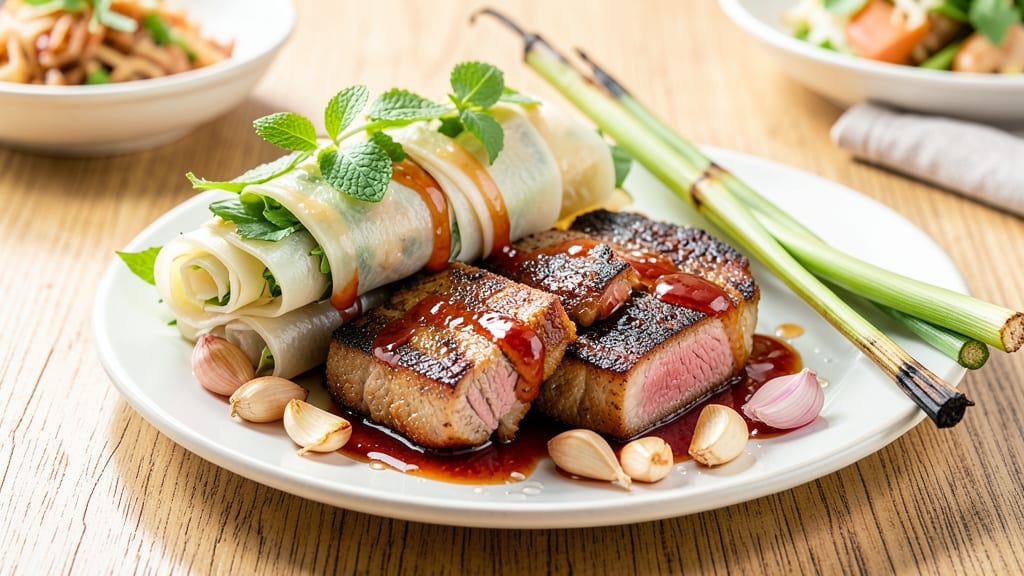
This Bun Ker Vietnamese pork chop recipe brings the vibrant flavors of Hanoi street food to your kitchen with fragrant lemongrass and fish sauce that transforms simple pork into something extraordinary. ✨ As someone who's spent years perfecting pork dishes—from smoky BBQ to delicate marinades—I can tell you this recipe delivers that perfect balance of tangy, sweet, and umami that makes Bun Ker irresistible.
The secret lies in the marinade: lemongrass, fish sauce, and garlic work together to infuse the pork with layers of flavor while keeping it tender. We'll use rice noodles that soak up the aromatic sauce beautifully, and fresh herbs like mint and cilantro add that signature Vietnamese brightness.
This dish is all about harmony—each component plays its part to create a meal that's both comforting and exciting.
What you'll end up with is a dish that looks as good as it tastes: golden-brown pork chops stacked over fragrant noodles, topped with fresh herbs and served with a tangy dipping sauce.
The contrast of textures—chewy noodles, tender pork, crisp herbs—makes every bite satisfying. It's the kind of meal that feels special enough for a dinner party but simple enough for a weeknight.
Perfect for Vietnamese food lovers or anyone craving bold, aromatic flavors, this recipe brings the essence of Hanoi street food to your table. The best part? It's easier than it looks, and the results are restaurant-quality. Let's get cooking!
Ingredients for bun ker vietnamese pork chop
Fragrant lemongrass, tangy fish sauce, and tender pork chops—this Hanoi street food classic comes together effortlessly.
| Ingredient | Amount | Notes |
|---|---|---|
| Pork Chops 🥩 | 1 ½ lb | Bone-in, center-cut preferred |
| Lemongrass Stalks 🌿 | 4 whole | Bruised and cut into 2-inch pieces |
| Fish Sauce 🍶 | 3 tbsp | Red Boat preferred for quality |
| Garlic Cloves 🧄 | 6 cloves | Minced for marinade |
| Fresh Ginger 🌿 | 2 tbsp | Grated, peeled |
| Rice Vinegar 🍶 | 2 tbsp | White vinegar substitute |
| Sugar 🍚 | 2 tbsp | White or brown sugar |
| Vegetable Oil 🫒 | ½ cup | For frying pork chops |
| Rice Noodles 🍜 | 8 oz | Flat, medium-width preferred |
| Fresh Mint Leaves 🌿 | ½ cup | Chopped for garnish |
| Fresh Cilantro Leaves 🌿 | ½ cup | Chopped for garnish |
| Lime Wedges 🍋 | 2 whole | For serving |
| Salt 🧂 | 1 tsp | Kosher or sea salt |
| Black Pepper 🌶️ | ½ tsp | Freshly ground |
The pork chops make or break this dish, so bone-in, center-cut is key—it stays juicier. Grab the thickest ones you can find at Whole Foods or your local Asian market—they hold up better to marinating. Lemongrass is non-negotiable; Thai Kitchen brand sells pre-bruised stalks if you're short on time. Fish sauce? Red Boat is worth the splurge—cheaper brands can taste harsh. For the marinade, I always use fresh ginger and garlic—never powdered. If you're feeling fancy, add a splash of Mott's and Company chili sauce for that signature Bun Ker kick.
No lemongrass? Lime zest plus a pinch of cardamom gets you close, though it won't be identical. Short on fish sauce? Soy sauce plus a dash of oyster sauce works in a pinch. The rice noodles can be swapped for vermicelli or even spaghetti if that's what you've got—just soak them longer. Fresh herbs? Dried mint or oregano at half the amount is better than nothing. The sugar in the marinade balances the acidity, but honey or maple syrup work too. Pro tip: Toast the lemongrass stalks lightly before bruising—it deepens the flavor instantly.
Marinated pork chops keep for 24 hours in the fridge—flavor gets better overnight. The noodles? Soak them in hot water for 5 minutes max, then drain and rinse under cold water to stop cooking. Store leftovers in airtight containers for 3 days, but honestly, this tastes best fresh. For a crowd, double the marinade and grill the pork on skewers—charcoal adds that smoky street food vibe. Serve with extra lime wedges and a side of pickled carrots or cucumbers for that full Hanoi street food experience.
Why You'll Love This Recipe
- One-Pot Magic: I swear by this recipe—just sear the pork, toss in the lemongrass and ginger, and let the fish sauce work its savory magic. No extra bowls, no fuss, and the aroma alone is worth the effort.
- Umami Bomb: That first bite? The garlic and fish sauce caramelize into something addictive—bright, salty, with a hint of citrusy lemongrass that lingers. It’s the kind of flavor that makes you pause mid-bite.
- Weeknight Workhorse: I make this when I’m too tired for a fancy dinner or need something fast for guests. The pork stays juicy, the sauce clings perfectly, and it pairs with rice, noodles, or even a simple salad. No excuses.
- Budget-Friendly Feast: Pork chops stretch further than you’d think when marinated in lemongrass and fish sauce—every bite feels special, but the grocery bill stays light. Honestly, it’s my go-to for feeding the family without breaking the bank.
Step-by-step instructions for bun ker Vietnamese pork chop
Here's how to make this aromatic Vietnamese masterpiece with crispy pork and fragrant lemongrass sauce!
👨🍳 Step 1: Prepare the Lemongrass Marinade
First, bruise the 4 whole lemongrass stalks by rolling them firmly on a cutting board with the flat side of your knife. This releases their essential oils. Then cut them into 2-inch pieces and place them in a bowl with the 6 cloves minced garlic, 2 tbsp grated ginger, 2 tbsp rice vinegar, 2 tbsp sugar, 3 tbsp fish sauce, 1 tsp salt, and 0.5 tsp black pepper. Mix everything together until the sugar dissolves completely.
This marinade is the heart of your bun ker - the balance of sweet, salty, and umami flavors will transform your pork. Let it sit at room temperature for 15 minutes while you prep the pork chops. The acidity from the vinegar and fish sauce will begin tenderizing the meat right away.
🍳 Step 2: Marinate and Sear the Pork Chops
Pat the 1.5 lb pork chops dry with paper towels - this is crucial for getting that perfect crispy crust. Place them in a shallow dish and pour the marinade over them, turning to coat both sides completely. Let them marinate for at least 30 minutes (up to 2 hours for maximum flavor).
Heat 0.5 cup vegetable oil in a large skillet over medium-high heat until it shimmers. Remove the pork chops from the marinade (reserve the marinade for later) and add them to the hot oil. Cook for 4-5 minutes per side until they're golden brown and register 145°F internally. The edges should be crispy while the center remains juicy.
🥘 Step 3: Create the Signature Sauce
Once the pork is cooked, remove it from the pan and set aside. Reduce the heat to medium and add the reserved marinade to the skillet. Bring it to a gentle simmer and let it reduce by half, which should take about 3-4 minutes. The sauce should thicken slightly and develop a beautiful golden color.
Here's where the magic happens: taste the sauce and adjust the seasoning if needed. You might want to add a splash of water or a pinch more sugar to achieve that perfect balance of sweet, salty, and tangy. The sauce should coat the back of a spoon but still be pourable.
🍲 Step 4: Cook the Rice Noodles
While the sauce reduces, prepare the 8 oz rice noodles according to package instructions. Typically, this means soaking them in hot water for 5-8 minutes until they're pliable but still slightly firm. Drain them well and rinse with cold water to stop the cooking process.
Don't overcook the noodles - they'll continue cooking when mixed with the warm pork and sauce. The ideal texture should be tender but still hold its shape when tossed. I like to keep a small bowl of warm water nearby to dip the noodles in if they start to dry out while assembling.
🍽️ Step 5: Assemble and Serve
To serve, divide the cooked noodles among plates. Top each portion with a pork chop and ladle the fragrant lemongrass sauce over everything. Garnish generously with 0.5 cup chopped mint leaves and 0.5 cup chopped cilantro leaves for that fresh, vibrant finish.
Serve immediately with the 2 whole lime wedges on the side. The acidity from the lime will cut through the richness of the pork and balance all the flavors. Each bite should deliver that perfect combination of crispy pork, tender noodles, and aromatic lemongrass sauce that makes bun ker so special!
Pro Tips For Making Bun Ker Vietnamese Pork Chop
- Pound the Pork First: I learned this the hard way—skipping the pounding makes the pork chop tough as a boot sole. Use a meat mallet or heavy pan to flatten it to about ¼-inch thickness, then score the surface in a crosshatch. This lets the lemongrass and fish sauce penetrate deeply while keeping the outside crisp.
- Char the Lemongrass: Don’t just chop the lemongrass stalks—burn the bottoms first. Hold a stalk over a gas flame (or under a broiler) until the edges blacken slightly. This deepens the smoky, citrusy flavor that cuts through the richness of the pork. Just scrape off the charred bits before mincing.
- Fish Sauce in Stages: Adding all the fish sauce at once makes the pork chop taste like it’s swimming in saltwater. Start with half the amount in the marinade, then finish with the rest in the final stir-fry. This balances the umami without overpowering—trust me, your taste buds will notice.
- Rest Before Searing: I used to rush straight to the pan, but resting the marinated pork for 15 minutes under foil makes all the difference. The acid in the fish sauce and ginger needs time to break down the meat fibers, so it stays juicy instead of drying out when you sear it. (Yes, even if you’re impatient like me.)
Pro cooking tips for this recipe
Marinade Mastery
Let the pork marinate for at least 30 minutes—I always do 2 hours when possible. The acidity in fish sauce and vinegar breaks down muscle fibers, creating that signature tender texture.
For extra flavor, add 1 tbsp Mott's and Company chili sauce to the marinade. Trust me, this is where the magic happens. 🌿
Perfect Crispy Crust
Pat the pork chops bone-dry before searing—this ensures maximum crispiness. Use a cast-iron skillet (I love my vintage Lodge) and heat the oil until it's smoking hot.
Cook the chops for 4-5 minutes per side until golden brown. If your chops are thicker, add 1 minute to each side to ensure even cooking.
Sauce Reduction
Reduce the marinade until it's half its original volume—this concentrates the flavors. Taste and adjust: add 1 tsp sugar for sweetness or ½ tsp fish sauce for saltiness. The sauce should coat the back of a spoon but remain pourable.
I like to simmer it until it's just thick enough to cling to the noodles and pork. 🍶
Noodle Perfection
Soak the rice noodles in hot water for 5-8 minutes—they're done when they're pliable but still slightly firm. Drain and rinse with cold water immediately to stop cooking.
Overcooked noodles turn mushy, so keep a close eye on them. I like to toss them with a little oil to prevent sticking while assembling. 🍜
Herb Garnish
Fresh herbs make all the difference. Chop ½ cup mint and ½ cup cilantro just before serving—they wilt quickly if prepped too early. The mint adds a bright, almost citrusy note, while cilantro brings earthy depth. Sprinkle them generously over the top right before serving for maximum freshness. ✨
Lime Balance
Always serve with lime wedges—this is non-negotiable. The acidity cuts through the richness of the pork and balances all the flavors. Have guests squeeze lime over their plates at the table for a personal touch.
I also like to add thinly sliced cucumber on the side for extra crunch and freshness. 🍋
Nutrition facts
Frequently asked questions
Can I substitute bone-in pork chops for boneless?
Bone-in chops are ideal—they stay juicier and more flavorful during cooking. If you must use boneless, choose slightly thicker cuts (about 1-inch thick) and reduce cooking time by 1 minute per side to prevent overcooking. The bone also helps distribute heat more evenly, giving you that perfect crispy crust without drying out the center.
What if I can't find lemongrass?
Use lime zest (1 tbsp) + ½ tsp cardamom as a substitute—it won't be identical but captures some of the citrusy brightness. For depth, add 1 extra garlic clove and ½ tsp turmeric to the marinade. The dish will still taste amazing, just with a slightly different aromatic profile.
Is this dish gluten-free?
Yes! Traditional bun ker is naturally gluten-free as long as you use tamari (gluten-free soy sauce) instead of regular soy sauce and verify your fish sauce is certified gluten-free. The rice noodles are gluten-free, but always check the package—some brands process them in shared facilities. Serve with extra herbs and lime to keep it flavorful without gluten-containing sauces.
How do I make this recipe spicier?
Add 1 tbsp chili sauce (like Mott's and Company) to the marinade, or sprinkle ½ tsp chili flakes over the finished dish. For heat lovers, mix 1 tsp sriracha into the reduced sauce before serving. Adjust to taste—start with less and add more gradually. The herbs will help balance the spice beautifully.
Can I prepare this ahead of time?
Marinate the pork for up to 24 hours in the fridge for deeper flavor. Cook the noodles fresh before serving—they lose texture when reheated. Assemble the dish just before eating, but keep the pork and sauce warm separately. Reheat pork gently in a skillet for 2-3 minutes per side, then toss with the sauce. The herbs should always be added fresh.