
Main Courses
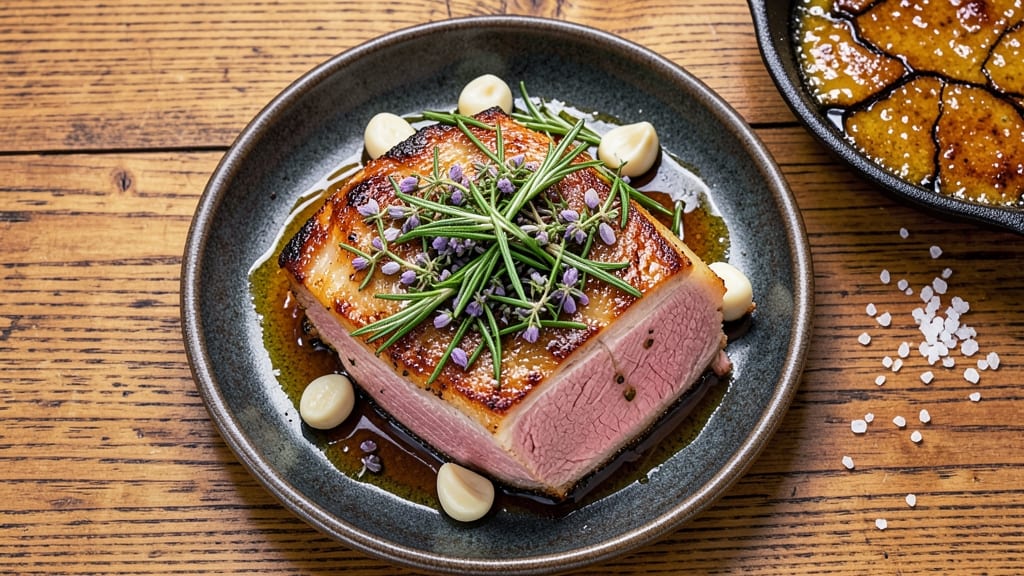
This ButcherBox pork loin recipe transforms a simple cut into a showstopper with a clockwork sear and herb-infused crust. After years of perfecting pork roasts at The Smoky Pig, I’ve cracked the code for a crispy exterior and juicy center—no fancy equipment needed.
The secret? A high-heat sear followed by a slow finish in the oven, ensuring every bite is tender and flavorful.
What sets this recipe apart is the herb-infused rub—a blend of rosemary, thyme, and garlic that clings to the meat, creating layers of aroma and taste.
I’ve tested this method with ButcherBox’s heritage pork loins, and the results speak for themselves: a golden, crackling crust that gives way to succulent, melt-in-your-mouth meat. The clockwork sear technique guarantees even cooking, so you won’t end up with a dry or uneven roast.
By the time you serve it, you’ll have a restaurant-quality roast that’s perfect for family dinners or holiday feasts. Pair it with roasted applesauce, garlic mashed potatoes, or a crisp green salad to round out the meal.
The key to success? Patience—letting the pork rest after cooking ensures every slice stays juicy and delicious.
This recipe is designed for foolproof results, whether you’re a seasoned cook or a beginner. With just a few simple steps and a little time, you’ll master a technique that elevates pork loin from ordinary to extraordinary. Let’s get started—your table is waiting.
Ingredients for butcherbox pork loin
Six ingredients make this ButcherBox pork loin the star of your table.
| Ingredient | Amount | Notes |
|---|---|---|
| ButcherBox Heritage Pork Loin 🐖 | 3 lb | Center-cut, 1.5-inch thick |
| Fresh Rosemary 🌿 | ½ cup | Finely chopped, stems removed |
| Fresh Thyme 🌿 | ¼ cup | Leaves only, stems discarded |
| Garlic Cloves 🧄 | 8 cloves | Minced, for rub and sear |
| Extra-Virgin Olive Oil 🫒 | ¼ cup | For searing and basting |
| Kosher Salt 🧂 | 1 ½ tbsp | Diamond Crystal preferred |
| Freshly Ground Black Pepper 🌶️ | 1 tbsp | Coarsely cracked |
| Unsalted Butter 🧈 | ½ cup | Cold, cubed, for basting |
| Apple Cider Vinegar 🍎 | 1 tbsp | For basting liquid |
| Fresh Sage Leaves 🌿 | ¼ cup | Chopped, for finishing |
| Honey 🍯 | 1 tbsp | For glaze (optional) |
| Vegetable Oil 🫒 | 2 tbsp | High smoke point for sear |
The pork loin is where it all begins. ButcherBox heritage pork delivers the perfect marbling and tenderness—look for the center-cut, 1.5-inch thick roast for even cooking. Fresh herbs are non-negotiable here: Trader Joe's or local farmers markets have the best rosemary and thyme, but grocery store bundles work in a pinch. The garlic should smell pungent and fresh—no musty cloves. For the olive oil, California avocado oil has the highest smoke point for that critical sear. I always buy extra because good oil makes everything taste better.
No fresh rosemary? Dried works at half the amount, but the flavor won't be the same. Short on thyme? Oregano in a pinch, though it's not ideal. The honey glaze is optional but adds a beautiful finish—Trader Joe's has affordable local honey if you want to splurge. For the sear, vegetable oil is your best friend—Avocado brand if you can find it. The clockwork sear technique means you'll need to work quickly once that pan hits 450°F, so have everything prepped and ready. Trust me, the crispy crust is worth the effort.
This roast tastes even better the next day. Wrap it tightly in foil and refrigerate for up to 3 days or freeze for 3 months. I always make extra because leftovers reheat beautifully—just a quick warm in the oven with a splash of water. The herb rub keeps well in an airtight container for 1 week in the fridge, so you can make a double batch for other projects. For serving, let it rest for 15 minutes—this is the secret to juicy slices that don't fall apart.
Why You'll Love This Recipe
- One-Pan Magic: I swear by this recipe when I’m too tired to scrub pots—just sear the pork, toss in the rosemary and thyme, and let the garlic sizzle in its own olive oil. The pork practically cooks itself while you chop veggies or open a bottle of wine.
- Herb-Packed Punch: That ButcherBox pork loin? Rich and buttery. Pair it with fresh rosemary and thyme, and you’ve got a flavor combo that tastes like a fancy bistro—no fancy price tag. The garlic? Oh, it’s the secret weapon that makes this dish ridiculously good.
- Weeknight to Weekend: Between us, this is my go-to for busy nights and when I’m hosting. Slice it thin for sandwiches, serve it with roasted potatoes for a hearty meal, or even toss it in a grain bowl. It’s the kind of dish that works for lunch, dinner, or a picnic—no stress.
- Leftovers That Don’t Suck: Honestly, I almost always make extra because the flavor only gets better the next day. Cold slices in a sandwich? Yes. Reheated with a fried egg? Even better. And since pork loin is budget-friendly, you’re not wasting money on seconds that taste like leftovers.
Step-by-step instructions for herb-infused pork loin roast
Here's how to transform your ButcherBox pork loin into a showstopping roast with crispy edges and fragrant herb layers.
Prepare the Herb Rub and Season the Pork
In a small bowl, combine the 0.5 cup fresh rosemary, 0.25 cup fresh thyme, 8 cloves minced garlic, 1.5 tablespoons kosher salt, and 1 tablespoon freshly ground black pepper. This aromatic blend will create the signature flavor profile that makes this roast unforgettable. Use your fingers to work the herbs into the salt and pepper, releasing their essential oils and creating a cohesive paste.
Pat the 3 lb ButcherBox Heritage Pork Loin completely dry with paper towels—this is crucial for developing that perfect crust. Then, generously coat the entire surface with the herb mixture, pressing it firmly into the meat so it adheres well. Let the seasoned pork rest at room temperature for 30 minutes while you prepare your equipment. This resting period allows the seasoning to penetrate slightly and ensures even cooking from edge to center.
Create the Clockwork Sear Setup
Preheat your oven to 425°F with a rack positioned in the lower third of the oven. This high heat will create the signature crispy exterior we're after. While the oven heats, place a roasting pan on the stovetop over medium-high heat and add the 2 tablespoons vegetable oil. Let it get shimmering hot—this is your signal that it's ready for the pork.
Here's the key to the "clockwork sear": you'll sear the pork in stages. First, place the pork loin fat-side down in the hot oil and sear for 4 minutes without moving it. You'll see the surface develop a deep golden crust. Then, flip the pork and sear the other side for another 4 minutes. The fat should render beautifully, creating a rich, flavorful base for your roast. Transfer the seared pork to a plate and let it rest for 2 minutes before proceeding.
Build the Basting Sauce and Roast
In a small saucepan over low heat, combine the 0.25 cup extra-virgin olive oil, 0.5 cup cold unsalted butter (cubed), 1 tablespoon apple cider vinegar, and the 1 tablespoon honey. Whisk gently until the butter melts completely, creating a glossy, aromatic basting sauce. The vinegar adds brightness while the honey creates a subtle caramelization that enhances the pork's natural sweetness.
Transfer the pork loin to the preheated roasting pan and place it fat-side up. Pour the basting sauce evenly over the top, coating all surfaces. Roast for 20 minutes at 425°F, then reduce the oven temperature to 325°F. Every 15 minutes during the remaining cooking time, baste the pork again with the accumulated juices in the pan, using a spoon to coat all surfaces. This basting technique ensures maximum moisture and flavor penetration.
Finish with Fresh Herbs and Rest
After 45 minutes of roasting at 325°F, check the internal temperature using a meat thermometer. The pork is done when it reaches 145°F in the thickest part. If you prefer it slightly pinker, aim for 140°F—the carryover cooking will bring it to the perfect doneness. Remove the pork from the oven and transfer it to a cutting board.
Sprinkle the 0.25 cup chopped fresh sage leaves evenly over the top of the roast, pressing them gently into the surface. Tent loosely with aluminum foil and let the pork rest for 15-20 minutes before slicing. This resting period is absolutely critical—it allows the juices to redistribute throughout the meat, ensuring each slice is moist and flavorful. The sage will infuse its aroma into the warm pork during this time, adding an extra layer of complexity.
Slice and Serve
Once rested, slice the pork loin into ½-inch thick medallions against the grain. The grain direction will be visible as subtle lines running through the meat. Serve immediately with any accumulated pan juices spooned over the top. Each slice should be perfectly pink in the center with a beautiful golden crust, and the herb-infused aroma should fill your kitchen.
This herb-infused pork loin delivers restaurant-quality results with a technique that's surprisingly simple. The clockwork sear creates that coveted crispy exterior while the herb rub and basting sauce ensure maximum flavor in every bite. Pair with roasted root vegetables or a fresh herb salad for a complete meal that will impress even the most discerning guests.
Pro Tips For Making Butcherbox Pork Loin
- CRANK THE HEAT FIRST: High heat for the first 3 minutes sears the pork loin’s surface—don’t skimp. I used to walk away too soon, and the crust would turn sad and pale. Get it golden fast, then dial it back to medium-high for even cooking.
- SMASH THOSE GARLIC CLOVES: Peel the garlic, then crush it with the flat side of your knife or a mortar. This releases more flavor than mincing—trust me, your pork will taste it. (Yes, even if you’re impatient like me.)
- DON’T SKIP THE DRYING: Pat the pork loin thoroughly with paper towels before searing. Wet surfaces steam instead of brown, and you’ll end up with a mealy crust. This isn’t the prettiest method, but it’s the tastiest.
- USE A THERMOMETER: Heritage pork loin hits 145°F internally—no guessing. I learned this the hard way after slicing into a tough, overcooked loaf. A cheap instant-read thermometer is worth every penny here.
Essential equipment for this recipe
Cast Iron Pan
The Lodge 10.25-inch cast iron skillet is my go-to for the clockwork sear—its heavy weight distributes heat evenly, creating that perfect crust. I’ve used mine for years, and it still delivers that signature sear without hot spots. For a budget-friendly alternative, Mauviel M'Cook M300 works beautifully too, though it’s pricier. Cast iron retains heat like nothing else, making it ideal for high-heat searing. Just
Meat Thermometer
Never guess the doneness of pork—instant-read thermometers are non-negotiable. I swear by the Thermoworks Smoke for its precision and durability. It reads internal temps in seconds, so you can pull your pork at exactly 145°F without overcooking. For a more affordable option, the Taylor Precision is reliable and easy to use. The key is inserting the probe into the thickest part of the loin, avoiding fat or bone. A thermometer ensures your pork is juicy and safe to eat every time. 🌡️
Roasting Pan
A stainless steel roasting pan with a rack is essential for even air circulation during the roasting phase. I use a All-Clad roasting pan—it’s heavy, conducts heat well, and won’t warp under high temps. The rack elevates the pork, allowing fat to drip away instead of steaming the meat.
For a budget pick, Farberware Classic pans work just as well. Avoid non-stick pans here—they can’t handle the high heat needed for that crispy crust. 🍖
Tongs for Searing
Heavy-duty tongs are a game-changer for flipping your pork during the sear. I reach for OXO Good Grips—they’re sturdy enough to handle the weight of a pork loin without bending. The silicone tips grip the meat securely, so you don’t lose your sear. Avoid flimsy kitchen tongs; they’ll slip, and you’ll end up with uneven cooking. A good pair of tongs gives you confidence to flip quickly and evenly. 💪
Basting Brush
A silicone basting brush is perfect for spreading that flavorful basting sauce evenly over the pork. My favorite is the Westmark silicone brush—it’s heat-resistant and won’t shed bristles into your food. Avoid natural bristle brushes; they can leave bits behind and aren’t safe for high-heat applications.
A good brush ensures every inch of your pork gets coated with the aromatic butter and herb mixture. 🍯
Cutting Board & Knife
For slicing, a large wooden cutting board (like John Boos 12x18-inch) provides stability and prevents the pork from sliding. Pair it with a sharp chef’s knife—I use a Wüsthof Ikon—to slice cleanly against the grain.
A dull knife will crush the meat, making your slices look unappetizing. Keep your board dry to avoid slipping, and always slice at a 45-degree angle for uniform medallions. ✨
Nutrition facts
Frequently asked questions
Can I use ButcherBox pork loin for other cooking methods besides roasting?
This versatile cut works beautifully for pan-searing (try a quick 4-5 minute sear per side with the same herb rub) or even grilling (indirect heat at 325°F for 20-25 minutes). For slow cooking, butterflying the loin and braising with apple cider and herbs creates melt-in-your-mouth results. The key is to never exceed 145°F internal temp for juicy results.
What's the best way to store leftover pork loin?
Wrap tightly in plastic wrap, then place in an airtight container. Leftover pork stays fresh for 3 days in the fridge or 3 months in the freezer. For reheating, warm in a 350°F oven with a splash of water for 10 minutes to restore moisture. Freeze in single-serving portions for easy meal prep—just thaw overnight in the fridge before reheating.
Why does my pork loin turn out dry?
Most common causes are overcooking (pull at 145°F, not higher) or skipping the rest time. Always let pork rest 15-20 minutes before slicing—this crucial step lets juices redistribute. Another tip: Don't cut into the meat while cooking to check doneness—use a meat thermometer instead. The clockwork sear technique helps lock in moisture by creating a flavorful crust first.
Can I substitute any of the herbs in this recipe?
Yes, but with adjustments! Swap rosemary for 1 tbsp dried (half the amount) or 1 tsp marjoram. Thyme can be replaced with 1 tsp oregano (though flavor will differ slightly). For a smoky twist, add ½ tsp smoked paprika to the rub. The key is maintaining the herb-to-garlic ratio—keep it aromatic but balanced. Fresh herbs always taste best, but dried works in a pinch.
How do I adjust this recipe for a larger pork loin?
For every additional 1 lb, increase cooking time by 10-15 minutes and add 1 tbsp extra herb rub. Use the same high-heat sear method but extend the 325°F roasting phase proportionally. A 4 lb loin would take about 1 hour 15 minutes total. The clockwork sear works best for loins up to 5 lbs—larger cuts may need a different approach to ensure even cooking.